
Reviewed · CHIANG MAI TUK TUK TOURS
Half day Best of Chiang Mai City by Tuk-Tuk Private tours
Chiang Mai’s best first lesson comes from the back of a tuk-tuk. This three-hour orientation links old-city gates, major temples, the Three Kings Monument, and Warorot Market without asking you to map the streets yourself. I like the hotel pickup and drop-off, and I like the chance to see several key sights in one compact outing.
The morning or afternoon departure gives you room to fit the tour around your arrival plans. The main caution is scope: four temples and one market make a useful sampler, but the short schedule leaves little time for wandering. One review also found the tuk-tuk in poor condition, with torn upholstery and a hard passenger seat.
Key points at a glance
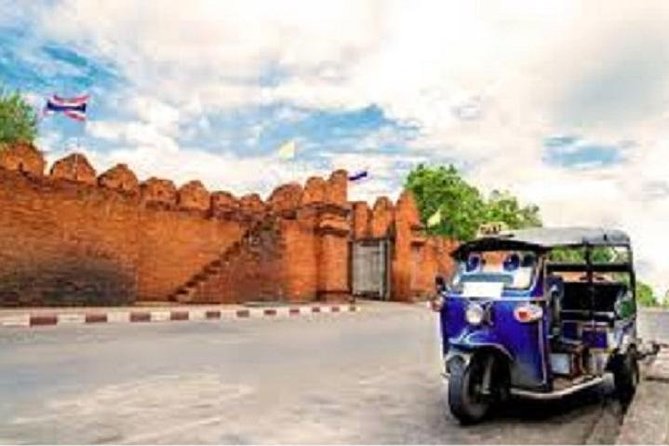
- Tuk-tuk pickup at your hotel: Your guide and driver collect you from your hotel or guesthouse and return you there.
- Four temples plus Warorot Market: You get a broad introduction rather than a long visit at one site.
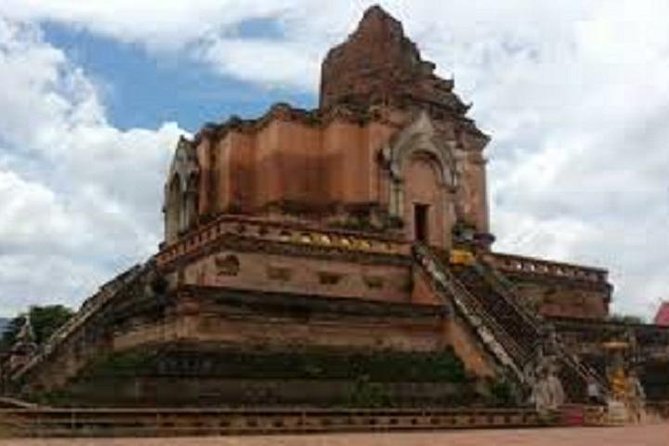
- Wat Chedi Luang’s damaged stupa: The earthquake damage remains visible around the lower edges of this major old-city temple.
- Chiang Mai’s silver tradition: Wat Srisuphan connects temple sightseeing with local metalwork and the Ancient Lanna Arts Study Centre.
- Morning or afternoon timing: Depart at 8:30am or around 12:30pm to 1:30pm, depending on the confirmed schedule.
- Small maximum group: The tour allows no more than 10 people, with a minimum of two required to book.
A quick orientation from the tuk-tuk
I see this tour as a practical first afternoon or morning in Chiang Mai. You are not simply being driven from one attraction to the next. The route gives you a quick sense of how the old city fits together, where the gates once controlled entry, and where the main shopping areas sit beyond the temple district.
That matters in Chiang Mai. The old city is compact, but the names can blur together when you first arrive. A guide in a tuk-tuk can handle the route while you watch the streets, canals, walls, and shops pass by. One especially useful point from the experience is the relief of not having to map everything yourself. A previous participant had driven tuk-tuks independently in Bangkok and appreciated being able to sit back while someone else handled the navigation.
The tour costs $55 and lasts about three hours. I consider that fair if you want transport, a guide, hotel pickup, drinking water, seasonal fruit, and a planned route. It is less attractive if you prefer to spend a full morning at two or three temples, or if you already know Chiang Mai well and can visit the sites independently.
The tour is described as private, yet the stated maximum is 10 people. Ask when booking how your party will be handled if you want a fully private vehicle and guide. That detail can affect the feel of the outing.
More Tuk Tuk Tours in Chiang Mai:
- Chiang Mai: Doi Suthep Temple and Waterfall by Songtaew Trio
★ 4.7 · 429 reviews - Chiang Mai Temples and Market Tuk-Tuk Evening Night Tour
★ 4.5 · 201 reviews - Private Chiang Mai Old City Half Day Tuk Tuk Tour
★ 4.5 · 157 reviews
Chiang Mai’s gates and the old-city canal
The route begins around the canal that surrounds the old city. You stop at Chiang Mai Gate and Tha Phae Gate, two useful landmarks for understanding the old defensive layout.
The gates are not just photo stops. They help you picture Chiang Mai as a walled city protected by gates and guard walls. The route points out remains connected with the city’s earlier defenses and the need to protect it from foreign invaders.
Tha Phae Gate is especially useful as a reference point for the rest of your stay. You may pass through this area again when heading toward markets or other parts of town. Chiang Mai Gate also gives you a sense of the city’s southern side.
I like beginning here because the tour starts with the city itself rather than rushing straight into a temple courtyard. The tuk-tuk ride adds a little motion and makes the transfer part of the sightseeing. Still, do not expect a long guided walk along the canal or walls. The schedule is tight, so the gates function as short stops and orientation points.
Wat Chedi Luang and the missing upper section
Inside the old city, the tour stops at Wat Chedi Luang. The name refers to the temple of the big stupa, and the great structure remains one of Chiang Mai’s most important sights.
The stupa was built during the 14th and 15th centuries. It once housed the Emerald Buddha, which is now in Bangkok’s Grand Palace. That single detail gives the temple national importance, but the building itself is the reason to pay attention.
An earthquake in 1545 destroyed the top 30 meters of the stupa. Repairs have restored much of the structure, while damage around the lower edges remains visible. I find that combination more interesting than a perfectly restored monument. You can see how age, disaster, repair, and continued religious use have shaped the site.
Your guide should help place the temple in context, but the supplied tour details do not name the guide or promise a set amount of time inside Wat Chedi Luang. Keep your expectations realistic. This is one stop within a three-hour route, not a dedicated temple visit.
For photographs, look closely at the lower stonework and the scale of the stupa. A quick visit can still be worthwhile if you focus on those details instead of trying to inspect every corner of the grounds.
The Three Kings Monument as a city marker
After Wat Chedi Luang, you stop at the Three Kings Monument. This adds a civic and historical marker to a route otherwise centered on religious buildings.
The stop helps break up the temple visits and gives you another fixed point inside the old city. It is also useful for getting your bearings. You will have seen gates, the central temple district, and now a landmark tied to Chiang Mai’s public identity.
The tour details do not promise a museum visit or an extended explanation here. Think of it as a short stop with time to look and take photographs. That fits the tour’s purpose, which is to give you a first map of Chiang Mai rather than exhaustively cover each attraction.
A different kind of day out of Chiang Mai altogether:
- Half-Day Thai Cooking Class at Organic Farm in Chiang Mai
★ 5.0 · 19,087 reviews - Chiang Mai: Elephant Sanctuary, Waterfall & Bamboo Rafting
★ 4.9 · 9,160 reviews - Chiang Mai: Doi Inthanon National Park Eco-Friendly Tour
★ 4.6 · 6,667 reviews - Chiang Mai: Elephant Sanctuary & Waterfall Group Tour
★ 4.9 · 5,780 reviews
Wat Srisuphan, Chiang Mai’s silver temple
The next major highlight is Wat Srisuphan, commonly called the silver temple. Its silver-colored building catches the light, and the Ubosot uses an alloy of zinc and silver.
The temple was first founded in 1501 under King Mengrai and was renovated in 2004. What makes this stop different from Wat Chedi Luang is the connection to Chiang Mai’s silversmith tradition. The temple is linked with local handicraft work and helps pass metalworking skills to a younger generation.
The Ancient Lanna Arts Study Centre, also known as Sala Sip Mu Lanna, teaches these techniques. You are encouraged to see artisans at work, although the information provided does not guarantee that a workshop demonstration will be taking place during your visit. If the artisans are working, this can be one of the most distinctive parts of the tour. It connects the decoration you see on the temple with the people and skills behind it.
I would give this stop your full attention, even if you are less interested in temple architecture. The silver finish and craft tradition offer a different angle on Chiang Mai. You are not just ticking off another religious building.
The stated itinerary refers to four temples overall, but it gives detailed descriptions for Wat Chedi Luang and Wat Srisuphan. Confirm the full temple list if seeing particular temples is important to you. That is especially sensible because one review found the group of four temples offered less variety than expected.
Warorot Market, where Chiang Mai shops
The final main stop is Warorot Market, a large shopping area used by local residents. The tour passes the locations of the Sunday Market and the Night Bazaar on the way there, giving you a quick look at two other well-known shopping zones.
Warorot is the place to shift from monuments to daily commerce. You may find fresh and dried fruit, vegetables, clothing, fresh seafood, jewelry, watches, beauty supplies, souvenirs, fireworks, and a large flower market. The range is broad, and the prices are described as among the lowest in Chiang Mai.
I like ending here because it gives you useful ideas for later. If you want edible gifts, small souvenirs, flowers, or ordinary shopping rather than polished tourist displays, this is the stop to remember. Personal shopping is not included, so anything you buy is your responsibility.
Do not assume the market stop means a long, leisurely shopping session. The tour must still return you to your hotel, and the full outing lasts only about three hours. If you find something you want to inspect carefully, note the location and return on your own later.
What the tuk-tuk ride is really like
The tuk-tuk is both transport and part of the appeal. You get an open-sided view of the streets, and the ride connects the stops in a way that feels more local than sitting in a standard tour van.
The comfort level may be uneven. One review praised the driver for being steady, especially compared with a more hectic tuk-tuk experience in Bangkok. That steady driving can make a real difference when you are watching traffic and taking photographs.
Another review described the vehicle as being in poor condition, with torn upholstery and a very old, hard passenger seat. I would treat this as a genuine consideration, not a reason to reject the tour outright. Tuk-tuks vary, and the vehicle assigned to you may not match the one used on another day. Still, anyone with back problems or a strong preference for soft seating should ask about the vehicle before booking.
The guide speaks English and handles pickup and return to your hotel or guesthouse. Drinking water and seasonal fruit are included. Accident travel insurance is also listed as part of the tour.
Timing, group size, and the three-hour limit
The morning departure is listed at 8:30am, with return around 11:30am. An afternoon option is also available, but the supplied times conflict slightly: one section gives 12:30pm, another says 1:30pm, with return around 4:30pm.
Confirm the exact afternoon pickup time when you book. This small check matters if you have a train, flight, meal reservation, or another activity afterward.
A three-hour route is efficient but brisk. You get a useful outline of the city and several major stops, yet you will not have much time to linger. I would choose the morning if you want the rest of the day free for independent exploring. The afternoon works well if you arrive earlier, need time to settle in, or prefer to visit temples before an evening meal.
The maximum group size is 10, and at least two people are required per booking. A child rate applies only when sharing with two paying adults. Most people can participate, and service animals are allowed. The stated dress code is formal, so bring clothing suitable for temple visits rather than casual beachwear.
Who gets the best value from this tour
I would recommend this outing to someone who has just arrived in Chiang Mai and wants a clear first look without organizing every ride. It also suits you if you want hotel pickup, an English-speaking guide, and a compact route through the old city and market areas.
It is a good match for:
- First-time visitors who want to learn the city’s basic layout
- Couples or small groups who prefer a planned route
- People who enjoy seeing several major sights in one morning or afternoon
- Shoppers who want an introduction to Warorot Market
- Anyone who would rather let a driver handle navigation
I would be more cautious if you want a slow, detailed temple tour. The four-temple plan sounds broad, but the three-hour limit means the stops are necessarily short. I would also think twice if vehicle comfort is a high priority, given the report of worn upholstery and a hard passenger seat.
The $55 price makes the most sense when you value the guide, transport, hotel service, water, fruit, and accident insurance together. If you only want to see Wat Chedi Luang and Warorot Market, booking a full half-day route may be more than you need. If you want a fast introduction to several parts of Chiang Mai, the price is easier to justify.
Should you book the Best of Chiang Mai City by Tuk-Tuk tour?
Book it if you want a short city orientation soon after arrival, especially if you like tuk-tuk transport and do not want to manage the route yourself. The gates, Wat Chedi Luang, silver temple, Three Kings Monument, and Warorot Market give you enough variety to plan the rest of your stay.
Skip it if you prefer long visits, soft seats, or a tightly specified list of temples. Before paying, confirm the afternoon departure time and ask whether the vehicle is fully private or shared within the 10-person limit. With those points clear, this is a practical first look at Chiang Mai rather than a deep temple study.
Free cancellation is available if you cancel at least 24 hours before the start time. Cancellations made less than 24 hours ahead are not refunded, and late changes are not accepted.
FAQ
How long does the Chiang Mai tuk-tuk tour last?
The tour lasts approximately three hours. The morning option is scheduled from 8:30am to around 11:30am, while the afternoon return is listed at approximately 4:30pm.
How much does the tour cost?
The listed price is $55.
What departure times are available?
A morning departure is listed at 8:30am. An afternoon departure is also available, but the supplied details show both 12:30pm and 1:30pm, so confirm the exact time when booking.
Does the tour include hotel pickup and drop-off?
Yes. Pickup and drop-off from your hotel or guesthouse in Chiang Mai are provided by tuk-tuk.
What is included in the tour price?
The price includes tuk-tuk hotel transportation, an English-speaking guide, drinking water, seasonal fruit, and accident travel insurance.
Are personal purchases included?
No. Personal shopping and souvenir photos are not included in the tour price.
How many people can join the tour?
The stated maximum is 10 people. A minimum of two people per booking is required.
Can I cancel for a full refund?
Yes, if you cancel at least 24 hours before the experience start time. Cancellations or changes made less than 24 hours before the start are not accepted for a refund.
Newly reviewed around Chiang Mai
- Workshop Making Herbal ball & herbal inhaler★ 4.3 · 3 reviews
- Chiang Mai Zipline White Water Rafting and Elephant Sanctuary★ 4.0 · 11 reviews
- Walk With Monks Collecting Alms(meeting point maybe change)★ 4.9 · 8 reviews
- Trek to a Jungle Waterfall★ 5.0 · 14 reviews
- Zipline+Sticky waterfall+Long Neck Village Private Tour★ 5.0 · 22 reviews
- Meditation Retreat and Self-Care in Nature★ 5.0 · 4 reviews
- Full Day Yoga, Meditation, and Thai Cultural Immersion in Chiang Mai★ 5.0 · 3 reviews
- Long Neck Village, White & Blue Temple, Black House Day Tour From Chiang Mai★ 4.0 · 14 reviews
Chiang Mai Tuk Tuk Tours, compared.
Doi Suthep Temple and Waterfall by Songtaew Trio
Read our review →
Chiang Mai Temples and Market Tuk-Tuk Evening Night Tour
Read our review →

Full-Day Guided Tuk Tuk Chiang Mai Adventure and Rafting
Read our review →
Chiang Mai Temples and Market Tuk Tuk Night Tour
Read our review →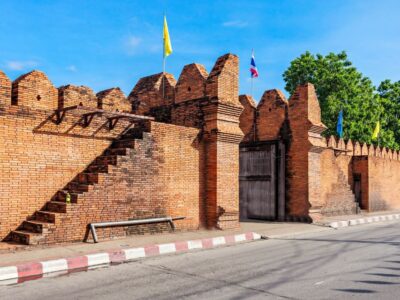
Private Tuk Tuk Tour of City Temples With Pickup
Read our review →Browse the lists this tour appears in