
Reviewed · CHIANG MAI CRAFT WORKSHOPS
Workshop Making Herbal ball & herbal inhaler
The most appealing part of this Chiang Mai workshop is its hands-on focus. At Hang Tueng Farm, you do not simply watch a demonstration. You make a herbal ball and a portable inhaler, using aromatic herbs and guidance from an English or Thai-speaking herbalist.
I like the practical souvenirs: both items are made by you and can become part of your daily wellness routine. I also like the private-group format, which should give you room to ask questions and work at your own pace. The main consideration is that this is a quiet craft and wellness activity, not a sightseeing tour or a full farm excursion.
Key points at a glance
- Make two useful souvenirs: Craft a herbal ball and a personal herbal inhaler during the three-hour session.
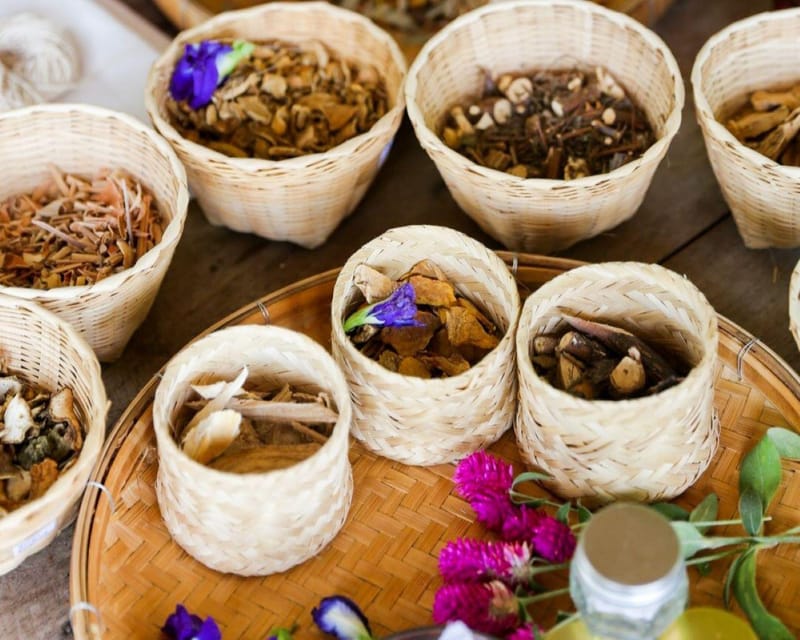
- Work with aromatic herbs: Learn about ingredients such as lavender, eucalyptus, and peppermint.
- Get hands-on instruction: Herbalists guide you through choosing ingredients, rolling the herbal ball, and preparing the inhaler.
- Meet at Hang Tueng Farm: Look for the farm sign at the entrance in Chiang Mai Province.
- Join a private group: The activity is designed for your own private booking rather than a large shared group.
- Book with flexibility: The price is $38 per person, with free cancellation up to 24 hours before the activity.
A three-hour change of pace in Chiang Mai
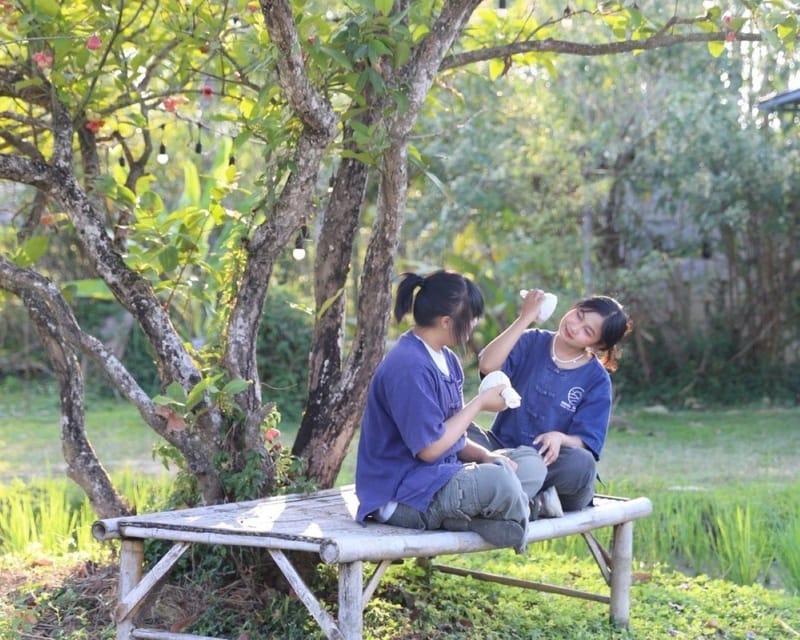
Chiang Mai is well known for temples, markets, cooking classes, and mountain trips. This workshop offers something quieter. You spend three hours making natural wellness items with your hands, learning what goes into them, and leaving with something more personal than a shop-bought souvenir.
The activity takes place at Hang Tueng Farm in Chiang Mai Province. The meeting point is easy to identify: look for a sign in front of the entrance naming Hang Tueng Farm. Since the available information does not include transport from hotels, you should plan your own way to the farm and check the exact starting time when booking.
The session is offered as a private group experience. That matters here. Making small herbal items can involve questions about scent, texture, ingredients, and technique. A private setting gives you more space to ask for help than you might have in a crowded class.
You do not need to arrive with supplies. The workshop provides the materials needed to make both items. That keeps the experience simple and avoids the usual problem of buying unfamiliar herbs or tools before you understand how they are used.
More Craft Workshops in Chiang Mai:
- Chiang Mai: Elephant Sanctuary & Thai Cooking Workshop
★ 4.9 · 276 reviews - Chiang Mai : Traditional Lanna Bamboo Fan Weaving
★ 5.0 · 17 reviews - Private Day Tour Doi Suthep Temple and Handicraft Center
★ 5.0 · 15 reviews
Starting with the herbal ball
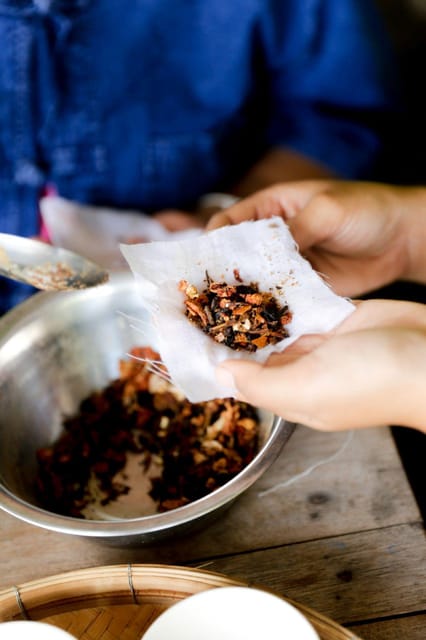
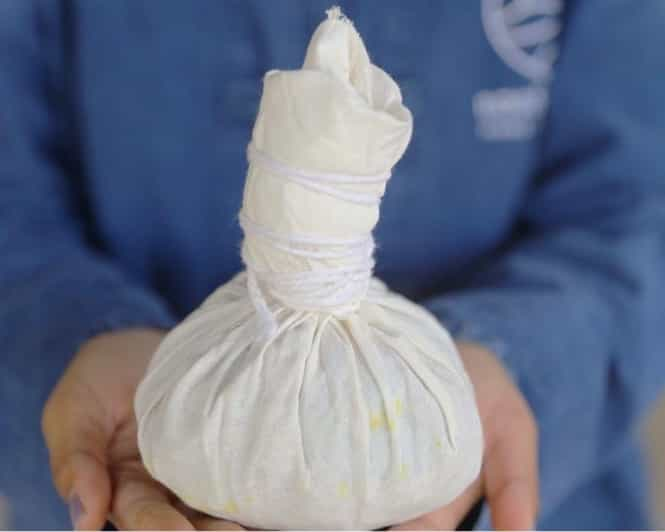
The first main activity is crafting the herbal ball. You learn how to select a blend of aromatic herbs and combine them into a compact bundle. The process includes guidance on the ingredients and the rolling technique, so this is more than filling a container and taking it home.
The appeal is partly sensory. Herbs such as lavender, eucalyptus, and peppermint are associated with fresh, calming, or clearing aromas. Your finished herbal ball is intended as a natural wellness item for relaxation and rejuvenation, though the activity is not presented as medical treatment.
I like this part because it gives you a direct connection to the materials. You handle the herbs, notice their scents, and make choices about the final blend. The result is not a generic souvenir. It reflects the ingredients and decisions you make during the session.
Pay attention to the instructions on how the ball is assembled. The rolling technique is one of the specific skills taught here, and it is the part most likely to affect how neat and secure your finished item feels. Ask the instructor to repeat any step you do not catch the first time. The English and Thai language option makes communication easier, but the class still depends on clear questions and hands-on practice.
The herbal ball may suit you if you enjoy crafts, natural products, or small projects that involve scent and touch. If you prefer a fast activity with a dramatic final result, the pace may feel slow. This is meant to be a careful workshop, not a quick photo stop.
Creating a portable herbal inhaler
The second project is the herbal inhaler. This is a smaller, more portable item designed to fit into daily life. You work with aromatic ingredients and prepare an inhaler that can be carried with you for a refreshing scent or a moment of calm.
This part of the workshop has a clear practical edge. A handmade herbal ball is a pleasant keepsake, but an inhaler is easier to carry in a bag or keep nearby at home. The session introduces herbs linked with respiratory comfort and stress relief, including eucalyptus, peppermint, and lavender.
You should treat those benefits as traditional wellness uses rather than promises of a cure. The supplied information describes the inhaler as a natural aromatherapy tool, not a replacement for medical care. If you have allergies or sensitivities, ask what ingredients are being used before you begin.
The instructor guides you through the process, so you are not expected to know how an herbal inhaler is assembled. You create a personalized version rather than receiving a pre-made item. That makes the inhaler a useful reminder of the workshop and a small gift option if you decide not to keep it for yourself.
Of the two activities, the inhaler may be the easiest to continue making at home. You receive detailed instructions with your take-home items, allowing you to repeat the process later. The workshop therefore offers both a finished souvenir and a basic method you can use again.
What the herbalists add to the experience
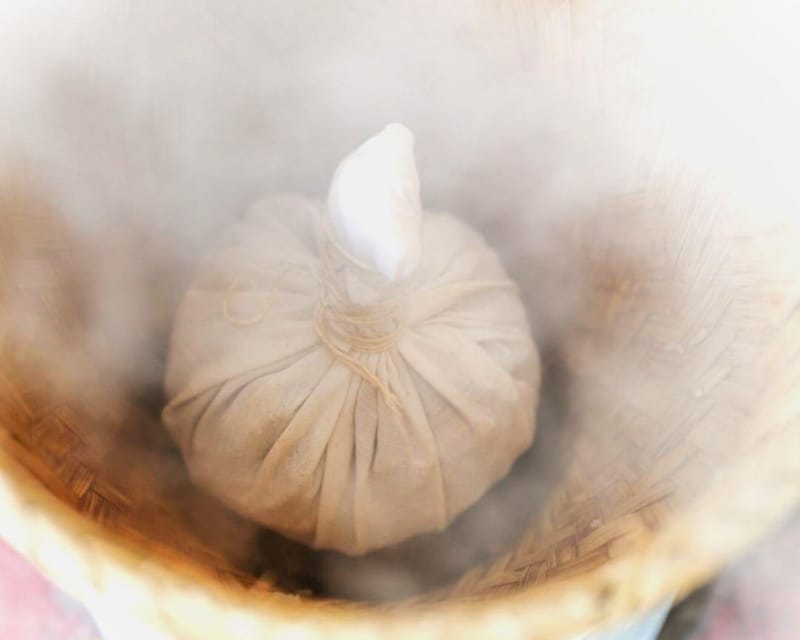
The instructors are experienced herbalists who explain the properties of the herbs used in the class. Their role is important because the workshop is built around understanding the materials, not just assembling them.
You can expect guidance on selecting herbs, learning their traditional wellness uses, and working through each stage of the craft. The instruction is offered in English and Thai. No individual instructor names are provided, but the language information is clear enough to help you decide if the workshop suits your group.
I would use the instructor time well. Ask why a particular herb is included, how scents work together, and how the finished items are meant to fit into a wellness routine. The more questions you ask, the more useful the class becomes.
There is also a social side to the session. The workshop is intended to connect people interested in nature, self-care, and handmade products. Since the group is private, you can share the experience with your own companions rather than being placed with a large crowd.
Still, keep your expectations sensible. The class can teach you the basics of making these two items, but the supplied details do not promise advanced herbal training or a professional qualification. Think of it as an introductory craft workshop with wellness themes.
More Hands-On Classes in Chiang Mai:
- Half-Day Thai Cooking Class at Organic Farm in Chiang Mai
★ 5.0 · 19,087 reviews - Chiang Mai: Cooking Class, Market & Thai Herbs Garden Tour
★ 4.9 · 4,824 reviews - Chiang Mai: Authentic Cooking Class with Market & Farm Visit
★ 4.9 · 4,546 reviews - Thai and Akha Cooking Class in Chiang Mai
★ 5.0 · 4,358 reviews
The value of the $38 price
At $38 per person, the cost includes all materials, instruction from herbalists, and both finished items. That is a fair package if you value the activity itself, not just the souvenirs.
A cheaper shop purchase might give you a herbal inhaler or scented product without the work behind it. Here, the price covers a three-hour experience, personal instruction, the chance to choose and handle ingredients, and instructions for repeating the process at home.
The private-group format also affects the value. You are paying for a more personal class rather than a large public demonstration. For couples, families with eligible children, or small groups of friends, that privacy may be worth more than a lower price in a shared session.
The value is less convincing if you want a full day of sightseeing, a farm tour, or a large range of finished products. Only a herbal ball and herbal inhaler are listed as the main projects. You should book this because you want to make them, not because you expect several different activities.
The take-home items help justify the cost. You leave with something you created and instructions to repeat the process. That turns the workshop into a skill-based souvenir rather than a one-time activity with nothing to show for it.
Who will enjoy this workshop most
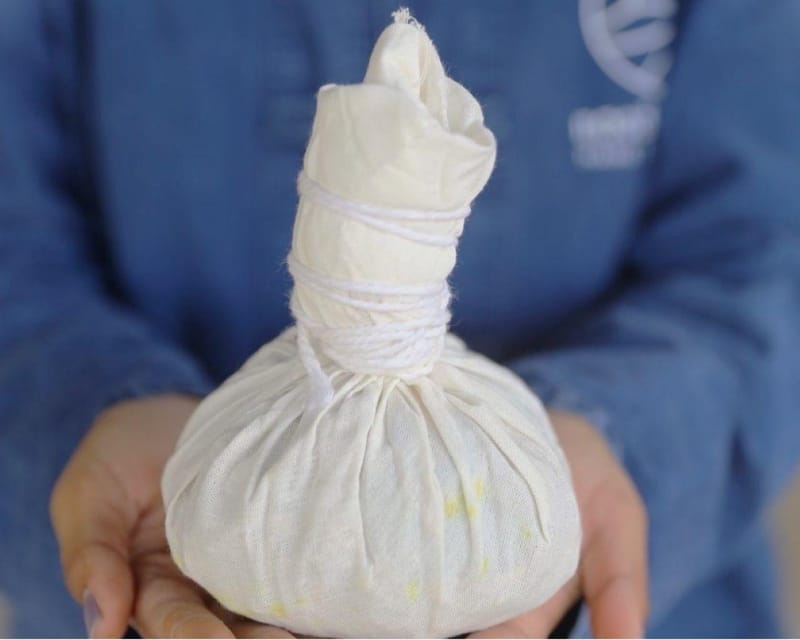
I would recommend this experience to visitors who like calm, practical activities. It suits people interested in aromatherapy, natural ingredients, handmade crafts, and simple wellness routines.
It also works well for someone who wants a break from Chiang Mai’s busy sightseeing schedule. Three hours is long enough to feel like a real activity but short enough to fit into a day with other plans.
The workshop may suit couples particularly well because the private format allows you to make the items together and compare your chosen scents. Friends can also enjoy it as a shared creative project. Solo visitors should check how the private-group booking works, since the available information describes the experience as private but does not explain minimum group size.
Parents should note the age restrictions. Children under two are not suitable for the activity, and babies under one are also excluded. The information does not provide a wider age range or special child program, so families with older children should confirm suitability before booking.
This is not the best choice if you want strenuous activity, major cultural sights, or a lesson focused on cooking or traditional medicine. It is a small-scale craft session with a clear wellness theme.
Practical details before you go
Plan to arrive at Hang Tueng Farm and look for the sign at the front entrance. The farm name should be written or posted there. Because no hotel pickup or public transport details are provided, you should arrange your own transport and allow enough time to find the entrance.
Check availability for the starting time. The workshop lasts three hours, but the exact daily schedule is not fixed in the supplied information. That makes it important to confirm the time before arranging temple visits, meals, or onward transport.
All necessary materials are included. You do not need to bring herbs, containers, or craft equipment. You may still want to bring questions about scents or ingredient sensitivities, especially if you have allergies.
The instructors speak English and Thai. If your group has mixed language needs, confirm that everyone can follow the safety and preparation instructions before the session begins.
You can cancel up to 24 hours ahead for a full refund. The reserve-now, pay-later option also lets you hold a place without paying immediately, which is useful if your Chiang Mai schedule is still changing.
What you take home
Your main souvenirs are a personalized herbal ball and a handmade herbal inhaler. Both are made during the workshop, and both are intended for use as natural wellness tools.
You also receive detailed instructions for repeating the process at home. That extra information is valuable because it helps the experience continue after your holiday. You can experiment with the process later, provided you use the ingredients and methods responsibly.
The souvenirs are compact and easy to pack. The inhaler is especially convenient for a travel bag, while the herbal ball has more of a handmade keepsake feel. Since the exact size and packaging are not provided, do not plan around fitting them into a particular container or suitcase pocket.
These items also make thoughtful gifts, although you should be careful when giving herbal products to anyone with allergies or scent sensitivities. The class is about personal wellness and craft, so the safest approach is to explain what ingredients were used.
Is this Hang Tueng Farm workshop worth booking?
Book it if you want a quiet, hands-on Chiang Mai activity with useful take-home items. The strongest reasons are the private setting, expert guidance, included materials, and chance to make both a herbal ball and a portable inhaler yourself.
Think twice if your priority is sightseeing, a large farm visit, or a packed itinerary. The workshop is focused and slow-paced, with no listed transport service or additional tour stops.
For $38 per person, I see good value for visitors who enjoy natural products and creative work. You are paying for three hours of instruction and participation, not simply buying two souvenirs. If that sounds like the right kind of afternoon in Chiang Mai, Hang Tueng Farm offers a pleasant way to make something personal and take a little piece of the experience home.
FAQ
Where does the herbal ball and inhaler workshop take place?
The workshop takes place at Hang Tueng Farm in Chiang Mai Province, Thailand. Look for a farm sign at the entrance identifying Hang Tueng Farm.
How long does the workshop last?
The activity lasts three hours. Starting times vary, so check availability when booking.
How much does the workshop cost?
The listed price is $38 per person.
What do I make during the workshop?
You make one herbal ball and one herbal inhaler. Both are personalized during the session and can be taken home.
Are materials included?
Yes. The workshop includes all materials needed to craft the herbal ball and herbal inhaler.
What languages are spoken?
Instruction is available in English and Thai.
Can I cancel or pay later?
You can cancel up to 24 hours in advance for a full refund. A reserve-now, pay-later option is also available.
Newly reviewed around Chiang Mai
- Walk With Monks Collecting Alms(meeting point maybe change)★ 4.9 · 8 reviews
- Chiang Mai Zipline White Water Rafting and Elephant Sanctuary★ 4.0 · 11 reviews
- Trek to a Jungle Waterfall★ 5.0 · 14 reviews
- Zipline+Sticky waterfall+Long Neck Village Private Tour★ 5.0 · 22 reviews
- Meditation Retreat and Self-Care in Nature★ 5.0 · 4 reviews
- Full Day Yoga, Meditation, and Thai Cultural Immersion in Chiang Mai★ 5.0 · 3 reviews
- Long Neck Village, White & Blue Temple, Black House Day Tour From Chiang Mai★ 4.0 · 14 reviews
- White Temple, Black House Museum and Hot Spring Tour from Chiang Mai (SHA Plus)★ 3.5 · 3 reviews
Chiang Mai Craft Workshops, compared.
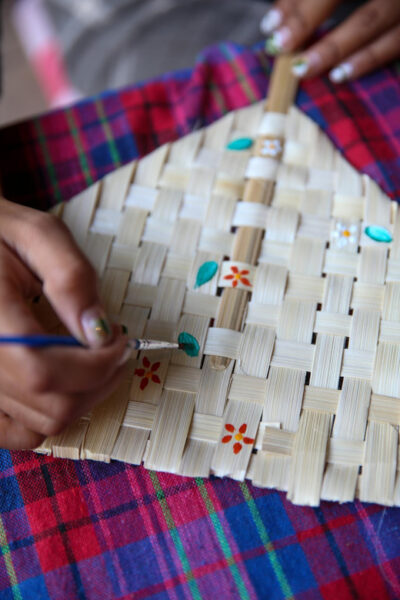

Private Day Tour Doi Suthep Temple and Handicraft Center
Read our review →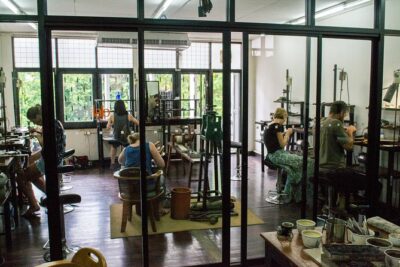
Jewellery Making Class with Silversmithing in Chiang Mai
Read our review →

Grand Canyon Chiang Mai Private Tour with Pottery Village
Read our review →
Private Doi Suthep Temple Handicraft Center and Sticky Waterfall
Read our review →
Browse the lists this tour appears in