
Reviewed · CHIANG MAI HILL TRIBE VILLAGE TOURS
Private Tour: 2-Day Authentic Hill Tribe Villages and Karen Hill Tribe Homestay
The heart of this experience is simple: you leave Chiang Mai’s busy streets and spend time in mountain communities at their own pace. You may visit Karen, Hmong, Lahu, or Lisu villages, meet families, and sleep in a bamboo stilt home with a host family. The homestay is the main event, not just a place to rest.
I like the private format and the chance to shape the days with your guide. I also like that the homestay payment goes directly to the host, and that local guides such as Pat, Bee, Hanee, and Surachai have taken guests beyond the usual stops. The tradeoff is comfort: there is no electricity or hot shower, and bedding is simple, placed on the floor beneath a mosquito net.
Key points to know before you book
- A real overnight stay: Sleep in a bamboo stilt house in a Karen village, with basic bedding and meals included in the homestay fee.
- A flexible route: The plan may change with weather, village events, and local life, so this is not a tightly timed sightseeing circuit.
- Private transport: Only your group joins the tour, with a professional local guide, driver, drinking water, and trip insurance included.
- Several possible communities: Your route may include Karen and Hmong villages, with Lahu and Lisu communities also possible on some custom trips.
- Bring cash: Petrol, the homestay, outside meals, and optional activities are paid separately, usually in Thai baht.
- Gentle walking only: You do not need to be a serious hiker, but insect protection and practical clothing matter.
Why this private hill-tribe trip feels different
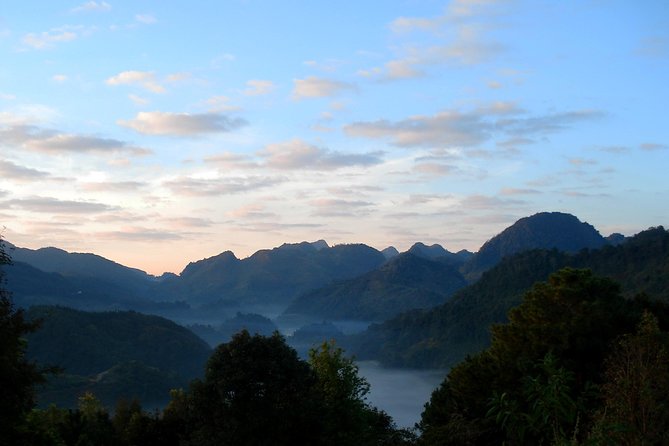
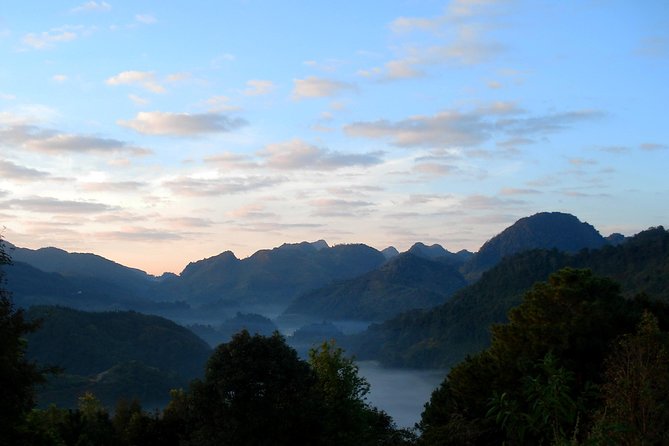
Many mountain tours run on a fixed clock. You stop, take photographs, hear a short explanation, and move on. This experience takes a slower approach. Your guide opens doors to village life, and the timing can shift when a local family is available, weather changes, or an interesting stop appears along the road.
That flexibility is especially useful for families and small groups. You can discuss what interests you, then adjust the route with the guide. Past guide names associated with these trips include Pat, Bee, Hanee, and Surachai, while drivers have included Phechr, Win, and Boy. Your guide and driver may be different, but the important point is that you travel with people connected to the region rather than with a large city-based tour group.
The tour is described as a two-day, one-night experience, though the supplier also presents its trips as fully customizable. The supplied duration information is inconsistent, showing anything from one hour to one day. Ask for the exact schedule before paying, especially if you want the overnight stay. The price is listed at $228.12 per person, but the final cost depends on the size of your group and the extras you choose.
More Hill Tribe Village Tours from Chiang Mai:
- Chiang Mai: Chiang Rai Temples, Karen Tribe and Hot Springs
★ 4.7 · 5,401 reviews - Thai and Akha Cooking Class in Chiang Mai
★ 5.0 · 4,358 reviews - Chiang Mai: Elephant Sanctuary, Long Neck & Sticky Waterfall
★ 4.9 · 2,262 reviews
Leaving Chiang Mai for the northern mountains
Pickup begins at about 9 a.m. from Chiang Mai. You travel by private vehicle with your guide and driver, which matters because the route is not designed around a large bus. You can discuss comfort breaks, meal stops, and points of interest as you go.
The drive is part of the experience. The mountains around Chiang Mai are home to several minority communities, each with its own customs and daily routines. You are not promised a staged performance or a fixed village show. Instead, the day follows what is happening locally.
That also means you need the right expectations. You may be invited into a home, meet villagers, or see ordinary work and family life. You may not see every activity listed in a brochure, since the visit depends on weather, local events, and who is available that day. I see this as a strength if you want real contact, but a weakness if you expect a neat sequence of guaranteed sights.
Only gentle walks are required. Still, bring shoes that can handle uneven ground, along with sun protection and insect repellent. A thin long-sleeved top and light trousers help with mosquitoes and other insects.
Meeting Karen and Hmong communities
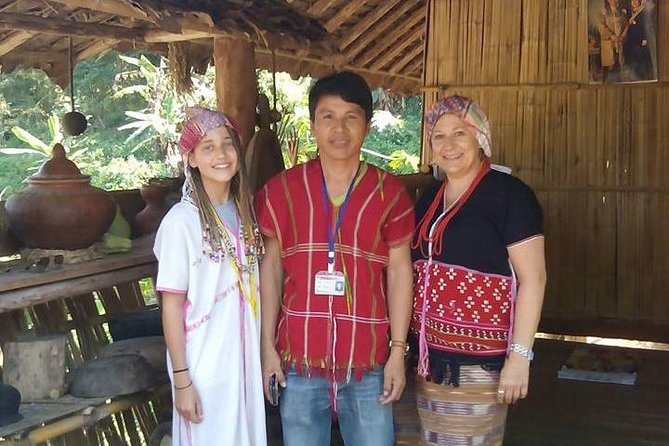
The central cultural element is the chance to visit Karen and Hmong communities with a guide from a hill-tribe background. Your guide helps explain local life and creates introductions in a respectful way. That makes a real difference. Without local help, it is easy to treat a village as a photo stop rather than a living community.
You may learn about the way homes are arranged, how families use shared spaces, and how village life follows seasonal and family routines. The exact stops are not guaranteed, so I would focus less on collecting names and more on the quality of the conversations you can have.
Some versions of the trip include Lahu and Lisu communities as well. One private day trip described by the supplier visited Lahu, Lisu, and Hmong villages, while other trips focused on Karen areas. This is where the private format earns its keep. Tell the guide if you care most about village life, photography, temples, scenery, food, or a particular community, then let the route take shape from there.
If photography matters to you, discuss it before setting out. Pat has led longer private photo trips focused on village life, people, temples, and mountain scenery. That does not mean Pat will be your guide, but it shows the company can build a trip around photography rather than simply allowing a few rushed snapshots.
Spending the night in a bamboo stilt home
The homestay is the part that separates this trip from a standard day excursion. You stay in a bamboo house raised on stilts in a Karen village. The setting is simple and local, with bedding on the floor and mosquito nets supplied.
The accommodation fee is 500 baht per adult, 300 baht for children aged 3 to 8, and free for children under 3. Meals at the homestay are included in that payment. You pay the host directly, which gives your money a more direct connection to the family providing the room and food.
Do not picture a small hotel with rustic decoration. There is no electricity, no hot shower, and only basic bedding. You should bring a towel, toiletries, insect repellent, and a change of clothes. A thin long top and trousers are useful at night, even if the daytime is warm.
You can ask for a local guesthouse instead if the homestay conditions are not right for you. That may provide more comfort, but it changes the character of the trip. If you are choosing this experience for the human contact and the chance to take part in village life, the bamboo home is the better choice.
More Two-Day Trips from Chiang Mai:
- Chiang Mai 4 in 1 : 2 days – 1 Nights. Elephants Camp + Adventure
★ 5.0 · 28 reviews - 2-Day Best of Chiang Rai from Chiang Mai Private Package
★ 4.5 · 16 reviews - Muay Thai Experience – 1/2 Day
★ 5.0 · 10 reviews - Best 2-Day: Explore Chiang Rai Landmarks from Chiang Mai, Private Trip
★ 5.0 · 8 reviews
Cooking dinner and sharing a local evening
The plan allows you to cook dinner with your hosts, though food costs and the details of the meal are handled locally. This is a more meaningful activity than simply eating at a restaurant because it gives you time to work alongside the family and see how an evening meal comes together.
The exact menu is not fixed. The tour information makes clear that village life sets the pace, so the cooking experience can vary. Keep your attitude open and practical. You are not booking a formal cooking class with measured recipes and a printed lesson. You are joining a household for a meal.
If you eat outside the homestay, the customary cost is about 50 baht per person for food at a local restaurant, and you should also cover the guide’s and driver’s meals when you eat together. Carry small notes and coins. Cash is needed for most expenses in the mountain communities.
Optional stops that can change the day
The main tour leaves room for add-ons, but these are not included in the listed price. An elephant camp costs 1,500 baht per adult. Bamboo rafting costs 1,500 baht for two people. A village guide costs 600 baht for two people.
Families can also consider the Siam Insect Zoo at 200 baht per adult and 150 baht per child, or Poo Poo Park at 150 baht per person, with children aged 0 to 4 admitted free. These choices can make sense if your group has mixed interests, though adding too many stops may reduce time in the villages.
A waterfall stop is also possible based on the suggested packing list, which includes a swimsuit or spare clothes for waterfall play. The available information does not promise a specific waterfall, so treat it as a possible part of the day rather than a fixed attraction.
The flexibility is useful, but it has a practical cost. You may not know the precise order of stops until you are on the road. If you need strict timing for another booking, ask the operator to confirm the return plan and any limits on optional activities.
What the $228.12 price really covers
At $228.12 per person, this is not the cheapest way to see the mountains around Chiang Mai. The value comes from having a private vehicle, a guide who can make local introductions, and a route shaped around your group instead of joining a large bus.
The listed inclusions are a professional local guide and driver, private transport, drinking water, and trip insurance. The price does not cover petrol, the homestay, meals outside the homestay, entrance fees, or optional activities.
Petrol is listed at about 2,200 baht, paid at the pump. The information does not make clear how that amount is divided, so ask whether it is a total vehicle cost or a per-group charge. Add the 500-baht adult homestay fee, outside meals, and any activities before comparing this trip with other tours.
For a couple or family, the private setup may offer fair value because you are paying for the vehicle and guide rather than a seat on a crowded bus. For a solo visitor, the per-person price may feel high once the extras are added. The best value comes when you care about control, personal contact, and a quieter route.
The basic conditions you need to accept
This is not a polished comfort tour. The homestay has no electricity and no hot shower. You sleep on the floor with simple bedding, and the mountain setting can bring insects. Those facts are clearly stated, so take them seriously rather than treating them as minor details.
Bring:
- Insect repellent
- Sunscreen
- A towel
- Thin long-sleeved tops and long trousers
- A swimsuit or spare clothes
- Cash in Thai baht
- Comfortable shoes for gentle walks
Most people can take part, and only light walking is required. Service animals are allowed. Still, the basic accommodation may not suit anyone who needs regular electrical equipment, a private bathroom, or a proper bed.
The tour also does not promise a fixed set of encounters. You may be invited into homes, but no one can guarantee what you will see or do. That uncertainty is part of visiting a living village rather than a staged attraction.
Who will get the most from this trip
I would recommend this experience to people who want time with local families and are willing to trade comfort for access. It suits couples, families with adaptable children, photographers, and small groups who want to set their own pace.
It is also a good fit if you have already seen Chiang Mai’s main temples and markets and want a different side of northern Thailand. The private arrangement lets you spend more time on subjects that matter to you, from village architecture to food, photography, or mountain scenery.
I would be more cautious about booking it for a short Chiang Mai visit with a tightly packed schedule. The route is flexible, and local conditions can change the day. I would also think twice if a floor mattress, no electricity, and no hot shower sound unpleasant rather than interesting.
The non-refundable policy adds another reason to plan carefully. Once booked, the amount paid cannot be refunded or changed, so confirm the overnight arrangement, approximate fuel cost, pickup details, and likely route before committing.
Should you book the Karen homestay?
Book it if you want a private, flexible mountain experience where the village visit matters more than a checklist of attractions. The bamboo homestay, direct payment to the host, local guide, and chance to adjust the route give this trip a personal quality that a standard day tour usually cannot match.
Skip it if you want guaranteed sights, hotel comfort, fixed meal arrangements, or a firm timetable. The strongest reason to choose this tour is also its biggest uncertainty: village life does not run on a neat tourist schedule. If you can accept that, bring cash, pack lightly, and prepare for basic conditions, this can be a memorable way to meet northern Thailand on human terms.
FAQ
Is this a one-day or two-day tour?
The experience is presented as a two-day, one-night trip with a Karen village homestay, but the duration information also describes a range from one hour to one day. Because the route is customizable, confirm the exact length and overnight plan before booking.
What is included in the price?
The listed inclusions are a professional local guide and driver, private vehicle transport, drinking water, and trip insurance. The homestay, petrol, outside meals, entrance fees, and optional activities are not included.
How much does the Karen homestay cost?
The homestay costs 500 baht per adult and 300 baht for children aged 3 to 8. Children under 3 stay free. The fee includes meals at the homestay and is paid directly to the host.
What are the homestay conditions?
The bamboo stilt home has no electricity and no hot shower. Bedding is simple and placed on the floor, with mosquito nets provided. You can request a local guesthouse instead.
Do I need to bring cash?
Yes. Petrol, the homestay, meals outside the homestay, and most entrance fees or optional activities are paid in cash. Petrol is listed at approximately 2,200 baht, and the homestay fee is paid directly to the host.
Is the walking difficult?
Only gentle walks are required, and most people can participate. You should still bring comfortable shoes, insect repellent, sunscreen, and thin long clothing for protection from insects.
Newly reviewed around Chiang Mai
- Workshop Making Herbal ball & herbal inhaler★ 4.3 · 3 reviews
- Chiang Mai Zipline White Water Rafting and Elephant Sanctuary★ 4.0 · 11 reviews
- Walk With Monks Collecting Alms(meeting point maybe change)★ 4.9 · 8 reviews
- Trek to a Jungle Waterfall★ 5.0 · 14 reviews
- Zipline+Sticky waterfall+Long Neck Village Private Tour★ 5.0 · 22 reviews
- Meditation Retreat and Self-Care in Nature★ 5.0 · 4 reviews
- Full Day Yoga, Meditation, and Thai Cultural Immersion in Chiang Mai★ 5.0 · 3 reviews
- Long Neck Village, White & Blue Temple, Black House Day Tour From Chiang Mai★ 4.0 · 14 reviews
Chiang Mai Hill Tribe Village Tours, compared.
Chiang Rai Temples, Karen Tribe and Hot Springs
Read our review →
Elephant Sanctuary, Long Neck & Sticky Waterfall
Read our review →
4-Hour Doi Suthep & Hmong Hill Tribe Village from Chiang Mai
Read our review →
Long Neck Village & Chiang Rai’s Iconic Temples
Read our review →
Chang Mai: Doi Inthanon Day Tour w/Waterfalls & Hilltribes
Read our review →
4 in 1 Elephants Long Neck Rafting and Sticky Waterfall Tour
Read our review →Browse the lists this tour appears in