
Reviewed · MAE KAMPONG VILLAGE TOURS
No.1 Chiang Mai: Stand Up Paddle Board through Mae Taeng Forest
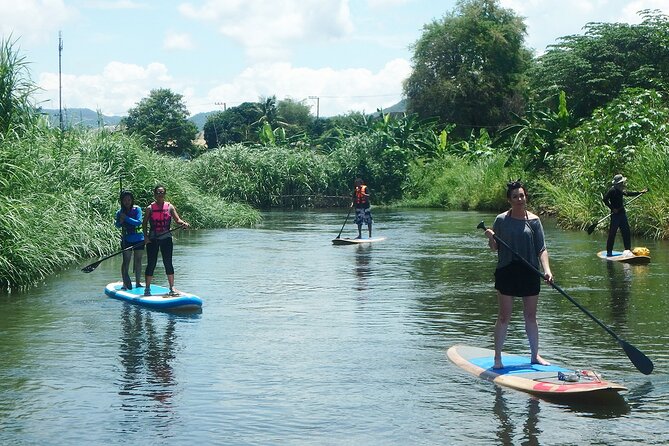
The best part of this Chiang Mai outing is the change of scene. After about an hour on the road, you leave the city behind and glide along the calm Mae Ping River through the Mae Taeng Forest Reserve, where green banks and birdlife replace traffic and temples. You can stand, kneel, sit, or switch to a kayak.
I like the beginner-friendly current and the personal help from guides such as Aidan, who can adjust the plan to suit your ability. I also like that hotel pickup, equipment, bottled water, and a meal at a mango plantation restaurant are included. The main drawback is timing: lunch can come very late, around 3 pm, so bring a snack and do not skip breakfast.
Key points before you book
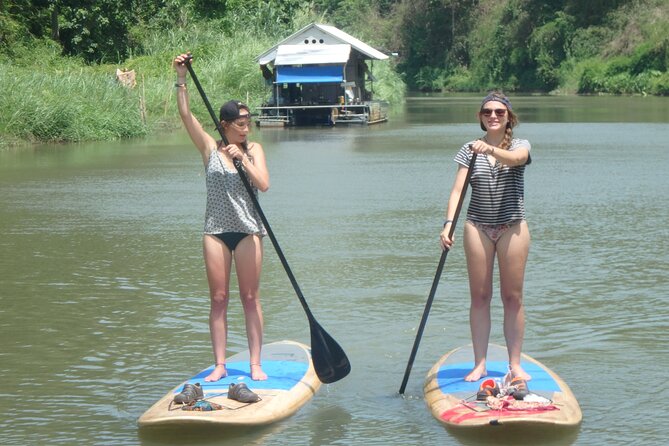
- Calm Class 1 river: The easy current suits first-time paddle boarders, with the option to sit or kneel when standing gets tiring.
- Mae Taeng Forest setting: You travel north to a quiet section of the Mae Ping River with a good chance to spot birds and other wildlife.
- Paddle board or kayak: You can choose a stand up paddle board or use a kayak, and your guide may suggest changing if conditions or fatigue call for it.
- Small-group format: The experience is designed for a small group. The booking information gives a maximum of five people, while the tour description says 10 or fewer, so confirm the exact size when booking.
- Lunch is included: The meal is served at a rustic restaurant at a mango plantation, but the late schedule makes a snack wise.
- Useful practical extras: Life vests and helmets are supplied, and water shoes in sizes 40 to 45 may be available. Waterproof phone bags can be bought at the shop.
Leaving Chiang Mai for the Mae Ngat Valley
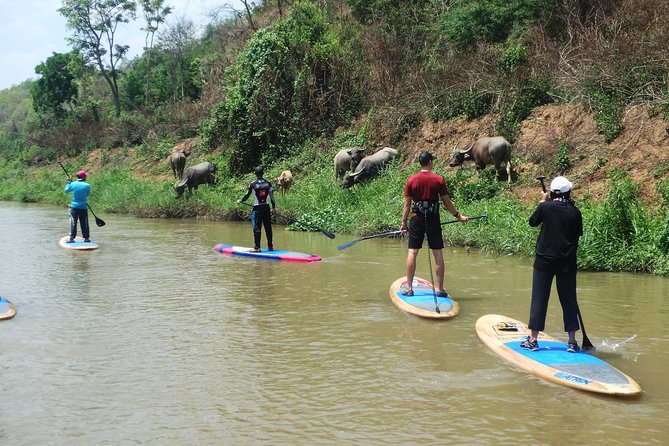
Pickup begins at about 8:30 am from hotels in the Chiang Mai area. You travel with your group to the paddle board shop first, then continue north for roughly an hour toward the Mae Ngat valley.
That drive is part of the experience, not just a transfer. Chiang Mai has plenty of easy city excursions, but this one takes you into a quieter rural setting where the river is the main attraction. You should expect the morning to unfold slowly rather than rush from one sight to another.
The provider asks you to bring swimming clothes and a complete dry outfit. Water shoes are useful because you may need to walk at the river edge, and the shop may provide suitable pairs in sizes 40 to 45. A dry bag or waterproof phone pouch is also sensible. Waterproof phone bags can be purchased at the shop, but I would not count on every small personal item staying dry without protection.
Bring sunscreen and reapply it regularly. One person who had paddled on the ocean found the river current easier to manage, but that does not mean you can forget the sun. You will spend several hours outdoors, often with the water reflecting light back toward you.
More Mae Kampong Village Trips from Chiang Mai:
- Chiang Mai: The Giant Café & Mae Kampong Village Day Trip
★ 4.8 · 207 reviews - From Chiang Mai: Mae Taeng Valley and Waterfalls Cycle Tour
★ 4.9 · 159 reviews - Chiang Mai Rafting in Mae Taeng River with Thai Buffet
★ 5.0 · 60 reviews
Learning the basics before the river run
At the shop, you receive an introduction to stand up paddle boarding. This is useful even if you have tried SUP before, since river paddling differs from working across ocean waves. You need to read the current, steer around the river’s shape, and keep enough attention on the route to avoid drifting into the bank.
If standing on a board does not appeal to you, choose a kayak instead. This is not a token alternative. One guide, Aidan, advised a participant to combine kayaking with SUP because standing and paddling for a long stretch can be tiring. That flexibility makes the outing more approachable for mixed-ability groups and for anyone trying paddle boarding for the first time.
You do not need advanced technique. The river section is described as Class 1, with a gentle current and easy maneuvering. Still, the board requires balance and steady effort. Beginners may learn quickly, but staying upright for a couple of hours can work your legs, back, and shoulders.
The practical approach is to start standing if you want the full SUP experience, then sit or kneel when your muscles need a break. You are not expected to prove anything. The guide can offer paddling advice and help you adjust your position as you go.
Safety gear and a calm Class 1 current
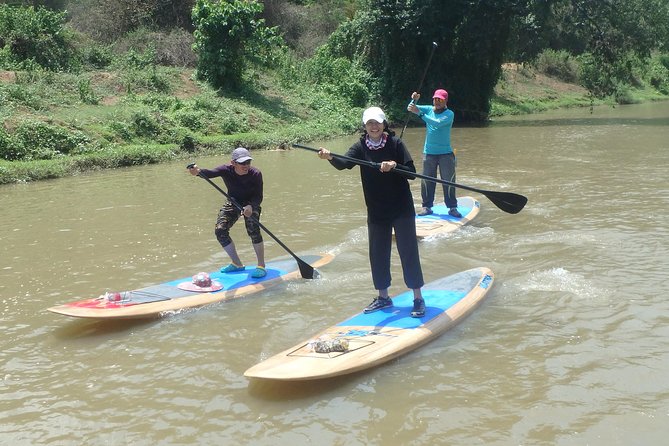
Before setting off, you receive a safety briefing and collect the required equipment. That includes an inflatable paddle board or kayak, paddle, life vest, and helmet. Bottled water is also included.
The calm water is the reason this trip works for beginners. The Mae Ping here is slow-moving, and the gentle current gives you time to steer and correct your balance. You might still fall in, especially while learning, so swimwear and dry clothes are not optional comforts.
Seasonal river conditions can vary. The trip description says the water is normally suited to boarding and kayaking, but the guide has the final say on how to use the equipment. If standing becomes uncomfortable or the river is less cooperative, sitting or kneeling on the board is allowed.
I appreciate this low-pressure approach. A first SUP outing should teach you how to control the board, not turn into a contest. You can focus on small improvements: a smoother stroke, a straighter line, or a better sense of how the current moves you.
The supplied boards are suitable for beginners weighing up to 220 pounds, or 100 kilograms. If you are above that limit, contact the operator before booking rather than assuming the equipment will fit.
Paddling through Mae Taeng Forest Reserve
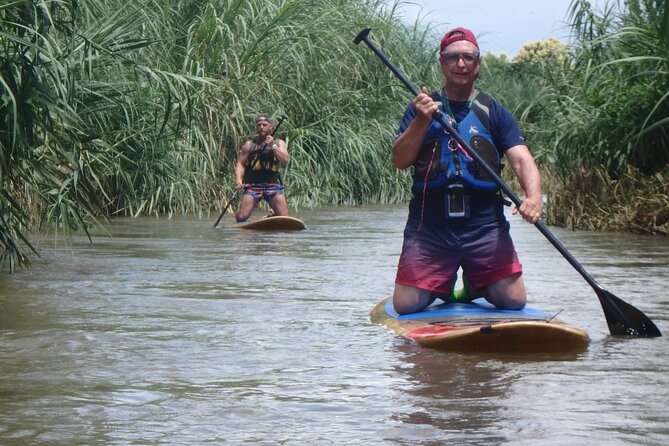
Once you launch, the route follows the Mae Ping River through the Mae Taeng Forest Reserve. The attraction here is not a list of formal stops. It is the steady rhythm of moving water, forested banks, and open time to watch for birds and other wildlife.
The guide leads from the front and shares advice about navigating the easy current. You may find the quiet stretches more memorable than any single view. Paddle boarding slows you down enough to notice the river’s bends and the small changes along the bank.
This is also where the tour differs from a standard sightseeing drive. You are not looking at the forest through a vehicle window. You are part of the river route, using your own effort to move through it. That makes the outing active without requiring difficult whitewater skills.
Keep expectations sensible. This is not a wildlife safari, and no particular animal sighting is guaranteed. The supplied information specifically points to birds and other wildlife, so bring patience rather than a checklist. A waterproof phone bag can help if you want photos, but keep your phone secure and pay attention to the water.
The paddle section is described as lasting about two hours in one account, while the full outing takes roughly four hours plus transport. Time on the river can depend on conditions, group pace, and how often you stop. Ask your guide about the expected water time if you need to plan the rest of your day.
More Kayaking Trips around Chiang Mai:
- No.1 Full-Day Chiang Mai Caving & Jungle Kayaking: Chiang Dao
★ 4.5 · 206 reviews - Chiang Mai: Ping River Night Kayaking into City Center
★ 4.8 · 144 reviews - Chiang Mai : Kayak the Jungle Rivers of Chiang Dao Valley!
★ 5.0 · 89 reviews - Chiang Mai: Kayak Under the Stars – 6 km to the Heart of the City
★ 4.5 · 53 reviews
Why the kayak option matters
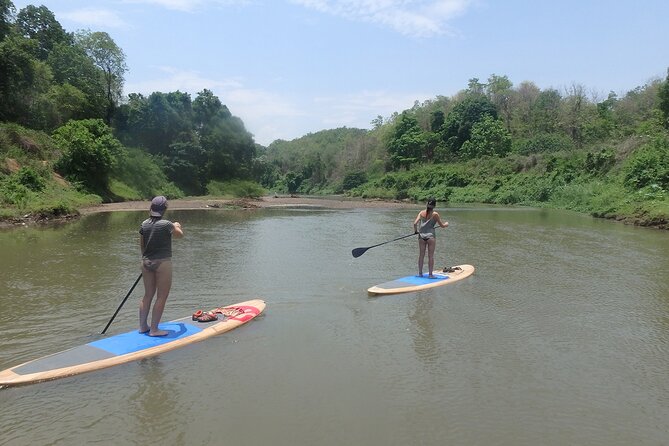
The kayak choice adds real value at this price. Stand up paddle boarding looks easy from the bank, but even a mild river can make standing for a long time tiring. A kayak gives you a more stable seat and lets you keep enjoying the forest without using the same balance muscles.
You can also treat the two craft as different ways to experience the same river. Start with SUP while your energy is fresh, then change to a kayak if your legs or shoulders need relief. The guide may recommend that kind of combination, as Aidan did for one outing.
The kayak option is especially useful if people in your party have different interests. One person can try SUP while another chooses a kayak. The tour is not limited to experienced paddle boarders, and the instruction is intended for all skill levels.
You should still have a moderate level of physical fitness. The tour involves transfers, carrying or handling equipment, paddling, and time outdoors. It is not described as a passive boat ride.
A late lunch at a mango plantation
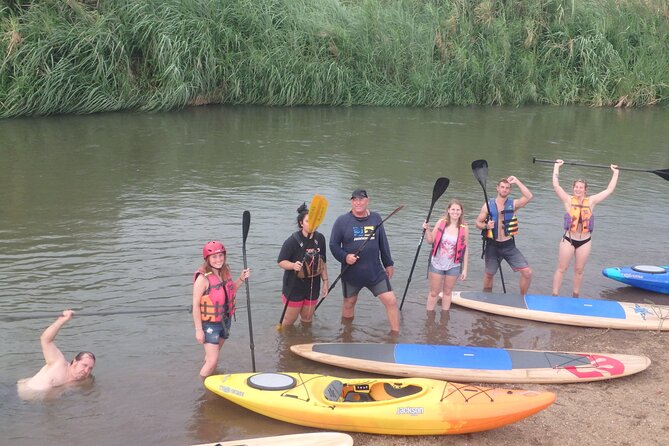
When the river portion ends, you go ashore for lunch at a rustic restaurant at a mango plantation. This gives the day a local, rural finish and means you do not need to arrange a separate meal immediately after paddling.
The timing deserves careful attention. One outing had lunch at about 3 pm, which is late for many people. Eat a proper breakfast and pack a snack that can handle heat and a little movement. The included lunch is a benefit, but it should not be your only food plan for the morning.
There is no detailed menu provided, so do not book this specifically for a particular dish. Think of lunch as a useful part of the package and a chance to rest after the river. The plantation setting should appeal to you if you prefer a simple local stop to a polished resort meal.
After lunch, the tour returns you to your Chiang Mai hotel. Pickup and drop-off are included, which matters because the Mae Ngat valley is well outside the city center. You avoid arranging a separate driver and can relax after a day involving water and exercise.
Price, group size, and what you receive
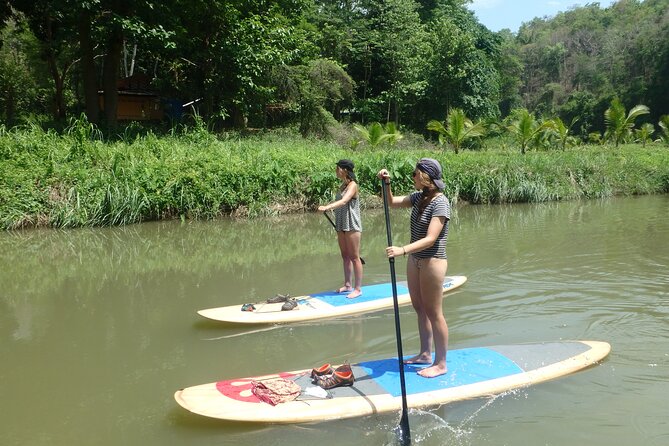
At $71.98 per person, the price is reasonable if you use the included parts. You are paying for hotel transport, a professional river guide, paddle board or kayak hire, safety equipment, bottled water, lunch, and a half-day away from Chiang Mai.
The value is strongest for first-time paddlers. Buying or arranging separate transport to the river would add both cost and planning. You also receive instruction, which is more useful than simply hiring a board and trying to work out the current alone.
Group size affects that value. The tour is marketed as small-group, with one section allowing 10 or fewer people and the additional booking information giving a maximum of five. Since those figures do not match, ask for the confirmed group size before paying if personal attention is important to you.
Small groups can make it easier to get advice and change between SUP and kayak. They can also make the pace feel less rushed. If you are lucky enough to have a private departure, the guide may be able to adapt the day closely to your schedule and ability, but you should not assume a private trip unless it is confirmed.
The activity is generally booked about seven days ahead. That is a useful planning guide, not a rule. If your dates are fixed, reserve early enough to allow for pickup details and weather or schedule changes.
Who should book this river outing
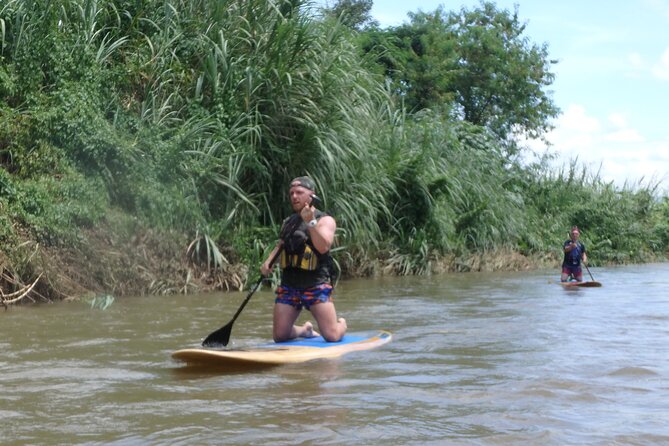
I would point beginners toward this trip first. The Class 1 current, instruction, safety gear, and option to sit or kneel remove much of the intimidation from SUP. You can try standing without committing to difficult rapids.
It also suits you if you want a nature-focused half-day rather than another city attraction. The forest reserve, slow river, and chance to look for birds create a peaceful break from Chiang Mai’s streets.
Active couples, friends, and families with suitable fitness levels can all consider it. The kayak alternative helps when not everyone wants the same level of balance work. Service animals are allowed according to the activity information.
I would hesitate if you dislike early starts, long vehicle transfers, outdoor heat, or uncertain lunch timing. I would also check the weight limit and equipment sizing before booking if either could affect your comfort.
Practical packing advice
Bring:
- Swimming clothes and a full dry change of clothes
- Sunscreen, with enough to reapply during the day
- Water shoes if you have them
- A snack for the long morning
- A waterproof phone bag or dry bag
- A passport number for the insurance identification requested at check-in
Wear items that can get wet. Keep valuables to a minimum, and use the shop’s waterproof storage options if needed. Life vests and helmets are provided, along with the board or kayak and paddle.
Pickup details can require a little care. If your accommodation does not appear in the booking pickup list, enter the exact address and add instructions. The operator confirms the pickup time, and you should check your email for morning instructions.
Cancellation is free up to 24 hours before the local start time for a full refund. Changes or cancellations inside that window are not accepted for a refund.
Should you book the Mae Ping paddle trip?
Book it if you want a gentle introduction to SUP, a quiet river setting, and a day that includes transport, gear, guidance, and lunch. The kayak option is a major advantage, and Aidan’s flexible approach shows how the outing can adapt when standing becomes tiring.
Think twice if you want a short activity close to central Chiang Mai, a guaranteed wildlife encounter, or an early lunch. The road trip takes time, the meal may not arrive until around 3 pm, and the river still demands moderate physical effort.
For most beginners who plan ahead with sunscreen, dry clothes, water shoes, and a snack, this is a well-priced way to trade city sightseeing for a few peaceful hours on the Mae Ping River.
FAQ
How long does the experience last?
The activity lasts about four hours, not including any variation in hotel pickup and return timing. The drive north to the Mae Ngat valley takes about one hour.
What time does pickup begin?
The stated start time is 8:30 am. Your exact pickup time is confirmed according to your accommodation and the operator’s instructions.
Is hotel pickup and drop-off included?
Yes. Hotel pickup and drop-off in the Chiang Mai region are included.
Can I choose a kayak instead of a paddle board?
Yes. You can choose a kayak instead of an inflatable stand up paddle board. Your guide may also advise switching between the two if needed.
Is this suitable for a beginner?
Yes. The river has an easy Class 1 current, instruction is provided, and you may sit or kneel on the board. A moderate level of physical fitness is still required.
What safety equipment is supplied?
A life vest and helmet are supplied, along with the paddle board or kayak and other required equipment.
What should I bring?
Bring swimming clothes, dry clothes, sunscreen, and, if possible, water shoes. A snack and waterproof phone bag are also useful. Water shoes in sizes 40 to 45 may be provided, and waterproof phone bags can be purchased at the shop.
What is the cancellation policy?
You can cancel at least 24 hours before the local start time for a full refund. Cancellations or changes made less than 24 hours before the start are not accepted for a refund.
Newly reviewed around Chiang Mai
- Workshop Making Herbal ball & herbal inhaler★ 4.3 · 3 reviews
- Chiang Mai Zipline White Water Rafting and Elephant Sanctuary★ 4.0 · 11 reviews
- Walk With Monks Collecting Alms(meeting point maybe change)★ 4.9 · 8 reviews
- Trek to a Jungle Waterfall★ 5.0 · 14 reviews
- Zipline+Sticky waterfall+Long Neck Village Private Tour★ 5.0 · 22 reviews
- Meditation Retreat and Self-Care in Nature★ 5.0 · 4 reviews
- Full Day Yoga, Meditation, and Thai Cultural Immersion in Chiang Mai★ 5.0 · 3 reviews
- Long Neck Village, White & Blue Temple, Black House Day Tour From Chiang Mai★ 4.0 · 14 reviews
Mae Kampong Village Tours, compared.
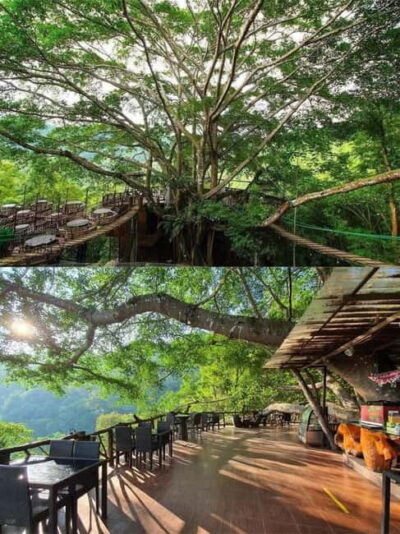

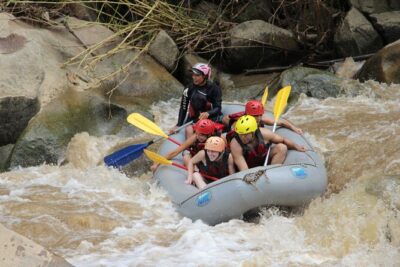
Chiang Mai Rafting in Mae Taeng River with Thai Buffet
Read our review →
Full-Day Trekking and Sightseeing Tour in Mae Kampong
Read our review →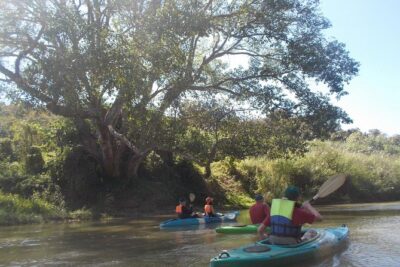
No.1 Chiang Mai: Leisure River Kayaking: Mae Taeng forest Reserve
Read our review →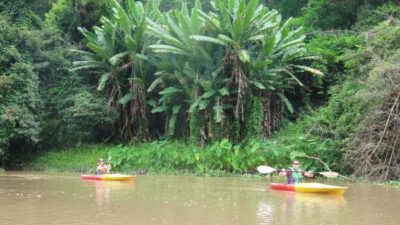
Sticky Waterfall Chiang Mai and Mae Ngat Boat Tour
Read our review →
3D2NTrek Adventure at Chiang Mai Mea Wang Including Overnight at Karen Hilltribe
Read our review →Browse the lists this tour appears in