
Reviewed · CHIANG MAI KHANTOKE DINNER SHOWS
Chiang Mai Traditional Khan Toke Meal & Cultural Performance
Chiang Mai’s best cultural evenings often begin with food, and this one starts before dinner at Muang Mai Market, where tropical fruit, herbs, and vegetables move through the city’s biggest wholesale market. I like that you see the ingredients and local shopping culture first, then taste northern dishes at the Old Chiang Mai Cultural Center. The two-hour dinner show also gives you a comfortable, organized way to see several traditional dances in one night.
I especially like the market visit and the generous meal, with dishes such as nam prik ong, gaeng hang lay, crispy pork skin, and sticky rice. Guides such as Mr. Tui, Paul, and Mr. Thanu have been singled out for clear explanations and friendly help. The main drawback is that this is a planned cultural show rather than a small, intimate village performance, and extra drinks cost more.
Key points to know before booking
- Muang Mai Market comes first: Spend about 30 minutes seeing where Chiang Mai restaurants and homes buy fresh produce.
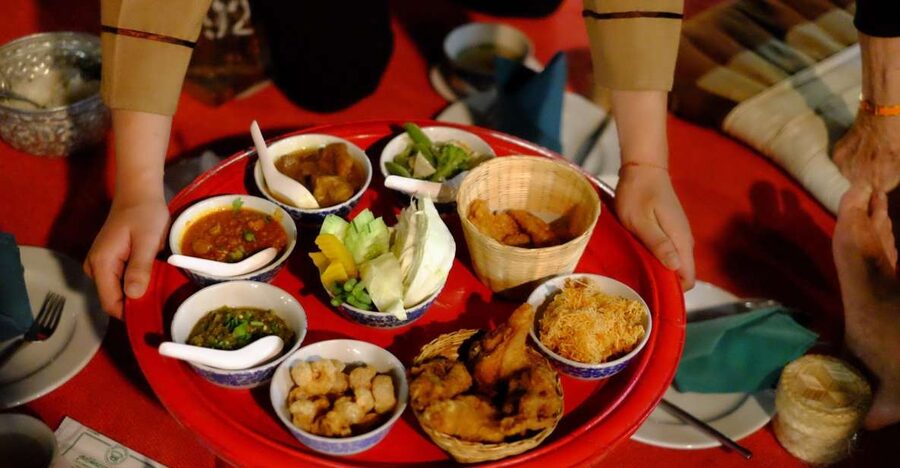
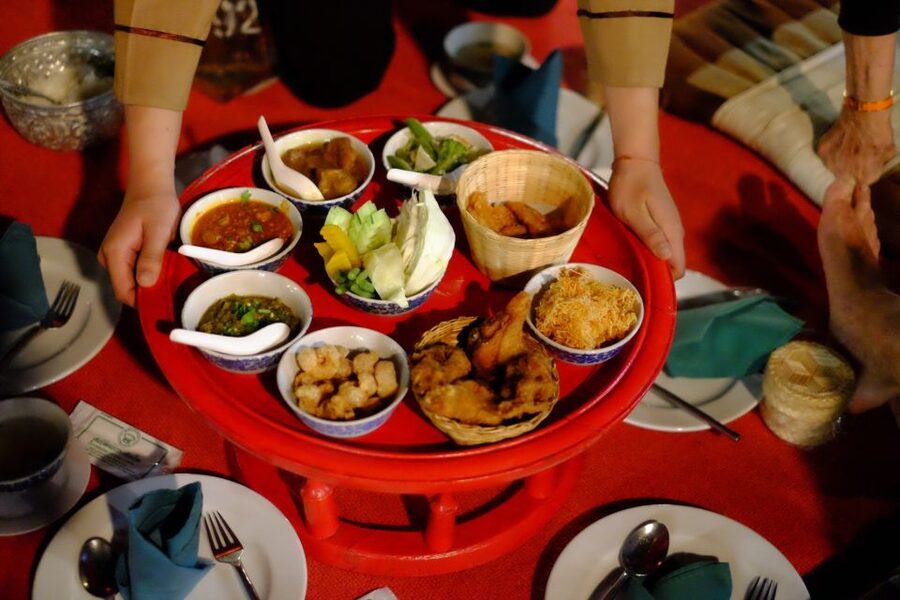
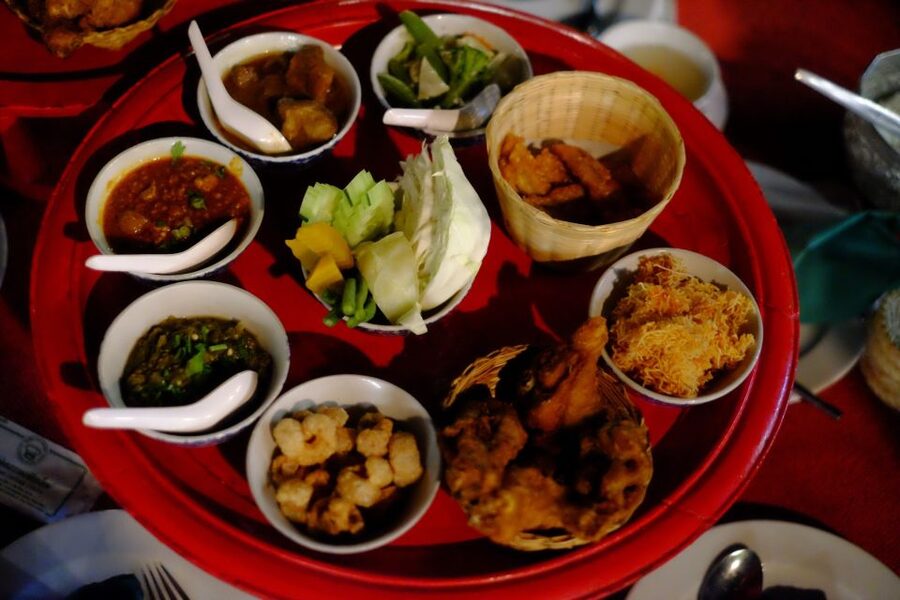
- The Khan Toke meal is plentiful: Northern favorites are served on a small round pedestal tray, with herbal juice and water included.
- Four traditional dances anchor the show: Expect fingernail, sword, candle, and Ramwong folk dancing.
- Guides add useful context: Mr. Tui, Paul, and Mr. Thanu have led departures with strong explanations of local food and customs.
- Central pickup keeps the evening easy: Hotel transport is included within 6 kilometers of the Three Kings Monument.
- Allow for a few limitations: The tour is not suitable for people with back or mobility problems, and vegetarian or Halal dishes must be requested in advance.
Muang Mai Market before dinner
The evening begins around 5:00 PM with pickup from your hotel in central Chiang Mai. The included pickup area covers hotels within 6 kilometers of the Three Kings Monument, and transport is by a nine-seat air-conditioned van. That small van format is useful for an evening tour because you avoid arranging taxis between several stops, though space can feel limited if the vehicle is full.
Muang Mai Market is the first real stop. You spend about 30 minutes walking through a wholesale market that supplies much of the city’s food trade. This is not a polished food hall built for sightseeing. It is a working market, with stacks of fruit, bundles of herbs, vegetables, and other fresh goods arranged for local buyers.
That distinction matters. You see produce in the setting where it is bought and sold, rather than only meeting it on a restaurant plate. The market helps explain why northern Thai cooking uses so many fresh herbs, vegetables, chilies, and sauces. It also gives you a quick look at the everyday business that keeps Chiang Mai’s restaurants and households supplied.
Your guide is an important part of this stop. Past departures have included guides named Mr. Tui and Paul, who explained unfamiliar fruits and local foods and helped with tasting choices. You may have time to buy or try some produce, but do not expect a full market meal or a long shopping session. Thirty minutes is enough for an introduction, not enough to inspect every aisle.
Wear shoes that can handle a damp market floor and comfortable clothes suitable for walking. The market is a working place, so keep your belongings close and follow your guide through the busier areas. The tour does not permit pets.
More Khantoke Dinner Shows in Chiang Mai:
- Chiang Mai: Khan Toke Traditional Meal & Dancing Performance
★ 4.5 · 864 reviews - Traditional Khantoke Dinner and Show from Chiang Mai
★ 3.5 · 103 reviews - Chiang Mai: Khum Khantoke Northern Thai Cuisine and Show
★ 4.3 · 38 reviews
The Old Chiang Mai Cultural Center and Khan Toke tradition
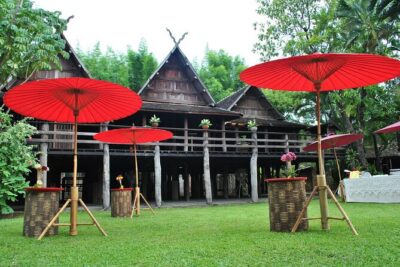
After the market, the van takes you to the Old Chiang Mai Cultural Center. You spend about two hours here, combining dinner with a program of northern Thai entertainment. The center’s role is to preserve and present Lanna culture, the heritage associated with northern Thailand.
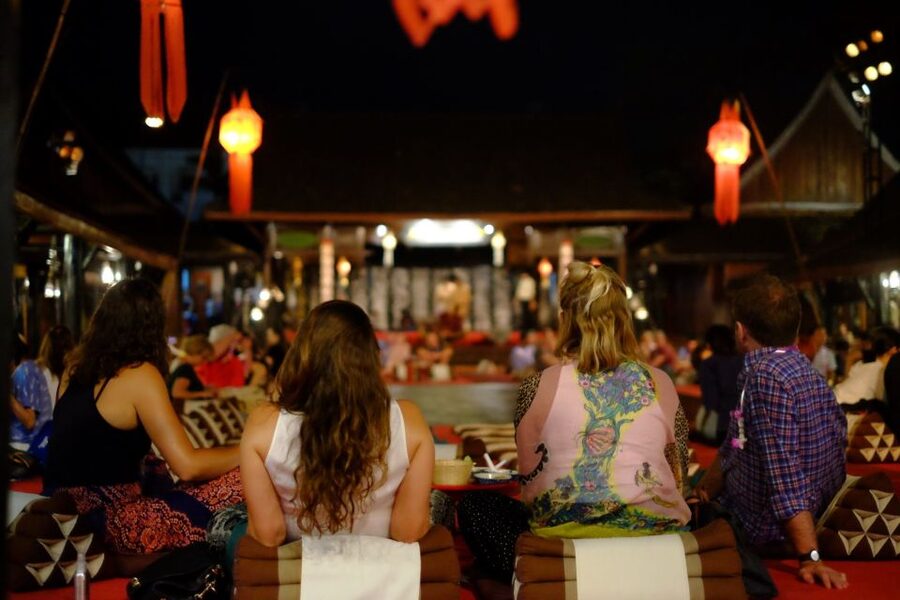
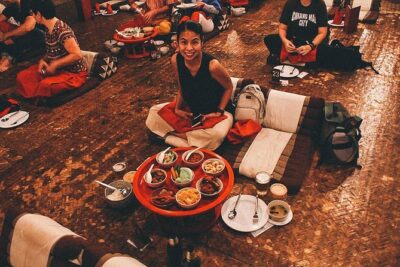
The meal is served in the Khan Toke style. A Khan Toke is a low, round pedestal tray used to hold several dishes, with diners seated around it. The format reflects the northern Thai idea of sharing food and hospitality. It is not simply a buffet or a standard restaurant dinner, so the presentation gives the meal a clear cultural setting.
The menu includes several familiar northern specialties:
- Nam prik ong, a spicy pork and tomato dip
- Gaeng hang lay, a northern-style curry
- Crispy pork skin
- Sticky rice
- Other accompanying dishes served as part of the food set
You choose from the available self-service food set, then eat from the shared Khan Toke arrangement. The meal is described as plentiful, and bowls may be refilled during the dinner. That makes the $48 price easier to justify, especially since transportation, the guide, the show, herbal juice, water, and travel accident insurance are included.
The food is a strong part of the evening, but do not expect every dish to suit every palate. Some dishes can be hot, and one past party found the spice level too strong for part of the group. If you enjoy northern Thai flavors, this is a useful sampler because you can try several dishes instead of ordering one main course. If you prefer mild food, ask your guide about the less spicy choices.
Vegetarian and Halal-friendly dishes are available, but you need to request them in advance. The listed meal includes herbal juice and water. Additional drinks and food are not included, and drinks can add noticeably to the final cost.
Four dances that explain northern Thai culture
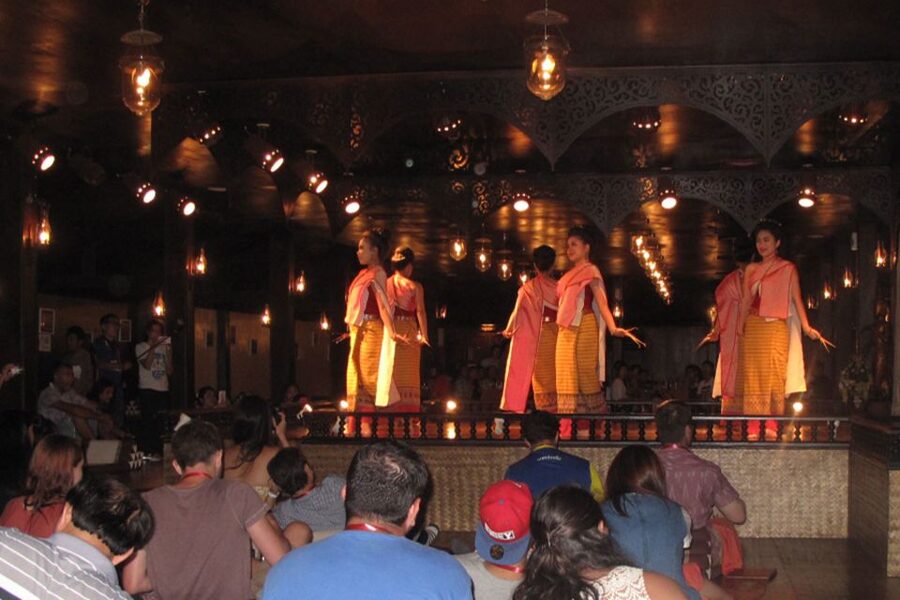
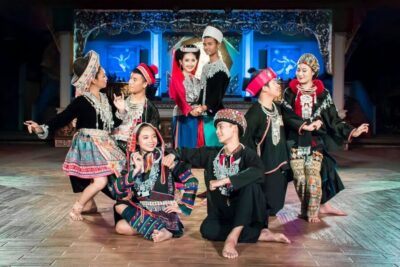
The entertainment is the heart of the cultural center portion. The program features artists from five local hill tribes and presents several northern Thai dance traditions. Each number has a different mood, so the program does not feel like one long repetition of the same choreography.
The Thai Fingernail Dance is usually the most visually striking. Dancers wear long golden fingernails and make careful, graceful hand movements. The extended nails turn even small gestures into part of the performance. You need only a short introduction to understand why this dance is so closely associated with northern Thai presentation.
The Thai Sword Dance changes the pace. It focuses on agility, strength, and the controlled handling of swords. This is the most physical part of the program and gives the evening some contrast after the quiet movements of the fingernail dance.
The Thai Candle Dance uses lit candles as part of the choreography. The candlelight creates a more subdued performance, with dancers moving slowly and carefully. Since the room becomes part of the visual effect, this section works best if you are paying attention rather than treating the show as background entertainment during dinner.
The program also includes Ramwong, a Thai folk dance with a communal character. It is less formal in feeling and helps show how dance can bring people together, not just display technical skill. One past departure included audience participation, allowing diners to join a dance routine. That participation is not something I would count on at every performance, but it can make the evening more fun if it occurs.
The cultural program is designed for a broad audience. Children can follow the bright costumes and movement, while adults get a short introduction to northern Thai performance traditions. At the same time, you should set your expectations correctly. This is a staged presentation in a cultural center, not an unscripted village celebration. Its strength is convenience and variety.
What the guide adds to the evening
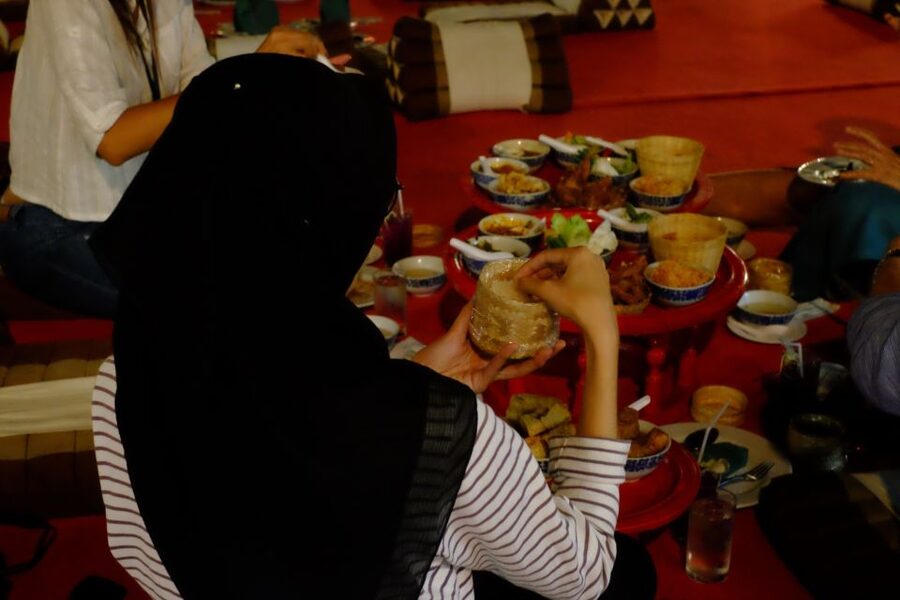
A guide can turn this from dinner with dancing into a more useful introduction to Chiang Mai. At the market, you need someone to identify unfamiliar produce, explain how the wholesale trade works, and point out foods that you might otherwise walk past.
At dinner, the guide can connect each dish to northern Thai cooking. Mr. Tui has been praised for explaining the food, while Paul has provided detailed context about local culture. Mr. Thanu, a former monk, has also led the evening with explanations that connect the meal and performances to wider Thai traditions.
The guide also helps with practical matters. You can ask about the spicier dishes, vegetarian or Halal substitutions, and the order in which to sample the food. If you are unsure how to eat sticky rice or combine the dips and curries, this is the time to ask. A good guide makes the meal feel less like a set menu and more like a lesson you can eat.
English is the tour language. Pickup and drop-off are provided within central Chiang Mai, which makes the evening simple for people staying near the old city. Hotels outside the central zone can still be served, but extra charges apply: THB 500 for 6 to 15 kilometers from the center, and THB 1,000 for 16 to 30 kilometers.
A different kind of day out of Chiang Mai altogether:
- Half-Day Thai Cooking Class at Organic Farm in Chiang Mai
★ 5.0 · 19,087 reviews - Chiang Mai: Elephant Sanctuary, Waterfall & Bamboo Rafting
★ 4.9 · 9,160 reviews - Chiang Mai: Doi Inthanon National Park Eco-Friendly Tour
★ 4.6 · 6,667 reviews - Chiang Mai: Elephant Sanctuary & Waterfall Group Tour
★ 4.9 · 5,780 reviews
Is $48 good value?
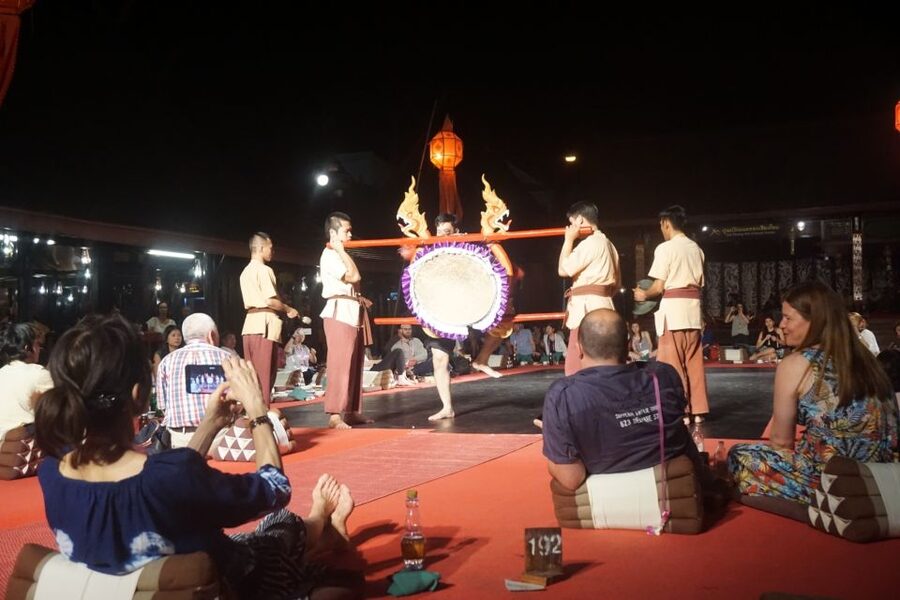
At $48 per person, this tour sits above the cost of an ordinary local dinner, but it covers much more than food. You receive hotel transportation in a nine-seat air-conditioned van, an English-speaking guide, the market visit, a two-hour cultural center program, the Khan Toke dinner, herbal juice, water, and travel accident insurance.
The value is strongest if you want a single evening that handles several details for you. You do not need to arrange a taxi to the market, find the cultural center, choose dishes from an unfamiliar menu, or figure out where to watch traditional performances. The combination is particularly useful early in a Chiang Mai stay, when you want an easy introduction to northern food and culture.
The value is weaker if your priority is a quiet, independent meal or a small performance with little staging. You are paying for structure, transport, explanations, and a set cultural program. Extra drinks are not included, and you may spend more if you order them at the center.
Free cancellation is available up to 24 hours before the experience, and you can reserve now while paying later. That flexibility helps if your Chiang Mai schedule is still changing.
Who will enjoy this Chiang Mai evening?
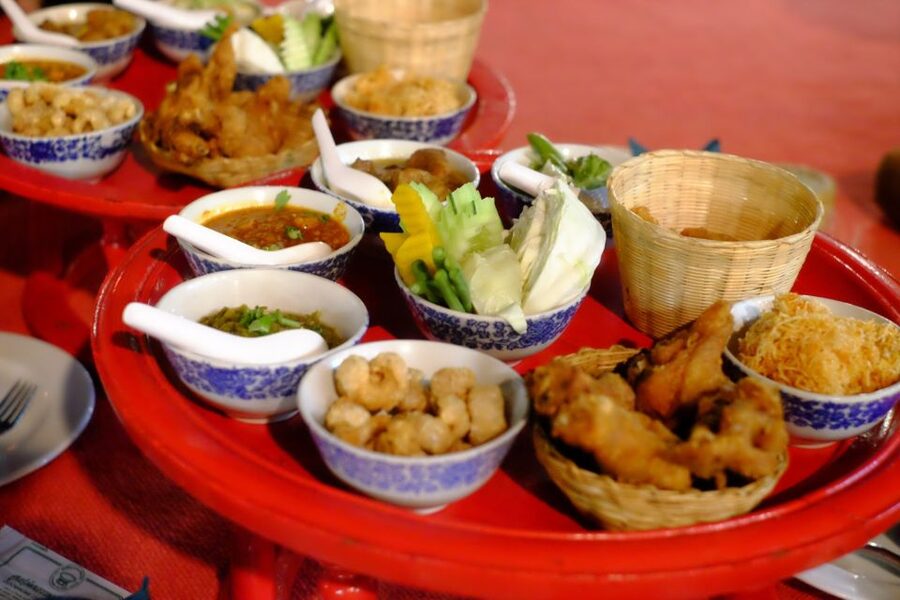
I would recommend this experience to first-time visitors who want a clear introduction to northern Thai food. It also suits families and mixed-age groups because the evening combines a short market walk, a filling meal, music, dance, and colorful costumes.
Food-focused visitors should find the format useful. You can sample several northern dishes instead of committing to one unfamiliar order, and the guide can explain what you are eating. People who enjoy photography may also appreciate the market produce and performance costumes, though you should follow the venue’s rules about photography and not let photos distract from the show.
The tour is less suitable for anyone with back problems or limited mobility. The market involves walking, and the Khan Toke format can involve low seating or floor seating, though seating arrangements may vary. Ask about your seating needs when booking rather than assuming the setup will suit you.
This is also not the best choice for someone seeking a long, in-depth visit to Muang Mai Market. The market portion lasts about 30 minutes, so it works as an introduction before dinner rather than a major market tour.
Timing, clothing, and practical details
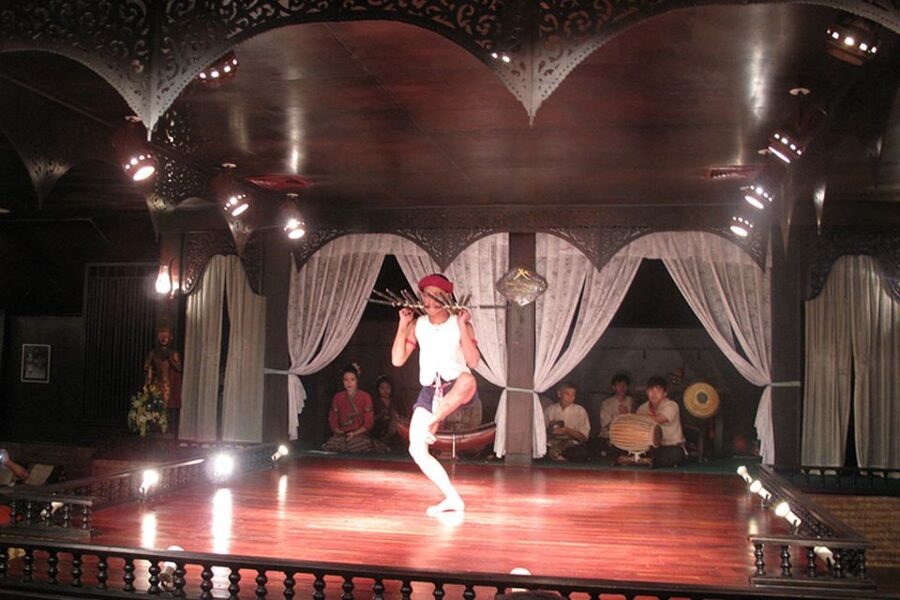
Plan on a four-hour evening, from the 5:00 PM pickup to a return around 9:00 PM. The exact pace depends on hotel pickups and traffic, so keep the rest of your night flexible.
Wear comfortable clothes and shoes. You will walk through a working market, then spend a substantial part of the evening eating and watching performances. Loose, practical clothing is a better choice than formal wear.
Tell the operator about vegetarian or Halal requirements before the tour. Do not wait until you sit down, since special dishes need advance notice.
The experience has a 4.7 rating from 55 bookings, with transport receiving a perfect score from 87 percent of participants. The strongest praise centers on the guides, the generous food portions, and the quality of the cultural show. The most useful caution is equally clear: some dishes are spicy, drinks cost extra, and the performance is a polished group presentation rather than a private cultural encounter.
Should you book the Khan Toke evening?
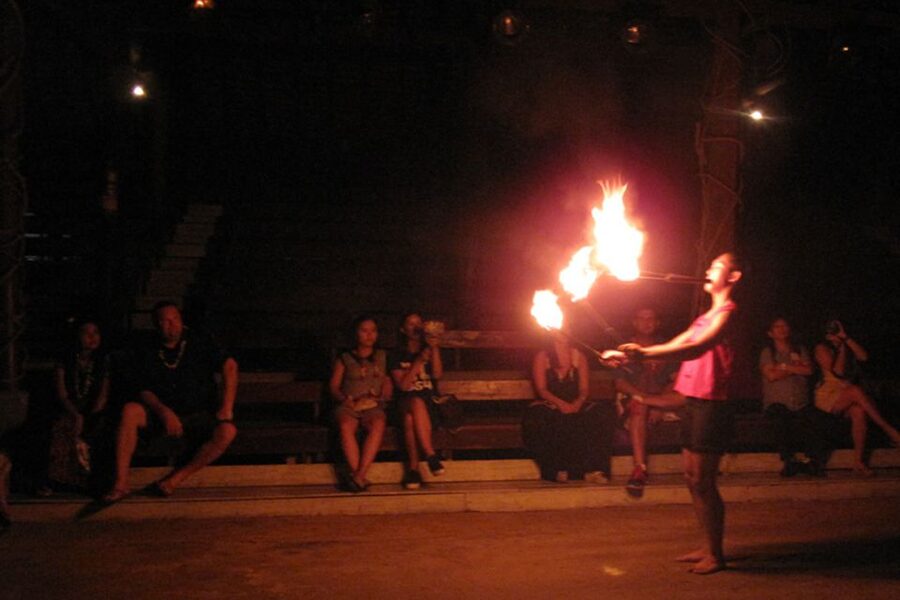
Book it if you want a well-organized introduction to Chiang Mai in one evening. The Muang Mai Market stop gives the dinner some local context, while the Khan Toke meal and four dance styles provide a lively look at northern traditions. The included transport and guide make the $48 price reasonable for a first or second night in the city.
Skip it if you dislike scheduled group activities, low or floor-style seating, or staged cultural shows. You may also prefer an independent restaurant if you want complete control over spice levels, drinks, and dining time.
For most first-time visitors who want good food, helpful explanations, and an easy cultural night, this is a practical choice. Request special dietary meals in advance, wear comfortable shoes, and arrive ready to try several dishes rather than searching for one familiar plate.
FAQ
What time does the experience begin?
Hotel pickup begins at approximately 5:00 PM, and the full experience lasts about four hours.
What time will I return to my hotel?
The scheduled return is around 9:00 PM, although traffic and hotel drop-offs can affect the exact time.
Is hotel pickup included?
Yes. Pickup and drop-off are included for hotels in central Chiang Mai within 6 kilometers of the Three Kings Monument.
Can hotels outside the city center receive pickup?
Yes, but extra charges apply. The fee is THB 500 for hotels 6 to 15 kilometers from the center and THB 1,000 for hotels 16 to 30 kilometers away.
What type of transportation is used?
Transportation is provided in a nine-seat air-conditioned van.
What food is served at the Khan Toke dinner?
The meal can include nam prik ong, gaeng hang lay, crispy pork skin, sticky rice, and other northern Thai dishes served as a food set.
Are vegetarian or Halal meals available?
Yes. Vegetarian and Halal-friendly dishes are available, but you must request them in advance.
Are drinks included?
Herbal juice and water are included. Additional drinks and food are not included.
What performances are included?
The program includes Thai fingernail dance, Thai sword dance, Thai candle dance, and Thai folk dance, also called Ramwong. Performers represent five local hill tribes.
Is the tour suitable for people with mobility or back problems?
No. The experience is listed as unsuitable for people with back problems or mobility impairments.
Can I cancel the booking?
You can cancel up to 24 hours in advance for a full refund. You can also reserve now and pay later.
Newly reviewed around Chiang Mai
- Workshop Making Herbal ball & herbal inhaler★ 4.3 · 3 reviews
- Chiang Mai Zipline White Water Rafting and Elephant Sanctuary★ 4.0 · 11 reviews
- Walk With Monks Collecting Alms(meeting point maybe change)★ 4.9 · 8 reviews
- Trek to a Jungle Waterfall★ 5.0 · 14 reviews
- Zipline+Sticky waterfall+Long Neck Village Private Tour★ 5.0 · 22 reviews
- Meditation Retreat and Self-Care in Nature★ 5.0 · 4 reviews
- Full Day Yoga, Meditation, and Thai Cultural Immersion in Chiang Mai★ 5.0 · 3 reviews
- Long Neck Village, White & Blue Temple, Black House Day Tour From Chiang Mai★ 4.0 · 14 reviews
Chiang Mai Khantoke Dinner Shows, compared.
Khan Toke Traditional Meal & Dancing Performance
Read our review →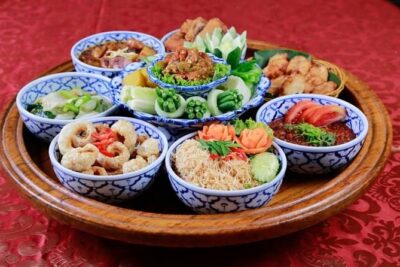
Traditional Khantoke Dinner and Show from Chiang Mai
Read our review →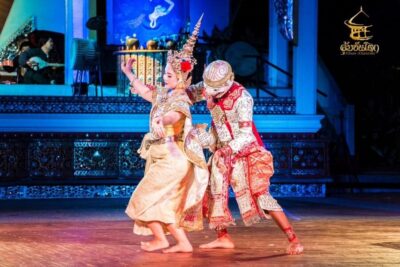
Khantoke Dinner and Cultural Show At Old Chiang Mai Cultural Center
Read our review →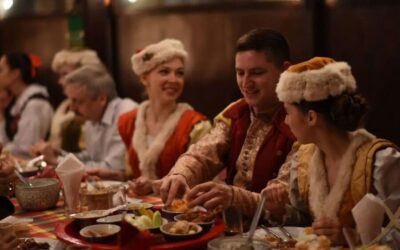
Khantoke Dinner Experience & Cultural Dance Show with Transfers
Read our review →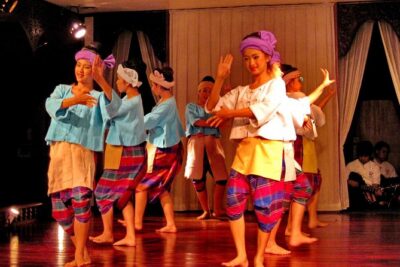
Traditional Khum Khantoke Dinner & Dance Show at Chiang Mai with Return Transfer
Read our review →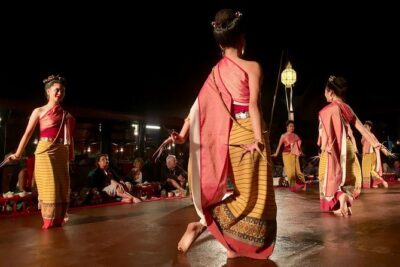
Traditional Khum Khantoke Dinner from Chiang Mai with Cultural Dance Show
Read our review →Browse the lists this tour appears in