
Reviewed · CHIANG RAI DAY TRIPS
Full-Day Chiang Rai Temples Tour from Chiang Mai with Hot Spring
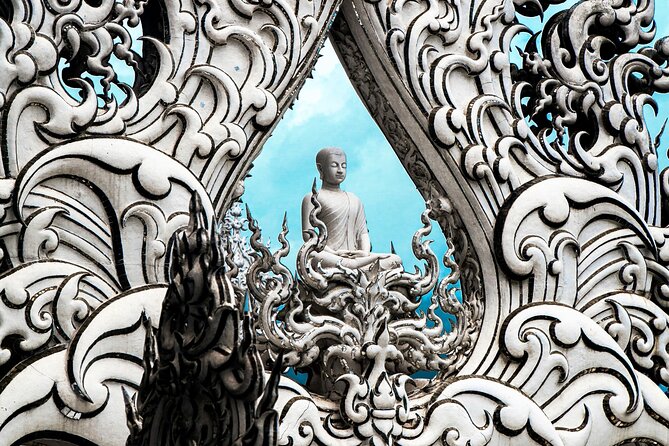
Chiang Rai’s White Temple is the star here: a dazzling work of white plaster and mirrored glass that looks almost unreal beside its pond. This 11-hour trip also takes you to the blue-painted Wat Rong Seur Ten and Wat Huai Pla Kang, where a huge Guan Yin statue watches over the countryside.
I like the small maximum group of 12, which should make the long drive and temple walks easier to manage. I also like that the guide explains Buddhist ideas rather than simply pointing out photo stops. Goi, one guide named in the feedback, receives special praise for clear explanations.
The tradeoff is time. Chiang Rai is far from Chiang Mai, so this is a long day on the road. One poor account also described shorter temple visits than expected and an unplanned village stop, so you should be ready for the schedule to shift.
Key points before you book
- White Temple first: Spend about an hour at Wat Rong Khun, Chiang Rai’s most striking modern temple.
- Three major temple stops: See the White Temple, Blue Temple, and Wat Huai Pla Kang, sometimes grouped in tour descriptions as the Red Temple.
- Short hot spring visit: Stop at Mae Khachan Hot Spring for around 15 minutes, but do not expect a swimming break.
- Small-group format: The vehicle carries no more than 12 people, with hotel pickup and drop-off in Chiang Mai.
- Long but efficient day: The tour begins at 7:00 a.m. and lasts about 11 hours.
- Strong overall rating: The experience has a 4.7 rating, with 96 percent recommending it.
Why Chiang Rai makes a worthwhile day trip
Chiang Rai gives you a different view of northern Thailand. Chiang Mai has old city walls, markets, and historic temples. Chiang Rai is better known for bold modern religious art, with buildings that use color, symbolism, and unusual shapes to make a strong first impression.
The distance is the main reason to join an organized trip. Going from Chiang Mai to Chiang Rai and back in one day requires a lot of planning, and a hotel pickup removes the need to find an early taxi or arrange transport between cities. You can use the ride to rest between stops rather than worry about directions.
At $52.63 per person, the value rests on what is included. You receive transport, hotel pickup and drop-off, temple admission, a guide, and several major sights in one day. It is not a slow, private visit, but it is a practical way to see Chiang Rai if you do not have time for an overnight stay.
The group limit matters, too. A maximum of 12 people is more manageable than a large coach group. You still need to keep an eye on the clock, but a smaller group usually makes it easier to hear the guide and regroup after each visit.
More Chiang Rai Day Trips from Chiang Mai:
- Chiang Mai: Chiang Rai Temples, Karen Tribe and Hot Springs
★ 4.7 · 5,401 reviews - Chiang Rai White Temple and Blue Temple Day Tour
★ 4.6 · 3,366 reviews - Chiang Rai Temples: Private Tour from Chiang Mai
★ 5.0 · 1,267 reviews
Mae Khachan Hot Spring: a quick first stop
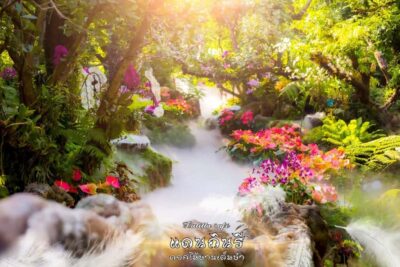
The first stop is Mae Khachan Hot Spring, reached before the White Temple. You have about 15 minutes here, which tells you exactly what to expect: this is a leg-stretching stop, not a spa visit.
The mineral-rich water sends steam into the air, giving you a brief look at one of the region’s natural hot springs. You cannot swim here as part of the tour. Use the time to take a few photos, stretch your legs, and prepare for the main temple visits.
This stop is useful because the trip is long. Still, if you are hoping for a relaxing soak, you may find it disappointing. The short visit is best treated as a pause on the road rather than a major attraction.
Wat Rong Khun and the White Temple
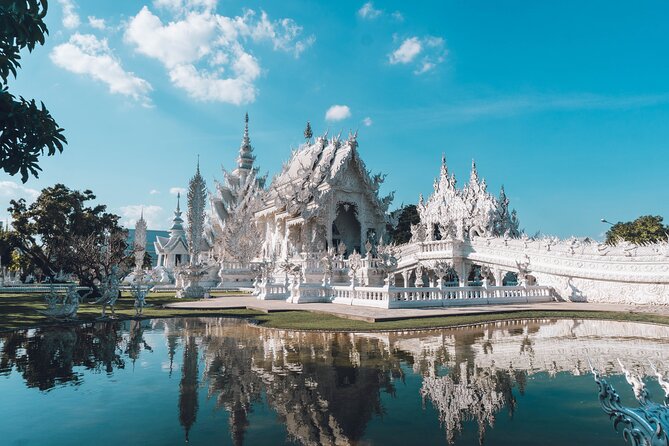
Wat Rong Khun, usually called the White Temple, receives about an hour. It is the most famous stop on the day, and it earns that attention through its unusual design.
The temple is covered in white plaster and mirrored glass. In bright light, the small pieces of glass catch the sun and give the building a sharp, sparkling effect. Its reflection in the pond adds a second layer to the view, so take time to look at the building from more than one angle.
The White Temple is not an old temple in the usual sense. Its modern artistic style is part of its appeal. Instead of a quiet, weathered ruin, you see a carefully designed religious site that uses bright white surfaces and reflective details to suggest purity and light.
You have about an hour, enough for a proper walk around the main areas and time for photographs. The schedule will not give you unlimited time for every detail, so I would avoid spending the entire visit at the first photo point. Look closely at the decorative work, then step back and take in the full building and pond.
The guide adds value here. A good explanation can help you understand why the temple looks so different from the older Buddhist buildings you may have seen in Chiang Mai. The feedback specifically praises Goi for explaining both the temples and Buddhism in general. If Goi is leading your group, you can expect the sort of cultural context that makes the architecture easier to understand.
The White Temple can be busy, and its striking appearance naturally draws cameras. The group format means you may need to follow a meeting time rather than linger wherever you wish. Even so, this is the stop most likely to justify the long drive.
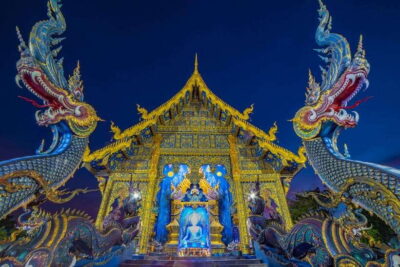
Wat Rong Seur Ten and the Blue Temple
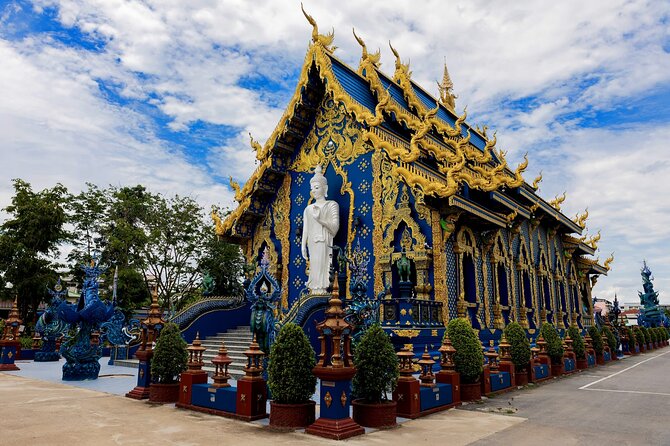
The second major stop is Wat Rong Seur Ten, better known as the Blue Temple. The visit lasts about an hour, giving you enough time to explore its deep blue surfaces and detailed decoration.
Where the White Temple uses white plaster and mirrored glass, the Blue Temple creates its effect through color. The strong blue tones give the building a cooler, more dramatic mood. Its elaborate details make it worth viewing slowly, especially if you have just come from the bright, reflective White Temple.
The temple was built on the site of an older temple. The site is also linked with a local story that roaming tigers once passed through the area. That story adds a little mystery, though the main reason to visit is the design and atmosphere.
I like the contrast between the first two temples. You are not seeing the same building repeated three times. The White Temple feels light and otherworldly, while the Blue Temple uses darker color and dense decoration. Together, they show how modern Thai temple art can take very different forms.
Again, one hour is a useful but fixed amount of time. You can look inside, walk around the exterior, and take photos, but you may not have the freedom to sit quietly for a long period. Keep your watch visible and return to the vehicle on time.
More Spa and Hot Spring Stops around Chiang Mai:
- Chiangmai to Chiangrai: 3 Temples, Hot Springs& Lalitta Cafe
★ 4.5 · 659 reviews - Red, Blue, White Temples & Hot Spring Trip from Chiang Mai
★ 4.4 · 143 reviews - Chiang Mai: Chiang Rai Famous Temples & Hot Springs Day Trip
★ 4.0 · 129 reviews - Traditional Thai Massage at award winning Fah Lanna Spa – Old City branch
★ 4.5 · 38 reviews
Wat Huai Pla Kang and the Guan Yin statue
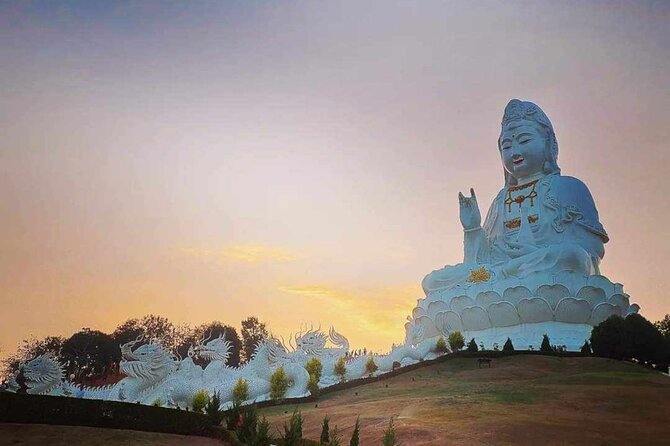
The final main stop is Wat Huai Pla Kang, described in the tour as the Big Buddha or Red Temple stop. The site is known for its towering Guan Yin statue, the Goddess of Mercy, and for views across the surrounding countryside.
The name can cause some confusion. The overview refers to White, Blue, and Red Temples, while the detailed stop information identifies the third site as Wat Huai Pla Kang. It is not simply another brightly painted temple in the same style as the Blue Temple. The towering Guan Yin figure is the main visual landmark.
You have about an hour here. That gives you time to admire the statue, explore the temple area, and look out over the countryside. The elevated setting provides a change of pace after the close architectural detail of the first two temples.
This stop is also useful for understanding that Buddhist and related religious sites can include more than a single conventional shrine building. Large statues, wide views, and different forms of sacred art are part of the experience here.
If you want the most polished photographs, the White Temple may be your favorite. If you prefer large-scale religious art and open views, Wat Huai Pla Kang may leave the stronger impression. The three stops work best as a set because each has a different visual identity.
The 7:00 a.m. start and the 11-hour schedule
The day begins at 7:00 a.m. and lasts about 11 hours. That is an early start and a full commitment, but it is necessary if you want to visit Chiang Rai from Chiang Mai and return the same day.
You should expect much of the day to be shared between road time and temple visits. The listed visits add up to roughly three hours, plus the 15-minute hot spring stop. The remaining time covers the journey, pickup and drop-off, and movement between the sites.
This is not the right choice if you want a relaxed day with long meals, unplanned wandering, or hours at one temple. It suits you better if your priority is seeing the main sights efficiently.
One account raised a fair concern about the actual visit times. The person reported spending less time at the temples than the published schedule suggested, partly because of an extra village stop. Since schedules can change on the road, ask the guide early about the planned order and meeting times. That simple check can help you decide how to use each temple stop.
Transport, group size, and guide support
Hotel pickup and drop-off in Chiang Mai make this easier than arranging separate transport. The tour also offers a mobile ticket, and confirmation is provided when you book. The vehicle was described as comfortable in one especially positive account.
A maximum of 12 people keeps the group relatively small. That does not turn the trip into a private tour, but it should reduce the time spent gathering a large crowd. You will still need to stay aware of the meeting point and return promptly after each stop.
The guide is an important part of the experience. The strongest praise focuses on kindness, organization, and explanations of Buddhism and the temples. Goi is the guide name specifically associated with an excellent experience, though the guide assigned to your date may be different.
I would choose this tour for the guide support as much as for the transport. The temples are easy to photograph without help, but their meaning is less obvious. A clear explanation can turn a quick visit into something you remember.
Who will get the most from this tour
This trip suits you if you are staying in Chiang Mai and want to see Chiang Rai without changing hotels. It is also a good fit if you prefer a planned day, included transport, and a guide who can explain cultural details along the way.
You will likely enjoy it most if you:
- Have only one available day for Chiang Rai
- Want to see three major religious sites
- Prefer a small group to a large coach
- Are comfortable with an early start and a long day
- Value a guide’s cultural explanations
- Want temple admission and transport handled together
It may not suit you if you dislike long drives or need a flexible schedule. The short hot spring stop will not satisfy anyone looking for a bathing experience, and the temple visits may feel brief if you want time for detailed photography or quiet reflection.
The trip is suitable for most people, according to the available booking information, and it is near public transportation. Still, the early start and full-day length are the key practical points to consider.
Is $52.63 good value?
For $52.63, the tour offers a lot in one day. You receive hotel pickup and drop-off, transport from Chiang Mai, admission to the listed stops, a guide, and visits to three of Chiang Rai’s best-known temples.
The price looks strongest for visitors without their own vehicle. Hiring separate transport to Chiang Rai, finding the sites, paying admissions, and arranging the return journey would require more work and could cost more. The tour also protects you from spending time figuring out the route.
The compromise is control. You do not set the pace, and a changed schedule may reduce time at one or more stops. If you value independence above convenience, a private arrangement may suit you better, though it would likely cost more than this shared tour.
For a first visit to Chiang Rai from Chiang Mai, I consider the price reasonable. The White Temple alone is a major draw, and the Blue Temple and Wat Huai Pla Kang give you a fuller picture of the area’s modern religious art.
Cancellation and weather details
You can cancel up to 24 hours before the 7:00 a.m. start time for a full refund. Changes made less than 24 hours before the experience are not accepted, and the amount paid will not be refunded for a late cancellation.
Good weather is required. If poor weather forces the tour to cancel, you will be offered another date or a full refund. Keep the local cut-off time in mind when making changes.
Should you book this Chiang Rai day trip?
Book it if you want an efficient first look at Chiang Rai and do not want to arrange the long journey from Chiang Mai yourself. The White Temple, Blue Temple, and Wat Huai Pla Kang offer three clearly different sights, while the small group and guide support make the day easier to manage.
I would be cautious only if you need a slow pace or dislike road-heavy day trips. Check your expectations before booking: the hot spring is a brief viewing stop, the day begins early, and temple time can change.
For most people with one free day, this is a sensible way to reach Chiang Rai. The 4.7 rating and 96 percent recommendation fit the tour’s strongest qualities: good organization, a comfortable vehicle, useful cultural explanations, and access to remarkable temples at a fair shared-tour price.
FAQ
How long does the Chiang Rai temple tour last?
The tour lasts approximately 11 hours.
What time does the tour start?
The stated start time is 7:00 a.m.
Does the tour offer hotel pickup and drop-off?
Yes. Pickup and drop-off in Chiang Mai are included.
How many people can join the tour?
The tour has a maximum group size of 12 people.
Which temples are included?
The tour includes Wat Rong Khun, known as the White Temple, Wat Rong Seur Ten, known as the Blue Temple, and Wat Huai Pla Kang, also called the Big Buddha or Red Temple in the tour description.
Is swimming available at Mae Khachan Hot Spring?
No. The stop is for observing the steam rising from the mineral-rich water, not for swimming.
How long is the hot spring stop?
The visit to Mae Khachan Hot Spring lasts about 15 minutes.
Are admission tickets included?
Yes. Admission tickets are included for the listed stops.
Can I cancel for a full refund?
Yes, if you cancel at least 24 hours before the experience starts. Poor weather cancellations offer either another date or a full refund.
More Full-Day Trips in Chiang Mai
- Full Day Thai Cooking at Farm (Chiang Mai)
★ 5.0 · 1,127 reviews - Care Pride Elephants: Full-Day Tour Experience
★ 5.0 · 658 reviews - Doi Inthanon National Park Eco-Friendly Full Day Tour
★ 4.5 · 248 reviews - Chiang Mai: Full-Day Kerchor Elephant Eco Park Tour & Trek
★ 4.6 · 224 reviews
Newly reviewed around Chiang Mai
- Workshop Making Herbal ball & herbal inhaler★ 4.3 · 3 reviews
- Chiang Mai Zipline White Water Rafting and Elephant Sanctuary★ 4.0 · 11 reviews
- Walk With Monks Collecting Alms(meeting point maybe change)★ 4.9 · 8 reviews
- Zipline+Sticky waterfall+Long Neck Village Private Tour★ 5.0 · 22 reviews
- Trek to a Jungle Waterfall★ 5.0 · 14 reviews
- Meditation Retreat and Self-Care in Nature★ 5.0 · 4 reviews
- Full Day Yoga, Meditation, and Thai Cultural Immersion in Chiang Mai★ 5.0 · 3 reviews
- Long Neck Village, White & Blue Temple, Black House Day Tour From Chiang Mai★ 4.0 · 14 reviews
Chiang Rai Day Trips, compared.
Chiang Rai Temples, Karen Tribe and Hot Springs
Read our review →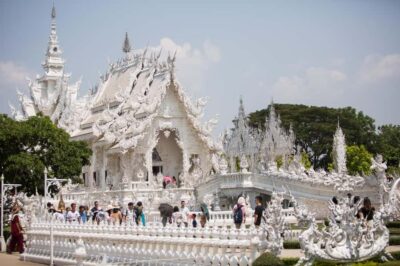
Chiang Rai White Temple and Blue Temple Day Tour
Read our review →
Chiang Rai Temples: Private Tour from Chiang Mai
Read our review →
Chiangmai to Chiangrai: 3 Temples, Hot Springs& Lalitta Cafe
Read our review →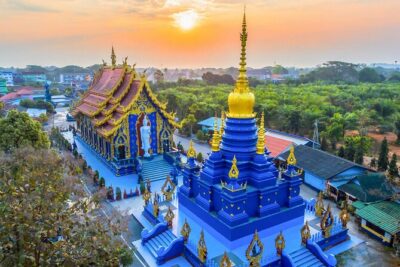
Chiang Rai White Temple, Blue Temple and more from Chiang Mai
Read our review →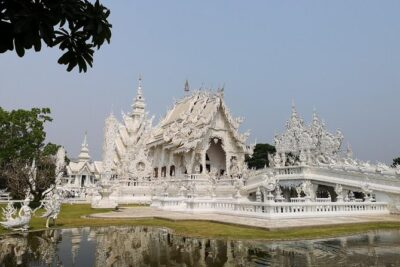
Chiang Rai Day Trip from Chiang Mai City with Golden Triangle
Read our review →
Chiang Rai Temples, Golden Triangle & Boat Tour
Read our review →Browse the lists this tour appears in