
Reviewed · CHIANG RAI DAY TRIPS
Chiang Rai and Golden Triangle Day Tour from Chiang Mai
The big draw is the chance to see the White Temple and Golden Triangle in one ambitious day from Chiang Mai. You will cross northern farmland, reach the meeting point of Thailand, Myanmar, and Laos, and hear how opium shaped this border region.
I like the fine mix of art, scenery, and local culture. The White Temple is genuinely memorable, while the Mekong viewpoint gives the day a clear sense of place. I also like that lunch, hotel pickup, and a guide are included, so you do not have to arrange a complicated northern route yourself.
The catch is the very long drive. A 12-hour estimate can stretch toward 14 hours, with much of the day spent in a minibus. Some stops feel rushed, and the hot spring and hill village visits may not match what you expect from the description.
Key points to know before booking
- The White Temple is the day’s artistic highlight: Allow yourself the full hour to take in its white plaster, glass details, and unusual imagery.
- The Golden Triangle is more viewpoint than attraction: You see the Mekong and Ruak rivers and the three-country meeting point, with an optional boat ride at extra cost.
- The drive is the price of admission: Chiang Mai to Chiang Rai and the border region is a serious distance, so prepare for a full day on the road.
- Mae Khachan is mainly a foot-soaking stop: The water can reach 80 degrees Celsius, but swimming is not part of the normal visit.
- A Mekong boat trip may require your passport: The optional ride can include a short stop in Laos, depending on the day’s arrangements.
- Small groups can make a big difference: The van holds up to 20 people, though some departures have had only two or three participants.
Why this northern Thailand day takes so long
This is not a quick Chiang Rai outing. Chiang Rai lies far north of Chiang Mai, and the Golden Triangle is farther still, near the borders of Thailand, Myanmar, and Laos. The route covers enough ground that you should think of it as a border-region expedition, not a relaxed city excursion.
Pickup begins around 7:00 am at hotels in Chiang Mai city. You ride in an air-conditioned vehicle, usually a minibus, with a local guide and driver. The roads pass rice fields and rural communities, and the countryside views help break up the long stretches of driving.
The operator limits groups to 20 people and equips vans with GPS units. The system beeps if the vehicle goes above 90 kilometers per hour, a useful safety measure on a route where some passengers have found the driving too fast. If you get motion sick, sit near the front and bring whatever usually helps you.
Guides vary by departure. Names attached to this route have included Maggie, Anna, Sid, and Kitty. The best guides have explained Buddhism, Hinduism, local art, border politics, and the area’s opium trade, while taking photos and helping arrange optional activities. Communication quality can vary, so a good guide may shape your day more than the itinerary does.
More Chiang Rai Day Trips from Chiang Mai:
- Chiang Mai: Chiang Rai Temples, Karen Tribe and Hot Springs
★ 4.7 · 5,401 reviews - Chiang Rai White Temple and Blue Temple Day Tour
★ 4.6 · 3,366 reviews - Chiang Rai Temples: Private Tour from Chiang Mai
★ 5.0 · 1,267 reviews
The White Temple is worth the long ride
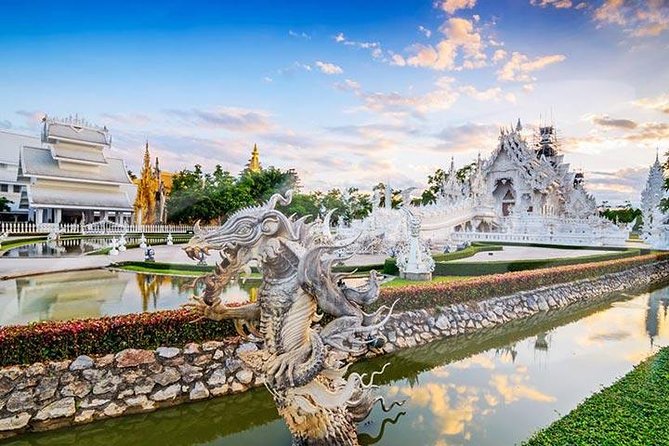
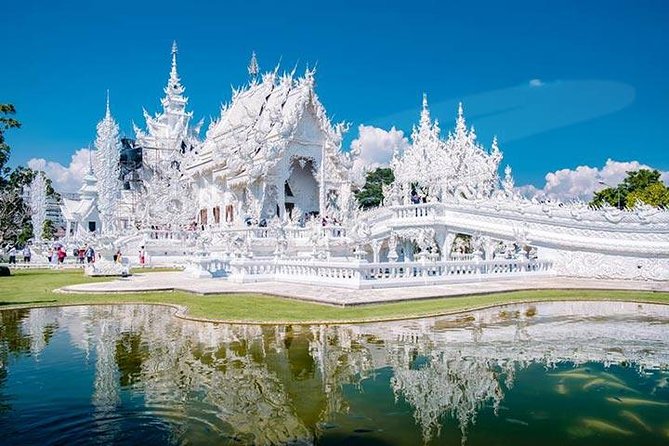
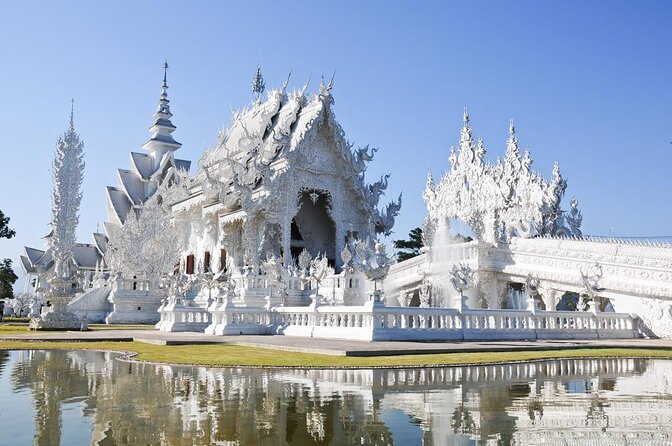
Wat Rong Khun, usually called the White Temple, is the strongest reason to take this tour. It is not an old temple in the usual Thai sense. Local artist Chalermchai Kositpipat began rebuilding the complex in 1997, using white plaster and pieces of glass to create a bright, highly detailed setting.
You get about an hour here. That is enough for a good look, though not enough to examine every detail at a leisurely pace. The sharp white forms, glittering surfaces, and strange decorative images make it unlike the traditional gold-covered temples of Chiang Mai.
Your guide can add useful context about the artistic and religious ideas behind the design. One important point is that this is a contemporary art complex, not simply an ancient holy site. Go beyond the first photo stop and look closely at the figures, bridges, and small patterns.
The White Temple can be crowded, and the visit is structured around the wider route. Still, even people who find other stops ordinary tend to regard this one as special. If you care most about architecture and visual art, this is the part you will remember.
Mae Khachan hot spring is a brief stop
Mae Khachan Hot Spring sits roughly halfway between Chiang Mai and Chiang Rai. Underground heat pushes the water to temperatures of up to 80 degrees Celsius, and the site is used as a short break from the road.
The experience is more practical than luxurious. You may soak your feet in a cooler pool, buy quail eggs to cook in the hot water, or let small fish nibble at dead skin. Do not plan on a full swim. The description of soaking in natural pools can give the stop a grander sound than the actual visit provides.
You will usually have around 30 minutes here. That is enough to stretch your legs, see the boiling water, and try one of the simple local activities. It is not enough for a long spa session.
I would treat Mae Khachan as a roadside pause, not a main attraction. If you have already visited hot springs elsewhere, this may feel expendable. If you enjoy unusual food stops and quick local encounters, boiling an egg in the spring can be fun.
Baan Dam brings a darker artistic note
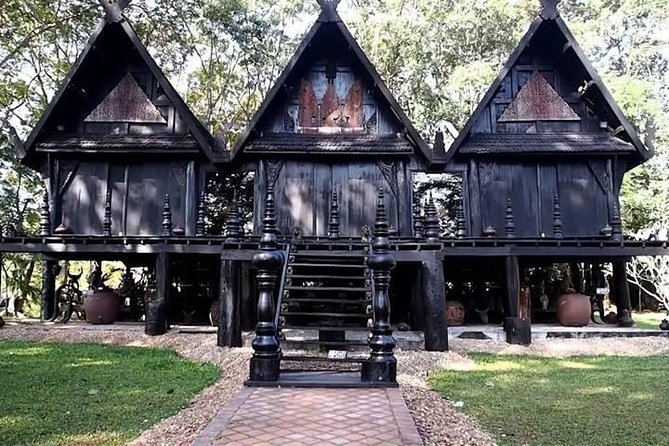
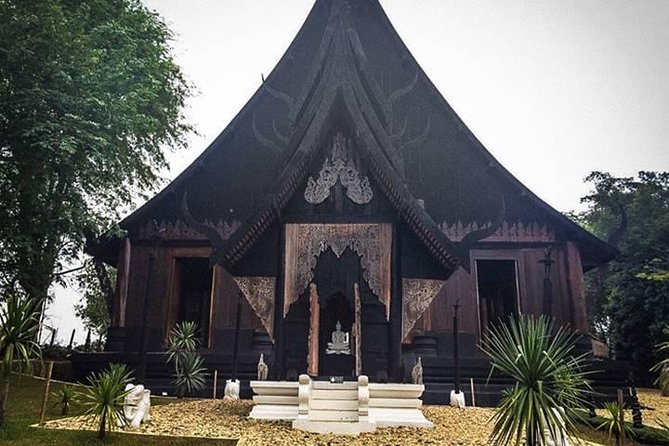
Baan Dam Museum, also called the Black House, provides a useful contrast to the White Temple. It was created by Chiang Rai artist Thawan Duchanee, and its buildings and displays draw on Lan Chang, Lanna, and Suvarnabhumi architectural ideas.
The visit lasts about 45 minutes. Instead of the White Temple’s glittering white surfaces, you find dark buildings and an artwork collection with a heavier mood. This stop gives the day more depth because Chiang Rai’s modern art scene includes very different creative voices.
Admission is included. The museum may appear in the day’s schedule even though some descriptions focus more heavily on the White Temple, Golden Triangle, and hill villages. Confirm the exact order with your guide at pickup, since the sequence can change.
More Golden Triangle Trips from Chiang Mai:
- Chiang Rai Day Trip from Chiang Mai City with Golden Triangle
★ 4.5 · 531 reviews - Chiang Mai: Chiang Rai Temples, Golden Triangle & Boat Tour
★ 4.6 · 518 reviews - Chiang Mai-Chiang Rai:White-Black-Blue Temple-Golden Triangle-Keren-Boat Trip
★ 4.0 · 96 reviews - Chiang Rai Private Tour With Golden Triangle Option
★ 5.0 · 75 reviews
The Golden Triangle puts the map in front of you
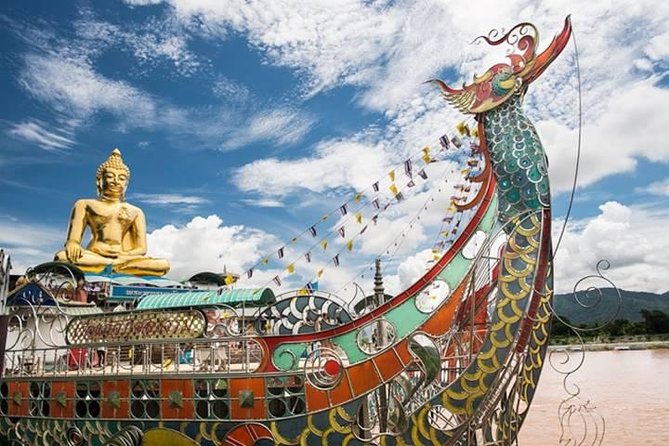
The Golden Triangle is where the Mekong and Ruak rivers meet, forming the point associated with Thailand, Myanmar, and Laos. From the Thai side, you look across the water toward the neighboring countries and see why this region became such an important trading and smuggling zone.
The stop lasts about an hour. The view is the main event. You are not walking through a large archaeological site or an old city. In practical terms, you look over the river, take in the three-country setting, and listen to an explanation of the area’s role in the opium trade.
That context matters. Without it, the Golden Triangle can seem like a sign and a riverbank. With a good guide, the stop becomes a lesson in geography, trade, border control, and a difficult part of Southeast Asian history.
You may be offered a boat ride on the Mekong for an additional fee. Some departures have arranged a short crossing or stop in Laos, and this can be a memorable extra. Bring your passport if you want that option. The boat is not included in the tour price, and the exact arrangements can depend on the day.
Keep your expectations measured. The Golden Triangle is interesting because of what it represents, not because there is a long list of things to do there. If your ideal excursion involves walking, ruins, or museums at every turn, the riverside viewpoint may feel thin.
Mae Sai shows the border as a trading town
Mae Sai is Thailand’s northernmost trading post and sits near the Myanmar border. The stop gives you a different look at the region, with a marketplace selling Burmese and Lao handicrafts and other goods.
You have about an hour. This is the place for browsing, buying small souvenirs, and seeing how a border town handles everyday trade. It is less polished than the White Temple and less scenic than the Mekong view, but it adds a useful human side to the trip.
The border checkpoint itself can be less dramatic than you imagine. You may see the bridge and the crossing area rather than enter Myanmar. Ask your guide what is open and what you can visit that day, since border procedures and optional crossings are not part of the basic package.
Hill villages require realistic expectations
The route includes visits to Akha and Yao hill tribe villages. In theory, this offers a chance to learn about communities with distinct traditions and craftwork. In practice, the stop may be organized around souvenir stalls and a short market visit.
That does not make it worthless, but it does mean you should not expect a long cultural exchange or a remote village trek. The experience can feel commercial. Some departures have also offered an additional visit to a Karen Long Neck village for around 300 to 500 baht, but this is not included in the stated tour price and is not guaranteed.
If you choose to visit, buy only what interests you and listen carefully to the guide’s explanation. The value comes from understanding how these communities fit into northern Thailand’s tourism economy, not simply from taking photographs.
Lunch and the value of the $122.65 price
Lunch is included, and the meal has varied in setting. Some departures have stopped at a riverside resort with a full buffet, while other descriptions characterize the meal as ordinary. Either way, having lunch arranged saves time on a day with a tight route.
At $122.65 per person, the price is reasonable only if you value convenience. You are paying for a private transport network across a wide area, hotel pickup and return, a guide, lunch, and several admission-based stops. Organizing the same route alone would take planning and would be difficult in one day.
The price is less convincing if you dislike long vehicle rides or prefer slow visits. You can find plenty to do in Chiang Mai without spending most of a day on the road. The tour earns its cost for someone who specifically wants the White Temple and Golden Triangle and has limited time in northern Thailand.
The maximum group size is 20, but a small departure can change the feel completely. Some people have had only two or three people in the van and enjoyed near-private attention. Others have found the empty minibus awkward, especially when the guide was distracted or hard to understand.
How to prepare for a better day
Wear comfortable clothes and shoes. You will move between a hot spring, temple grounds, museum buildings, markets, and riverside viewpoints, often with limited time at each stop.
Bring your passport if you might take the optional Mekong boat to Laos. Carry extra cash for the boat and any hill village or border activities that are not included. The tour price covers lunch and the listed transport and guide services, but not every optional addition.
A phone charger, water, sun protection, and motion-sickness supplies are sensible. The van is air-conditioned, but the outdoor stops can be hot. Keep valuables close at markets and border areas.
Ask for the day’s exact order at pickup. The sequence can shift, and some versions place the White Temple before the border region while others handle the northern stops first. Knowing when the long return drive begins helps you pace yourself.
Cancellation is free if you cancel at least 24 hours before the start time. The operator also requires a minimum number of participants, so a departure can be canceled after confirmation if that number is not reached. In that case, you are offered another option or a full refund.
Who should book this day trip
I would recommend it to you if you have one full day, want to see the White Temple, and are curious about the Mekong border region. It also suits people who prefer a guide and arranged transport rather than dealing with northern bus routes or private drivers.
It is a good fit for photographers, first-time visitors to northern Thailand, and anyone interested in how geography shaped the opium trade and border commerce. The mix of contemporary art, markets, countryside, and rivers gives you more variety than a simple temple excursion.
I would skip it if you want a restful day, dislike winding roads, or expect long, quiet visits at every stop. You should also think twice if the hill village portion is your main reason for booking, since it may amount to a row of stalls rather than a sustained cultural visit.
Should you book the Chiang Rai and Golden Triangle tour?
Book it if the White Temple and three-country viewpoint are high on your list and you accept that the journey is the main challenge. The White Temple is excellent, and the Golden Triangle is worthwhile when your guide explains the region rather than treating it as a quick photo stop.
Do not book it expecting a spa day, a deep village visit, or a leisurely border holiday. This is an efficient, demanding circuit. With a strong guide such as Anna, Maggie, Sid, or Kitty, it can become a memorable northern Thailand day. With weak communication and too much rushing, the same route can feel like a long minibus ride with brief stops.
FAQ
How long is the Chiang Rai and Golden Triangle tour?
The advertised duration is about 12 hours, beginning around 7:00 am. Some departures have lasted closer to 14 hours, with hotel return near 9:00 pm.
Is hotel pickup included?
Yes. Pickup and drop-off are included for hotels in Chiang Mai city only.
What is included in the price?
The price includes transport in an air-conditioned vehicle, a local guide, and lunch. Admission to Baan Dam Museum is included.
Is the Mekong boat ride included?
No. The boat ride is optional and costs extra. If it includes a stop in Laos, you should bring your passport.
Can I swim in the Mae Khachan hot springs?
The normal visit is a short stop for foot soaking and other activities such as cooking quail eggs. You should not assume that full swimming is available.
How many people can join the tour?
The maximum group size is 20 people. Some departures may be much smaller.
Does the tour visit the White Temple?
Yes. Wat Rong Khun, known as the White Temple, is scheduled for about one hour, with admission listed as free.
Does the tour visit the Golden Triangle?
Yes. The stop lasts about one hour and offers views of the Mekong River, Ruak River, Thailand, Myanmar, and Laos.
What happens if the tour is canceled because too few people book?
You will be offered an alternative date or experience, or you can receive a full refund.
Newly reviewed around Chiang Mai
- Workshop Making Herbal ball & herbal inhaler★ 4.3 · 3 reviews
- Chiang Mai Zipline White Water Rafting and Elephant Sanctuary★ 4.0 · 11 reviews
- Walk With Monks Collecting Alms(meeting point maybe change)★ 4.9 · 8 reviews
- Trek to a Jungle Waterfall★ 5.0 · 14 reviews
- Zipline+Sticky waterfall+Long Neck Village Private Tour★ 5.0 · 22 reviews
- Meditation Retreat and Self-Care in Nature★ 5.0 · 4 reviews
- Full Day Yoga, Meditation, and Thai Cultural Immersion in Chiang Mai★ 5.0 · 3 reviews
- Long Neck Village, White & Blue Temple, Black House Day Tour From Chiang Mai★ 4.0 · 14 reviews
Chiang Rai Day Trips, compared.
Chiang Rai Temples, Karen Tribe and Hot Springs
Read our review →
Chiang Rai White Temple and Blue Temple Day Tour
Read our review →
Chiang Rai Temples: Private Tour from Chiang Mai
Read our review →
Chiangmai to Chiangrai: 3 Temples, Hot Springs& Lalitta Cafe
Read our review →
Chiang Rai White Temple, Blue Temple and more from Chiang Mai
Read our review →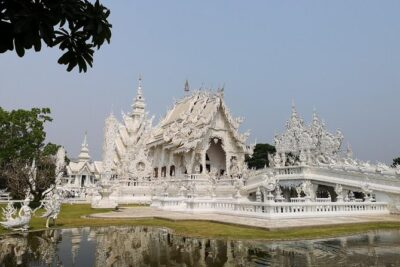
Chiang Rai Day Trip from Chiang Mai City with Golden Triangle
Read our review →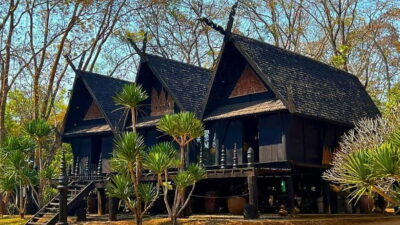
Chiang Rai Temples, Golden Triangle & Boat Tour
Read our review →Browse the lists this tour appears in