
Reviewed · CHIANG MAI ATTRACTION TICKETS
Chiang Mai: Museum of Broken Relationships Entry Ticket
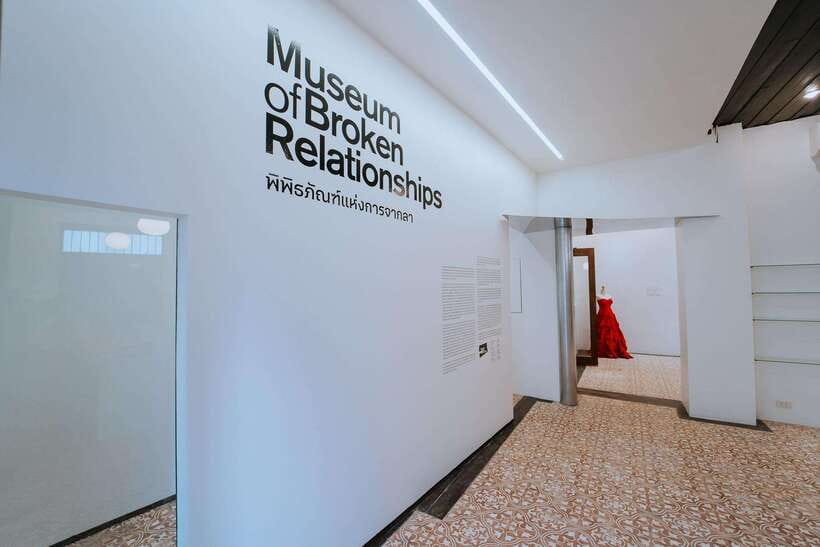
Chiang Mai’s Museum of Broken Relationships turns ordinary objects into small emotional time capsules. A donated keepsake, personal item, or reminder of a lost relationship sits beside the former owner’s story, with no names attached. The result is a quiet, human visit rather than a standard museum tour.
I like the anonymous storytelling, which lets you focus on the feeling instead of the person’s identity. I also like the low price and late opening hours, since a $6 ticket fits easily into a day of sightseeing and the museum stays open until 10:00 pm. The main drawback is that this is not a guided attraction, and the subject matter may feel heavy if you are looking for a light evening stop.
Key points to know before you go
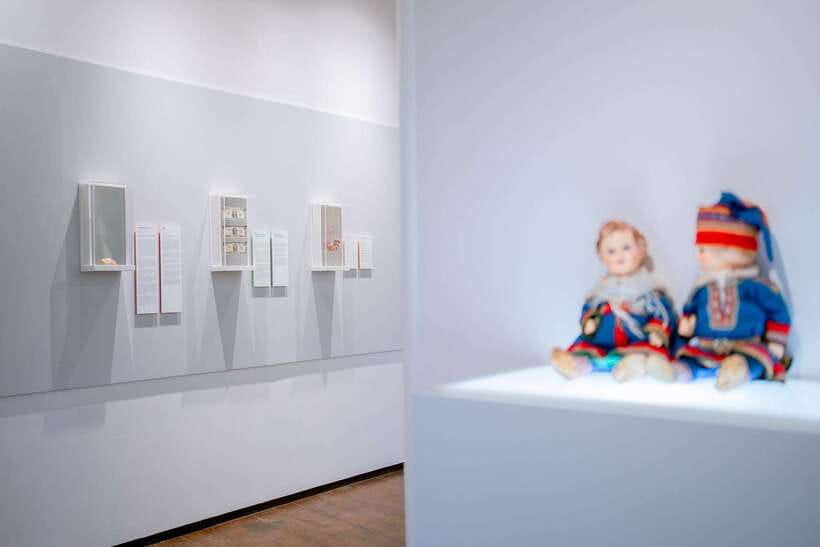
- Objects carry the stories: Each donated item symbolizes the end of a relationship and is shown with its former owner’s personal narrative.
- The museum began in Zagreb: Two artists created the original project in 2006 after their own relationship ended.
- Chiang Mai is home to the Asian branch: The museum occupies the historic Yong Chiang Building on Wichayanon Road.
- English and Thai captions help: You can read the stories without needing a guide.
- Late hours make planning easy: Entry runs from 10:00 am to 9:30 pm, with closing at 10:00 pm.
- The $6 ticket covers entry only: Food, drinks, transport, and guided tours are not included.
A museum built from love, loss, and ordinary things
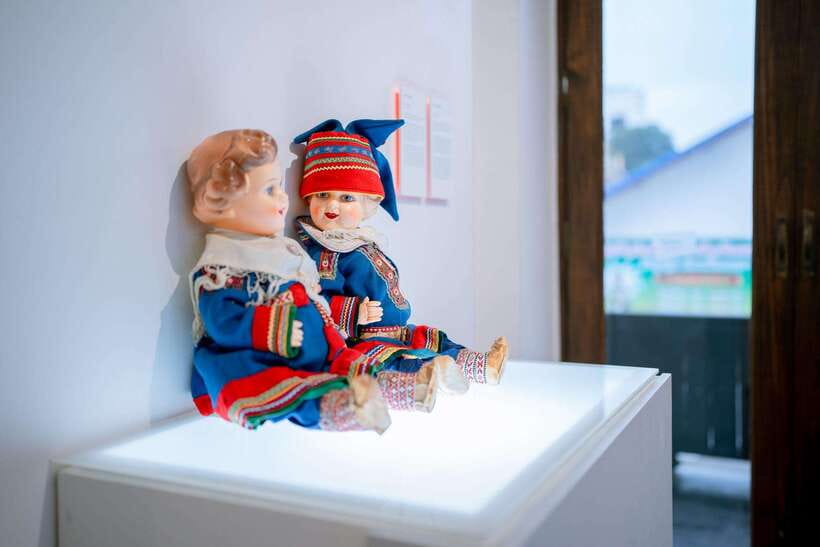
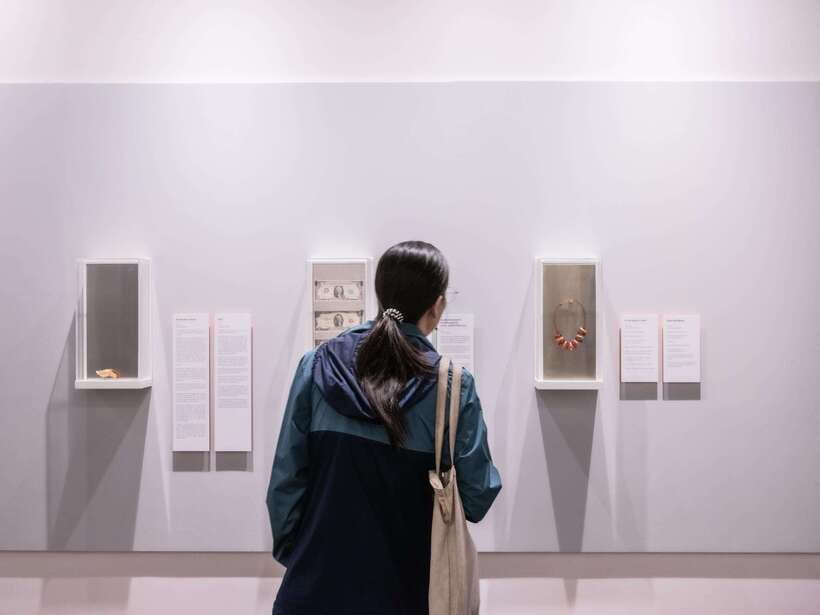
The first thing to understand is that this is not a museum of famous people, grand events, or valuable objects. It is a collection of personal belongings donated by people from around the world. Each item represents the end of a relationship, and each one comes with a short account from the person who once owned it.
That simple idea gives the museum its strength. A familiar object can carry a surprising amount of emotion. The item itself may look plain, but the attached story explains why it mattered and why it was kept until the relationship ended.
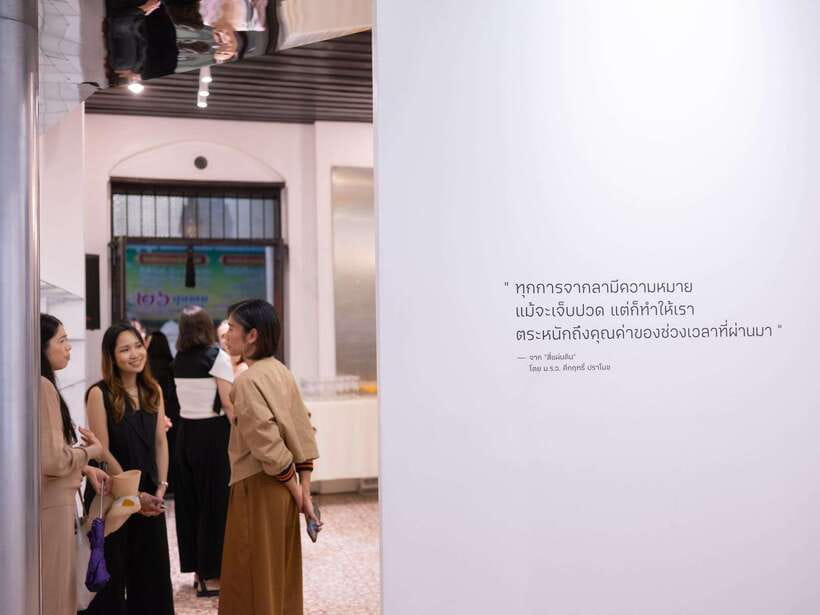
The captions are written in Thai and English, so you can read the material without arranging a guide. This also lets you move at your own speed. You can pause over a story that catches you, pass quickly over one that feels too personal, or simply take in the collection without speaking to anyone.
The displays are anonymous. You are not asked to judge the people involved, and you do not need to know where they came from. The focus stays on the shared experience of loving someone, losing that relationship, and deciding what to do with the objects left behind.
More Attraction Tickets in Chiang Mai:
- Chiang Mai Night Safari Ticket & Tram Rides Optional Pickup
★ 3.9 · 99 reviews - Chiang Mai: Grand Canyon Water Park Ticket & Optional Pickup
★ 4.8 · 56 reviews - One day Elephants in Nature Experience & Grand Canyon Jumping
★ 5.0 · 31 reviews
From Zagreb to Chiang Mai’s Yong Chiang Building
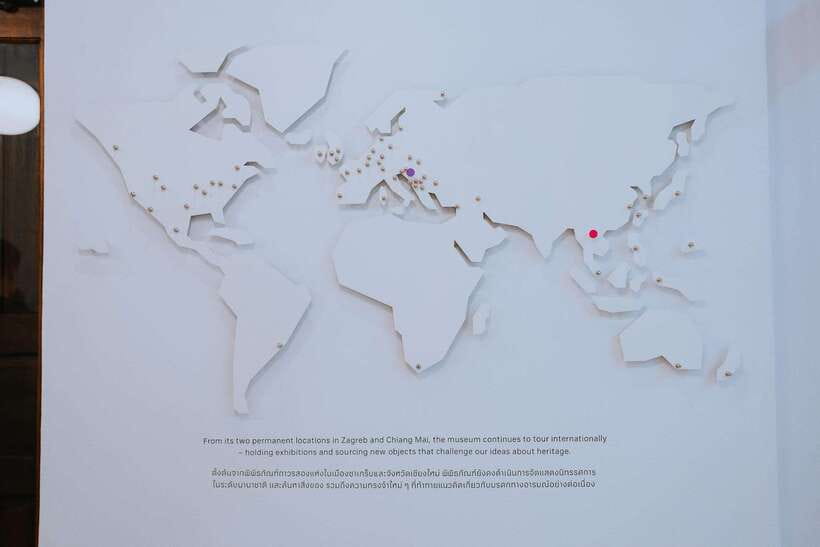
The project began in 2006 in Zagreb, Croatia. Two artists were looking for a way to mark their relationship after it ended, and that first collection grew into a traveling museum project.
Since then, the Museum of Broken Relationships has held more than 60 exhibitions around the world. Its Chiang Mai branch brings that idea to Southeast Asia, giving the project a permanent home in the historical Yong Chiang Building at 2 to 4 Wichayanon Road.
The setting matters. You are not visiting a temporary display in an anonymous convention hall. The museum has a fixed address in Chiang Mai’s old urban setting, making it easy to add to a day spent exploring the city.
I would plan this as a focused stop rather than expect a large museum complex. The material is personal and text-based, so the quality of your visit depends more on how much time you want to give the stories than on the size of the building.
What your visit actually feels like
There is no scheduled tour route and no guide leading you from room to room. Your ticket provides entry, and you browse the collection independently.
Begin by giving yourself a few minutes to adjust to the concept. The museum asks you to look at everyday objects in a different way. Instead of asking how old or rare an item is, you are asking what it meant to someone and why it survived the end of a relationship.
As you move through the displays, read the captions that interest you. Some accounts may be brief and direct. Others may invite more reflection. Since the stories are anonymous, you are free to consider the emotional details without turning the visit into an exercise in identifying the people involved.
The museum is best approached slowly. You do not need to inspect every object for the same amount of time. If a particular story stays with you, stop and read it again. If another feels too close to home, move on. That freedom is one of the benefits of an unguided visit.
The experience is also personal in another sense: two people can look at the same collection and take away very different things. You may notice the humor in one account, the sadness in another, or the odd way a familiar item can become a permanent reminder of someone.
Why the anonymous captions work
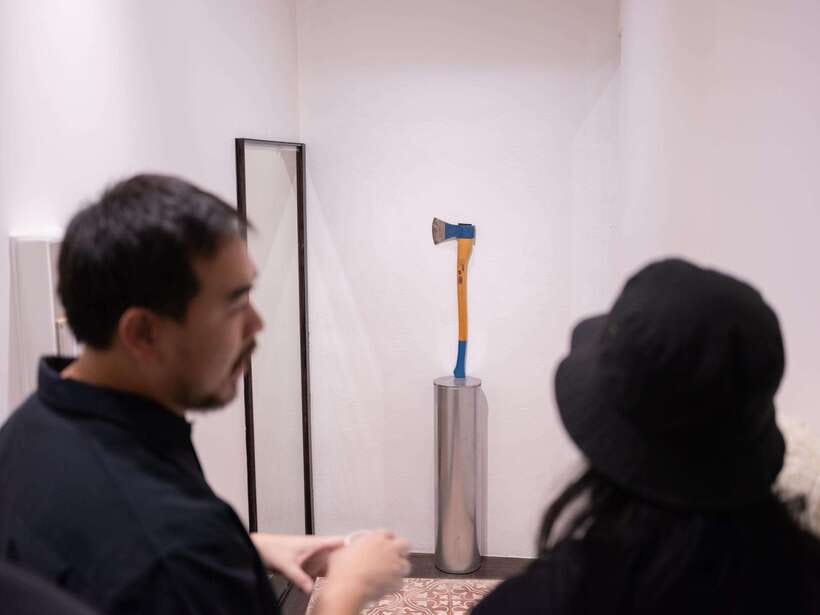
The captions are the heart of the museum. Without them, the objects would be curiosities. With them, they become evidence of real emotional moments, even though the names and private identities have been removed.
I like this format because it avoids the usual museum habit of telling you exactly what to think. You receive enough information to understand the object, but the final response is yours. The anonymous format also gives the collection a wider reach. You do not need to know the culture, age, or background of the person who donated an item to recognize the basic feeling behind the story.
English captions are especially useful in Chiang Mai, where many international visitors may not read Thai. The bilingual presentation means you can take your time rather than rely on a guide or translation app.
Still, this is a reading-focused attraction. If you prefer museums built around large visual displays, interactive technology, or expert commentary, you may find the visit quiet and understated. The museum’s impact comes from the writing and your response to it, not from spectacle.
More Museums and Galleries in Chiang Mai:
- Chiang Mai to White & Blue Temple, Black Museum & Golden Triangle
★ 4.0 · 52 reviews - Art in Paradise: Chiang Mai 3D Art Museum Experience
★ 4.5 · 28 reviews - Mystic Universe Exhibition
★ 5.0 · 26 reviews - Chiang Mai-Chiang Rai: White Temple-Black Museum-Blue Temple
★ 4.0 · 24 reviews
The emotional side of the visit
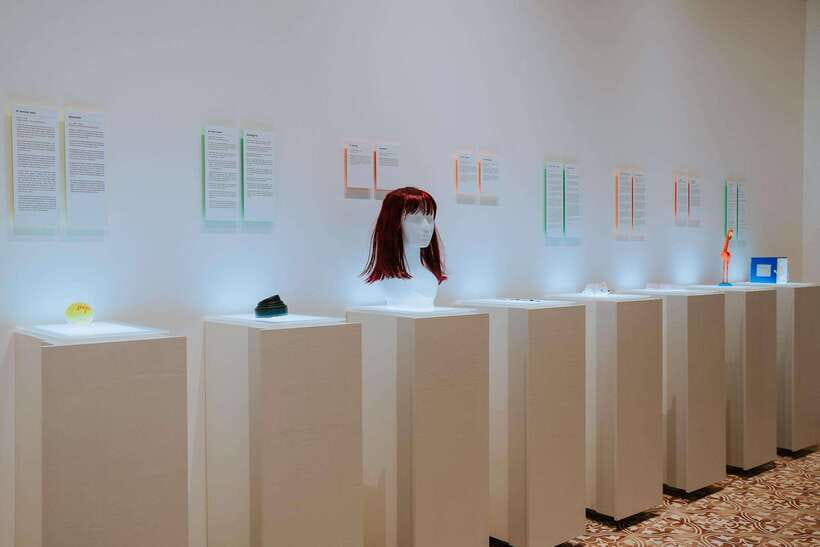
The subject is clear from the name, but the mood may be broader than you expect. The collection is about breakups and endings, yet the stories also touch on memory, attachment, embarrassment, relief, regret, and the practical problem of what to do with shared belongings.
That range makes the museum more thoughtful than a simple display of sad objects. Relationships end in different ways, and the objects reflect that variety. One story may feel tender, another uncomfortable, and another unexpectedly funny.
I would not schedule this attraction if you want a purely cheerful stop before dinner. The museum may bring up memories of your own relationships, which can be meaningful but not always easy. If you are visiting with someone else, allow each person room to respond privately. This is not an attraction that needs constant conversation.
At the same time, you do not have to treat it as a solemn memorial. The museum’s concept has room for irony and everyday absurdity. A relationship can be important even when the object left behind looks ordinary or slightly strange.
How much time should you allow?
The ticket is valid for one day, and the museum is open every day from 10:00 am to 10:00 pm. Last entry is at 9:30 pm. The supplied details do not give a fixed visit length, so I would plan according to your reading pace rather than a set schedule.
A shorter visit can work if you want to understand the concept and read a selection of captions. A longer visit suits you if you prefer to consider each story carefully. Because there is no guide or timed program, you control the rhythm.
The late closing time is useful. You can visit during the day, then continue exploring Chiang Mai, or stop in during the evening after other sights have closed. A late visit may also suit you if you want a quieter, more reflective activity after a busy day, though the museum does not promise a particular crowd level at any hour.
There are a few simple rules. Food and drinks are not allowed inside, and you cannot use a flashlight. These restrictions protect the display environment and keep attention on the objects and captions.
What the $6 admission is worth
At $6 per person, this is an inexpensive ticket by the standards of many paid cultural attractions. The price covers entry to the museum, and fast entry means you do not need to spend time waiting in the ticket line.
The value depends on what you want from a museum. If you measure value by hours of entertainment, this may not be your best choice. The visit is built around a relatively simple format, and there is no guide, meal, transport, or extra activity included.
If you value original ideas, personal writing, and a museum you are unlikely to mistake for another attraction, the price makes sense. You are paying for access to a distinctive collection and the freedom to explore it on your own.
I also like that the admission works well as an add-on. You do not need to commit an entire day to the museum, and the long opening hours make it easier to fit around other plans in Chiang Mai.
Who should visit, and who may want to skip it?
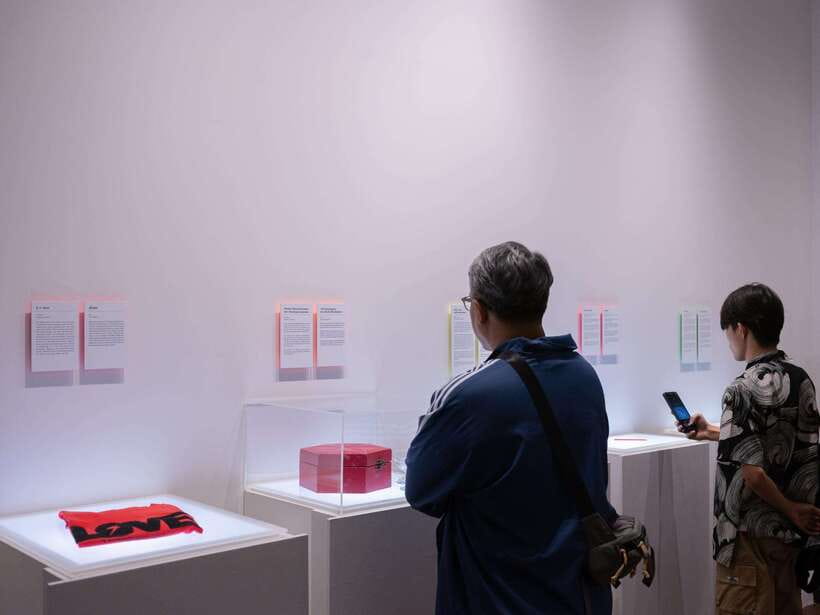
I would recommend this museum to you if you enjoy unusual cultural attractions, personal stories, and places that ask for a little thought. It suits solo visitors especially well because you can move quietly and spend as long as you like with the material.
Couples may also find it worthwhile, though the topic could lead to serious conversation. If you are visiting with children, consider their age and comfort with stories about relationships ending. The provided information does not set a child age limit, but the emotional subject is worth considering before you book.
This is less suitable for anyone who needs wheelchair access, since the attraction is not suitable for wheelchair users. You should also skip it if you are looking for a guided tour, because no guided tour is included.
The bilingual captions make the museum accessible to readers of Thai and English. If you need another language, the provided information does not indicate that translations are available.
Booking details that matter
You can reserve now and pay later, which helps if your Chiang Mai schedule may change. Free cancellation is available up to 24 hours in advance for a full refund.
The meeting address is 2 to 4 Wichayanon Road, Chang Moi Sub-district, Mueang Chiang Mai District, Chiang Mai Province 50300. Transportation to and from the museum is not included, so you need to make your own way there.
The museum closes on New Year’s Day, during the Songkran Festival, and on the substitution holiday for Songkran. Check the available starting times before booking, even though the attraction operates within its broad daily hours.
Should you book the Museum of Broken Relationships?
Book it if you want a small, unusual Chiang Mai museum with a clear idea and a strong human focus. The $6 price, English and Thai captions, fast entry, and late opening hours make it easy to fit into your plans.
Skip it if you want a guided experience, a major art collection, or a lighthearted attraction with lots of hands-on activity. The museum asks you to read, reflect, and accept a sometimes-sad subject.
For the right visitor, this is a worthwhile stop because it treats ordinary objects with unusual care. You leave with no grand monument or famous masterpiece to photograph, but you may see your own memories, and the things attached to them, a little differently.
FAQ
How much does entry to the Museum of Broken Relationships cost?
Entry costs $6 per person. The ticket includes admission to the museum only.
What are the museum’s opening hours?
The museum is open every day from 10:00 am to 10:00 pm. Last entry is at 9:30 pm.
Are captions available in English?
Yes. Museum captions are available in Thai and English.
Is a guided tour included?
No. Guided tours are not included. You explore the collection independently.
What is not allowed inside the museum?
Food and drinks are not allowed, and flashlights are prohibited.
Is the museum suitable for wheelchair users?
No. The experience is listed as not suitable for wheelchair users.
Newly reviewed around Chiang Mai
- Workshop Making Herbal ball & herbal inhaler★ 4.3 · 3 reviews
- Chiang Mai Zipline White Water Rafting and Elephant Sanctuary★ 4.0 · 11 reviews
- Walk With Monks Collecting Alms(meeting point maybe change)★ 4.9 · 8 reviews
- Trek to a Jungle Waterfall★ 5.0 · 14 reviews
- Zipline+Sticky waterfall+Long Neck Village Private Tour★ 5.0 · 22 reviews
- Meditation Retreat and Self-Care in Nature★ 5.0 · 4 reviews
- Full Day Yoga, Meditation, and Thai Cultural Immersion in Chiang Mai★ 5.0 · 3 reviews
- Long Neck Village, White & Blue Temple, Black House Day Tour From Chiang Mai★ 4.0 · 14 reviews
Chiang Mai Attraction Tickets, compared.

Chiang Mai Night Safari Ticket & Tram Rides Optional Pickup
Read our review →
Grand Canyon Water Park Ticket & Optional Pickup
Read our review →
One day Elephants in Nature Experience & Grand Canyon Jumping
Read our review →
Art in Paradise: Chiang Mai 3D Art Museum Experience
Read our review →
Chiang Mai Night Safari: Entry Ticket with Tram Ride
Read our review →
Grand Canyon Chiang Mai Private Tour with Pottery Village
Read our review →

Chiang Mai Night Safari Tour including Transfer (Minimum 2 pax)
Read our review →Browse the lists this tour appears in