
Reviewed · CHIANG MAI ELEPHANT SANCTUARY VISITS
From Chiang Mai: Kerchor Eco Elephant Park Tour
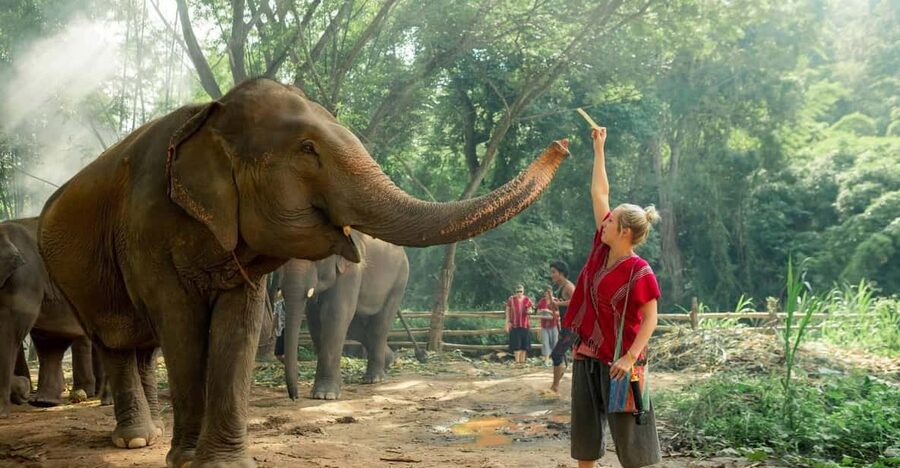
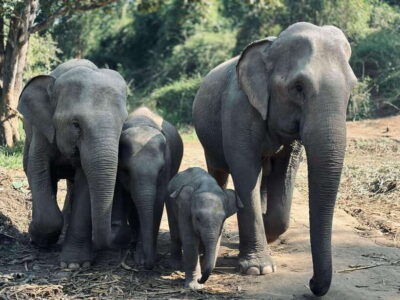
Kerchor Eco Elephant Park puts you close to elephants in a way that feels more like joining part of their daily routine than watching a staged show. You can feed baby elephants, walk beside the herd, and watch them play in mud and water before bathing one in a flowing stream.
I like the park’s clear focus on care and its useful introduction to elephant health, safety, and Karen community traditions. I also like the efficient half-day format, which gives you about two and a half hours at the park without taking over your whole day. The main drawbacks are the long, sometimes bumpy drive and a simple lunch that may disappoint if you expect a full Thai feast.
Key points at a glance
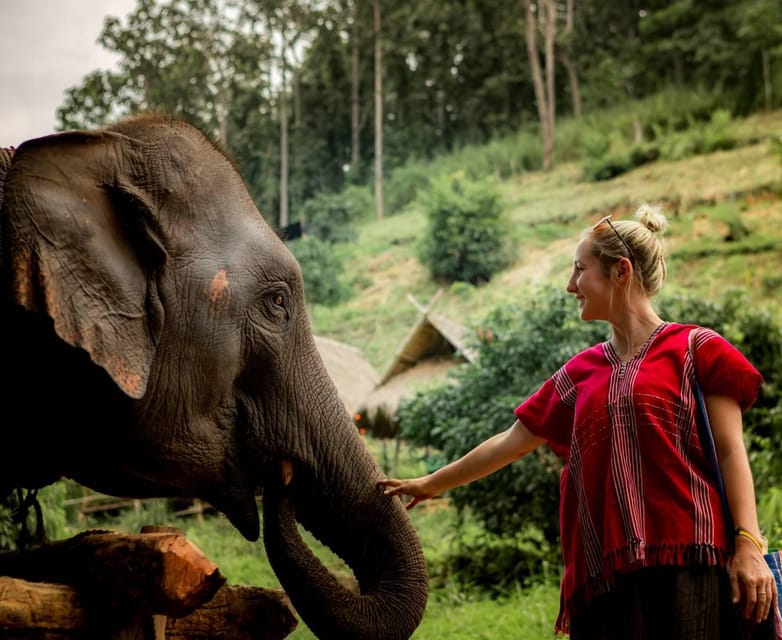
- Baby elephants and close contact: Prepare food, hand over snacks, and take photos with the younger elephants.
- Stream bathing: Help bathe an elephant in the water, one of the most hands-on parts of the visit.
- Care before contact: A park presentation explains elephant health, protection, and safe behavior around the animals.
- A practical half-day: Plan on about 5.5 hours total, including roughly 90 minutes each way by van.
- Friendly named guides: Guides called F, Fa, Fai, NamNam, and P’E have been singled out for clear explanations, humor, photos, and help.
- Simple local meal: Lunch comes with water, coffee, tea, and soft drinks, but the food is a modest part of the package.
The 90-minute road from Chiang Mai
The day begins with pickup in Chiang Mai and a van ride of about an hour and a half to Kerchor Eco Elephant Park. That travel time matters. This is not a quick city-side animal encounter, and you should leave room in your schedule for the drive back as well.
The road can be bumpy, and a few people have found that some drivers travel too fast. That is worth keeping in mind if you dislike hurried driving. Pickup can also run late, and one reported delay was about 30 minutes. It is wise not to book a flight, massage, or fixed dinner reservation too soon after the planned return.
Hotel pickup is included only inside the stated pickup area. If your hotel is outside it, you need to reach the meeting point at the Tha Phae branch of McDonald’s yourself. Confirm this before booking, especially if you are staying outside Chiang Mai’s old town.
The ride is a tradeoff. You give up three hours to reach the park and return, but that is part of reaching a quieter rural setting rather than a compact attraction in town. At $48 per person, round-trip transport helps make the price reasonable, particularly if you would otherwise need to arrange a private vehicle.
More Elephant Sanctuary Visits near Chiang Mai:
- Chiang Mai: Elephant Sanctuary, Waterfall & Bamboo Rafting
★ 4.9 · 9,160 reviews - Chiang Mai: Elephant Sanctuary & Waterfall Group Tour
★ 4.9 · 5,780 reviews - Chiang Mai: Elephant Sanctuary Feeding Program Half-Day Tour
★ 4.8 · 4,527 reviews
Starting with elephant care, not elephant tricks
At the park, the first important step is an explanation of how the elephants are protected and cared for. Guides discuss the animals’ health, safety, daily activities, and the park’s eco-friendly approach.
This introduction gives the rest of the visit a useful frame. You learn how to approach the elephants and what behavior to avoid before you are handed food or asked to stand near them. One visit also included time with a veterinarian who answered questions about elephant health, a valuable addition for anyone who wants more than photos.
The guides are a real part of the experience. F is often described as funny, helpful, and full of information. Fa has been praised for her warm manner and clear explanations, while Fai helped solo visitors feel involved and took photographs. NamNam has explained Karen traditions and local culture, and P’E has balanced humor with a serious approach when safety required it.
The exact guide depends on the day and language group. English, Chinese, and Thai are offered. The teaching is not just filler before the animal contact. You learn how to behave around large, powerful animals that may be gentle but are still not pets.
Preparing snacks and meeting the elephants
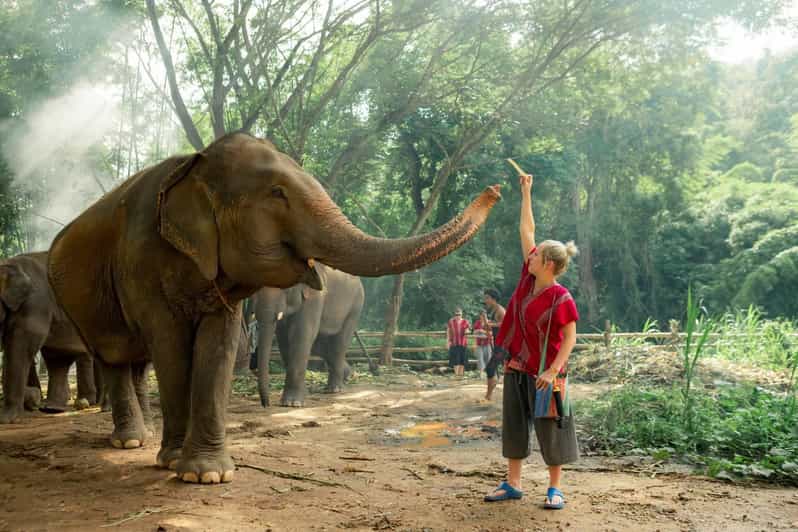
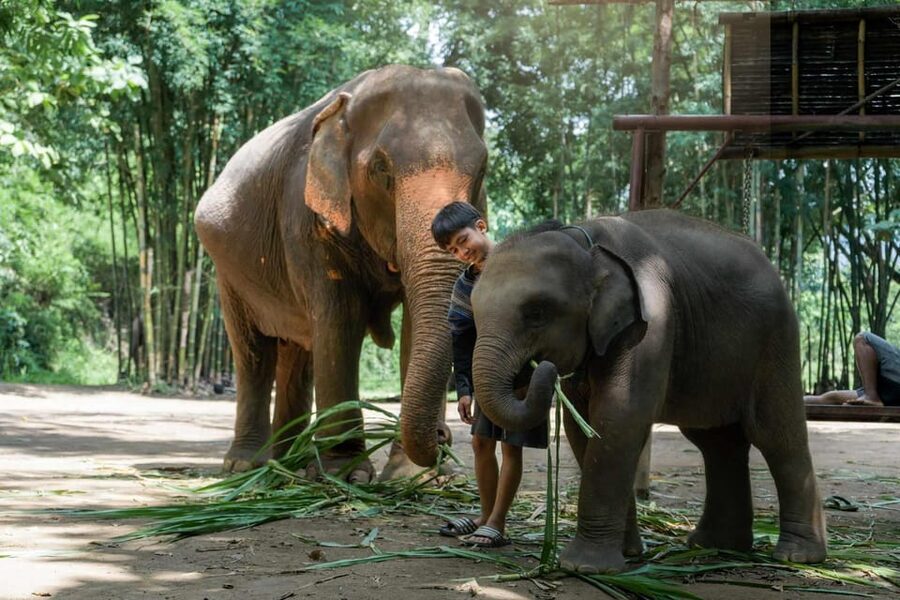
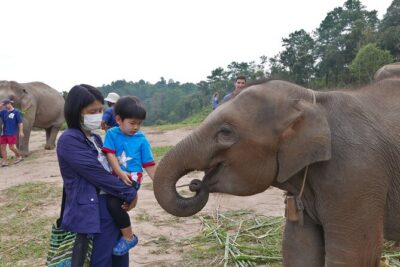
The first close encounter usually involves preparing or receiving food for the elephants. You then offer snacks by hand, including to baby elephants, while guides help you understand how to interact safely.
This is where the scale of the animals becomes clear. An elephant can seem calm and affectionate, but its trunk, mouth, and body are far stronger than you expect. Follow the guide’s instructions, keep your attention on the animal, and let the staff direct the contact.
Photos are part of the visit. Guides help take pictures, and the setup may include an orderly line for individual shots. That is one of the few clearly structured parts of the experience. If you want a completely unplanned encounter, the photo time may feel arranged, but it also helps everyone get a turn without crowding the animals.
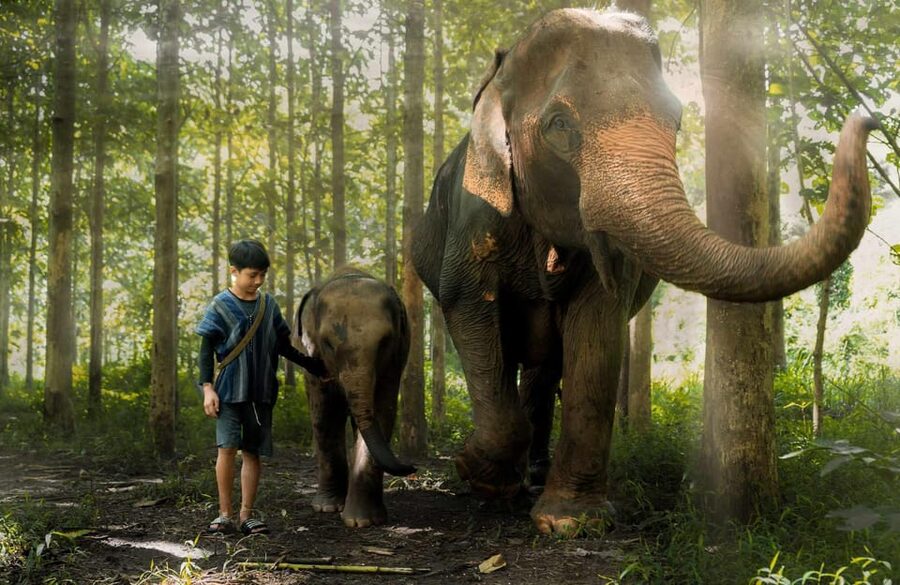
The presence of two baby elephants has been a memorable feature for many people. Babies bring plenty of charm, but they also make it especially important to follow staff instructions. Do not assume that a young elephant is automatically safe to touch or approach without guidance.
The park has been described as having elephants that roam without obvious barriers, and the animals have appeared relaxed around caregivers and visitors. That is encouraging, though no short visit can prove every detail of an animal welfare program. I appreciate that the park begins by explaining its care work rather than treating the elephants as photo props alone.
Walking beside elephants in their own rhythm
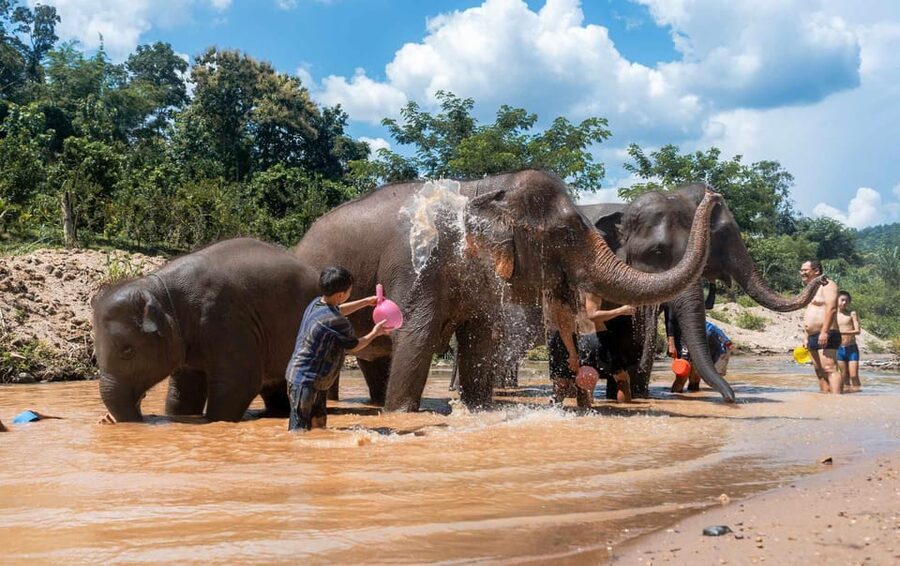
After feeding, you spend time walking with the elephants and watching them explore, bathe, and play. This part is less about a single activity and more about observing how the animals move and relate to one another.
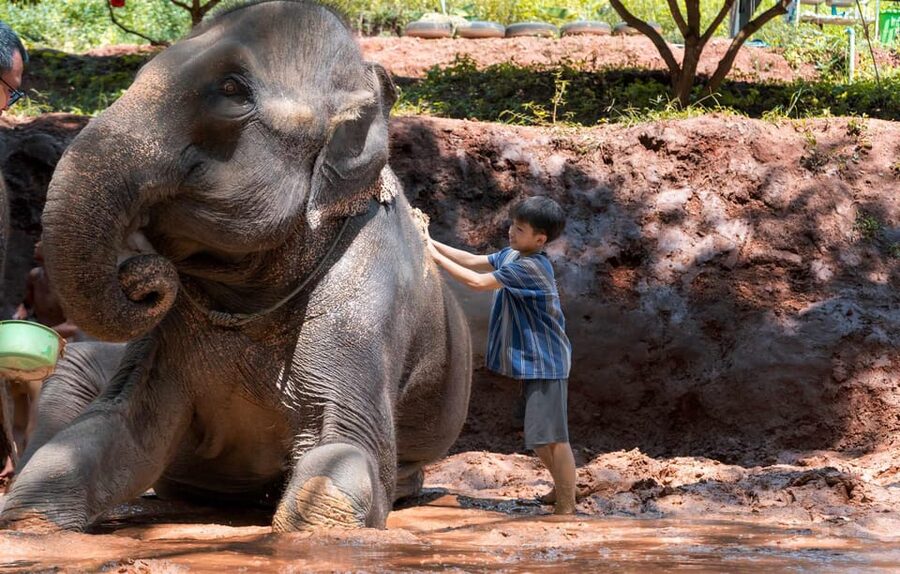
The muddy water is a highlight. You may see elephants playing together, splashing, and covering themselves in mud. Mud helps elephants protect their skin from sun and insects, and watching them choose when and how to enter the water gives you a better sense of their normal behavior than a performance would.
The walking portion also slows the day down. You are not rushing from one trick to another. You follow the elephants as they move through the park, with guides nearby to explain what is happening and keep the group organized.
Still, you should know that this is a visitor activity, not a wildlife sighting in the strict sense. Feeding, bathing, and photography are planned parts of the visit. The best approach is to treat the animals as the focus, not as guaranteed photo partners. If an elephant moves away, let it move away.
A different kind of day out of Chiang Mai altogether:
- Half-Day Thai Cooking Class at Organic Farm in Chiang Mai
★ 5.0 · 19,087 reviews - Chiang Mai: Doi Inthanon National Park Eco-Friendly Tour
★ 4.6 · 6,667 reviews - Chiang Mai: Chiang Rai Temples, Karen Tribe and Hot Springs
★ 4.7 · 5,401 reviews - Chiang Mai: Cooking Class, Market & Thai Herbs Garden Tour
★ 4.9 · 4,824 reviews
Bathing an elephant in the stream
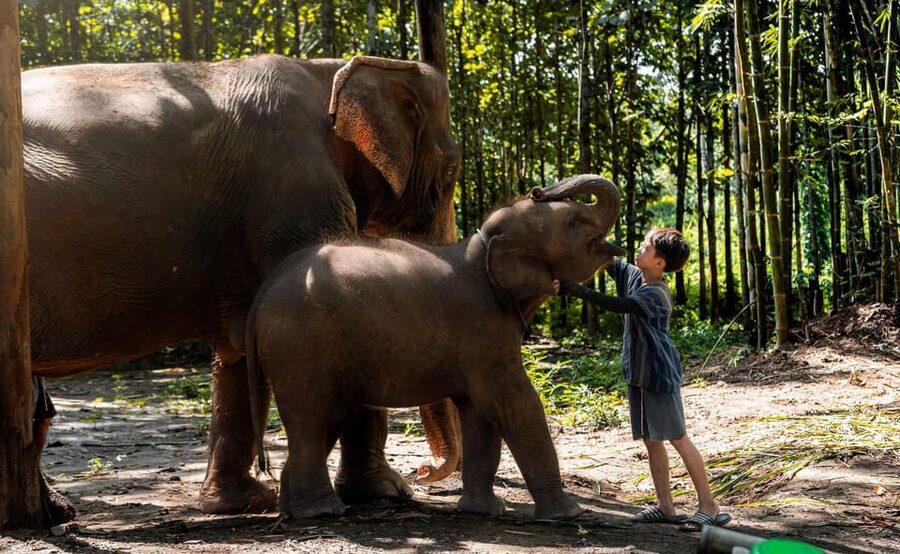
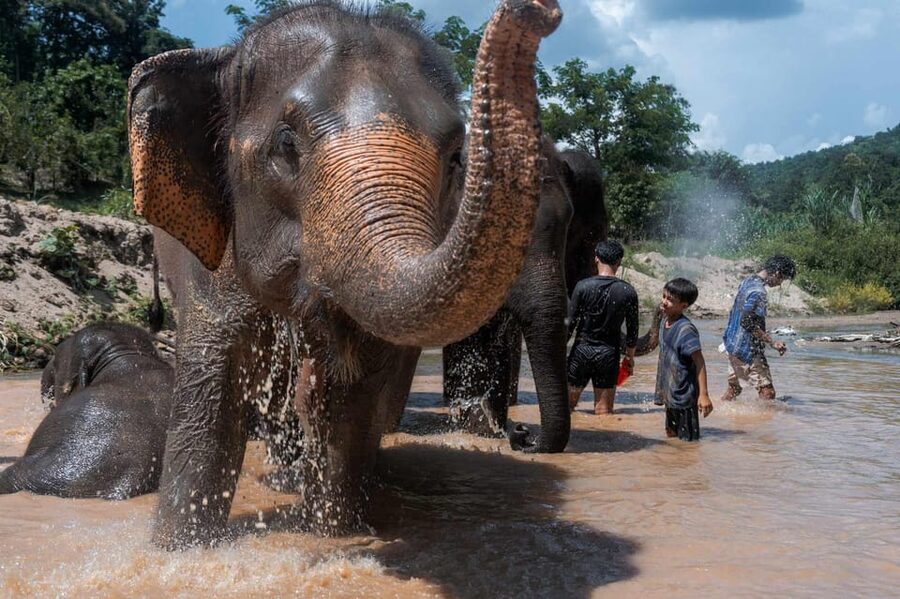
Bathing in the stream is the tour’s most hands-on moment. You help wash an elephant in flowing water, and the activity can become muddy and wet quickly.
Bring a towel, sandals, sunscreen, biodegradable insect repellent, and quick-dry clothing. Old clothes are a smart choice, and a change of clothes is especially useful after the mud and stream activities. You do not want to spend the van ride back in wet trousers.
The water setting makes this more enjoyable than a concrete wash area. You are outside, surrounded by the park’s quiet scenery, with the elephant moving through the stream rather than performing a repeated routine. Guides remain important here because they show you where to stand and how to take part without getting in the animal’s way.
Not every person wants this much physical contact with an elephant. If you prefer to observe from a distance, you can still watch the bathing and other activity, but the park’s appeal is strongest for people who want to participate. Making loud noise, lighting fires, and bringing pets are not allowed, sensible rules in a place shared with large animals and a natural setting.
Lunch, drinks, and a quiet pause
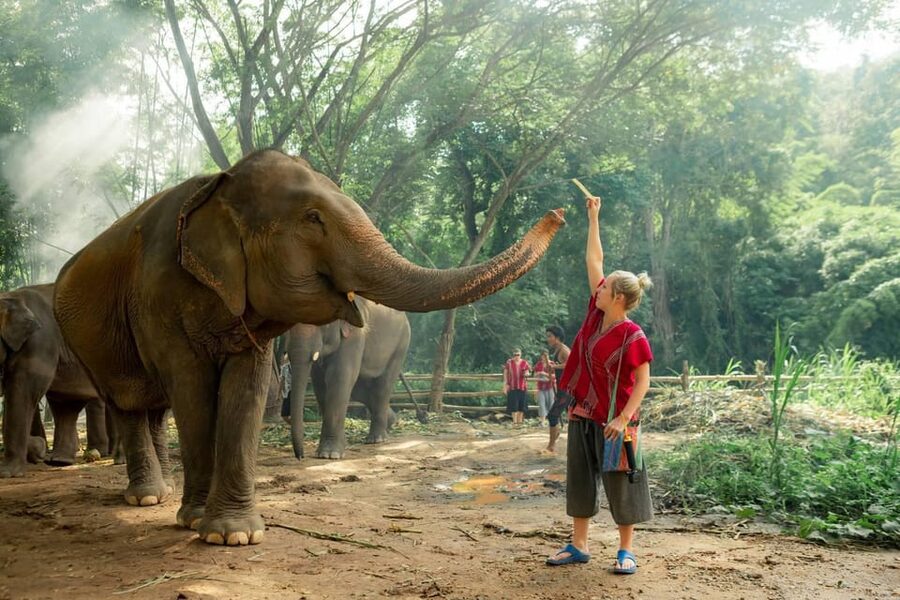
After the elephant activities, you sit down for a Thai meal with water, coffee, tea, and soft drinks. The meal is a useful finish because it gives you time to dry off, rest, and enjoy the park before the return drive.
Food quality is the weakest part of the package. Some meals have included egg fried rice and soup, while another meal was described as white rice with spring rolls and was considered too limited, particularly for someone who was not vegan. The buffet has also been described as average or in need of better quality.
So, I would value lunch as convenient rather than as a reason to book. It is included, it saves you from finding food in a rural area, and the setting adds to the pause. But if food is central to your travel plans, keep your expectations modest and consider eating something substantial before pickup.
There is some inconsistency in the wording used for the meal, with the experience described as lunch and one schedule also referring to dinner. Plan around a daytime lunch, since the total activity is a half-day visit rather than an evening dining trip.
What the $48 price really covers
The $48 fee includes round-trip transportation from Chiang Mai, entry to Kerchor Eco Elephant Park, elephant food, tribal shirts for the activities, a guide, lunch, and drinks. That is a strong package if you want transport and do not plan to hire a private driver.
The value comes from the combination of time and access. You get roughly two and a half hours at the park for feeding, walking, watching the elephants play, bathing, learning about their care, and eating. You are not paying only for a short photograph beside an elephant.
The price is less attractive if your main goal is a long, quiet observation period with no planned contact. A longer elephant program may suit you better if you want to spend more than two hours with the animals. One person who liked this shorter version still noted that visitors wanting more than two hours of elephant interaction should choose another trip.
The half-day length is a strength for many people. It works well alongside a Chiang Mai city day, a market visit, or another activity. Just remember that the 330-minute duration includes transport, so the park portion is much shorter than the headline time.
Group size, comfort, and access
The group size can affect the mood. One person felt a group of about 10 would be better, while others appreciated that the park was not too crowded and allowed plenty of photo opportunities. Since group size can vary, you should not assume a private or very small visit.
The activity is listed as wheelchair accessible, but the park includes hiking, mud, a stream, and outdoor animal contact. If you use a wheelchair or have limited mobility, ask for current details about the route and bathing area before you go. Accessibility in the van and at the park may not mean every activity is easy to reach.
The provided languages are English, Chinese, and Thai. Solo visitors can take part comfortably because guides help with photos and include people in the activities. Fai was particularly helpful to one solo participant, but the level of personal assistance will depend on the group and guide.
The tribal shirts are supplied for activities. They are practical for the setting and add a local touch, but they do not replace quick-dry clothes or a change of outfit.
Who will enjoy Kerchor most
I would choose this tour if you want close contact with elephants, clear instruction, a rural setting, and a manageable half-day schedule. It suits couples, families, solo visitors, and first-time visitors who want feeding and bathing rather than a purely observational sanctuary visit.
It is also a good fit if you care about the park’s approach to animal protection and want to hear about elephant health before contact. The veterinarian appearance reported on one visit adds particular value for people with serious questions about care.
You may want another option if you dislike long van rides, wet clothes, mud, or structured photo moments. The food is functional, not special, and the ride home may feel long after an active morning. Anyone with a tight evening schedule should leave a buffer because pickup or the return journey may take longer than expected.
The ethics question deserves a personal decision. The park explains its care work, and the elephants have been described as free to roam, well cared for, and relaxed around staff. At the same time, feeding, bathing, and close photos are organized for visitors. I would pay attention to how guides respond when an elephant wants space. Respectful handling matters more than the number of photographs you take.
Should you book this elephant park tour?
Book it if you want a friendly, hands-on introduction to elephants and value the convenience of transport, food, guides, and activities in one $48 package. The strongest parts are the feeding, baby elephants, stream bathing, and staff explanations, especially when guides such as F, Fa, Fai, or NamNam are leading the group.
Skip it if you want a long wildlife observation session, a gourmet meal, or a very short trip from central Chiang Mai. Pack clothes that can get wet, keep your afternoon flexible, and treat the elephant contact as guided participation rather than a guaranteed cuddle session. For the right expectations, Kerchor offers a warm and practical way to spend half a day outside the city.
FAQ
How long does the Kerchor Eco Elephant Park tour take?
The activity lasts 330 minutes, or about five and a half hours. The schedule includes roughly 1.5 hours by van each way and about 2.5 hours at the park.
What activities can I do with the elephants?
You can prepare or receive elephant food, feed the animals, walk with them, watch them play and bathe, and help bathe one elephant in a flowing stream.
Is lunch included?
Yes. A Thai lunch is included, along with water, coffee, tea, and soft drinks. The meal is generally simple rather than a major dining experience.
What languages are available?
Live guides are available in English, Chinese, and Thai.
Is transportation from Chiang Mai included?
Yes. Round-trip transportation from Chiang Mai is included. If your hotel is outside the pickup area, you must travel to the meeting point at the Tha Phae branch of McDonald’s.
What should I bring?
Bring a towel, sandals, sunscreen, biodegradable insect repellent, and quick-dry clothing. A change of clothes is useful because the activities can involve mud and water.
Can I bring a pet?
No. Pets are not allowed at the park. Making noise and making fires are also prohibited.
Can I cancel the booking?
You can cancel up to 24 hours in advance for a full refund. The reserve-now-and-pay-later option lets you book without paying immediately.
Newly reviewed around Chiang Mai
- Workshop Making Herbal ball & herbal inhaler★ 4.3 · 3 reviews
- Chiang Mai Zipline White Water Rafting and Elephant Sanctuary★ 4.0 · 11 reviews
- Walk With Monks Collecting Alms(meeting point maybe change)★ 4.9 · 8 reviews
- Trek to a Jungle Waterfall★ 5.0 · 14 reviews
- Zipline+Sticky waterfall+Long Neck Village Private Tour★ 5.0 · 22 reviews
- Meditation Retreat and Self-Care in Nature★ 5.0 · 4 reviews
- Full Day Yoga, Meditation, and Thai Cultural Immersion in Chiang Mai★ 5.0 · 3 reviews
- Long Neck Village, White & Blue Temple, Black House Day Tour From Chiang Mai★ 4.0 · 14 reviews
Chiang Mai Elephant Sanctuary Visits, compared.
Elephant Sanctuary, Waterfall & Bamboo Rafting
Read our review →
Elephant Sanctuary Feeding Program Half-Day Tour
Read our review →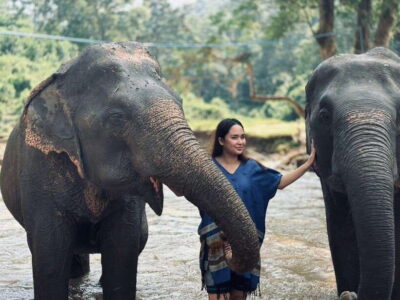
Elephant Sanctuary, Long Neck & Sticky Waterfall
Read our review →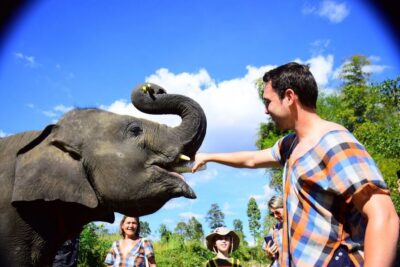
3-in-1: Doi Inthanon Tour, Elephant Sanctuary, and Trekking Trail
Read our review →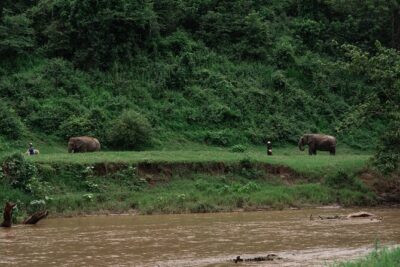
Chiang Mai Elephant Sanctuary, Bamboo Rafting and Waterfall Tour
Read our review →
Browse the lists this tour appears in