
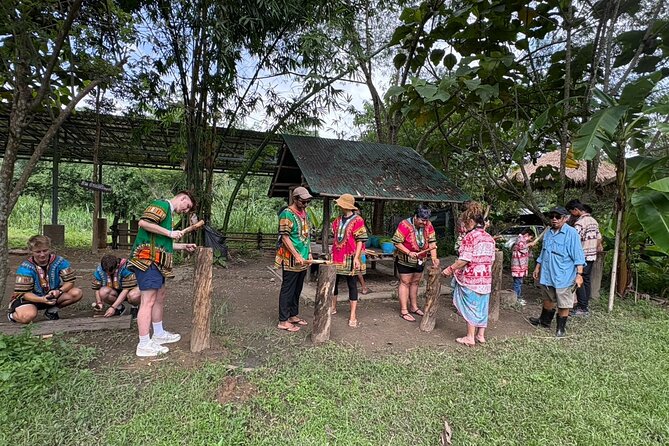
Reviewed · CHIANG MAI
Chiangmai Half Day Visit and Wildlife Experience
Smile Elephant Chiangmai gives you close contact with elephants without elephant riding. At the Banchang project, local caretakers explain the animals’ care, then you can feed them, touch them, take photos, and help wash them in the river.
I like the clear welfare focus and the chance to support food, veterinary care, rescue, and daily sanctuary work. I also like the friendly guide service, with Boy, Jack, Adison, and Arison singled out for humor and patient help. The main consideration is the moderate fitness level needed for a half-day outdoor visit, and a group of up to 30 may feel less personal than a small private tour.
Key points
- No elephant riding: The experience centers on feeding, respectful contact, and washing rather than performances or rides.
- A working rescue project: Your fee helps fund food, veterinary care, elephant rescue, and sanctuary management.
- River washing included: You may help wash the elephants in a natural setting, one of the most hands-on parts of the visit.
- Local Thai caretakers: The cooperative brings together traditional elephant handlers and people from the surrounding community.
- Friendly named guides: Boy, Jack, Adison, and Arison are associated with warm, funny, helpful guiding.
- Half-day format: The 8:00 am start and roughly five-and-a-half-hour duration leave room for other Chiang Mai plans.
Meeting the elephants at Smile Elephant Chiangmai
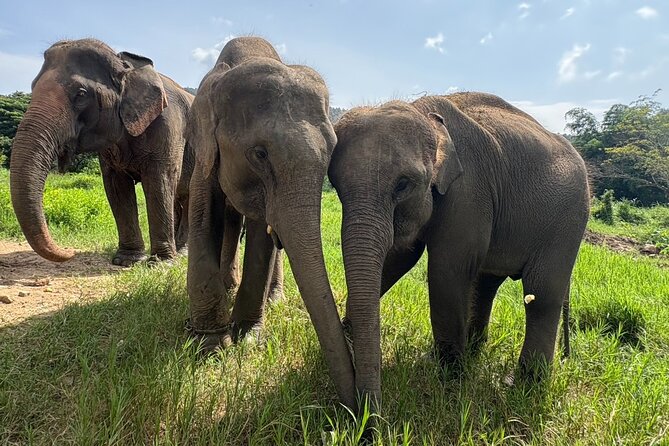
The heart of this half-day outing is Smile Elephant Chiangmai, an ethical tourism project in Banchang, outside Chiang Mai. The setting is intended to feel natural rather than theatrical, with the elephants cared for by local people who have a direct role in their daily lives.
That distinction matters. Elephant tourism in Thailand can be hard to judge from a brochure alone. A responsible visit should give you a clear idea of how the animals are treated and how your money helps them. Here, the stated work includes elephant rescue, food, veterinary care, and general sanctuary management.
You are not simply paying for a photograph with a large animal. You are helping support the ongoing cost of looking after elephants that need a safer and better quality of life. Food, medical attention, land, staff, and daily care are expensive. A visit that contributes to those needs has more value than one built around quick entertainment.
The cooperative also links elephant caretakers with residents of the local community. That gives the visit a cultural side, since you are learning about a Thai tradition of elephant care from people connected to it. Do not expect a formal museum presentation. The useful part is the direct explanation of how the project works and why welfare guides the activities.
Other Chiang Mai days people book alongside this one:
- Half-Day Thai Cooking Class at Organic Farm in Chiang Mai
★ 5.0 · 19,087 reviews - Chiang Mai: Elephant Sanctuary, Waterfall & Bamboo Rafting
★ 4.9 · 9,160 reviews - Chiang Mai: Doi Inthanon National Park Eco-Friendly Tour
★ 4.6 · 6,667 reviews
An 8:00 am start and a five-and-a-half-hour plan

The tour begins at 8:00 am and lasts about five hours and 30 minutes. Pickup is offered, which can make the morning easier if you are staying in Chiang Mai and do not want to arrange your own route to Banchang.
The exact pickup details are not provided, so check the meeting instructions carefully after booking. The early start is worth noting when planning your day. You will need to be ready in the morning, and the outing takes up most of that first half of the day.
I like this timing for a short Chiang Mai stay. You get a substantial elephant experience without giving up an entire day. Afterward, you still have time for food, markets, temples, or a quiet afternoon. The tradeoff is that the schedule may feel full if you prefer slow mornings.
A group can include up to 30 people. That is not a tiny private outing, so your sense of personal attention may depend on how the group is organized that day. Still, a group of this size can work well for an outdoor activity, especially when guides divide people naturally around the elephants.
Learning how the rescue project works
Before the hands-on activities, expect an explanation of the sanctuary’s purpose and the care the elephants receive. The guide introduces the rescue mission and explains how visits help provide food, veterinary services, and daily support.
This is one of the most useful parts for a first-time elephant visit. You learn to see the sanctuary as a care operation, not just a sightseeing stop. The elephants’ well-being should shape the pace and type of contact, and the project’s stated approach puts their health and happiness first.
The local guides also provide context about traditional Thai elephant caretakers. That connection helps explain why elephants remain tied to local livelihoods and customs, while also showing why modern care standards matter.
Names attached to the guiding team include Boy, Jack, Adison, and Arison. The available feedback repeatedly highlights guides who are friendly, funny, and helpful. Boy is described as having a good sense of humor, while Jack is praised for keeping a smaller group comfortable and engaged. Adison and Arison are also associated with clear guidance and a warm manner.
Guide quality matters here. You are close to a powerful animal, so you need simple instructions and calm supervision. A good guide helps you understand where to stand, how to approach, and when to give the elephant space.
Feeding elephants up close
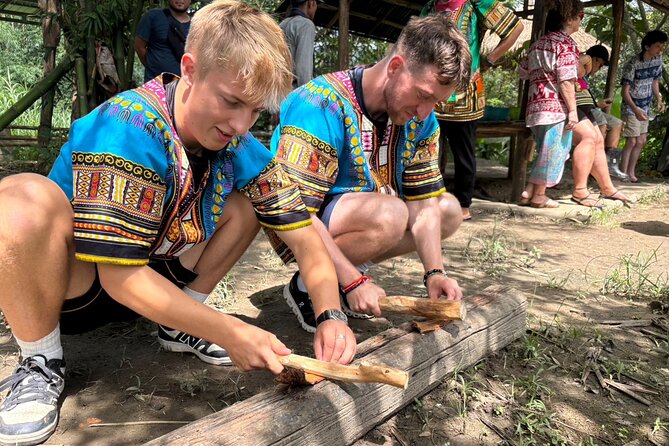
Feeding is likely to be your first direct contact with the elephants. It is a simple activity, but it gives you time to watch the animals’ behavior rather than rush straight into a staged photo.
You can expect to offer food at close range and learn how to do so safely. The experience is designed to be respectful, not rough or showy. The elephants’ size can feel intimidating at first, especially if you have never stood beside one. One account describes initial nervousness followed by a much more relaxed response once the animals proved gentle and affectionate.
That change in mood is part of the appeal. You begin by watching the guide and following instructions. Then you become more comfortable with the elephants’ movements, sounds, and curiosity. I would keep your attention on the animal, not only on your camera. The best part of feeding is noticing how individual elephants behave.
You should also expect some waiting if several people are taking turns. With a maximum of 30 participants, the experience may not give everyone uninterrupted time at the front. Patience helps, and it is better to let the elephants set the pace than to push for constant contact.
A different kind of day out of Chiang Mai altogether:
- Chiang Mai: Elephant Sanctuary & Waterfall Group Tour
★ 4.9 · 5,780 reviews - Chiang Mai: Chiang Rai Temples, Karen Tribe and Hot Springs
★ 4.7 · 5,401 reviews - Chiang Mai: Cooking Class, Market & Thai Herbs Garden Tour
★ 4.9 · 4,824 reviews - Chiang Mai: Authentic Cooking Class with Market & Farm Visit
★ 4.9 · 4,546 reviews
Washing elephants in the river
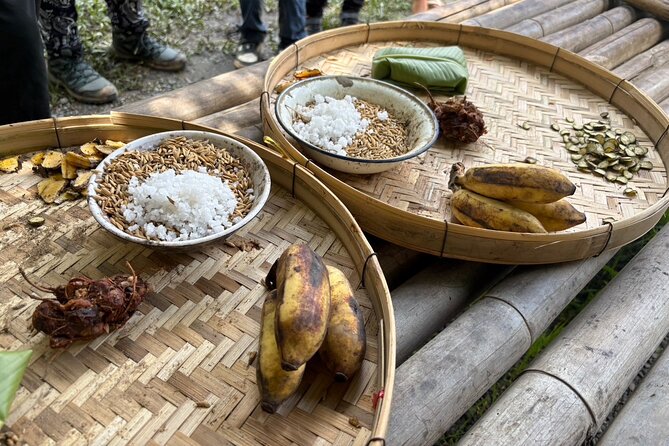
The river washing session is the most distinctive hands-on element. You may help wash the elephants in the water, giving you a chance to interact with them in a more natural setting.
This activity is also where the moderate fitness requirement becomes relevant. You should be ready for an outdoor experience that involves moving around rather than sitting through a presentation. The information provided does not specify the river conditions, changing facilities, or exactly what equipment is supplied, so ask the operator if those details matter to you.
Washing an elephant can be fun, but it should not become a contest to scrub or splash. Follow the guide’s instructions and respect the animal’s mood. A responsible sanctuary should allow the elephant to move away or stop when needed.
The water session also offers good photo opportunities. You may be able to take pictures while feeding, washing, and standing near the elephants. Keep in mind that photographs are a bonus, not the purpose of the visit. Your best images will come when the interaction remains calm and unforced.
A closer look at ethical elephant tourism
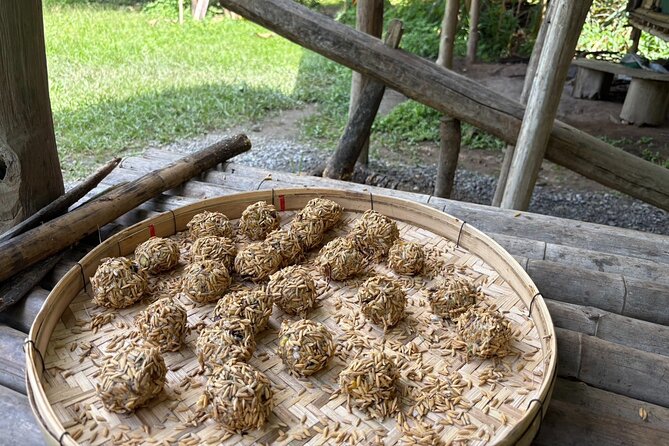
The strongest reason to consider this experience is its stated rejection of elephant riding and harmful treatment. A visit built around feeding and care is a better choice than one that asks elephants to perform tricks or carry people.
That does not mean you should switch off your judgment. Ethical tourism is not a label you need to accept without thought. Pay attention to how the guides handle the animals, whether elephants can move freely, and whether contact is encouraged only when it appears comfortable for them.
The available information presents Smile Elephant Chiangmai as a project focused on welfare and rescue. It also describes the visit as transparent and animal-friendly. The practical value for you is that the tour explains where your payment goes: food, veterinary care, rescue, and running the sanctuary.
No animal encounter is completely hands-off, and some people prefer to observe elephants from a greater distance. If that is your preference, this may feel more interactive than you want. If you appreciate direct contact but want to avoid riding, the balance should suit you better.
Local food and a community connection
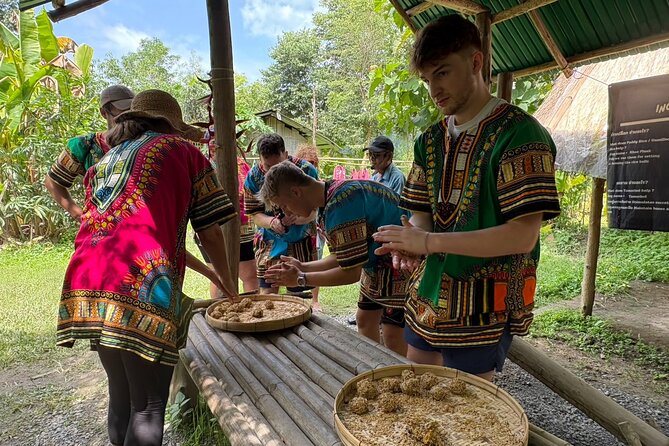
The visit includes local culture as part of the broader experience. The project is run through a cooperative of elephant caretakers and local residents, so the outing is not separated from the people and traditions of the area.
A local pad thai has been served at the end of the activity. That gives the morning a practical finish and adds a taste of everyday Thai cooking to the animal visit. Food details can vary, so think of it as part of the experience rather than the main reason to book.
I like this combination because it keeps the visit grounded. You learn about animal care, meet local staff, spend time outdoors, and share a simple Thai meal. It feels more connected to the community than a quick stop designed only for a photograph.
The meal may also be helpful after an active morning. Since the tour runs for several hours, having food included can add value and reduce the need to plan a separate breakfast or lunch immediately afterward. The available details do not list dietary options, so mention any food needs when arranging your booking.
Is $51.84 a fair price?
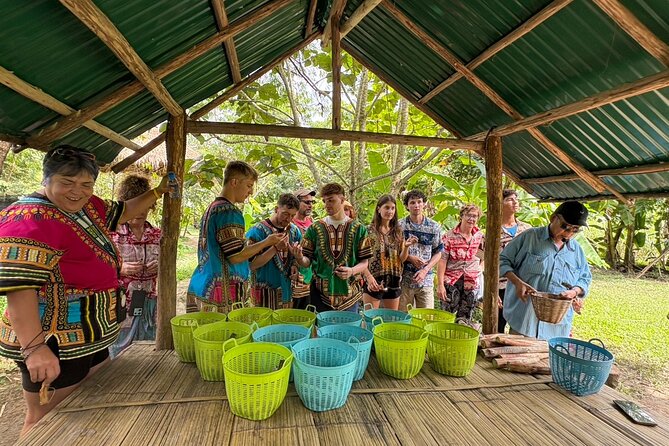
At $51.84 per person, the price is reasonable if you value a guided half-day visit with pickup offered and a clear welfare focus. You are paying for more than entry to an animal enclosure. The fee supports food, veterinary care, rescue work, staff, and the daily running of the project.
The value is strongest for someone who wants a planned experience without spending a full day at a sanctuary. The five-and-a-half-hour schedule gives you time for explanation, elephant contact, river washing, photographs, and a local meal.
A larger group can make the price more accessible, though it may reduce personal attention. If you want a private guide, a longer visit, or a more specialized conservation lesson, this may not meet every expectation. Those features are not listed, so do not assume they are included.
The current satisfaction record is strong, with 100 percent recommending the experience and a five-star rating from 13 reviews. That is encouraging, though the sample is still small. I would treat it as a useful signal rather than a guarantee that every visit will feel identical.
Who will enjoy this half-day visit?
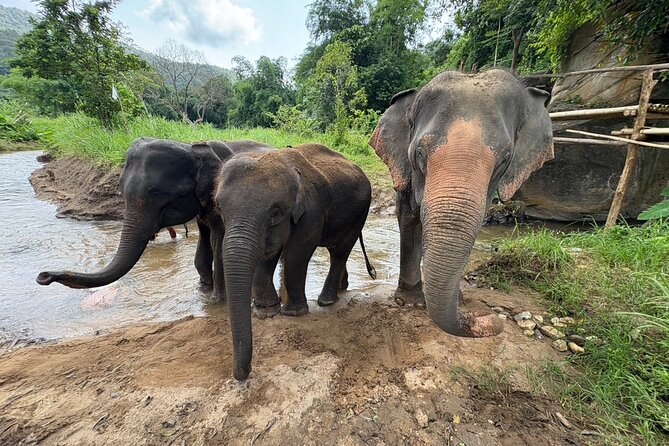
This experience is a good fit if you want meaningful contact with elephants but do not want to ride them. It also suits people who appreciate hearing how a rescue project works and who want their spending to support animal care.
Families may enjoy the feeding and washing activities, though the moderate fitness requirement and outdoor setting should be considered. The information does not provide a minimum age, so confirm child rules before booking if you are bringing young children.
Nature lovers should find the setting and river activity appealing. Photography fans will have plenty of chances to capture close views, though you should keep your camera secondary to the animals’ comfort.
It may be less suitable if you dislike wet activities, need a very gentle physical schedule, or want a fully private experience. A maximum of 30 people is manageable, but it is not the same as having a guide and elephant encounter reserved only for your party.
The early start also matters. Book it when you can be ready for an 8:00 am departure and still have energy for several hours outside.
Booking and cancellation details
Confirmation is provided when you book, and mobile tickets make it easy to keep the reservation on your phone. Pickup is offered, but the supplied details do not explain the pickup zone or exact meeting arrangements, so read the confirmation closely.
You can cancel for a full refund up to 24 hours before the local start time. Cancellations made less than 24 hours before the start are not refunded, and changes inside that period are not accepted. If your Chiang Mai plans are uncertain, make the decision before that cutoff.
Should you book Smile Elephant Chiangmai?
I would book this experience if you want a half-day elephant visit centered on feeding, care, and river washing rather than riding or performances. The rescue mission, local caretakers, helpful guides, and included food give the outing more substance than a quick animal photo stop.
I would pause if you need a private group, have limited mobility, or want detailed information about transport, facilities, or dietary arrangements before paying. Ask those questions first.
For most people seeking a responsible elephant encounter near Chiang Mai, the combination of welfare education, close contact, and a manageable five-and-a-half-hour schedule makes $51.84 a fair buy. Go with realistic expectations: this is a working sanctuary visit, not a polished theme-park show.
FAQ
What time does the experience start?
The experience starts at 8:00 am.
How long does the tour last?
The activity lasts approximately five hours and 30 minutes.
Is pickup available?
Yes, pickup is offered. Exact pickup details are provided with the booking information.
How many people can join the tour?
The maximum group size is 30 people.
What activities can I do with the elephants?
You can learn about elephant care, feed the elephants, touch them, take photographs, and help wash them in the river. Elephant riding is not part of the stated experience.
Can I cancel for a full refund?
Yes. You must cancel at least 24 hours before the local start time to receive a full refund. Cancellations or changes made less than 24 hours before the start are not accepted for a refund.
Newly reviewed around Chiang Mai
- Workshop Making Herbal ball & herbal inhaler★ 4.3 · 3 reviews
- Chiang Mai Zipline White Water Rafting and Elephant Sanctuary★ 4.0 · 11 reviews
- Walk With Monks Collecting Alms(meeting point maybe change)★ 4.9 · 8 reviews
- Trek to a Jungle Waterfall★ 5.0 · 14 reviews
- Zipline+Sticky waterfall+Long Neck Village Private Tour★ 5.0 · 22 reviews
- Meditation Retreat and Self-Care in Nature★ 5.0 · 4 reviews
- Full Day Yoga, Meditation, and Thai Cultural Immersion in Chiang Mai★ 5.0 · 3 reviews
- Long Neck Village, White & Blue Temple, Black House Day Tour From Chiang Mai★ 4.0 · 14 reviews