
Reviewed · CHIANG MAI ELEPHANT SANCTUARY VISITS
Chiang Mai: Elephant Sanctuary & Waterfall Group Tour
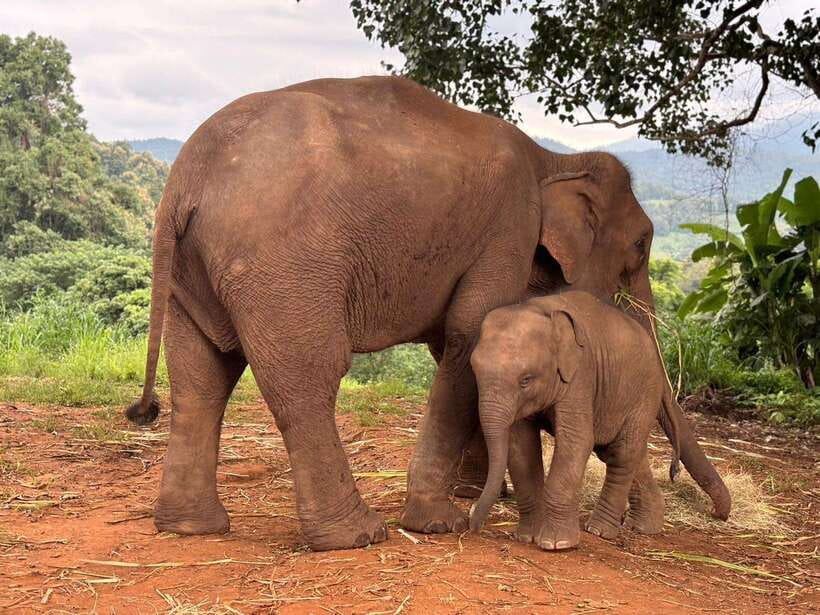
The best part of this Chiang Mai day trip is the close contact with rescued elephants without elephant riding or forced tricks. You feed them, walk beside them, watch them forage, and help cool them in the river before heading into the forest to Mae Wang Waterfall.
I like the long elephant session and the mix of animal care, local food, and mountain scenery. I also like that guides such as Beer, Yaya, Nop, and Amy are known for explaining elephant behavior and helping with photos. The main drawback is the long road trip, about 80 minutes each way, plus wet, muddy walking that may not suit everyone.
Key points to know before booking
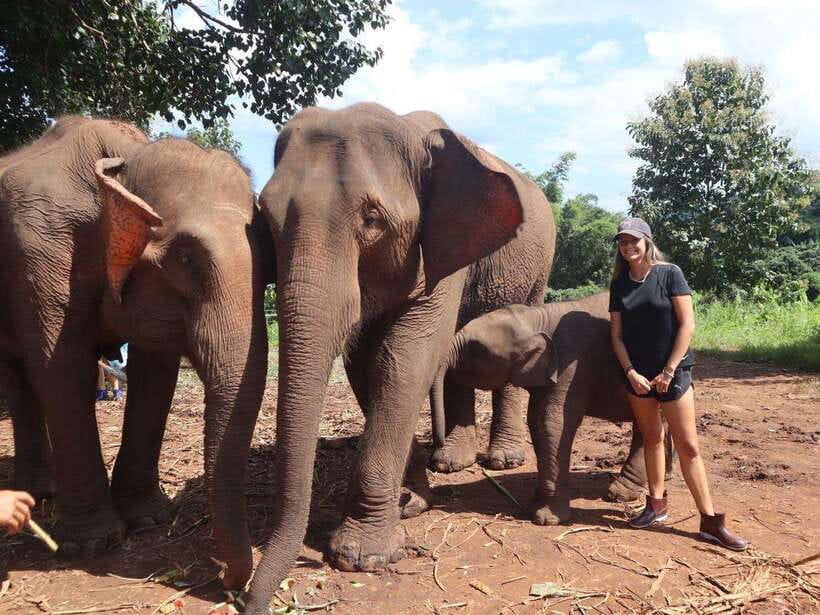
- Three hours with rescued elephants: Feed, touch, walk beside, and bathe them while learning their individual stories.
- No riding or forced performances: The program is built around observing elephants at their own pace.
- Mae Wang Waterfall adds a proper nature stop: Expect a short forest hike and time to cool off, conditions permitting.
- Hotel pickup is limited to central Chiang Mai: You can also meet at the town office or Pon Elephant Thailand.
- Lunch, fruit, water, and elephant food are included: Bring cash for personal needs and your own towel.
- Wear real walking shoes: Sports shoes or trainers are more useful than sandals on the forest paths.
An 80-minute ride from Chiang Mai into Mae Wang
This is a full seven-hour outing, and much of the first and last part is spent in a van. Pickup is available from hotels in Chiang Mai city center, with a meeting-point option if that works better for you. You are asked to wait in the hotel lobby 10 minutes before the confirmed pickup time.
The drive heads southwest from Chiang Mai toward Mae Wang district. Along the way, you might see villages, farms, rice fields, Buddhist temples, and roadside life that feels far removed from the city’s cafés and old-town lanes. The ride is not a quick transfer, but it gives the day a clear change of pace.
I would use this time to settle in, drink water, and keep a little room in your schedule. The tour uses a comfortable vehicle, but anyone prone to motion sickness should take the warning seriously. The road trip is part of the price of reaching the forest sanctuary and waterfall.
Pickup is only included from Chiang Mai city center. If your accommodation is outside that area, confirm the arrangement before booking rather than assuming a door-to-door transfer.
More Elephant Sanctuary Visits near Chiang Mai:
- Chiang Mai: Elephant Sanctuary, Waterfall & Bamboo Rafting
★ 4.9 · 9,160 reviews - Chiang Mai: Elephant Sanctuary Feeding Program Half-Day Tour
★ 4.8 · 4,527 reviews - Chiang Mai: Elephant Sanctuary, Long Neck & Sticky Waterfall
★ 4.9 · 2,262 reviews
Meeting rescued elephants at Pon Elephant Thailand
At Pon Elephant Thailand, the day begins with an introduction to Asian elephants, African elephants, and the sanctuary’s approach to care. Your English-speaking guide explains the animals’ backgrounds and helps you understand how to behave around them.
The sanctuary works with elephants rescued from labor and circus settings, as well as animals that cannot return to the wild. That context matters. You are not simply stopping for a photo with a captive animal. You are being shown how these elephants live now and why food, medical care, and visitor income matter to their continued care.
The most useful lesson is to let the elephants set the pace. The information provided says they are not forced to perform activities, and riding is prohibited. That means the day is centered on watching natural behavior rather than asking the animals to provide a show.
Guides have been a major strength. Beer is praised for keeping the day organized, answering questions, and taking excellent photos. Yaya is known for explaining elephant history as well as local plants. Nop has a reputation for clear information and a cheerful manner, while Amy is often noted for being welcoming and attentive. Your assigned guide may be someone else, but the guide team is clearly central to the experience.
Feeding, touching, and walking with the elephants
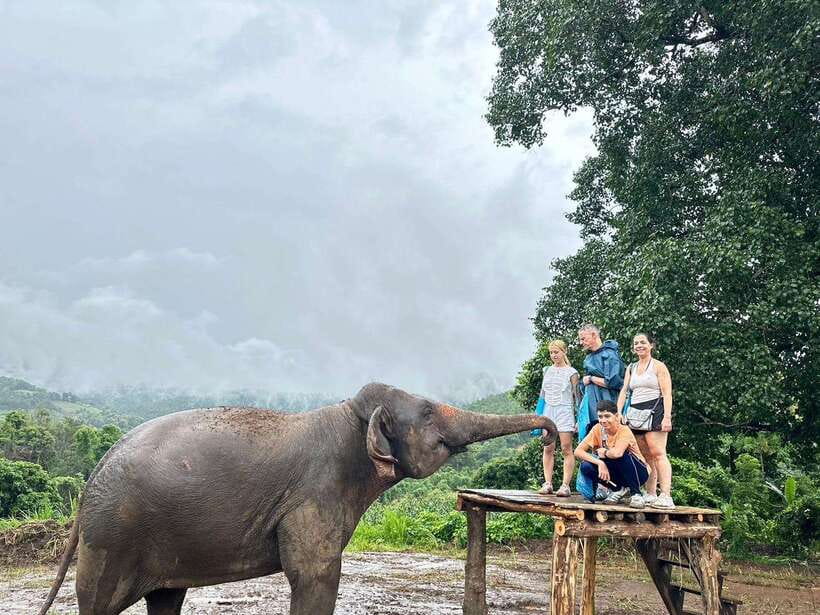
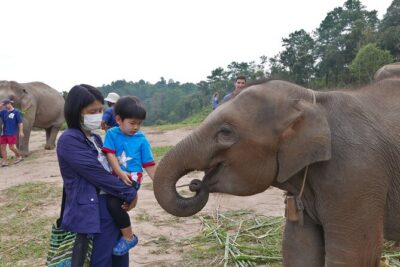
Food is the first bridge between you and the elephants. The sanctuary provides food for feeding, and the guide shows you how to offer it safely. The simple lesson is memorable: food helps create trust, but you still need to respect the animal’s size, mood, and personal space.
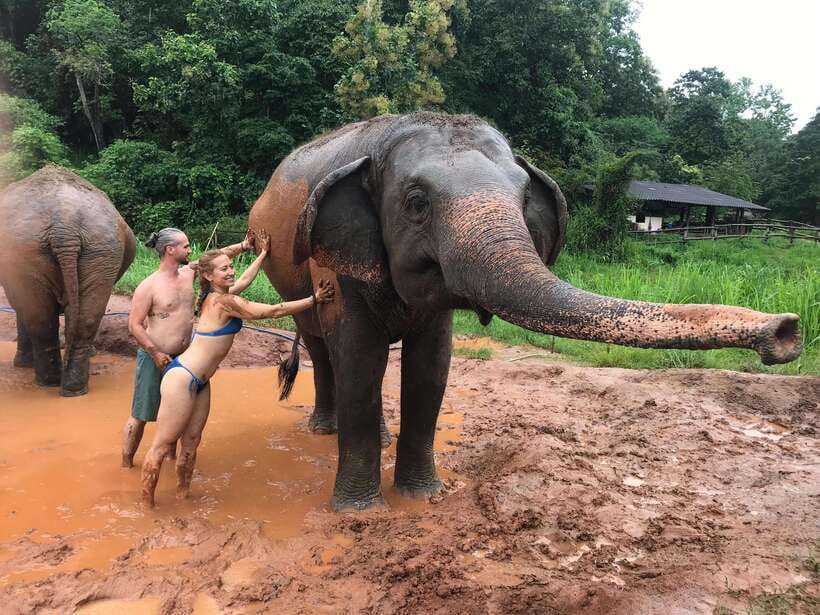
You may feed bamboo, touch the elephants, and walk around them as they forage. The setting is meant to feel natural, with elephants moving through their surroundings instead of standing in one fixed place for a performance. You may also see elephant families interacting with each other.
This part can feel busy because several elephants may gather around the food. That is exciting, but it is also the moment to listen closely to the handlers. Stay calm, follow instructions, and avoid sudden movements. The guides help you move closer when it is suitable, while giving animals that need more space a wider berth.
The chance to observe different personalities is more valuable than collecting a quick photograph. Some elephants may be eager for treats. Others may wander off, pause to forage, or show less interest in people. That variation is a good sign of an animal-centered visit, though it also means you should not expect every planned interaction to happen on command.
Cooling off in the river with the elephants
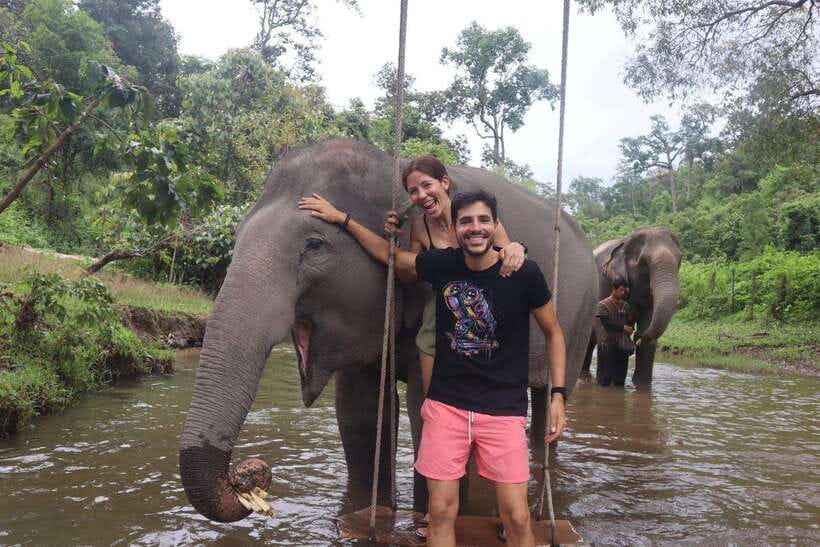
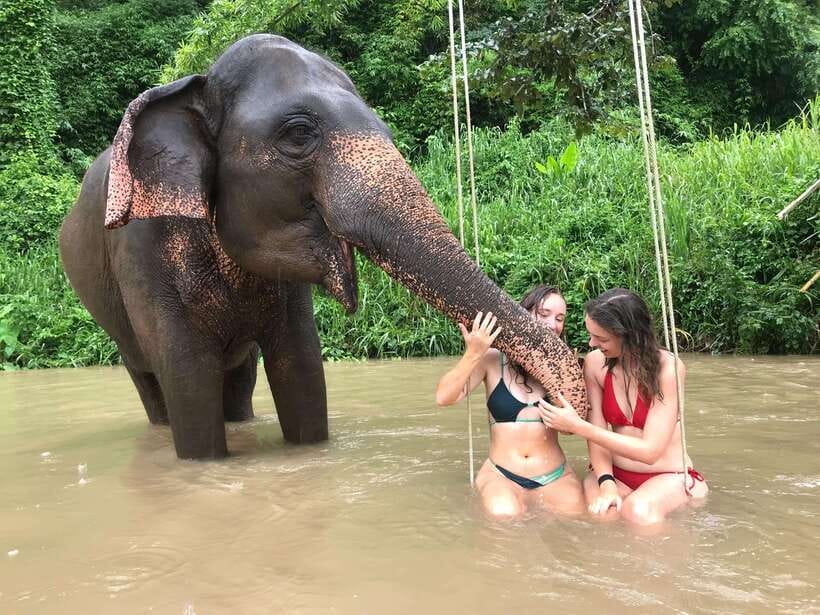
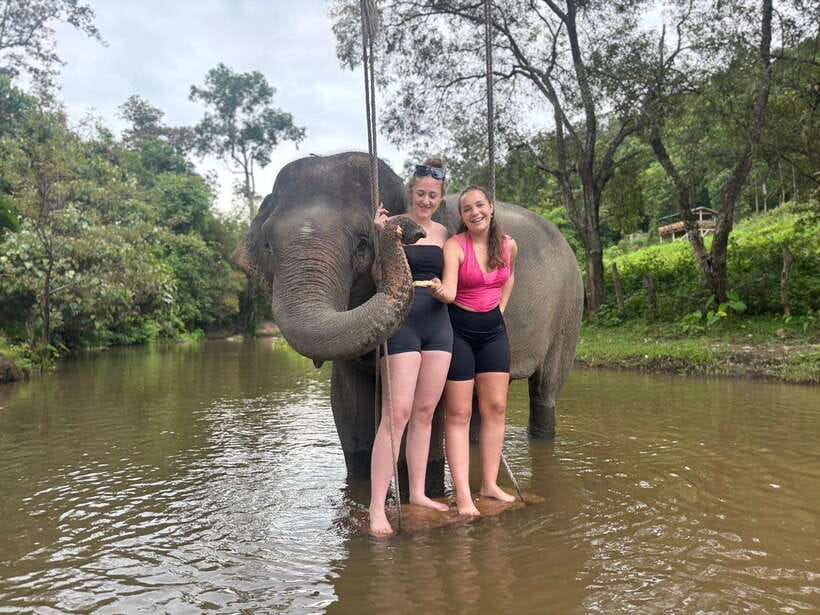
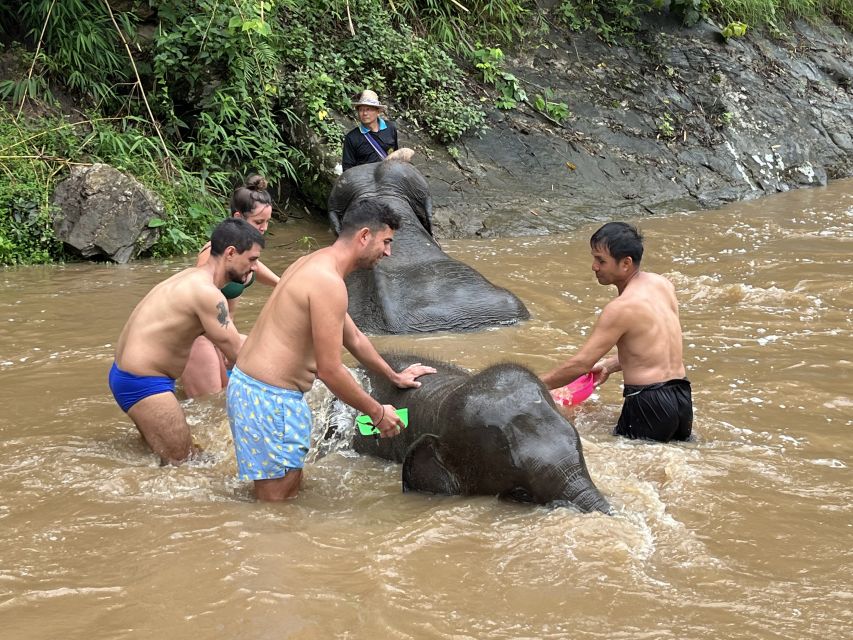
Bathing the elephants in the river is one of the day’s main activities. You help cool them down in their natural home, and the river provides relief during Chiang Mai’s hot weather.
This is also the wettest part of the tour. Water can splash, clothing can get dirty, and the riverbank may be uneven. Pack swimwear, a towel, and a complete change of clothes. Sandals are useful near the water, but keep sports shoes or trainers for the walking sections.
The bathing session works best when you treat it as care rather than entertainment. The elephants may enjoy the cool water, but they remain large, powerful animals. Follow the staff’s directions and let the handlers decide where you should stand and how close you should get.
After the river, you have time to shower and pack your things. Do not put your only pair of shoes into a wet bag and expect them to recover quickly. A small waterproof bag for your phone and spare clothes would also be sensible, though a waterproof bag is not listed as part of the tour.
A different kind of day out of Chiang Mai altogether:
- Half-Day Thai Cooking Class at Organic Farm in Chiang Mai
★ 5.0 · 19,087 reviews - Chiang Mai: Doi Inthanon National Park Eco-Friendly Tour
★ 4.6 · 6,667 reviews - Chiang Mai: Chiang Rai Temples, Karen Tribe and Hot Springs
★ 4.7 · 5,401 reviews - Chiang Mai: Cooking Class, Market & Thai Herbs Garden Tour
★ 4.9 · 4,824 reviews
Thai lunch, fruit, and a taste of local hospitality
Lunch is included, along with drinking water, seasonal fruit, and Thai desserts. The meal is served after the elephant activities according to the described program, giving you a chance to sit down and dry off before the waterfall portion.
The food is more than a practical refueling stop. It adds a local touch to a day that could otherwise feel like a wildlife encounter designed only for visitors. You can expect traditional Thai food rather than a generic packed lunch, though the exact dishes are not specified and may change with the season.
The fruit and desserts are useful after several hours outside. Bring cash for anything extra, since cash is listed among the suggested items. If you have personal medicine, bring it with you, as the operator specifically advises this.
Hiking to Mae Wang Waterfall
After Pon Elephant Thailand, the tour continues to Mae Wang Waterfall, a natural stop connected to Doi Inthanon Mountain. The walk takes you through forest, and the waterfall provides a refreshing change from the elephant area.
The itinerary allows about one hour here. That is enough for a short hike, photos, and a swim if conditions are safe. It is not a full-day trek, so you should think of the waterfall as a pleasant second act rather than the main event.
Water conditions can change after heavy rain. The operator warns that swimming may not be possible when the river is high or the current is unsafe. Safety comes first, and the guide may adjust the plan. One group was taken to another nearby waterfall when the first option was unavailable, which shows why you should expect some flexibility rather than a fixed picture-perfect schedule.
Wear shoes with a decent grip for the forest path. The suggested packing list includes hiking pants, sports shoes, sandals, swimwear, sunscreen, and insect repellent. That combination tells you what kind of day this is: outdoors, active, and likely to involve mud or water.
What the $50 price really covers
At $50 per person, this is a strong-value day if you want several activities bundled into one organized outing. The price includes central Chiang Mai transfers, an English guide, drinking water, lunch, food for the elephants, the sanctuary visit, and the waterfall stop.
The long transfer would cost time and money to arrange independently, and the guide adds real value by handling introductions, animal-safety instructions, timing, and translation. Guides also help take photos, which is useful when you are busy feeding or bathing elephants.
The price is less compelling if your only goal is a quick waterfall visit or a brief elephant photo. You are paying for a seven-hour program, and nearly three hours are devoted to the sanctuary. It is also a group tour, so you will share the schedule and animal areas with other participants.
The 4.9 rating from 5,780 reviews reflects unusually strong satisfaction, especially with the guides, animal care, lunch, and amount of time spent with the elephants. Still, ratings cannot remove the practical limits. The drive is long, the day is active, and the sanctuary experience depends partly on elephant behavior and weather.
Who will enjoy this day most
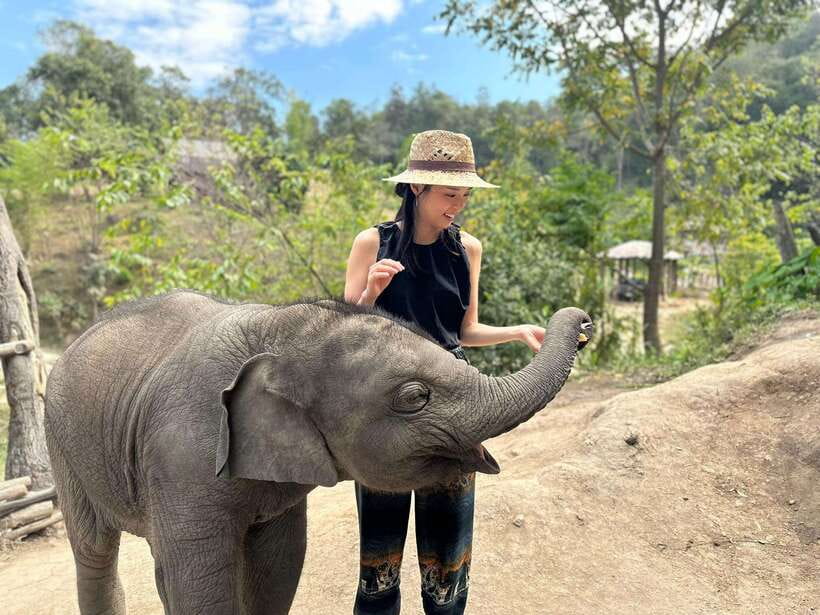
I would recommend this tour to you if you want a first elephant-care experience with a clear no-riding policy and plenty of time near the animals. It suits couples, families with older children, solo visitors, and anyone who wants to combine wildlife, food, and a forest stop without arranging several separate trips.
Families should check the age and health limits carefully. The activity is not suitable for children under two, pregnant women, wheelchair users, people with serious mobility or heart concerns, people with epilepsy, recent surgery, vertigo, respiratory issues, high blood pressure, animal or insect allergies, or a low fitness level. It is also not recommended for people over 70, those with motion sickness, or people with visual or hearing impairments.
That list is broad, so do not treat it as a minor footnote. The day involves a long vehicle ride, uneven paths, proximity to large animals, water, heat, and insects. If you have a medical condition that is not clearly covered, ask before paying.
The tour can work for younger children beyond the stated minimum. One family with children aged four and seven had a good experience, though the younger child was initially hesitant around the elephants. A child who is nervous around animals may need time and should never be pushed into touching one.
What to pack for a dry and comfortable day
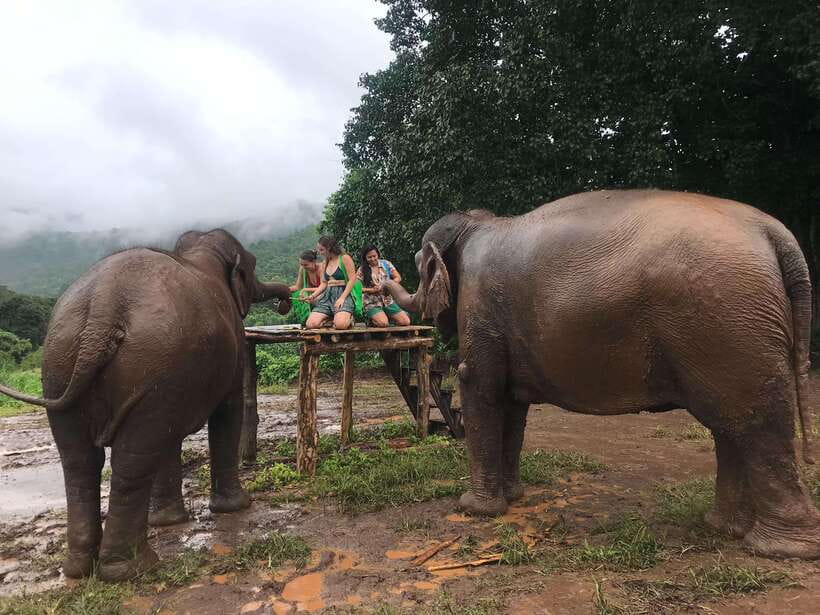
Bring swimwear, a towel, a full change of clothes, sunscreen, insect repellent, hiking pants, sports shoes, sandals, a camera, cash, and any personal medicine. The towel and change of clothes are not included, so do not leave them at the hotel.
I would wear trainers or trail shoes for most of the day and change into sandals near the river and waterfall. One participant found having both useful, since the first stop required proper walking shoes and the water stations favored something easy to remove.
Keep your camera or phone protected around the elephants and river. The guides may take photos for you, but you should still bring your own camera if pictures matter to you. Also carry your passport number, which is requested for insurance details.
Should you book the Pon Elephant Thailand tour?
Book it if you want a substantial elephant encounter built around feeding, walking, observation, and bathing rather than riding or shows. The combination of a three-hour sanctuary visit, Thai lunch, and Mae Wang waterfall gives you more variety than a short elephant stop, and the $50 price covers the essentials.
Skip it if you dislike long van rides, group schedules, muddy paths, or getting wet. You should also choose another plan if you want a quiet, hands-off wildlife experience, since this tour includes close contact with elephants.
For most healthy visitors who have one free day in Chiang Mai, I think the balance is right. You get meaningful time with the animals, a meal, a guide who can explain what you are seeing, and a forest waterfall to finish the day. Pack properly, keep your expectations flexible, and let the elephants decide how much interaction they want.
FAQ
How long does the Chiang Mai elephant and waterfall tour last?
The tour lasts about seven hours, including the drive from Chiang Mai, the elephant sanctuary visit, the waterfall stop, and the return journey.
How long is the drive from Chiang Mai to the sanctuary?
The vehicle journey takes about 80 minutes each way.
Is hotel pickup included?
Hotel pickup and return are included for accommodations in Chiang Mai city center only. A meeting-point option is also available.
Can I ride the elephants?
No. Elephant riding is prohibited, and the elephants are not forced to perform activities.
What can I do with the elephants?
You can learn about their stories, prepare healthy snacks, feed them, touch them, walk beside them, watch them forage, and help bathe them in the river.
Is lunch included?
Yes. Traditional Thai lunch, drinking water, seasonal fruit, Thai desserts, and food for feeding the elephants are included.
Can I swim at Mae Wang Waterfall?
Swimming may be possible, but conditions change. After heavy rain, the water can be unsafe, and swimming may not be allowed.
What should I bring?
Bring swimwear, a towel, a change of clothes, sandals, sports shoes, sunscreen, insect repellent, a camera, cash, hiking pants, and personal medicine.
Can I cancel the booking?
You can cancel up to 24 hours in advance for a full refund. A reserve-now-and-pay-later option is also available.
Newly reviewed around Chiang Mai
- Workshop Making Herbal ball & herbal inhaler★ 4.3 · 3 reviews
- Chiang Mai Zipline White Water Rafting and Elephant Sanctuary★ 4.0 · 11 reviews
- Walk With Monks Collecting Alms(meeting point maybe change)★ 4.9 · 8 reviews
- Trek to a Jungle Waterfall★ 5.0 · 14 reviews
- Zipline+Sticky waterfall+Long Neck Village Private Tour★ 5.0 · 22 reviews
- Meditation Retreat and Self-Care in Nature★ 5.0 · 4 reviews
- Full Day Yoga, Meditation, and Thai Cultural Immersion in Chiang Mai★ 5.0 · 3 reviews
- Long Neck Village, White & Blue Temple, Black House Day Tour From Chiang Mai★ 4.0 · 14 reviews
Chiang Mai Elephant Sanctuary Visits, compared.
Elephant Sanctuary, Waterfall & Bamboo Rafting
Read our review →
Elephant Sanctuary Feeding Program Half-Day Tour
Read our review →
Elephant Sanctuary, Long Neck & Sticky Waterfall
Read our review →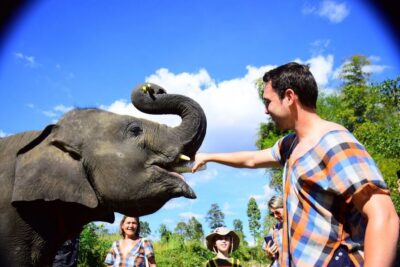
3-in-1: Doi Inthanon Tour, Elephant Sanctuary, and Trekking Trail
Read our review →
Chiang Mai Elephant Sanctuary, Bamboo Rafting and Waterfall Tour
Read our review →

Browse the lists this tour appears in