
Reviewed · CHIANG MAI STREET FOOD TOURS
Taste of Chiang Mai: Michelin Guide & Street Food Tour
Chiang Mai’s best food lesson may come in three plates, not thirty tiny bites. This two-hour Michelin food walk links local favorites with the Chinese-Thai food traditions around Warorot Market, then gives you time to sit, eat, and ask questions. Guide Natt, also called Nat, brings warmth, humor, and a serious grasp of northern Thai food and history.
I like the full-size portions, which can make the $31 price feel strong, and I like the relaxed pace. You are not hurried from stall to stall with a checklist. The market visit is also useful early in your stay because Natt points out snacks, shops, and places you might otherwise walk past.
The main drawback is that this is not a giant grazing tour. You receive three featured dishes, and some diners may find the portions surprisingly filling, while others expecting ten or more samples may want more variety. The lunch and dinner routes are also quite different, so read the option details before booking.
Quick reasons to consider this food walk
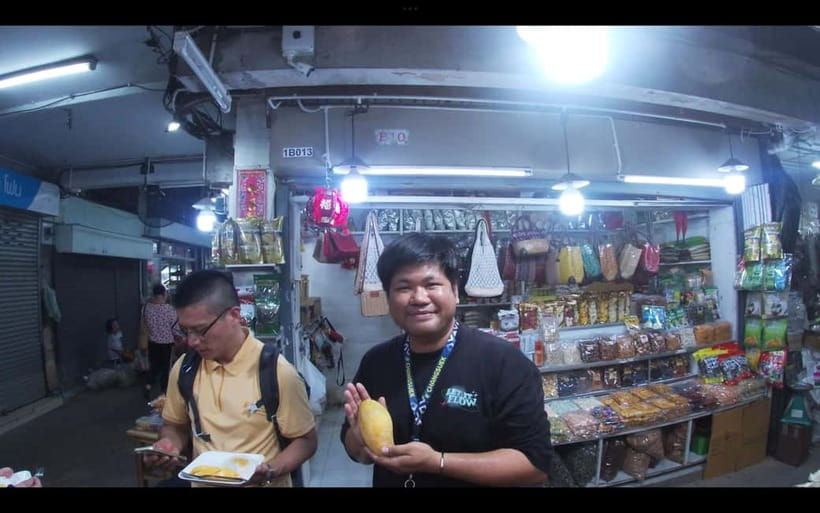
- Warorot Market sets the scene: The lunch route uses Kad Luang as both a food stop and a lesson in Chiang Mai’s trading culture.
- Three Michelin Guide selections are included: Lunch features Hakka pink noodles, Thai fried dough, and steamed rice skin dumplings.
- Natt adds the useful context: Expect explanations of Chinese influence, trade routes, ingredients, local habits, and where to eat later.
- You get real food, not just samples: Several diners found the servings closer to meals than bites, so arrive hungry.
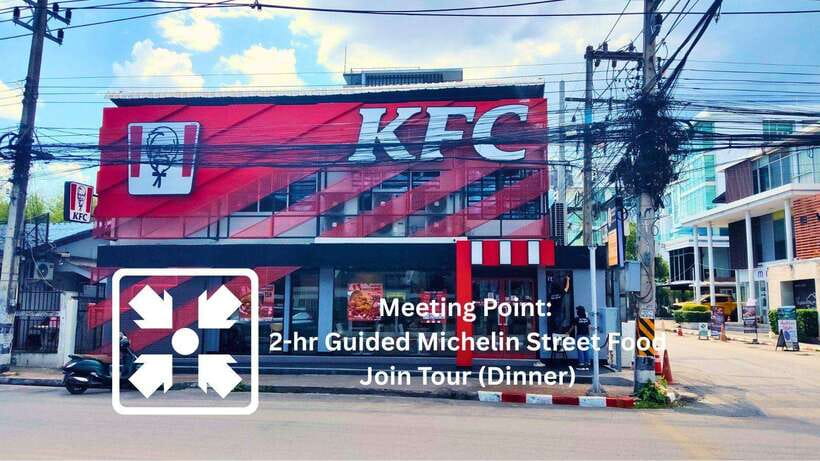
- Dinner is a different experience: It meets at McDonald’s Nimmanhaemin, skips the market, and focuses on khao soi, roast chicken, and papaya salad.
- The pace is easy: Walking, sitting, eating, and conversation are balanced across two hours.
Why the three-dish format works in Chiang Mai
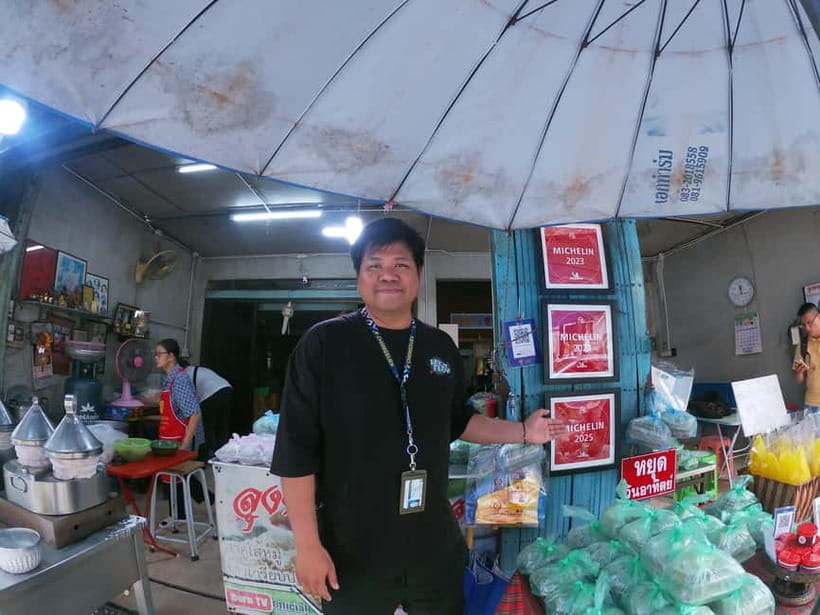
At $31 per person, this tour is priced less like a simple market stroll and more like a guided meal with local interpretation. Your payment covers three Michelin Guide selected dishes, a bottle of water, and a guide who explains what you are eating and why it matters.
I appreciate the narrow focus. Food tours can become a race to collect small tastes, leaving you unsure which dish you actually liked. Here, the stated lunch lineup gives each stop room to register: noodles at Thana Ocha, fried dough at Patongo Ko Neng, and steamed rice skin dumplings at Lung Khajohn Wat Ket.
That said, the exact feeling depends on your appetite and expectations. Some people may leave very full after three substantial servings. If you define a food tour as a parade of many different snacks, this one may seem modest. One account specifically found only a small number of items, despite enjoying the market and guide. I would treat it as a focused introduction to three respected local dishes, not an all-day crawl.
The Michelin Guide label is useful here as a starting point, not as a promise of fine dining. These are local food places and street food specialists. The appeal is their place in Chiang Mai’s everyday eating culture, served with the added confidence that the guide has recognized their quality.
More Street Food Tours in Chiang Mai:
- Small-Group Chiang Mai Evening Street Food Tour
★ 4.5 · 826 reviews - Chiang Mai: Evening Local Street Food Market Tour
★ 4.8 · 604 reviews - Northern Flavours Chiang Mai Food Tour with 15+ Tastings
★ 5.0 · 513 reviews
Meeting near Tha Pae Gate and walking toward Kad Luang
For the lunch option, you meet at Wat Saen Fang, at the entrance beside The Story 106 Co-Working Space & Cafe on Thapae Road. It is about 600 meters from Tha Pae Gate, and you should look for the GetYourGuide signage.
From there, the group walks roughly ten minutes to Warorot Market, also known as Kad Luang. That distance is short, but comfortable shoes still matter. Chiang Mai heat, traffic, uneven walking surfaces, and the need to stop for food make sandals with good support or walking shoes a better choice than dress shoes.
The meeting point is practical for anyone staying near Tha Pae Gate or the Old City. Hotel pickup and drop-off are not included, so you arrange your own way to the start. Bring cash for personal purchases, along with sunscreen, a hat, and a camera. Backpacks, baby strollers, and baby carriages are not allowed on the activity.
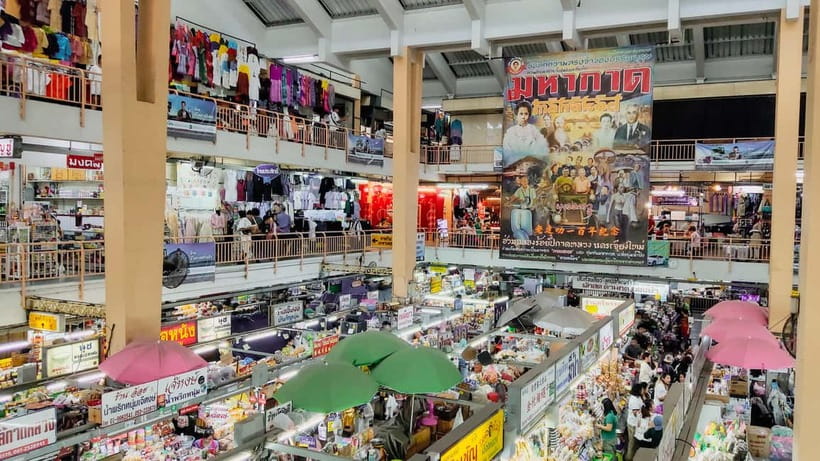
Warorot Market: Chiang Mai’s food cupboard
Warorot Market is more than a place to grab lunch. It is a useful introduction to the way Chiang Mai shops, snacks, preserves, and carries food between home and market. The itinerary gives you time to walk through the market before and between the eating stops.
This part is valuable because Natt does not treat the market as scenery. He explains the food and the people behind it, along with the Chinese influence that helped shape parts of Chiang Mai’s cooking. The market becomes a map of the city’s food habits: prepared dishes, sweets, snacks, and ingredients all sharing close quarters.
You may also receive tips for the rest of your stay. Several people found Natt especially good at suggesting restaurants, walks, shops, and snacks beyond the official route. That practical advice is one reason I would book this near the beginning of a Chiang Mai visit. You can use the information for the days that follow rather than hearing it on your final morning.
The market portion does involve walking and standing, but the pace is not presented as a strenuous march. You return to the market area several times as the route connects the different food stops. In hot weather, the combination of walking and eating may feel more demanding than the two-hour duration suggests.
Thana Ocha and the Hakka pink noodle
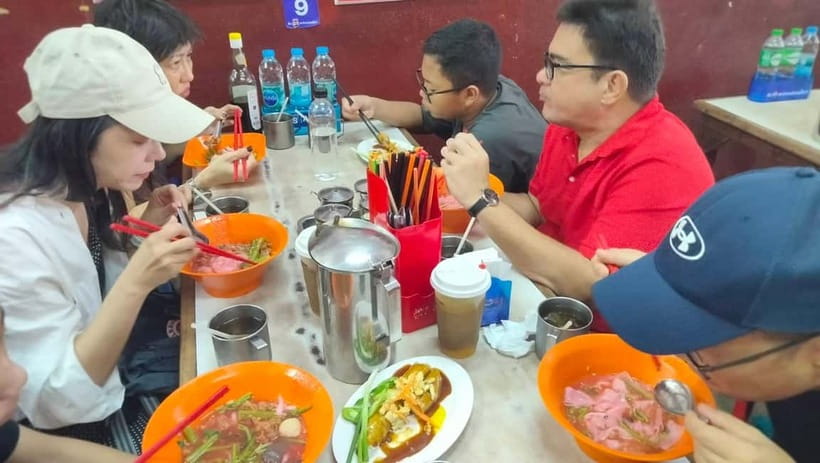
The first main food stop on the lunch route is Thana Ocha Noodle, where you taste Hakka pink noodle, also known as yen ta fo. The bright color makes this a memorable introduction, but the more interesting point is the dish’s connection to Chinese food traditions in Thailand.
This is where Natt’s background in Thai and Chinese food culture matters. He can discuss ingredients, cooking styles, and how Chiang Mai’s position along old trade routes helped produce a food culture with more than one influence. The dish is not just something to photograph before eating. You get a reason for its place on the table.
The stop lasts around forty minutes, including the guided explanation and tasting. That is generous for a noodle dish and supports the relaxed design of the experience. You can sit down, eat properly, and talk instead of swallowing a sample while standing beside a crowded stall.
If you are used to northern Thai food being defined mainly by khao soi, this stop broadens the picture. Chiang Mai food includes regional cooking, Chinese-Thai dishes, market snacks, and food traditions that have traveled and changed over time.
More Food Tours in Chiang Mai:
- The 10 Tastings of Chiang Mai With Locals: Private Street Food Tour
★ 5.0 · 216 reviews - Chiang Mai: Local Food and Markets Guided Walking Tour
★ 4.3 · 175 reviews - Chiang Mai: Food Tour by Songtheaw Truck with 15+ Tastings
★ 4.9 · 157 reviews - Go where the locals go, Eat what the locals eat! Food Tour with Local Foodies
★ 5.0 · 138 reviews
Patongo Ko Neng and the dinosaur fried dough
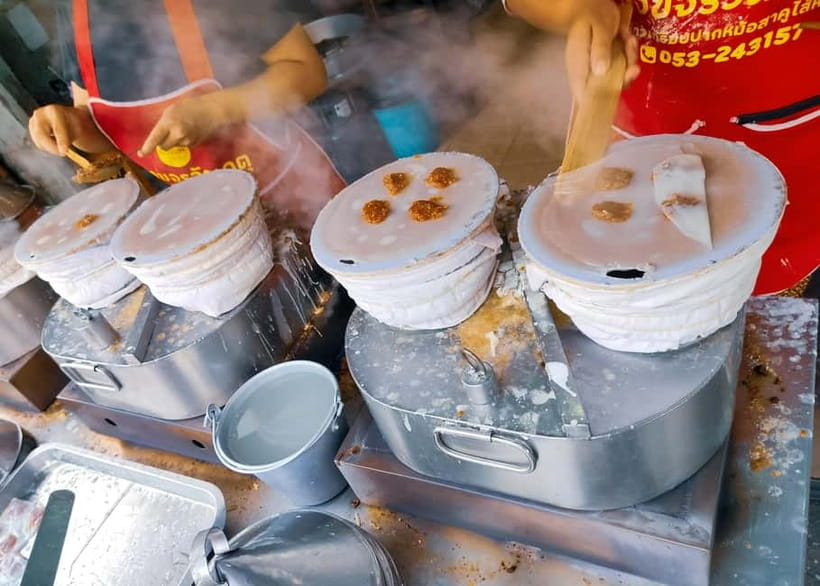
Next comes Patongo Ko Neng, known for its playful dinosaur-shaped fried dough. The name alone gives the stop a lighter mood, and the dish offers a crisp, fried contrast to the noodle course.
This is the sort of place many visitors would not find without help. A local guide can explain how the food is eaten and point out the small details that make a familiar idea feel specific to Chiang Mai. The food is simple in concept, but the shape and local reputation make it more memorable than an ordinary fried snack.
The route description places this dish among the three lunch selections, and the overall experience allows time to sit and eat rather than rush through a line of samples. If you have a sweet tooth or enjoy fried street food, this may be one of the easiest stops to love. If you are already full after noodles, pace yourself. Several people found the food plentiful for a two-hour activity.
Lung Khajohn Wat Ket and steamed rice skin dumplings
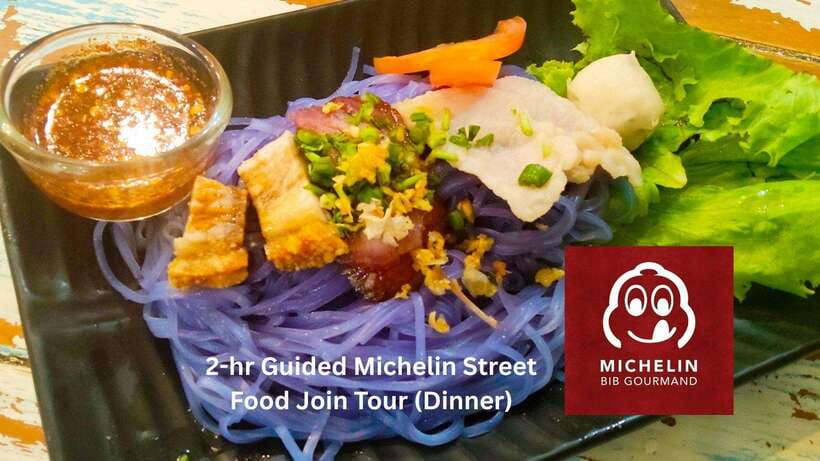
The lunch route finishes its featured food stops at Lung Khajohn Wat Ket with khao kriab pak moh, or steamed rice skin dumplings. Their soft, delicate texture gives the final dish a different character from both the noodles and fried dough.
This stop helps show why a short food tour can still have range. You move from soup and noodles to fried dough, then to steamed dumplings. The three dishes do not simply repeat the same flavor or cooking method.
The route includes about twenty minutes here, followed by a walk back toward Warorot Market. The stated finish is at Kad Luang, so you can continue shopping or exploring after the tour. That is a useful design choice: you finish in an active part of town rather than being returned to a hotel area with nothing nearby.
Lunch is the stronger choice if the market is important to you. It gives you the food stops and a look at Kad Luang, with the added chance to buy snacks or continue exploring once the formal tour ends.
The dinner option: khao soi, roast chicken, and papaya salad
Dinner is not simply the lunch route at a later hour. You meet at McDonald’s Nimmanhaemin, and there is no Warorot Market visit. The tour takes place and ends around Nimmanhaemin Road, with ONE Nimman nearby for further browsing afterward.
The three dinner dishes are khao soi, roast chicken, and papaya salad. Together, they present a familiar and satisfying picture of northern Thai eating. Khao soi brings the creamy curry noodle profile associated with Chiang Mai. Roast chicken adds smoky, savory weight, while papaya salad brings freshness, sharpness, and heat.
Choose dinner if your daytime schedule is packed, if you are staying near Nimman, or if you want a meal-focused experience without the market. Choose lunch if you want the city-center setting, Warorot’s food stalls, and the Chinese-Thai side of Chiang Mai’s eating culture.
The dinner meeting point is especially important to check because it differs from the lunch start. Do not assume the Wat Saen Fang location applies to every booking.
Natt’s style: food talk with useful city advice
The guide is a major part of the value. Natt is described as the company owner and has academic experience connected with Chiang Mai, along with a family background in restaurants in Bangkok. He talks about food, but he also connects it to geography, migration, trade, history, and daily life.
His approach seems conversational rather than lecture-heavy. People have found him funny, caring, easy to talk with, and willing to answer questions. He has used maps and photographs while explaining Chiang Mai, and he often offers ideas for restaurants and places to visit after the tour.
The guide may vary. Names appearing in the experience details include Natt, Nat, Anan, and another guide called Pupe, so you should not assume every departure will be led by Natt personally. The consistent feature to look for is a local English or Thai speaking guide, with private and small-group options available.
A small group or private booking should suit you if you want to ask many questions or need a more personal pace. The activity is only two hours, so a very large group could make conversation less easy, though the available booking formats are designed to keep the experience small.
What to expect physically and with dietary needs
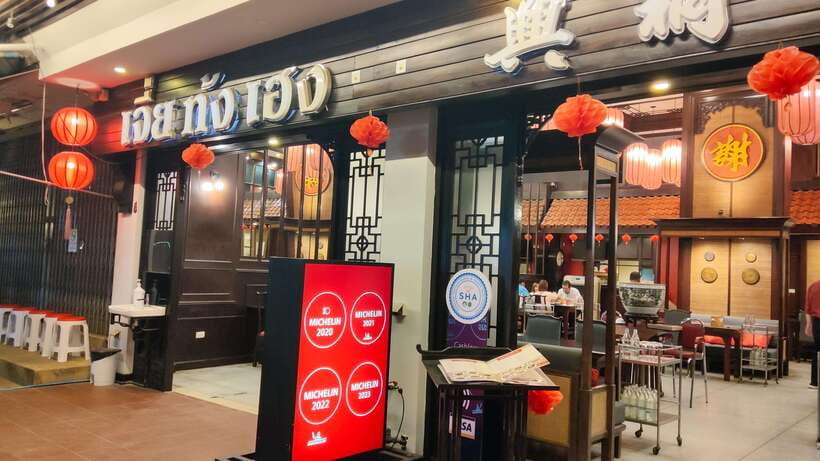
This is a walking food tour with time on your feet, restaurant seating, market movement, and outdoor conditions. Comfortable shoes, sun protection, and water are sensible. A bottle of drinking water is included, but you should still prepare for Chiang Mai heat.
The activity is not suitable for wheelchair users, people with mobility impairments, or people with significant back, heart, respiratory, or recent surgery concerns. It is also not suitable for children under two, pregnant women, or people with epilepsy or visual or hearing impairments.
The food restrictions are extensive. The experience is not suitable for vegans, vegetarians, people with food allergies, gluten intolerance, lactose intolerance, kidney problems, or high blood pressure. If you have a dietary concern, do not assume substitutions will be available. The three dishes are part of the experience, so contact the provider before booking if you are uncertain.
How to get the best value from $31
I see the price as reasonable if you value explanation and proper servings. Buying three dishes independently could cost less in some settings, but you would not necessarily find the right places, understand the dishes, or hear the background that connects them.
The tour is also useful as a first-day orientation. You get food suggestions for later, a look at the market, and a guide to some of Chiang Mai’s street food habits. Several people used the experience to get their bearings and plan the rest of their stay.
To get the most from it, skip a large breakfast or lunch. The food can be more substantial than the word tasting suggests. Bring cash for anything you buy after the included dishes, and leave room for market snacks if you plan to continue at Kad Luang.
The free cancellation policy allows cancellation up to 24 hours before the start for a full refund, and you can reserve now and pay later. Those terms help if your Chiang Mai schedule is still moving around.
Who should book the Chiang Mai Michelin food tour?
Book it if you want a short, guided introduction to local food rather than a long crawl. It suits first-time visitors, curious eaters, and people who like history with their meals. It is especially useful if you want a guide to explain Chinese influence, northern Thai cooking, and the places locals actually eat.
Book the lunch option if you want Warorot Market and the old Tha Pae area. Book dinner if Nimman is more convenient or you want khao soi, roast chicken, and papaya salad instead.
Skip it if you need vegan, vegetarian, allergy-safe, gluten-free, or other special food arrangements. You should also choose another activity if walking, heat, or market conditions are difficult for you.
For most suitable participants, I would book this early in a Chiang Mai stay. The food is the main attraction, but the recommendations and city context may prove just as useful over the next several days.
FAQ
How long does the Taste of Chiang Mai tour last?
The activity lasts two hours. The lunch route includes walking, market time, and three food stops at a relaxed pace.
What food is included on the lunch option?
The lunch option includes Hakka pink noodle, Thai fried dough, and steamed rice skin dumplings. These are the three Michelin Guide selected dishes listed for the lunch route.
What food is included on the dinner option?
The dinner option includes Michelin Guide selected khao soi, roast chicken, and papaya salad.
Does the dinner option visit Warorot Market?
No. The dinner option has no market visit. It meets at McDonald’s Nimmanhaemin and takes place around Nimmanhaemin Road.
Where does the lunch tour meet?
Lunch participants meet at Wat Saen Fang, at the entrance next to The Story 106 Co-Working Space & Cafe on Thapae Road. The meeting point is about 600 meters from Tha Pae Gate.
Is hotel pickup included?
No. Hotel pickup and drop-off are not included. You make your own way to the correct meeting point for your selected option.
Can I cancel for a full refund?
Yes. You can cancel up to 24 hours in advance for a full refund. The activity also offers reserve now and pay later booking.
Should You Book This Tour?
Yes, if you want three substantial local dishes, a thoughtful guide, and a useful first look at Chiang Mai’s food culture. The lunch route offers the best all-around introduction because Warorot Market adds place and context to the meal.
Just arrive hungry, check the lunch or dinner meeting point carefully, and do not book if you need strict dietary substitutions. At $31, the value is strongest for people who want both food and the story behind it, not simply a long list of snacks.
Newly reviewed around Chiang Mai
- Workshop Making Herbal ball & herbal inhaler★ 4.3 · 3 reviews
- Chiang Mai Zipline White Water Rafting and Elephant Sanctuary★ 4.0 · 11 reviews
- Walk With Monks Collecting Alms(meeting point maybe change)★ 4.9 · 8 reviews
- Trek to a Jungle Waterfall★ 5.0 · 14 reviews
- Zipline+Sticky waterfall+Long Neck Village Private Tour★ 5.0 · 22 reviews
- Meditation Retreat and Self-Care in Nature★ 5.0 · 4 reviews
- Full Day Yoga, Meditation, and Thai Cultural Immersion in Chiang Mai★ 5.0 · 3 reviews
- Long Neck Village, White & Blue Temple, Black House Day Tour From Chiang Mai★ 4.0 · 14 reviews
Chiang Mai Street Food Tours, compared.
Small-Group Chiang Mai Evening Street Food Tour
Read our review →
Northern Flavours Chiang Mai Food Tour with 15+ Tastings
Read our review →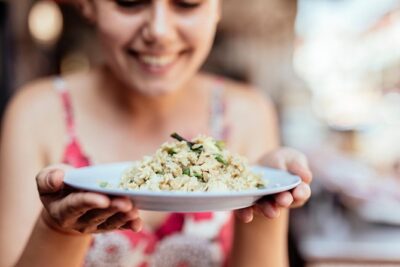
The 10 Tastings of Chiang Mai With Locals: Private Street Food Tour
Read our review →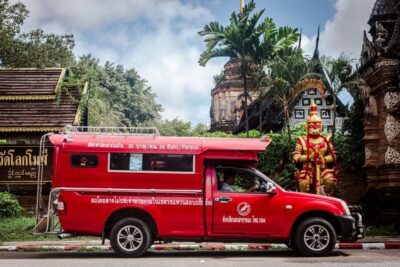
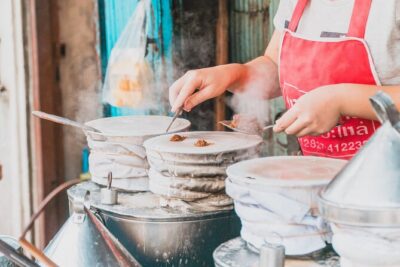
Go where the locals go, Eat what the locals eat! Food Tour with Local Foodies
Read our review →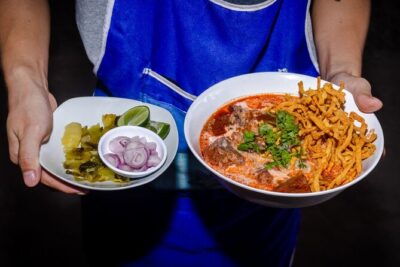
Lanna Kingdom Chiang Mai Food Tour with 15+ Tastings
Read our review →
Browse the lists this tour appears in