
Reviewed · FOOD & DRINK
Chiang Mai: Local Food and Markets Guided Walking Tour
Chiang Mai’s food story is easiest to understand one bite at a time. This 150-minute walk takes you from Chansom Memorial Bridge through the flower and food markets, with stops for Hakka-style noodles, mango sticky rice, Chinese-style fried dough, and sweet steamed dumplings. It is a short tour, but it puts you in the middle of everyday market life.
I like the local-first food stops and the way guides such as Koi, Patty, Nom, Banana, and Pim have helped visitors order, find seats, explain customs, and adjust the route when a stall is closed. I also like the flexible start times, especially for a first morning in Chiang Mai.
The tradeoff is simple: food costs extra, and four or five tastings can feel rushed. The 2:30 pm departure is less reliable for the named stops because some restaurants close early. If you want the full route, choose a morning slot and arrive hungry.
Key points to know before you book
- Start at Chansom Memorial Bridge: Meet your guide at Khua Khaek, opposite Ton Lamyai Flower Market.
- Taste four key specialties: Expect Khao Kriab Pak Moh dumplings, pa thong ko, mango sticky rice, and Hakka-style noodles, subject to opening hours and availability.
- Walk through two major markets: Ton Lamyai brings flowers and herbs, while Warorot offers food, produce, clothing, and local shopping.
- Choose your timing carefully: Morning departures give you the best chance of following the full food route.
- Budget for extra bites: The $48 tour price covers the guide, walk, and carbon offset credits, but not food.
- Plan for a real walk: Comfortable shoes matter, and the route may cover about 2.5 miles according to one detailed account.
Why this short Chiang Mai food walk works
This is not a grand city tour with a long lecture between stops. It is a compact food walk built around small discoveries. You follow a local guide through streets that can be confusing on your own, stop at places popular with local residents, and learn what you are eating before deciding how much to order.
That makes the experience especially useful at the start of a Chiang Mai stay. You get a quick introduction to Thai and Chinese-influenced food, see where locals shop, and collect ideas for later meals. Several guides have also offered suggestions for restaurants and night markets after the official route ends.
The food is not included, which may feel awkward when you reach for cash at every stop. Still, the separate payment gives you control over how much you eat. You can sample a little, order a full portion, or skip something that does not appeal to you. Bring Thai baht in small notes if possible.
At $48 per person, the value depends on what you want from a food tour. It is not the cheapest way to buy four dishes. You are paying for access, translation, ordering help, local background, and a route that would take more effort to piece together alone. If you already feel comfortable ordering at Thai markets, you may find the price less appealing. If you want someone to remove the guesswork, it is fair value.
More Food Tours in Chiang Mai:
- Small-Group Chiang Mai Evening Street Food Tour
★ 4.5 · 826 reviews - Chiang Mai: Evening Local Street Food Market Tour
★ 4.8 · 604 reviews - Northern Flavours Chiang Mai Food Tour with 15+ Tastings
★ 5.0 · 513 reviews
Meeting Khua Khaek beside Ton Lamyai
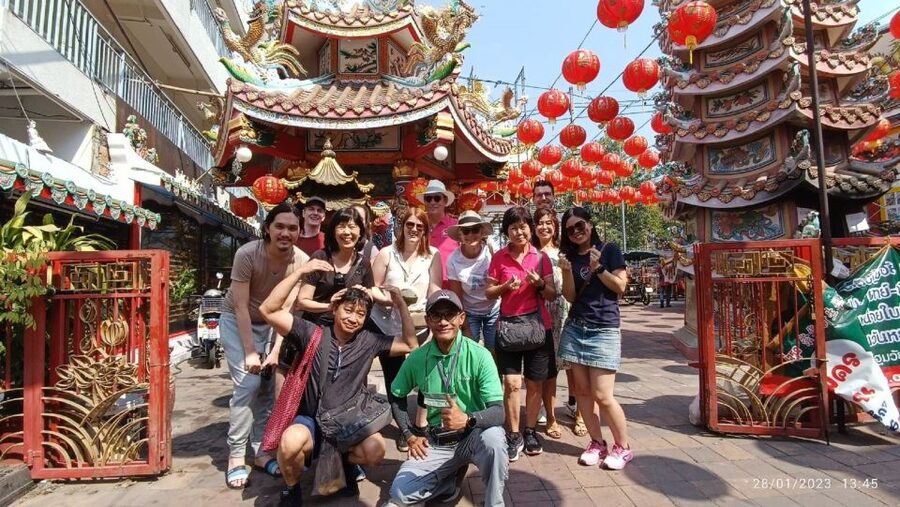
The meeting point is Chansom Memorial Bridge, locally called Khua Khaek, opposite Ton Lamyai Flower Market on Praisanee Road. Your guide carries a TripGuru sign, and you should arrive 10 minutes early.
This location places you near the first major sights rather than sending you across town from a hotel. There is no hotel pickup or drop-off, so allow extra time to reach the bridge. Morning traffic can be unpredictable, and the guide can wait only 10 minutes after the scheduled start.
The final confirmation email is sent the evening before with the meeting time and point. Check it carefully, especially if you choose a same-day booking or have selected from several departure times.
The route is on foot. One detailed account estimated about 2.5 miles, and another described a fast pace between food stops. That is manageable for most people who are used to walking in warm weather, but it is not a gentle sit-down tasting tour. Wear shoes that can handle pavement and market floors.
Khao Kriab Pak Moh at Lung Khajohn Wat Ket
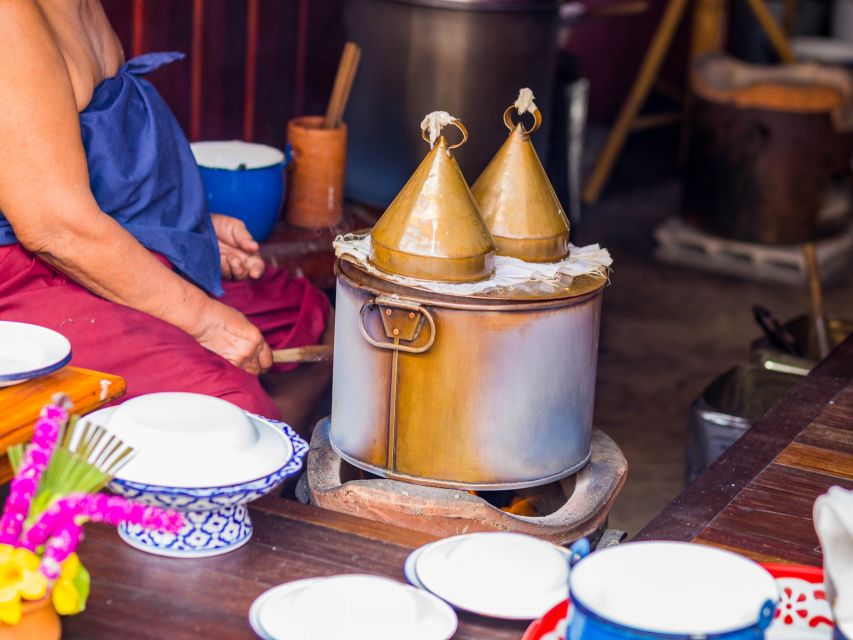
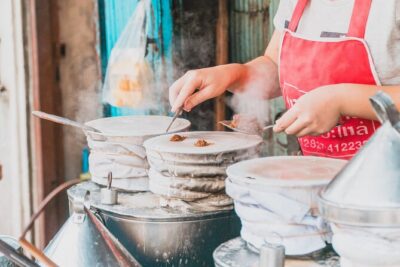
The first tasting is often Khao Kriab Pak Moh at Lung Khajohn Wat Ket. These are sweet steamed rice skin dumplings, commonly filled with peanuts. The texture is soft and delicate, and the peanut filling gives the snack a gentle nutty finish.
This is a smart first stop because it introduces you to a small Thai street snack that can be easy to overlook. You might walk past the stall without knowing what to order or how the dumplings are made. A guide can explain the dish and help you start with a manageable portion before the heavier foods arrive.
The stop is also a reminder that a food walk is about texture as much as flavor. You will not get only the familiar curry, noodle, and rice dishes often sold to visitors. Small snacks such as this provide a better sense of how people eat between meals.
The exact food can change if a stall is closed or ingredients are unavailable. That flexibility is useful, but it means you should treat the named dishes as likely possibilities rather than a guaranteed menu.
Ton Lamyai Flower Market and the city’s working rhythm
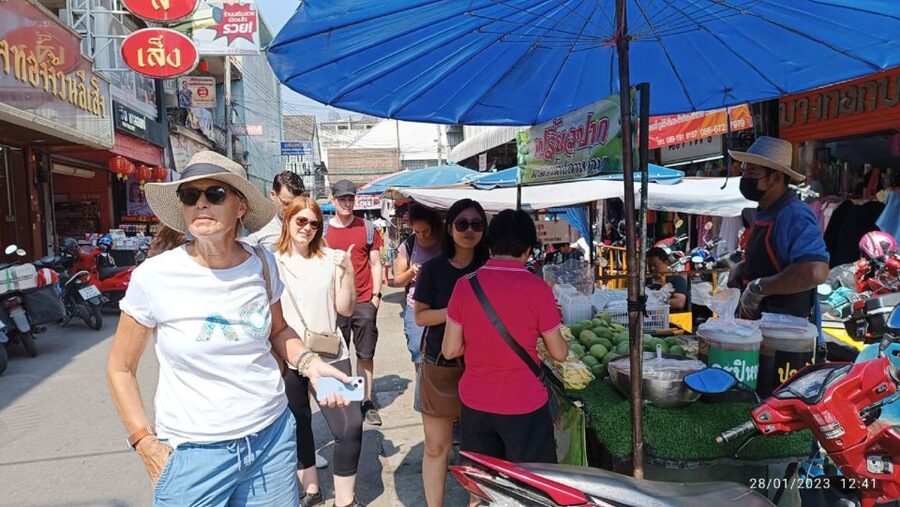
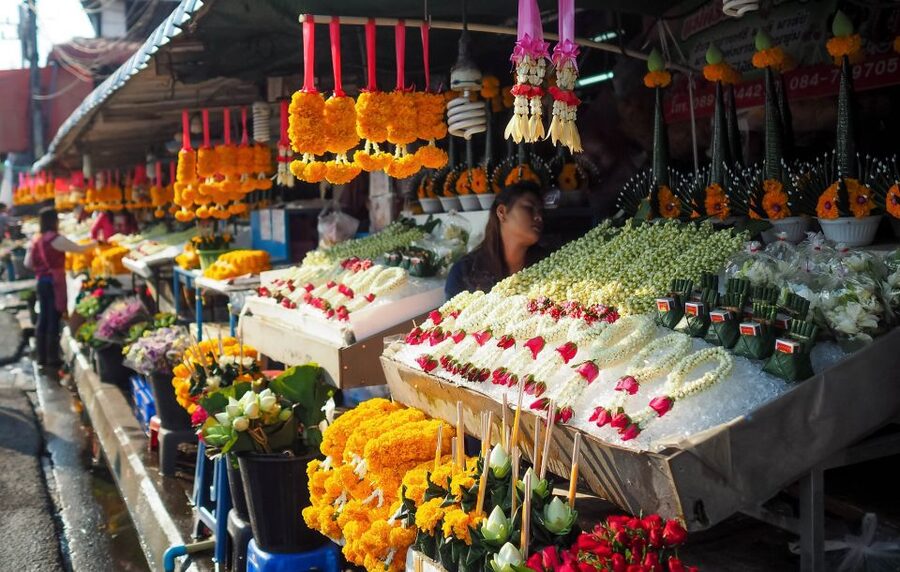
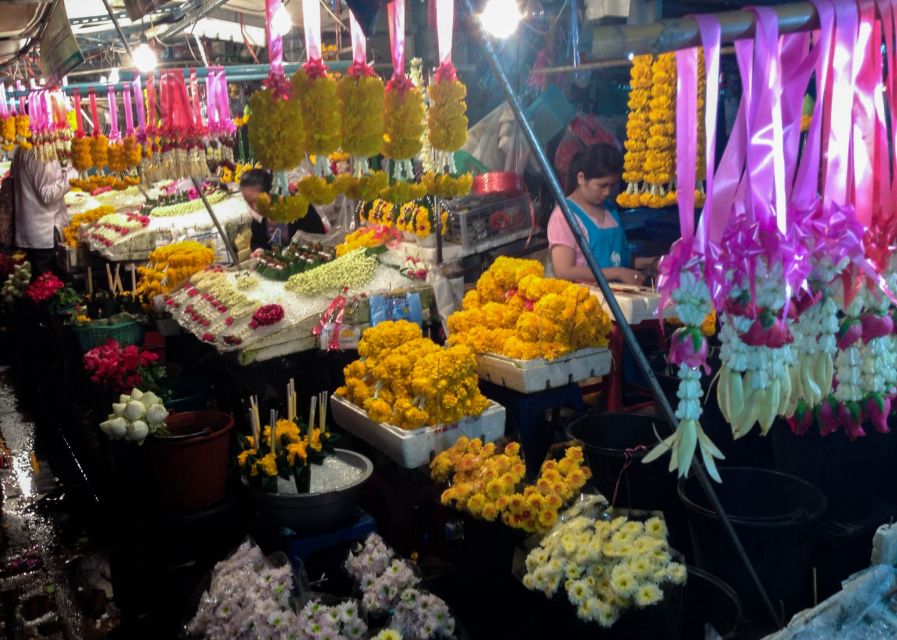
After the dumplings, the route passes through Ton Lamyai Flower Market. This is a colorful change of pace from the food stalls, with flowers and herbs providing plenty to see and photograph.
The market is not simply a decorative photo stop. It helps show how food, flowers, herbs, temples, homes, and celebrations overlap in daily Thai life. Your guide may point out products and local customs as you pass through, adding context that you would miss while rushing toward the next snack.
This is also one of the best places to keep your camera ready. The flowers brighten the walk, but the market is still a working place, so stay aware of people carrying goods and avoid blocking narrow paths.
The tour finishes at Ton Lam Yai Market according to the stated route, while the walk also moves through nearby market areas. That makes the start and end points convenient for continuing your own exploration after the guide leaves.
A different kind of day out of Chiang Mai altogether:
- Half-Day Thai Cooking Class at Organic Farm in Chiang Mai
★ 5.0 · 19,087 reviews - Chiang Mai: Elephant Sanctuary, Waterfall & Bamboo Rafting
★ 4.9 · 9,160 reviews - Chiang Mai: Doi Inthanon National Park Eco-Friendly Tour
★ 4.6 · 6,667 reviews - Chiang Mai: Elephant Sanctuary & Waterfall Group Tour
★ 4.9 · 5,780 reviews
Pa thong ko at Go Neng
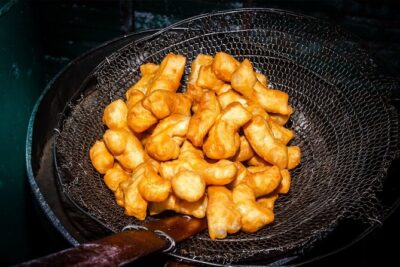
Next comes Go Neng, known for pa thong ko, Chinese-style deep-fried dough. The pieces are often made in odd shapes, and some resemble small dinosaurs. That shape is part of the charm, but the real point is the crisp outside and soft center of the fried dough.
This is a popular local snack and a fun stop for families. One parent found the guide flexible with a picky five-year-old, which is useful if your group includes children who may not want a full bowl of noodles or unfamiliar savory food.
Pa thong ko is also a good example of Chiang Mai’s mixed food traditions. The snack has Chinese roots but is part of the local breakfast and street-food scene. Your guide can help explain how outside influences became part of everyday eating in northern Thailand.
The drawback is that fried dough can fill you faster than expected. Take a small serving if you want room for mango sticky rice and noodles later. If you are doing the walk in the morning, this may function as breakfast as much as a tasting.
Warorot Market, where the tour gets broader
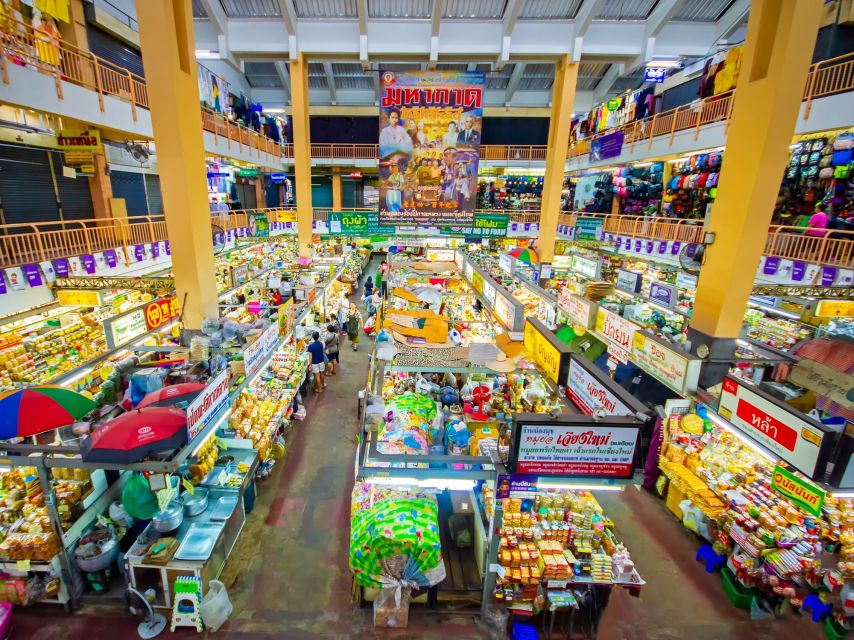
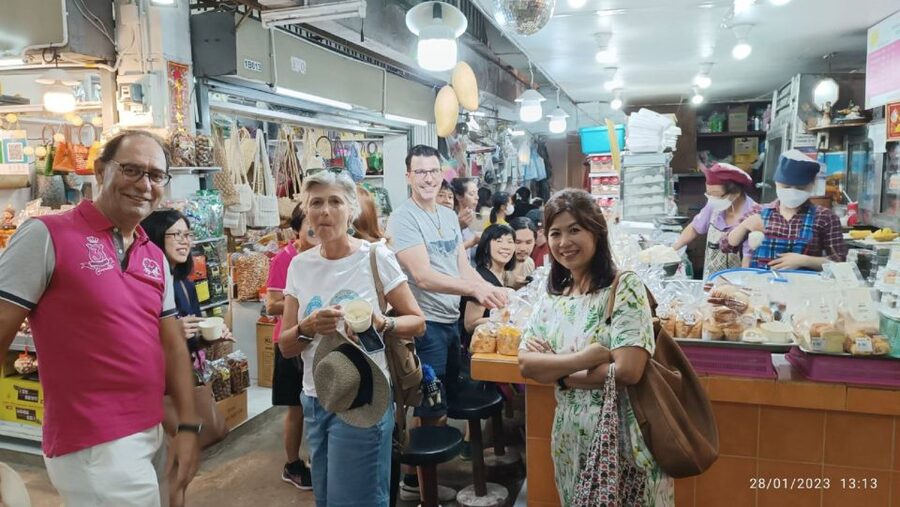
Warorot Market is the main market visit. It is a practical place with snacks, fresh produce, clothes, and other goods, not just a display made for sightseeing. You will have time to look around as your guide points out foods and explains what local shoppers buy.
This is where the tour becomes more than a list of restaurant stops. You get a sense of the ingredients behind the dishes and the range of products sold in Chiang Mai. Guides have also explained local food customs, spices, recipes, and the Chinese influence found in parts of the city’s food culture.
Warorot can be busy, and the walking pace may pick up as you move between stalls. Keep your belongings secure and stay close enough to hear the guide. If you want to shop, ask how much time is available before buying anything bulky.
The market is also the setting for the mango sticky rice stop. This familiar dessert can taste different from versions served in tourist restaurants because the quality of the rice, coconut sauce, and mango matters. It is sweet, filling, and best treated as a shared portion if you still have the noodle stop ahead.
Mango sticky rice, then Hakka noodles
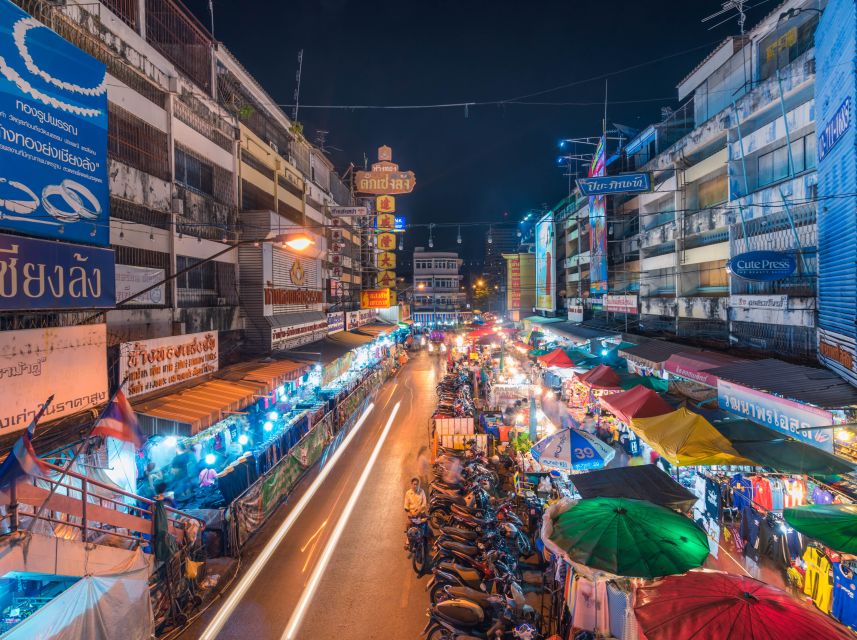
The mango sticky rice provides the sweet middle of the route. It is a pleasant contrast to the fried dough and makes the progression of the meal feel intentional. Still, one detailed account noted that the walk can zigzag because dessert is better placed between savory stops rather than saved for the very end.
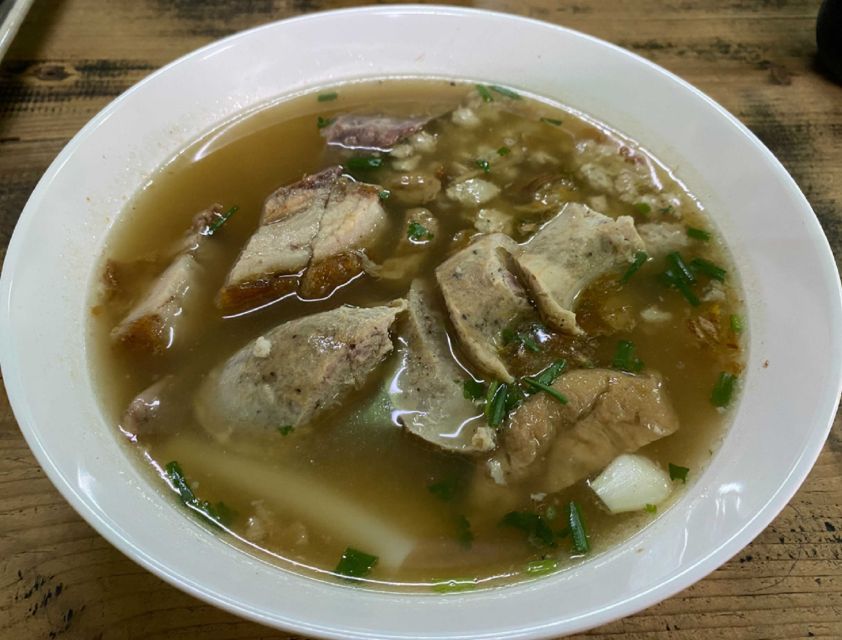
The last food stop is Thana Ocha, associated with Hakka-style noodles. The dish may come with Hakka stuffed tofu, fish sausage, and wontons, giving you several textures in one bowl.
For many people, this is the strongest finish. The noodles turn the tastings into a proper meal, and the tofu, sausage, and wontons show how Chinese food traditions have shaped Chiang Mai’s eating culture. If you arrive without breakfast, you may leave very full.
You should not expect every named shop to be open at every departure time. The afternoon 2:30 pm slot is the main concern, since several restaurants tend to close by early afternoon. The guide can switch to other street-food stalls, but book a morning departure if following this exact route matters to you.
What the guides add to the food
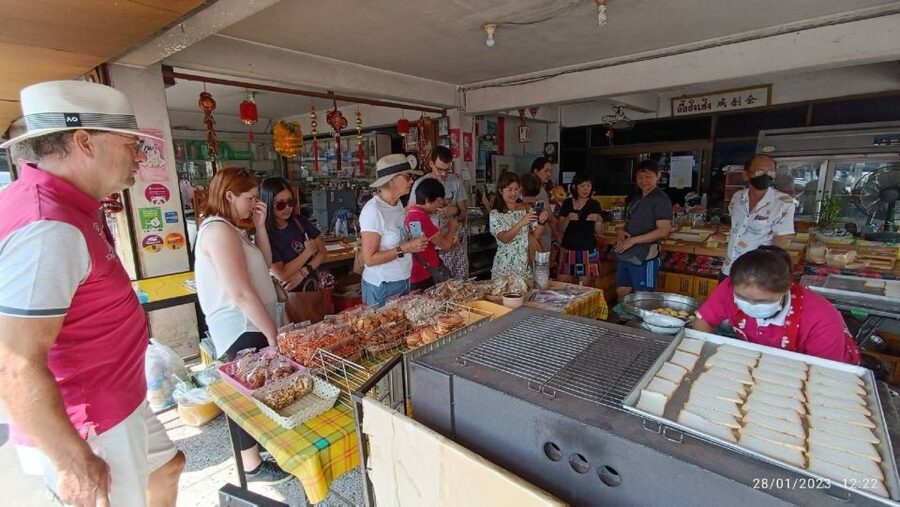
The best part of this experience is not simply knowing where to eat. It is having someone explain what is on the table and handle the small problems that slow down independent tasting.
Guides including Koi, Patty, Nom, Banana, Nana, Sunny, and Pim have been praised for clear English, friendly service, food explanations, and useful recommendations. Some have pre-ordered at busy stalls, helped find seats, carried shopping bags, taken photos, or changed the plan when a restaurant was closed.
That matters because market food can be intimidating when you cannot read the signs or do not know which part of a dish to try first. A guide can also explain what spices go with a dish and how a snack fits into local eating habits.
The guide quality may vary from person to person, as it does on any multi-guide tour. The overall score is 4.3 out of 5 from 175 ratings, which points to a generally strong experience but not perfection. One person found the explanation too brief and the route too short, while another appreciated having a small-group or private-feeling walk.
Timing, walking, and food limitations
The tour lasts 150 minutes, so it suits a morning or afternoon gap rather than a full day of sightseeing. Several start times give you flexibility, but they also create a choice between convenience and food availability.
Choose a morning slot if you want the best chance of visiting Lung Khajohn Wat Ket, Go Neng, the mango sticky rice stall, and Thana Ocha. Choose the later departure only if you are happy with alternative stalls and a potentially faster route.
There is no vegan option. This is important, not a minor footnote. The tasting choices include noodles with stuffed tofu, fish sausage, and wontons, and the tour is not designed around plant-based eating. People with mobility impairments may find the walking route difficult, and the activity is not considered suitable for pregnant people or those with heart or respiratory problems.
Bring comfortable shoes, sunglasses, a hat, sunscreen, insect repellent, a camera, and cash. Chiang Mai heat can make a short walk feel longer, especially after fried food and noodles.
The experience is GSTC-certified and includes carbon emissions offset credits. That does not remove every environmental effect of travel, but it gives the walk a lower-impact structure than a private vehicle-based food outing.
Who gets the most from this food tour
I would recommend it to first-time visitors who want to understand Chiang Mai through food without spending a whole day on a formal cooking class. It also suits solo visitors, couples, and small groups that want help finding local stalls.
Families can make it work if children are open to snacks and the adults are comfortable walking at a steady pace. The guide’s ability to adjust orders is useful, but the food is not served as a child-specific menu.
It is less suitable for strict vegans, anyone who wants a slow restaurant meal, or people with limited walking ability. It may also disappoint serious food enthusiasts who expect a large number of tastings. Four main food stops can feel generous if you arrive hungry, but limited if you want a long culinary tour.
The tour works especially well on your first day. You can learn what to look for at markets, get restaurant ideas, and return later with more confidence. If you already know Warorot and Chiang Mai street food well, the guide’s explanations may be the main reason to book.
Should you book the Chiang Mai market walk?
Book it if you want a short, guided introduction to local food and prefer someone else to manage the ordering and route. The flower market, Warorot Market, and small food stalls give the walk more character than a simple restaurant crawl.
Book a morning departure, bring cash, and avoid a large breakfast. Expect to pay for tastings separately and allow enough time to reach Khua Khaek.
Skip it if you need vegan food, cannot walk comfortably, or want a long tasting menu with every dish included. For everyone else, the tour offers a practical first look at Chiang Mai’s food culture, with enough local detail to shape the rest of your stay.
FAQ
How long does the Chiang Mai food and market tour last?
The tour lasts 150 minutes, or two and a half hours.
Where does the tour meet?
Meet at Chansom Memorial Bridge, also called Khua Khaek, opposite Ton Lamyai Flower Market on Praisanee Road.
Where does the tour finish?
The stated finishing point is Ton Lam Yai Market.
What food might I taste?
Possible tastings include Hakka-style noodles, mango sticky rice, pa thong ko deep-fried dough sticks, and Khao Kriab Pak Moh steamed rice skin dumplings.
Is food included in the $48 price?
No. The price includes the guide, walking tour, and carbon emissions offset credits. Food and tasting costs are paid separately.
Are food tastings suitable for vegans?
No vegan option is available for this tour.
Which departure time is best?
Morning departures are recommended if you want to follow the named itinerary. Several restaurants and stalls may close by early afternoon, so the 2:30 pm departure may use alternative food stops.
What languages does the guide speak?
The tour is available with a live guide in English or Thai.
More Walking Tours in Chiang Mai
- Chiang Mai: 3 Hour Old City and Temples Guided Walking Tour
★ 4.6 · 1,568 reviews - Chiang Mai: Historic Temples and City Guided Walking Tour
★ 4.7 · 650 reviews - Chiang Mai: Temple And City Walking Tour Part I
★ 4.7 · 244 reviews - Chiang Mai Untouched Elephant: Nature Walk & Waterfall Trek
★ 4.7 · 77 reviews
Newly reviewed around Chiang Mai
- Workshop Making Herbal ball & herbal inhaler★ 4.3 · 3 reviews
- Chiang Mai Zipline White Water Rafting and Elephant Sanctuary★ 4.0 · 11 reviews
- Walk With Monks Collecting Alms(meeting point maybe change)★ 4.9 · 8 reviews
- Trek to a Jungle Waterfall★ 5.0 · 14 reviews
- Zipline+Sticky waterfall+Long Neck Village Private Tour★ 5.0 · 22 reviews
- Meditation Retreat and Self-Care in Nature★ 5.0 · 4 reviews
- Full Day Yoga, Meditation, and Thai Cultural Immersion in Chiang Mai★ 5.0 · 3 reviews
- Long Neck Village, White & Blue Temple, Black House Day Tour From Chiang Mai★ 4.0 · 14 reviews
Food & Drink, compared.
Small-Group Chiang Mai Evening Street Food Tour
Read our review →
Northern Flavours Chiang Mai Food Tour with 15+ Tastings
Read our review →
The 10 Tastings of Chiang Mai With Locals: Private Street Food Tour
Read our review →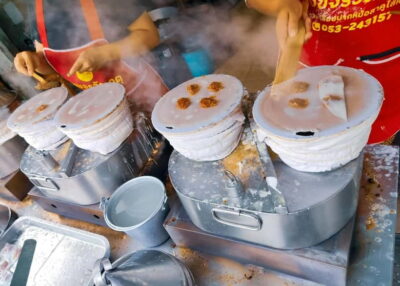
Taste of Chiang Mai: Michelin Guide & Street Food Tour
Read our review →
Go where the locals go, Eat what the locals eat! Food Tour with Local Foodies
Read our review →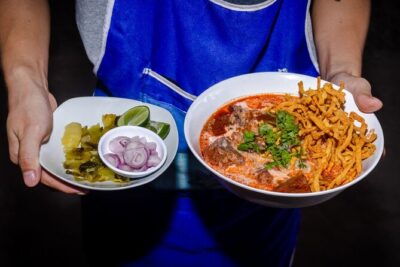
Lanna Kingdom Chiang Mai Food Tour with 15+ Tastings
Read our review →Browse the lists this tour appears in