
Reviewed · CHIANG MAI HILL TRIBE VILLAGE TOURS
6-Hour Akha Tribe Culture and Cooking Class in Chiang Mai
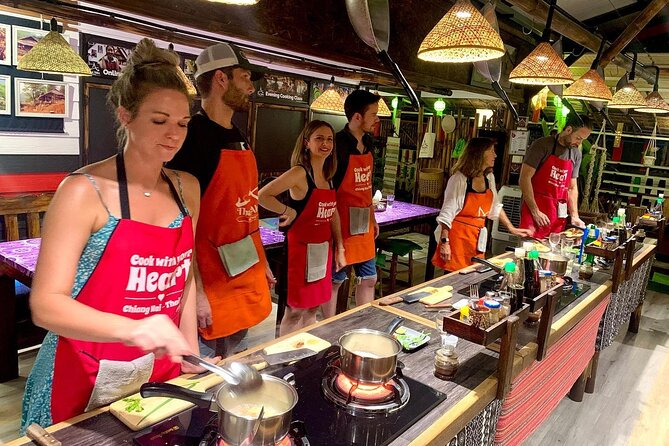
Thai cooking class meets Akha culture in this six-hour Chiang Mai experience. The morning option takes you through a local market to compare produce and prices, then you cook 10 dishes for your own meal. I like the practical market lesson and the chance to try less familiar Akha food, not just the usual pad Thai.
I also like the choice of a cooler evening class, with dinner handled for you and an air-conditioned dining room afterward. The main drawback is the sheer amount of food and the broad menu: if you want a slow, highly focused lesson on only one or two recipes, this class may feel busy.
Key points to know before booking
- Choose your timing carefully: The morning class includes a local market visit, while the evening class is built around cooking dinner in cooler weather.
- Cook far more than pad Thai: The menu covers Thai staples plus Akha dishes such as Sapi Thong, Akha salad, and Akha soup.
- Plan to arrive hungry: You prepare and eat a large spread, including appetizers, soups, stir-fries, curries, and dessert.
- On is a lively teacher: On is praised for making the class fun and keeping the recipes easy to follow.
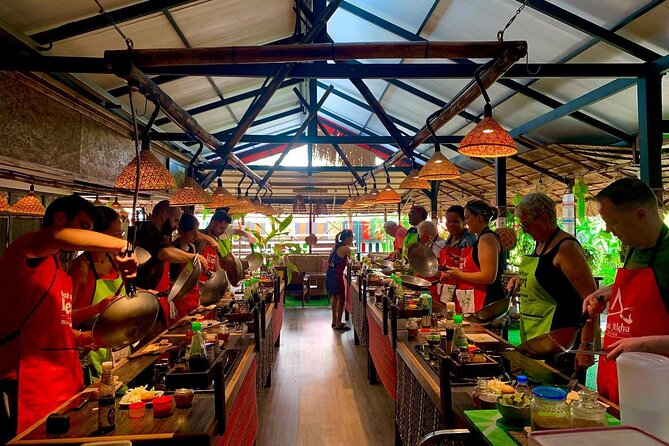
- The setting mixes cultures: Cooking takes place in an outdoor kitchen with Thai and Akha touches, followed by dining in air-conditioning.
- Small groups help: The class accepts a maximum of 15 people and can accommodate vegetarian diets, allergies, gluten intolerance, and other dietary needs.
Why this class offers more than a standard Thai cooking lesson
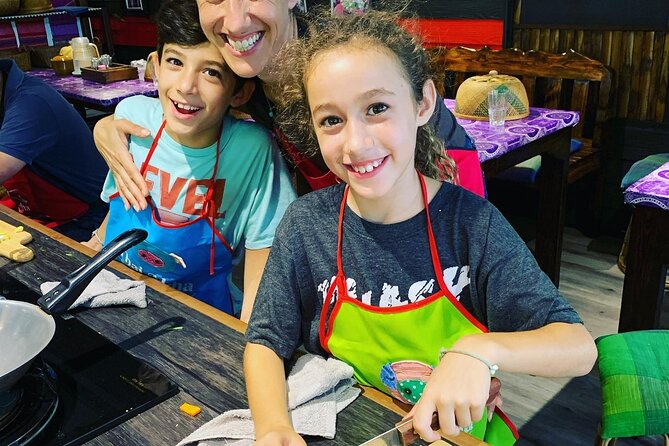
Many cooking classes in Chiang Mai stay with familiar Thai recipes. This one adds an Akha focus, which gives the day a wider purpose. You are not only learning how to season a curry or fold a spring roll. You are also hearing about the Akha people, a community that moved to Thailand during the 1900s, and how food connects Thai and Akha traditions.
That cultural angle matters because the menu is not simply a list of tourist favorites. Alongside pad Thai, green curry, and mango with sticky rice, you may prepare Sapi Thong, a tomato dipping sauce, plus Akha salad and Akha soup. These dishes give you a taste of food traditions you may not meet on a regular Chiang Mai restaurant menu.
The format is hands-on. You work at a cooking station, prepare the ingredients, and eat what you make. I find that more useful than a demonstration where you watch a teacher do everything while you take notes. You leave with recipes and a better idea of how Thai food is built, from fresh produce and curry paste to the balance of sweet, sour, salty, spicy, and creamy flavors.
The class lasts about six hours, so this is a major part of your day rather than a quick meal stop. That length is helpful if you want a full introduction to Thai food. It can feel like a lot if you are trying to fit several sightseeing stops into the same morning or afternoon.
More Hill Tribe Village Tours from Chiang Mai:
- Chiang Mai: Chiang Rai Temples, Karen Tribe and Hot Springs
★ 4.7 · 5,401 reviews - Thai and Akha Cooking Class in Chiang Mai
★ 5.0 · 4,358 reviews - Chiang Mai: Elephant Sanctuary, Long Neck & Sticky Waterfall
★ 4.9 · 2,262 reviews
Morning market shopping at Wat Pan Whean
The meeting point is Wat Pan Whean, at 50 Phra Pok Klao Road Soi 4 in the Phra Sing area of Chiang Mai. The activity begins and ends there, and pickup is offered. The location is near public transportation, which helps if you are staying in central Chiang Mai and do not need a private transfer.
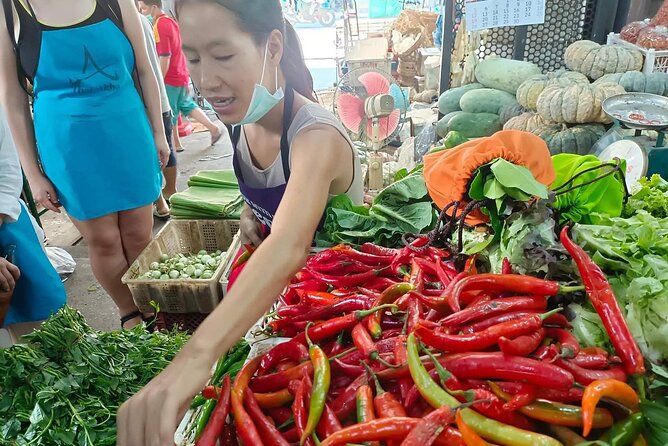
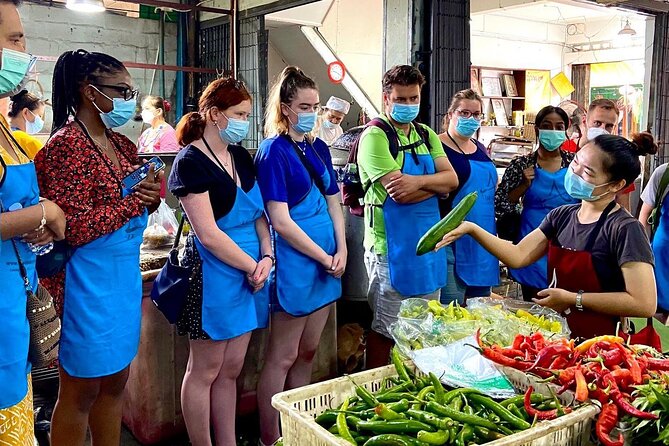
The morning class starts with a local market visit. This is one of the most useful parts of the experience because you see ingredients before they are chopped, fried, or hidden in a finished dish. You can compare produce, notice how prices vary, and see the everyday shopping environment used by local people.
The market is presented as a normal local market rather than a special tourist display. That means you should expect a different rhythm from a Western grocery store. Products may be sold in unfamiliar forms, prices may vary by item and quality, and the setting may feel less tidy or predictable than you are used to. That is part of the lesson, but it may not suit you if you prefer a polished, quiet food tour.
The market portion also gives the cooking class a useful beginning. When you later use the produce, you understand that these ingredients were chosen in a real shopping setting. The phrase same same, but different captures the point: similar produce can appear at different prices and in different grades.
The supplied details only place the market visit in the morning program. If market shopping is the main reason you want this activity, book the morning session rather than assuming the evening class includes the same outing.
The outdoor kitchen and Akha setting
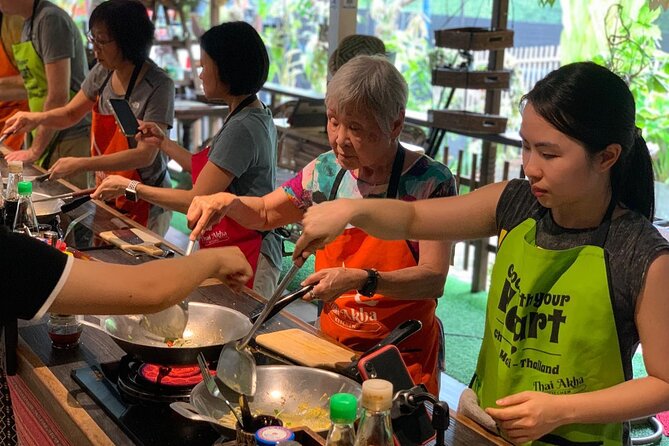
After the market, the experience shifts to an outdoor cooking area with a mix of Thai and Akha cultural touches. The setting is not described as a restaurant kitchen or a formal culinary school, so you should expect a practical, social cooking space rather than a professional chef-training environment.
That can be a plus. You are there to cook, not watch from a distance. The outdoor arrangement also fits the cultural focus, keeping the class connected to everyday food preparation instead of making it feel like a staged luxury meal.
Weather matters. The activity requires good weather, and poor conditions can lead to a different date or a full refund. The evening class may be more comfortable for cooking because temperatures are cooler, but it still uses an outdoor kitchen. If heat or rain would spoil your day, check the forecast and keep your schedule flexible.
The dining room has air-conditioning, giving you a more comfortable place to eat after the cooking session. This split between outdoor cooking and indoor dining is worth noting. You may spend the active part of the class exposed to the weather, then cool down while enjoying the meal.
Ten dishes, from spring rolls to curry
The central promise is a ten-dish cooking session. You will not make every item listed below in one class, since the menu description presents a wide selection across several categories. The choices show the range of food covered:
- Appetizers can include papaya salad and spring rolls.
- Akha dishes include Sapi Thong, Akha salad, and Akha soup.
- Stir-fries include sweet and sour vegetables, cashew nut with chicken, chicken with hot basil, and pad Thai.
- Soups include chicken in coconut milk, hot and sour prawn soup, and clear soup with egg tofu.
- Curries include green curry, red curry, panaeng curry, and Massaman curry.
- Desserts include mango with sticky rice and pumpkin in coconut milk.
This is a generous menu. A single class can introduce you to crunchy, fresh, creamy, spicy, sweet, and savory dishes. The mix also helps you compare regional and cultural styles. Pad Thai may be familiar, but Akha soup or Sapi Thong gives you a less common taste of the region.
The large menu is also the one point that needs careful expectation-setting. Ten dishes means you will probably move from one preparation to the next rather than spend half an hour perfecting one curry paste. You will gain range, but not necessarily advanced technique. For most visitors, that is a fair trade. You get many recipes to repeat at home instead of one elaborate dish that is difficult to recreate.
The class includes a recipe book, a practical benefit confirmed by the positive feedback about the experience. Make sure you keep it safe. The real value of a cooking class often appears weeks later, when you try to recreate the meal in your own kitchen.
More Thai Cooking Classes in Chiang Mai:
- Half-Day Thai Cooking Class at Organic Farm in Chiang Mai
★ 5.0 · 19,087 reviews - Chiang Mai: Cooking Class, Market & Thai Herbs Garden Tour
★ 4.9 · 4,824 reviews - Chiang Mai: Authentic Cooking Class with Market & Farm Visit
★ 4.9 · 4,546 reviews - Chiang Mai: Cooking Class with Market and Pickup
★ 4.9 · 1,365 reviews
What the Thai and Akha menu teaches you
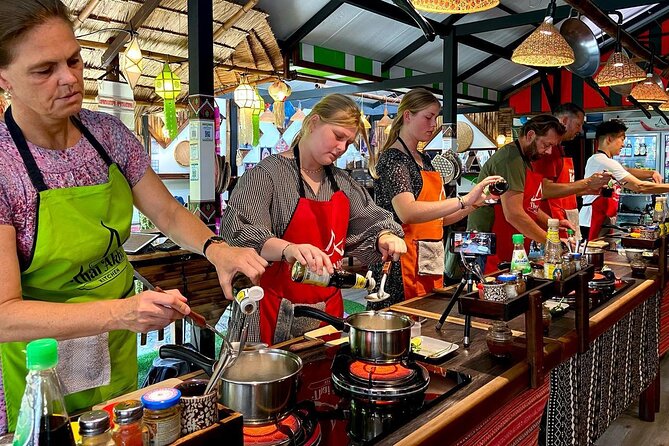
Thai food is often explained through its flavor balance, but this class gives you a chance to experience that balance while cooking. A hot and sour prawn soup uses a different flavor structure from chicken in coconut milk. A sweet and sour vegetable stir-fry has a different purpose from chicken with hot basil. Preparing both helps you see how Thai meals gain variety from several small dishes rather than one oversized main course.
The curry selection is also broad. Green, red, panaeng, and Massaman curries each offer a different style, but the class appears to treat them as part of a wider introduction rather than a specialist curry workshop. You can expect to learn how curry paste and other ingredients come together, while the exact depth of instruction may depend on the pace of your group.
The Akha dishes are the real reason to choose this class over a standard Thai menu. Sapi Thong, an Akha tomato dipping sauce, sounds simple, but a dipping sauce can reveal how a meal is assembled and shared. Akha salad and Akha soup add more variety and make the cultural section part of the meal itself, not a short talk added at the end.
That connection between food and history is useful. You learn about Thailand through what people cook and eat, not only through dates and monuments. If your interest in Chiang Mai includes local communities and food traditions, the Akha element gives this class more character.
On’s teaching style and the group size
On is named as one of the teachers, and the strongest specific praise focuses on On’s ability to make the class fun while keeping the recipes easy to follow. That combination suits first-time cooks. You do not need advanced kitchen skills to get something from the session.
The class has a maximum of 15 people. That is not an intimate private lesson, but it is small enough to keep the group manageable. Your experience may still depend on how much individual attention is needed and how quickly the class moves through ten dishes.
The upbeat teaching style is important here because six hours of cooking can become tiring. A teacher who keeps things moving and explains the recipes clearly makes the long format easier to handle. You should still arrive ready to participate, rather than expecting a relaxed food tasting with occasional demonstrations.
The class can accommodate special dietary requirements, including vegetarian diets, gluten intolerance, allergies, and other dietary needs. Tell the operator about your needs when booking, and repeat them at the start of the class. The information confirms that adjustments are possible, but it does not specify exactly how each recipe will be changed.
Morning or evening: which session suits you?
Choose the morning class if you want the market visit and prefer to learn about ingredients before cooking. It gives your day a clear food focus, from shopping to preparation to the final meal. It is the better pick for anyone who wants to see ordinary local shopping rather than only sit at the cooking station.
Choose the evening class if you have a packed sightseeing schedule or want a planned dinner. You do not need to decide where to eat later, and the cooler hours make the outdoor kitchen more comfortable. The air-conditioned dining room is another reason the evening option may appeal after a warm day in Chiang Mai.
The evening schedule also lets you keep the daytime free, but it may not include the local market trip. The description specifically links that visit to the morning course, so choose based on the part you value most.
Both options return to the meeting point. Pickup is offered, and the activity is near public transportation, but the exact pickup details are not provided here. Confirm those arrangements before you set your day around them.
Is $48.83 good value for six hours?
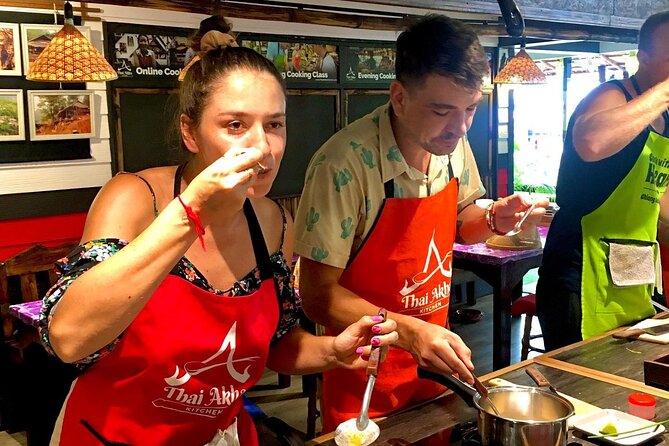
At $48.83 per person, this is a reasonable price for a six-hour activity that includes instruction, ingredients, a market visit in the morning option, and a large meal. You are paying for more than a single cooking demonstration. The class combines food, cultural background, hands-on preparation, and dinner or lunch.
The value is strongest if you plan to use the recipes later. The recipe book adds something you can take home, and the menu gives you several familiar dishes plus Akha recipes. If you only want to eat Thai food, a restaurant will be cheaper and faster. If you want to understand how the dishes are made and take part in preparing them, the class makes better use of your time.
The amount of food also improves the value, but it can be excessive. Come hungry, as the meal includes multiple courses and desserts. You may find that you cannot finish everything, especially after cooking for several hours. That is not a flaw, but it is worth knowing before you plan another large meal afterward.
The experience is usually booked well ahead, with an average booking time of 47 days in advance. That does not guarantee that every date sells out, but it tells me you should reserve early if your Chiang Mai schedule is fixed.
Who should book this cooking class?
I would choose this experience if you want three things in one outing: Thai cooking, an introduction to Akha food, and a local market visit. It also suits people who prefer active classes over sightseeing from a bus or listening to a long lecture.
Families and mixed groups may find the broad menu appealing because everyone can try several types of food. People with dietary needs can ask for adjustments, though you should provide those details before the class begins.
It is less suitable if you dislike group cooking, outdoor heat, or a full six-hour schedule. It may also frustrate serious home cooks who want detailed instruction on knife skills, curry-paste technique, or one regional recipe. The class is designed for variety and participation, not specialist culinary training.
The free cancellation policy gives you some protection: cancel at least 24 hours before the start time for a full refund. Changes or cancellations inside that window are not accepted for a refund. Bad weather is handled with a new date or a full refund.
Should you book the Akha cooking class?
Book it if you want a generous, food-heavy day with more cultural range than a standard Thai cooking course. The local market makes the morning option especially useful, while the evening class is a smart choice for a cooler, simpler dinner plan. On’s friendly teaching style and the recipe book add practical value.
Skip it if you want a short class, a private lesson, or a quiet restaurant meal. Six hours and ten dishes are a commitment. For the right eater, though, the mix of market shopping, Thai recipes, Akha food, and a meal you prepare yourself makes the $48.83 price easy to justify.
FAQ
How long does the Akha and Thai cooking class last?
The activity lasts approximately six hours.
Where does the experience begin and end?
It begins at Wat Pan Whean, 50 Phra Pok Klao Road Soi 4, Tambon Phra Sing, Chiang Mai. The activity ends back at the meeting point.
Does the morning class include a market visit?
Yes. The morning class includes a visit to a local market where you shop for ingredients and see everyday local produce and prices.
Does the evening class include the market visit?
The market visit is described as part of the morning class. The evening class is designed around cooking dinner and takes place during cooler hours.
How many dishes will I cook?
The class includes the preparation of 10 dishes. The menu covers appetizers, soups, stir-fries, curries, Akha dishes, and desserts.
Can the class accommodate dietary requirements?
Yes. Special dietary requirements can be accommodated, including allergies, gluten intolerance, vegetarian diets, and other dietary needs.
What happens if bad weather cancels the activity?
If poor weather causes a cancellation, you will be offered a different date or a full refund.
More Hands-On Classes in Chiang Mai
- Chiang Mai: Cooking Class with Organic Farm at Mama Noi
★ 4.9 · 1,151 reviews - Chiang Mai: Evening Cooking Class and Local Market Visit
★ 4.9 · 648 reviews - Cooking Class with Organic Farm in Chiang Mai at Mama Noi
★ 5.0 · 502 reviews - Evening Cooking Class in Organic Farm with Local Market Tour
★ 5.0 · 394 reviews
Newly reviewed around Chiang Mai
- Workshop Making Herbal ball & herbal inhaler★ 4.3 · 3 reviews
- Chiang Mai Zipline White Water Rafting and Elephant Sanctuary★ 4.0 · 11 reviews
- Walk With Monks Collecting Alms(meeting point maybe change)★ 4.9 · 8 reviews
- Trek to a Jungle Waterfall★ 5.0 · 14 reviews
- Zipline+Sticky waterfall+Long Neck Village Private Tour★ 5.0 · 22 reviews
- Meditation Retreat and Self-Care in Nature★ 5.0 · 4 reviews
- Full Day Yoga, Meditation, and Thai Cultural Immersion in Chiang Mai★ 5.0 · 3 reviews
- Long Neck Village, White & Blue Temple, Black House Day Tour From Chiang Mai★ 4.0 · 14 reviews
Chiang Mai Hill Tribe Village Tours, compared.
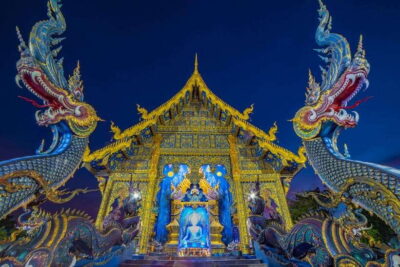
Chiang Rai Temples, Karen Tribe and Hot Springs
Read our review →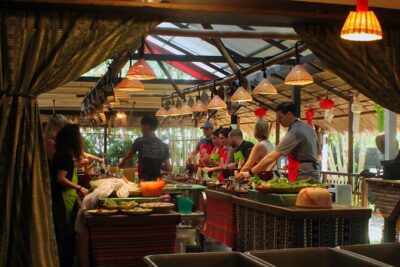

Elephant Sanctuary, Long Neck & Sticky Waterfall
Read our review →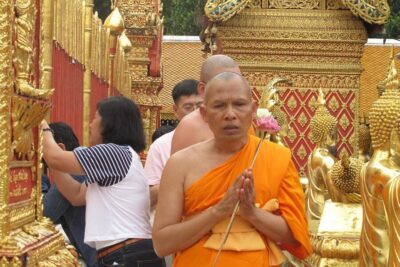
4-Hour Doi Suthep & Hmong Hill Tribe Village from Chiang Mai
Read our review →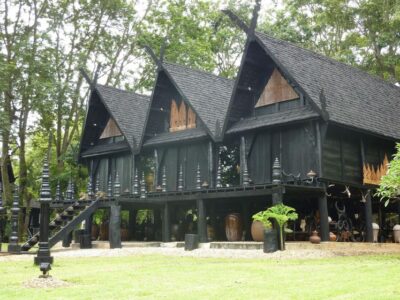
Long Neck Village & Chiang Rai’s Iconic Temples
Read our review →

Chang Mai: Doi Inthanon Day Tour w/Waterfalls & Hilltribes
Read our review →
4 in 1 Elephants Long Neck Rafting and Sticky Waterfall Tour
Read our review →Browse the lists this tour appears in