
Reviewed · CHIANG MAI OLD CITY WALKING TOURS
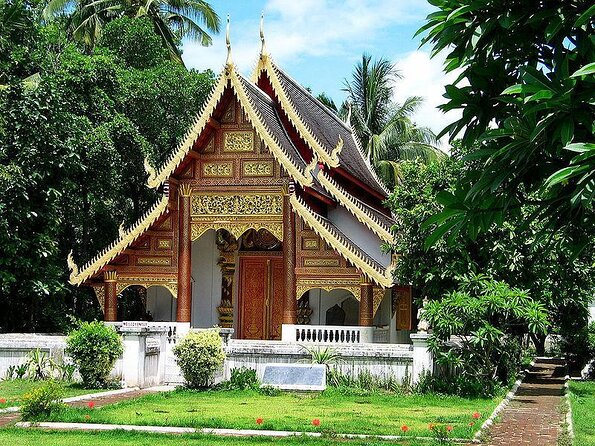
Discover Wiang Kum Kam Ancient City with Wat Chiang Man Visit
The most interesting part of this half-day outing is the chance to see Wiang Kum Kam, the early capital King Mangrai built beside the Ping River before Chiang Mai took its place. You’ll visit ruined temples, ride by horse-drawn carriage, and then connect those old stones to Chiang Mai’s modern story at the City Arts and Cultural Centre.
I like the mix of archaeology and local transport, which gives the tour more shape than a simple temple stop. I also like the flexible guiding: when the cultural center is closed on Monday, guide Pong has taken the group to craft businesses instead. The main consideration is timing. Three and a half hours goes quickly, and the cultural center cannot be visited on Mondays.
Key points to know before you book
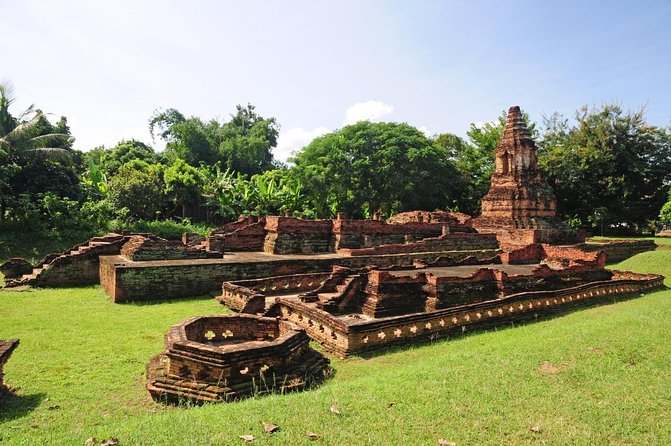
- Wiang Kum Kam was an early capital: The ruins mark the settlement King Mangrai used before moving his capital to Chiang Mai.
- Wat Chedi Liam anchors the visit: You’ll spend about 30 minutes at Wat Kuu Kham, also called Wat Chedi Liam.
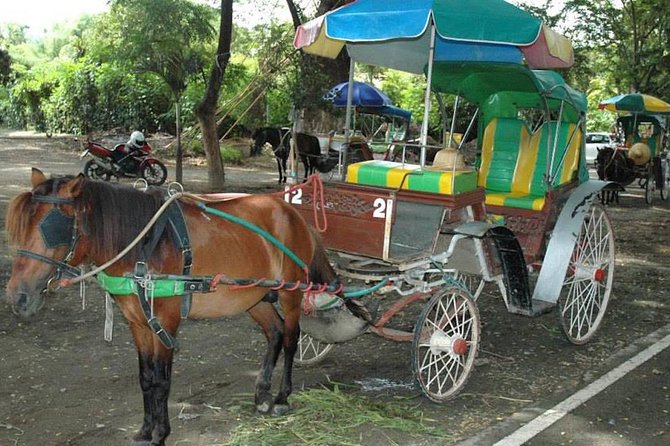
- A horse-drawn carriage is included: This gives you a slower view of the ancient site and avoids making the whole outing a walking tour.
- The cultural center fills in the gaps: Its displays cover Chiang Mai from its first settlers to the present day.
- Guide quality matters here: Pong is specifically praised for being entertaining, easy to talk with, and well informed.
- Monday needs a plan: The City Arts and Cultural Centre is closed then, so the guide may substitute visits to craft businesses.
Why Wiang Kum Kam makes a good half-day from Chiang Mai
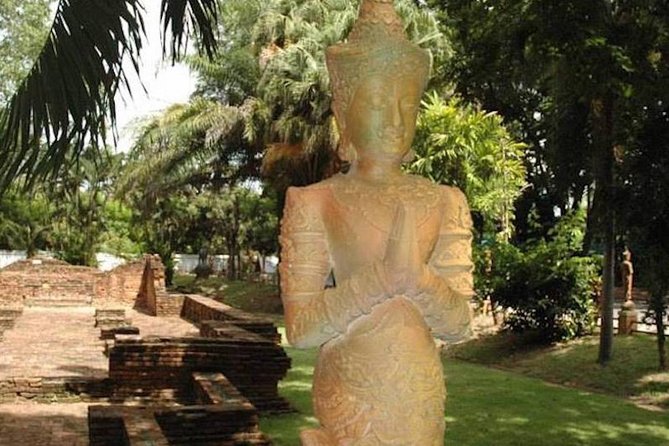
Chiang Mai is famous for its Old City temples, but Wiang Kum Kam gives you a different angle on northern Thailand. This was not simply another temple district. It was a settlement built by King Mangrai the Great as his capital before he moved the seat of power to Chiang Mai.
That change gives the ruins a useful story. You are looking at the remains of a former center of power, not just isolated religious buildings. The archaeological site lies along the Ping River, and its scattered temples make more sense when a guide explains how the settlement fit into the region’s past.
I like this setting because it keeps the visit grounded. You are not asked to spend a full day moving between distant attractions. Instead, the tour gives you a short look at an old capital, one important temple, and a museum in the center of present-day Chiang Mai.
The experience lasts about three and a half hours. That makes it a practical choice for your first or last full day in town, or for anyone who wants more history without giving up an entire day. Hotel pickup and drop-off are included, so you do not need to arrange separate transport to the ruins.
More Old City Walking Tours in Chiang Mai:
- Chiang Mai: 3 Hour Old City and Temples Guided Walking Tour
★ 4.6 · 1,568 reviews - Chiang Mai: Historic Old City Bike Tour – Morning or Night
★ 4.7 · 263 reviews - Chiang Mai: Historic Old City Bike Tour – Morning or Night
★ 5.0 · 202 reviews
Wat Chedi Liam: a focused temple stop
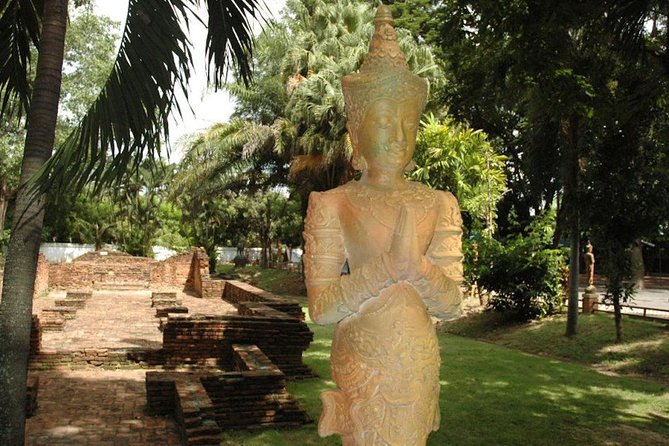
The first scheduled stop is Wat Kuu Kham, also known as Wat Chedi Liam. You have about 30 minutes here, with no separate admission charge.
That short visit is useful because it gives you a clear starting point. Rather than arriving at Wiang Kum Kam with no idea what you are seeing, you begin with one of its temples and then move into the wider archaeological area. Your guide can put the building into the story of the old settlement and point out details you might otherwise pass without noticing.
Thirty minutes is enough for an introduction, photographs, and a spoken explanation. It is not enough for a slow, private temple study, so set your expectations accordingly. This is a survey tour, not a specialist architectural visit.
You should also dress and behave as you would at any Thai temple. The supplied information does not specify a formal dress code, but respectful clothing is the sensible choice for a religious site. Keep the visit calm and let the guide set the pace.
Wiang Kum Kam by carriage and on foot
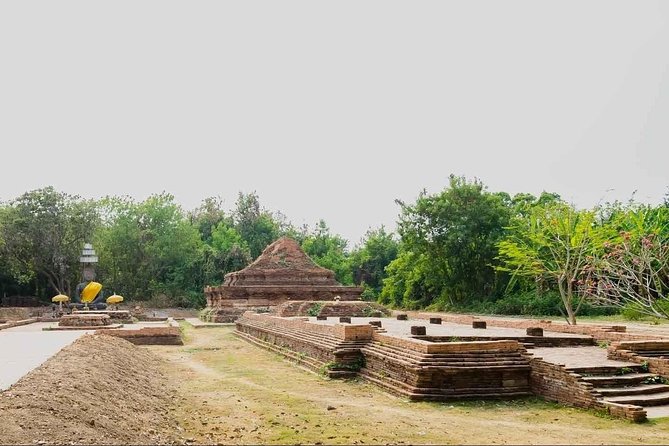
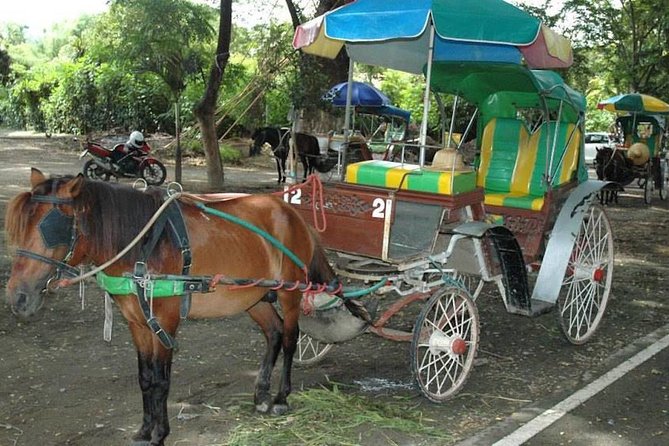
The main stop lasts about an hour. This is where the tour earns much of its appeal. Wiang Kum Kam is an archaeological site with several ruined temples, and the horse-drawn carriage adds a pleasant change from the usual van, bus, and walking routine.
A carriage ride is especially useful if you prefer not to spend the entire visit walking between scattered remains. It also slows the pace. You get a chance to look around rather than rush from one structure to the next. The ride is part of the price, not an optional extra.
The guide’s commentary matters most here. Ruins can be hard to read without context. A broken wall or partial temple foundation may look attractive but vague. A guide can explain why the site mattered, how it relates to the Ping River, and why Chiang Mai eventually became the better capital.
The carriage should not be confused with a long sightseeing ride. The full Wiang Kum Kam visit is about an hour, and that time includes the site visit. You will get an introduction rather than a complete archaeological survey.
One especially useful detail is the tour’s willingness to adjust on Mondays. The City Arts and Cultural Centre closes that day, but the outing can still operate. One Monday arrangement included several craft businesses, including an umbrella business. If you are interested in local making and small workshops, that substitute could be worthwhile. If your main goal is the museum, choose another day.
The City Arts and Cultural Centre connects old and new Chiang Mai
The final major stop is the Chiang Mai City Arts and Cultural Centre, located in the Old City behind the Three Kings Monument. Admission is included.
The building itself adds context. It is a restored former provincial government hall dating from the 1920s. Inside, you will find photographs, old objects, maps, and an audio-visual presentation covering Chiang Mai from its first settlers through the modern city.
I like this stop because it answers questions the ruins alone cannot. Wiang Kum Kam tells you about an earlier center of power. The cultural center explains how Chiang Mai developed after the capital moved. Put together, the two stops create a more useful picture than either one on its own.
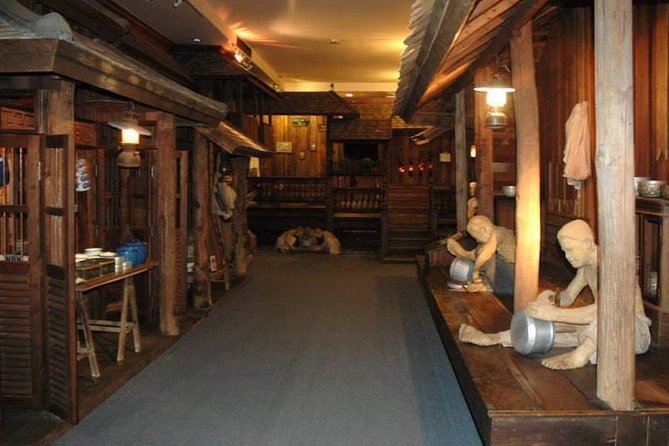
A small model of a traditional wooden village is also on display. This gives you a visual sense of older local building traditions without requiring a separate village visit. The center is designed for general visitors, so you do not need a background in Thai history to follow the displays.
You have about an hour here. That is enough for the main galleries and the audio-visual presentation, though your pace will depend on how closely you read and watch everything. The building is closed on Mondays, so confirm the operating day when you book. The tour may continue with an alternative stop, but the museum portion will not be available.
The Three Kings Monument is included in the guided program as well. Its location beside the cultural center makes it an efficient part of the Old City segment, rather than a separate long transfer.
More Temple Tours in Chiang Mai:
- Chiang Mai: Doi Suthep and Wat Umong Enchanting Evening Tour
★ 4.6 · 1,811 reviews - Chiang Mai: Doi Suthep, Wat Umong, and Pha Lat Sunrise Tour
★ 4.7 · 1,425 reviews - Chiang Mai: Wat Pha Lat & Wat Phra That Doi Suthep Tour
★ 4.8 · 1,207 reviews - Wat Phra That Doi Suthep spiritual Sunrise Tour with an Ex-monk
★ 5.0 · 798 reviews
What the guide adds to the experience
This tour depends on live commentary. Without it, Wiang Kum Kam could become a quick look at old structures followed by a carriage ride. With a good guide, the ruins become part of a clear sequence: King Mangrai’s early capital, the move to Chiang Mai, and the later development of the city.
Pong is the guide name specifically connected with this experience. Her approach has been described as entertaining and easy to talk with, as well as well informed. Those qualities are valuable here. History is easier to follow when the explanation feels like a conversation rather than a lecture.
You should also expect the guide to handle changes when needed. The Monday alternative shows that the itinerary is not completely rigid. That flexibility can work in your favor, though it also means the exact experience depends on the day you visit.
The tour can include a guide speaking English, while Spanish, French, German, or Russian guiding is available by upgrading to a private tour and paying an additional 800 baht for the whole party. If language is important to you, arrange this before departure rather than assuming it will be available on the day.
Is the $43.93 price good value?
At $43.93 per person, the price is reasonable for a three-and-a-half-hour guided outing that includes hotel transportation, the carriage ride, and admission to the cultural center.
The biggest value is convenience. Getting to Wiang Kum Kam independently may cost less if you are already comfortable arranging local transport, but you would then need to organize the route, find each site, and supply your own explanation. Here, pickup, guiding, the carriage ride, and the museum visit are bundled together.
The included transport matters most if you are staying in Chiang Mai and do not want to spend part of the morning working out how to reach the archaeological area. It also makes the tour easier for families and for anyone who prefers a fixed half-day plan.
Food, drinks, and snacks are not included. The tour is short, so that is not a serious problem, but you should eat before pickup or plan a meal afterward. There is also a 500-baht surcharge each way for transfers from or to Four Seasons Resort and Veranda Resort. That extra cost may change the value calculation for those hotels.
The group can reach a maximum of 30 people. That is large enough for a social group outing but not ideal if you want a quiet, highly personal archaeology lesson. The included carriage ride and fixed schedule keep the experience moving, though your time at individual ruins may be limited.
Who will get the most from this tour?
I would choose this tour if you want Chiang Mai history in a compact format. It suits first-time visitors who want more than the central Old City temples, families who will enjoy the carriage ride, and anyone who prefers a guide to explain archaeological sites.
It is also a good fit if you want to combine several types of sightseeing: a temple, an ancient settlement, local transport, a monument, and a museum. You do not have to build that route yourself.
The tour is less suitable if you want a full-day archaeological study, long periods at each ruin, or complete control over the schedule. Independent visitors with plenty of time may prefer to arrange Wiang Kum Kam on their own and stay longer.
Monday visitors need to decide what matters most. If seeing the City Arts and Cultural Centre is essential, avoid Monday. If you are happy to trade the museum for craft businesses, the tour can still offer a worthwhile morning, and the umbrella workshop mentioned in the itinerary sounds like a distinctive alternative.
Children are welcome. Children aged 1 and younger are free, and children aged 11 and younger must be accompanied by a paying adult. At least two people are required for the activity to operate, though a single person can book subject to availability.
Practical details that affect your day
Hotel pickup and drop-off in Chiang Mai are included. The exact pickup time is not provided here, so check your confirmation carefully and be ready at the stated time.
The tour uses a mobile ticket, and booking confirmation is issued at the time of booking. Most people can participate, but the information does not give detailed accessibility specifications for the carriage, temple grounds, or museum. If you have mobility needs, ask the provider before paying.
The tour is operated by I Asia Thailand. Free cancellation is available if you cancel at least 24 hours before the local start time. Changes or cancellations made inside that period are not accepted for a refund.
Because the activity needs at least two participants, it can be canceled if that minimum is not met. In that case, you will be offered another date or experience, or a full refund.
The tour is advertised under a name that includes a Wat Chiang Man visit, but the detailed schedule provided here names Wat Chedi Liam, Wiang Kum Kam, the Three Kings Monument, and the City Arts and Cultural Centre. If Wat Chiang Man is a must-see for you, confirm its place in the schedule before booking.
Should you book the Wiang Kum Kam tour?
Book it if you want a well-organized half-day history outing with hotel transport, a horse-drawn carriage, and a guide to make the ruins understandable. The combination of Wiang Kum Kam and the City Arts and Cultural Centre gives you both an old capital and a clear introduction to Chiang Mai’s later story.
I would be especially comfortable recommending it to first-time visitors, families, and anyone who likes a little structure in the day. Guide Pong’s warm, conversational style is another reason to expect a good experience when she is assigned.
Skip it if you want to explore at your own pace or spend hours at one archaeological site. And if you visit on Monday, book only after accepting that the museum will be replaced by another activity. For most visitors seeking a short, useful history lesson beyond Chiang Mai’s central temples, the $43.93 price is fair.
FAQ
How long does the tour last?
The experience lasts approximately 3 hours and 30 minutes.
Is hotel pickup included?
Yes. Roundtrip transportation from and to Chiang Mai hotels is included.
What is included in the price?
The price includes the guided tour, Wiang Kum Kam’s ruined temples, Wat Chedi Liam, the Three Kings Monument, the Chiang Mai City Arts and Cultural Centre, the horse-drawn carriage ride, and hotel transportation.
Are food and drinks included?
No. Food, drinks, and snacks are not included.
Is the City Arts and Cultural Centre open every day?
No. The center is closed on Mondays. The tour can still operate that day, with alternative stops such as craft businesses.
Is a horse-drawn carriage ride included?
Yes. The horse-drawn carriage ride is included in the tour.
Can I book the tour alone?
You may book as a single person, but at least two people are required for the activity to operate. A single booking is subject to availability.
Is there a private tour in another language?
Yes. Spanish, French, German, and Russian speaking guides can be arranged through a private tour upgrade, with an additional 800 baht charge for the whole party.
Newly reviewed around Chiang Mai
- Workshop Making Herbal ball & herbal inhaler★ 4.3 · 3 reviews
- Chiang Mai Zipline White Water Rafting and Elephant Sanctuary★ 4.0 · 11 reviews
- Walk With Monks Collecting Alms(meeting point maybe change)★ 4.9 · 8 reviews
- Trek to a Jungle Waterfall★ 5.0 · 14 reviews
- Zipline+Sticky waterfall+Long Neck Village Private Tour★ 5.0 · 22 reviews
- Meditation Retreat and Self-Care in Nature★ 5.0 · 4 reviews
- Full Day Yoga, Meditation, and Thai Cultural Immersion in Chiang Mai★ 5.0 · 3 reviews
- Long Neck Village, White & Blue Temple, Black House Day Tour From Chiang Mai★ 4.0 · 14 reviews
Chiang Mai Old City Walking Tours, compared.
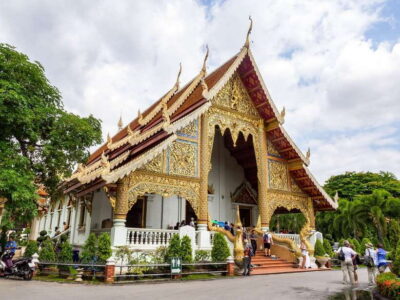
3 Hour Old City and Temples Guided Walking Tour
Read our review →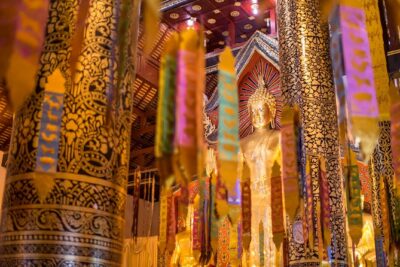



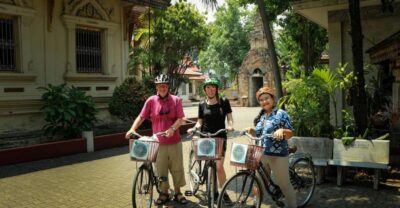

Chiang Mai Old City & Temples Guided Walking Tour – 3 Hrs
Read our review →Browse the lists this tour appears in