
Reviewed · CHIANG MAI ELEPHANT SANCTUARY VISITS
Chiang Mai: Ethical Elephant Encounter Feeding Program
A feeding visit with rescued elephants can be a fine way to meet these animals without signing up for a full day. At Elephant Jungle Sanctuary Chiang Mai, you spend the hour near the elephants, offer them prepared food, and learn how staff handle contact with care. The setting is calm, and the program keeps the focus on observation rather than rides or tricks.
I like the small-scale feel, which can mean less crowding and more direct time with the elephants. I also like the clear welfare rules: no riding, no smoking, and no casual feeding outside the guide’s instructions. The tradeoff is simple: one hour goes quickly, especially if you want a longer talk, bathing session, or broader sanctuary visit.
Key points
- A practical one-hour format: You get close to the elephants without giving up most of your Chiang Mai day.
- Feeding is the main activity: Elephant food is included, and the guide explains what the animals eat and how they are cared for.
- A small sanctuary setting: The program features fewer elephants than some larger facilities, which may make the encounter feel calmer.
- Good guide-led contact: You are shown where and how to touch the elephants, with their comfort kept in mind.
- Extra learning may be available: Some visits include an elephant education room or a simple elephant dung paper craft.
- Plan your own ride: Transport is not included, and the sanctuary is described as somewhat remote.
Meeting rescued elephants in a one-hour visit
The first thing to understand is the shape of this experience. It is not a full-day sanctuary program, and it is not a long animal-care workshop. It is a compact visit built around feeding, watching, and learning.
You meet at the sanctuary 10 minutes before your scheduled start. After introductions, your English or Thai guide explains the basic rules and gives you elephant food. The purpose is to let you approach the animals in a controlled way, rather than rush in with cameras and treats.
That structure matters. Elephants are large, social animals, and their behavior can change quickly. A guide can tell you where to stand, when to offer food, and which parts of an elephant are suitable for gentle contact. The visit is more pleasant when you treat the elephants as animals with their own limits, not as photo props.
The elephants are rescued, and the program includes information about their former lives, daily care, communication, and behavior. The amount of explanation can vary with the guide and the group. Some people have found the information just right for a one-hour visit, while others would prefer a longer talk.
More Elephant Sanctuary Visits near Chiang Mai:
- Chiang Mai: Elephant Sanctuary, Waterfall & Bamboo Rafting
★ 4.9 · 9,160 reviews - Chiang Mai: Elephant Sanctuary & Waterfall Group Tour
★ 4.9 · 5,780 reviews - Chiang Mai: Elephant Sanctuary Feeding Program Half-Day Tour
★ 4.8 · 4,527 reviews
Feeding time, with the elephants setting the pace
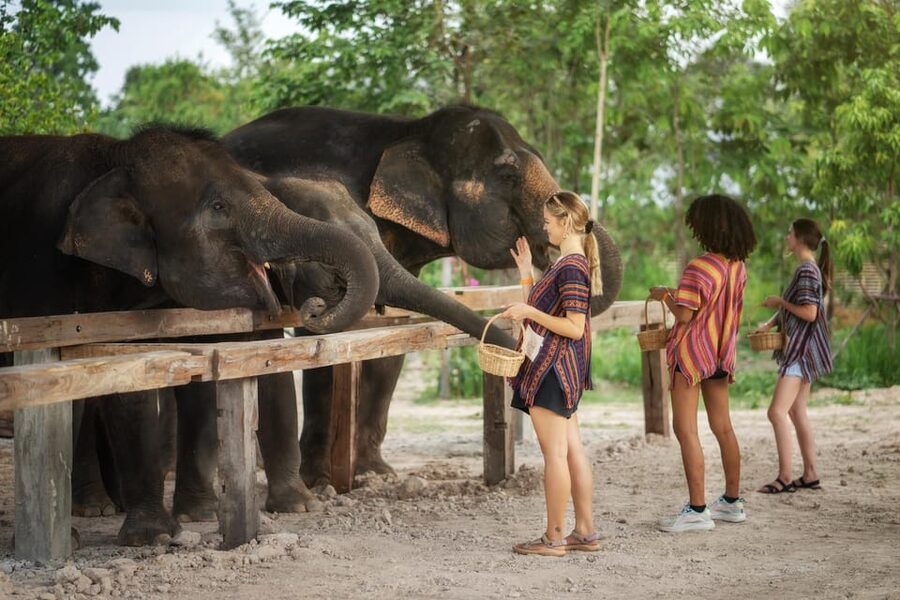
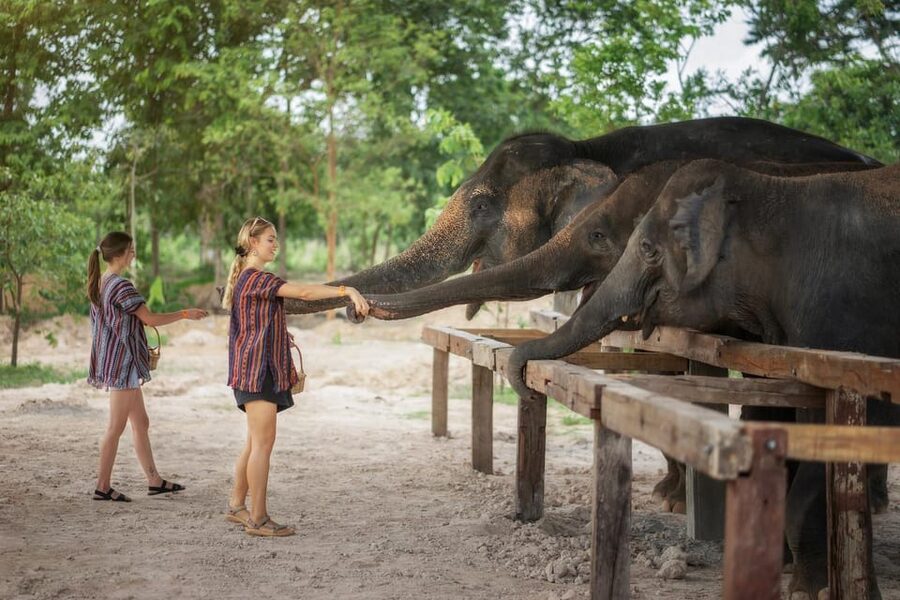
Feeding is the heart of the program. You receive elephant food and offer it directly to the animals while the guide explains what you are doing. This is the closest and most active part of the visit, and it gives you a useful sense of the elephants’ size, appetite, and gentle movements.
Expect a hands-on encounter, but do not expect the elephants to perform. They may reach toward you for food, pause, move between one another, or simply lose interest and wander off. That is part of the value. You are seeing some of their ordinary behavior rather than watching a staged show.
The program also presents feeding as a learning exercise. You hear fun facts about their care and feeding, and you may learn about how elephants communicate and behave in groups. If you have children with you, this practical link between food, behavior, and welfare can make the visit more meaningful than a quick photograph.
Some people have been able to pet the elephants. The guide decides how much contact is suitable, and you should follow that direction closely. Do not reach for an elephant just to get a better picture. Let the animal’s comfort guide the moment.
A smaller sanctuary can mean a calmer encounter
The sanctuary does not have a large herd, and that can be a benefit for this particular format. With fewer elephants, the visit may feel less like a crowded attraction and more like a short introduction to a few individual animals.
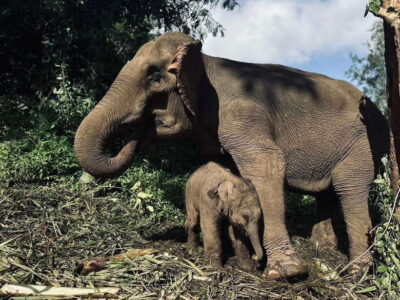
That smaller scale also makes the stories more personal. You may hear where particular elephants came from and how they are cared for now. One visit included a very young elephant, while another described a two-month-old calf. A baby elephant will not be present on every date, so treat this as a possibility rather than a promise.
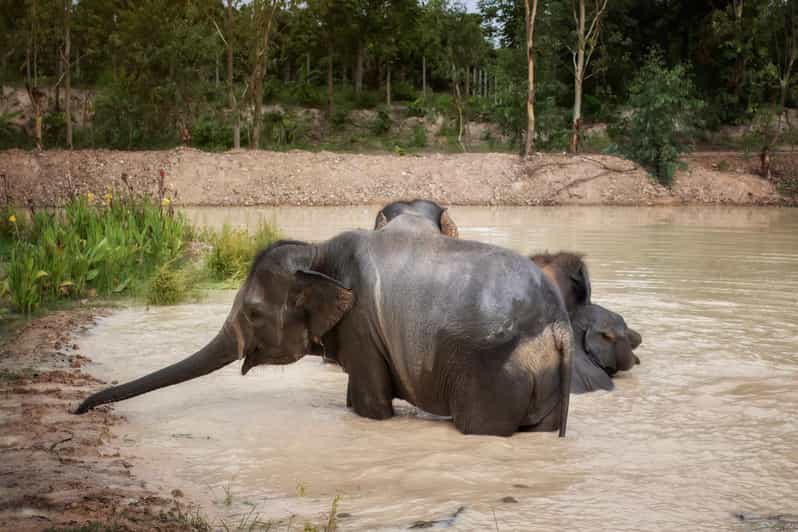
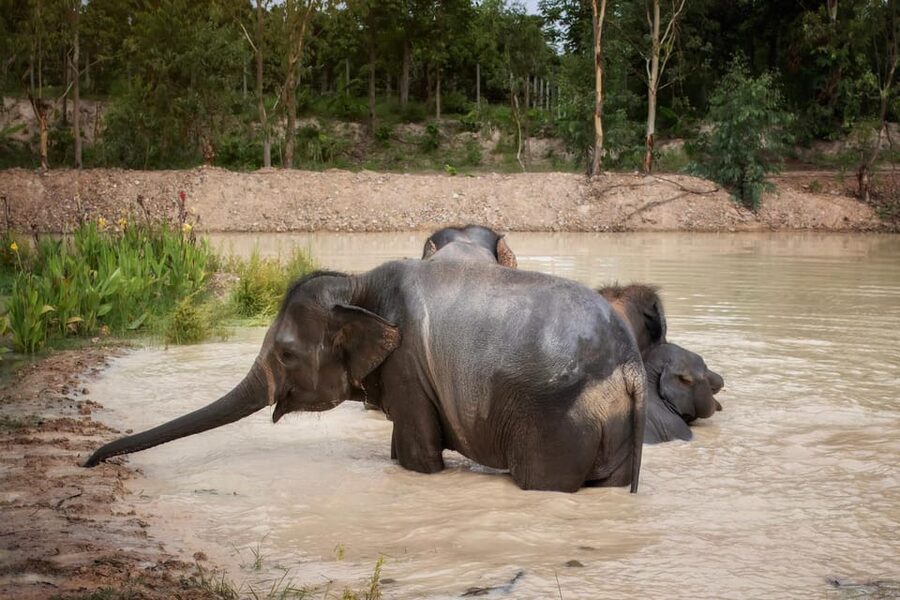
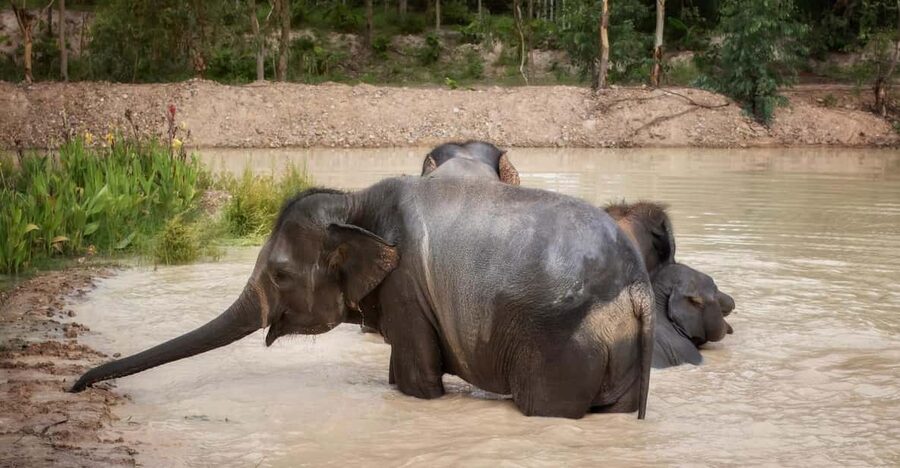
The natural setting adds to the mood. After the excitement of feeding, you can take a breath and watch the elephants at their own pace. They may become hot and want to rest, just as people do. That is an important part of an ethical encounter: the animal does not owe you constant activity.
I would choose an early morning slot if you have a choice. One small group found an especially quiet visit at the start of the day, and an early arrival can help you avoid larger crowds. The program has also been quiet during low season, with some visits reduced to one or two people. Group size can change, so do not book on the assumption that you will have the place to yourself.
What the guide adds to the hour

A good guide is central here. The guide explains the do’s and don’ts, answers questions, describes the elephants’ backgrounds, and keeps the interaction within safe limits. English and Thai are available.
The strongest part of the guiding is the welfare advice. You are told where contact is appropriate and how much interaction is suitable. This may sound basic, but it makes a real difference. You can enjoy feeding the elephants without guessing at their boundaries.
The talks can differ in depth. Some guides have given clear information about the animals and their daily lives, while one person wanted more explanation. If elephant behavior is your main interest, use the quiet moments to ask questions about communication, social patterns, food, and the history of the elephants you meet.
The staff also seem willing to help with practical matters. At least one visit included help arranging a taxi back to Chiang Mai. That is useful because the sanctuary is described as more remote, and finding a return ride may take time.
A different kind of day out of Chiang Mai altogether:
- Half-Day Thai Cooking Class at Organic Farm in Chiang Mai
★ 5.0 · 19,087 reviews - Chiang Mai: Doi Inthanon National Park Eco-Friendly Tour
★ 4.6 · 6,667 reviews - Chiang Mai: Chiang Rai Temples, Karen Tribe and Hot Springs
★ 4.7 · 5,401 reviews - Chiang Mai: Cooking Class, Market & Thai Herbs Garden Tour
★ 4.9 · 4,824 reviews
Extra activities beyond feeding

The listed program centers on the elephants, but some visits have included more. You might see an elephant education room, take part in a small arts and crafts activity, or learn how elephant dung paper is made.
The dung paper activity is not the reason to book this visit, but it is a clever link to conservation and everyday sanctuary work. It gives you something to do after the feeding session and helps explain how elephant waste can be reused. It may appeal to families and anyone who likes a hands-on souvenir activity.
Do not treat these extras as guaranteed parts of every one-hour session. The core promise is feeding and learning about the elephants. The education room and crafts appear to depend on the visit, timing, and what the staff can fit in.
Is $22 good value for Chiang Mai?
At $22 per person, this is a modestly priced animal encounter. The fee includes elephant food, accident insurance, and one free drink. It does not include transport or a meal.
The value comes from the focused format. If you have only one spare hour, you get direct contact, a guide, and a short lesson about elephant care without paying for a full-day package. It also works well before or after another Chiang Mai outing, including time near the water park mentioned by one visitor.
The price is less attractive if you want a full sanctuary day. You will not have hours for a long care program, a meal, or several different activities. You also need to budget for getting to and from the sanctuary, and that return trip deserves attention because the site is not described as central.
I would see the $22 as a good fit for a short, focused visit, not as a replacement for a full elephant welfare program. The length keeps the cost and time commitment low, but it also limits how much you can learn.
Getting there and preparing for the heat
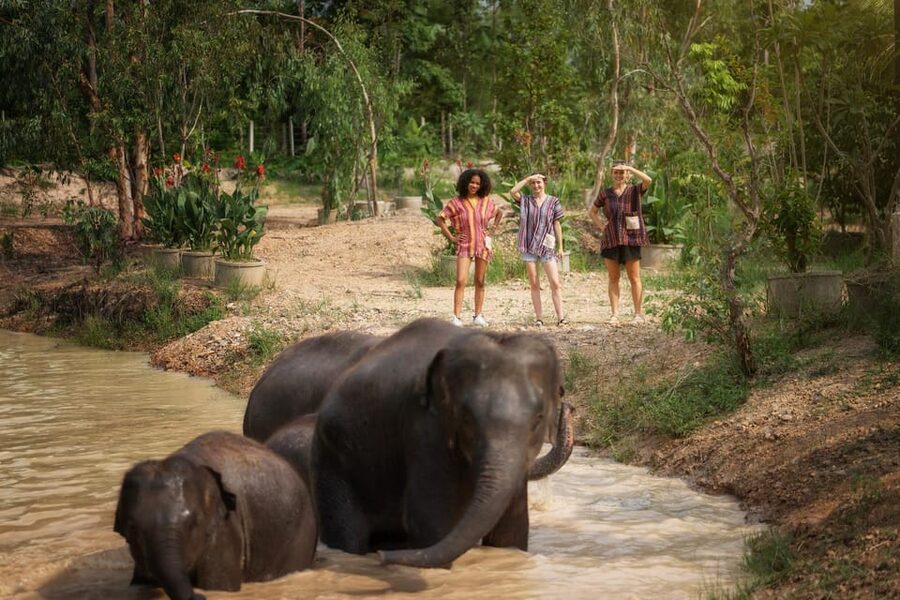
Transportation is not included, so you must reach the sanctuary independently. Meet there 10 minutes before the start time. Since the return ride may be harder to arrange, consider asking your driver to wait or planning your pickup in advance. This is especially sensible if you are using a ride-hailing service.
Wear comfortable clothes and shoes suitable for walking. A hat, sunscreen, water, and insect repellent are practical choices in Chiang Mai’s outdoor heat. Bring a camera, but keep it secondary to paying attention to the animals.
The program includes a drink, but bring your own water as well. Feeding elephants can be more active than it sounds, and the sun may be strong. Comfortable clothing also helps if the visit includes walking between the feeding area and education spaces.
Smoking is not allowed. Riding the elephants is not allowed. You should also follow the guide’s rules about animal contact and food. The instruction to avoid feeding animals should be understood as a general rule for animals outside the arranged elephant feeding activity. Do not bring or hand out your own treats.
Who will enjoy this program most?
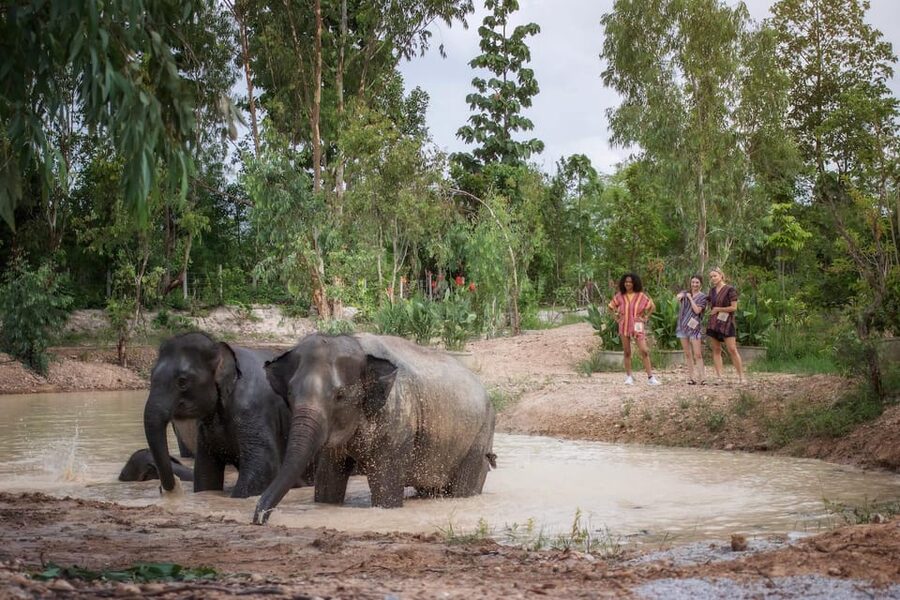
I would recommend this encounter to you if you want a brief, direct introduction to rescued elephants. It suits people with a tight Chiang Mai schedule, families seeking an educational outing, and anyone who prefers feeding and observation to riding or staged performances.
It is also a good choice if you are unsure about committing to a full day. One hour lets you see how you feel around the animals, learn some basics, and leave room for other plans.
You may want something longer if you hope to spend extensive time watching elephant groups, helping with many care tasks, or hearing a detailed conservation talk. The visit is short, and the hour includes arrival, instructions, feeding, and any extra learning that fits.
The program can work well for photographers, too. A photographer may be available to take pictures, and one person received photographs at no extra charge. That service should not be assumed for every visit, but it means you may be able to stay present instead of managing your camera the whole time.
The ethical question: what to look for
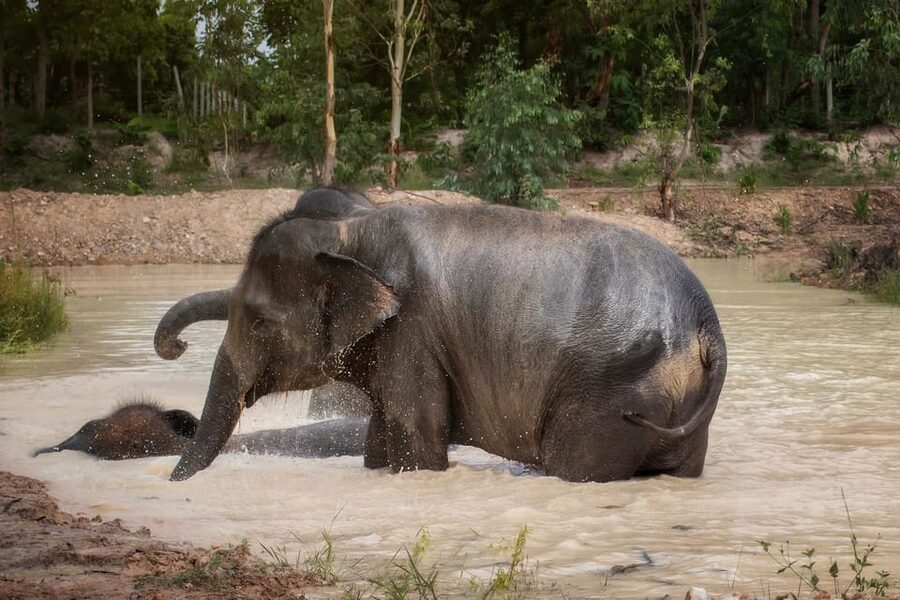
Calling an elephant experience ethical requires more than using the word in the title. The useful signs here are the limits placed on contact, the ban on riding, the guide’s attention to where you touch the animals, and the willingness to let elephants rest.
You should still watch the situation for yourself. Healthy-looking elephants and caring staff are encouraging, but the best practice is to respect the animals’ choices during the visit. If an elephant moves away, becomes restless, or seems tired, give it space.
The program’s short length can help on this point. You are not expecting the elephants to entertain you for an entire day. You feed them, observe them, listen to the guide, and allow the visit to end when the planned hour is over.
Booking flexibility and timing
You can cancel up to 24 hours before the activity for a full refund. The reserve-now, pay-later option lets you hold a place without paying at once, which is useful when your Chiang Mai schedule is still changing.
Check the available start times before booking. An early morning appointment may be preferable if you want a quieter atmosphere and cooler conditions. Low season can also bring smaller groups, though no time slot guarantees a private visit.
Arrive 10 minutes early. That gives you time to meet the guide, settle in, and hear the safety instructions before the feeding begins.
Should you book the Chiang Mai elephant feeding program?
I would book it if you want one focused hour with rescued elephants, a clear guide-led introduction, and a low price. The strongest features are the close feeding encounter, the attention to animal boundaries, and the small setting. The education room or elephant dung paper activity can add a nice extra layer when available.
I would skip it if you want a full-day sanctuary visit or a long care program. The short duration is both the point and the limitation. Plan your own transport carefully, choose an early time when possible, and arrive ready to follow the elephants’ pace.
For a quick Chiang Mai stop, $22 buys a meaningful introduction rather than a rushed photo opportunity. That makes it a sensible choice for many schedules, as long as you know you are booking a compact encounter, not an all-day elephant experience.
FAQ
Where does the elephant encounter take place?
The activity takes place at Elephant Jungle Sanctuary Chiang Mai in Chiang Mai Province, Thailand.
How long does the activity last?
The scheduled activity lasts one hour. You should meet at the sanctuary 10 minutes before the start time.
How much does the experience cost?
The listed price is $22 per person.
What is included in the price?
Elephant food, accident insurance, and one free drink per ticket are included.
Is transportation included?
No. You are responsible for transportation to and from the sanctuary.
What languages are available?
The live tour guide is available in English and Thai.
Can I ride the elephants?
No. Riding the elephants is not allowed.
What should I bring?
Bring a hat, camera, sunscreen, water, insect repellent, comfortable clothes, and shoes suitable for walking.
Can I cancel the booking?
Yes. You can cancel up to 24 hours in advance for a full refund. You can also reserve now and pay later.
Newly reviewed around Chiang Mai
- Workshop Making Herbal ball & herbal inhaler★ 4.3 · 3 reviews
- Chiang Mai Zipline White Water Rafting and Elephant Sanctuary★ 4.0 · 11 reviews
- Walk With Monks Collecting Alms(meeting point maybe change)★ 4.9 · 8 reviews
- Trek to a Jungle Waterfall★ 5.0 · 14 reviews
- Zipline+Sticky waterfall+Long Neck Village Private Tour★ 5.0 · 22 reviews
- Full Day Yoga, Meditation, and Thai Cultural Immersion in Chiang Mai★ 5.0 · 3 reviews
- Meditation Retreat and Self-Care in Nature★ 5.0 · 4 reviews
- Long Neck Village, White & Blue Temple, Black House Day Tour From Chiang Mai★ 4.0 · 14 reviews
Chiang Mai Elephant Sanctuary Visits, compared.
Elephant Sanctuary, Waterfall & Bamboo Rafting
Read our review →

Elephant Sanctuary Feeding Program Half-Day Tour
Read our review →
Elephant Sanctuary, Long Neck & Sticky Waterfall
Read our review →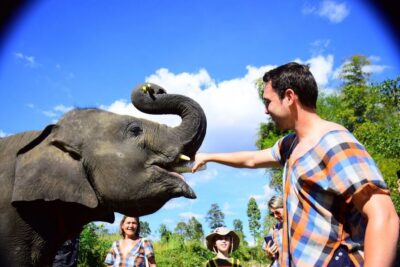
3-in-1: Doi Inthanon Tour, Elephant Sanctuary, and Trekking Trail
Read our review →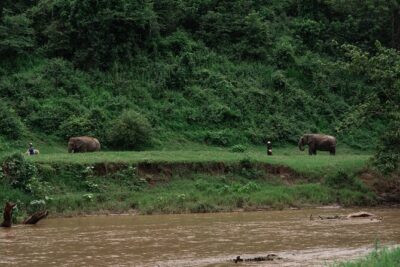
Chiang Mai Elephant Sanctuary, Bamboo Rafting and Waterfall Tour
Read our review →
Browse the lists this tour appears in