
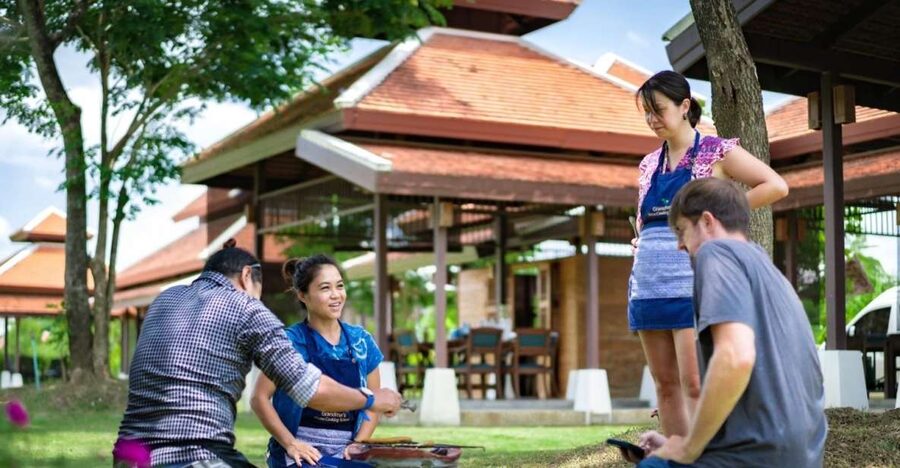
Reviewed · CHIANG MAI THAI COOKING CLASSES
Chiang Mai: Local Northern Thai Cooking Class at Grandma’s
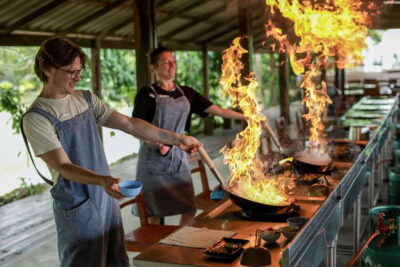
Northern Thai cooking is at its best when you get your hands dirty. At Grandma’s Home Cooking School, you visit a local market, pick herbs from an organic farm, collect eggs, light a charcoal grill, mill flour, and grate coconut by hand before sitting down to eat what you made. The old-fashioned tools are the real draw. This is not just a demonstration.
I especially like the market-and-farm pairing, which helps you understand why Northern food tastes different from the familiar dishes served in central Thailand. I also like the small-group feel reported by recent bookings, with groups of five or eight and careful attention to each person’s portion. The main consideration is the six-hour length, plus an early pickup between 8:30 and 9:00 in the morning.
Key points
- Northern dishes beyond pad thai: Prepare sausage, chili dip, Hang Lay curry, young jackfruit curry, and a traditional dessert.
- A market before the cooking: Learn how local ingredients and seasonings are used before you reach the school.
- Farm work with a purpose: Pick herbs and vegetables, and collect eggs for the recipes.
- Traditional kitchen skills: Light a charcoal grill, mill flour with a stone mill, and grate coconut by hand.
- A small-group feel: Recent bookings describe groups of five or eight, with instructors keeping portions separate.
- Useful extras: Hotel transfers, lunch, drinks, dessert tasting, dietary accommodation, and an electronic recipe book are included.
Starting at the market before the kitchen
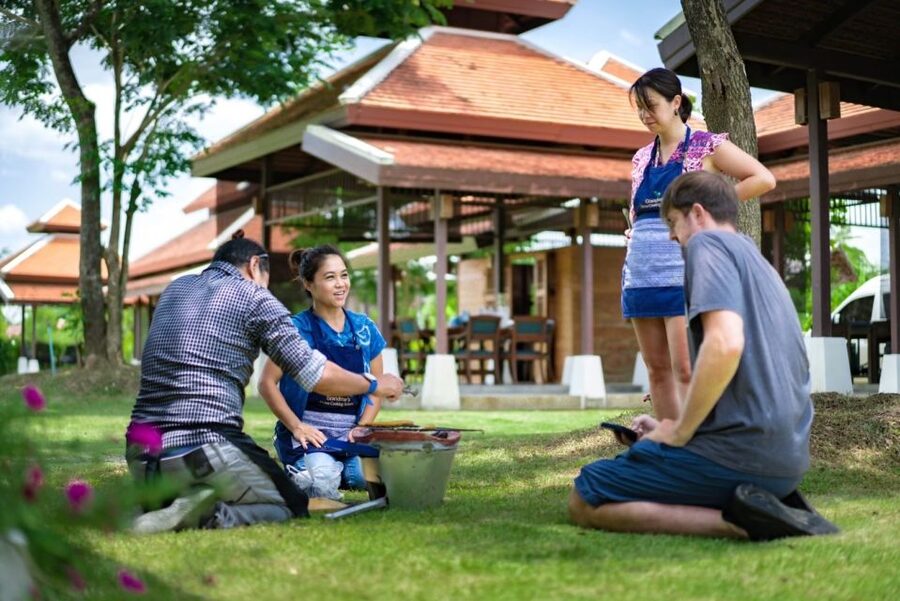
The day begins with hotel pickup around 8:30 to 9:00 in the morning. Be ready in your lobby at 8:30, since the stated pickup window is approximate. Round-trip transportation is included, which saves you the trouble of arranging a ride to a cooking school outside the center.
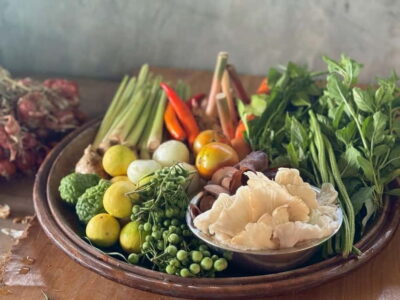
The first stop is a local market. This is a smart beginning because Northern Thai food depends on ingredients that can look unfamiliar even to people who cook Thai food at home. Your English-speaking instructor introduces the seasonings and produce used during the class, giving you a practical guide to what you later see on your worktable.
I like this part because it connects the finished dish to ordinary shopping. You are not simply handed a bowl of curry paste and told to stir. You learn what the ingredients look like before they are chopped, cooked, or mixed together.
The market visit also gives the class a local setting rather than making the whole day feel like a restaurant lesson. The trade-off is that market time is an introduction, not a long food tour. If you want a detailed study of every stall, this class may feel focused on cooking rather than market exploration.
More Thai Cooking Classes in Chiang Mai:
- Half-Day Thai Cooking Class at Organic Farm in Chiang Mai
★ 5.0 · 19,087 reviews - Chiang Mai: Cooking Class, Market & Thai Herbs Garden Tour
★ 4.9 · 4,824 reviews - Chiang Mai: Authentic Cooking Class with Market & Farm Visit
★ 4.9 · 4,546 reviews
Picking herbs and vegetables on the organic farm
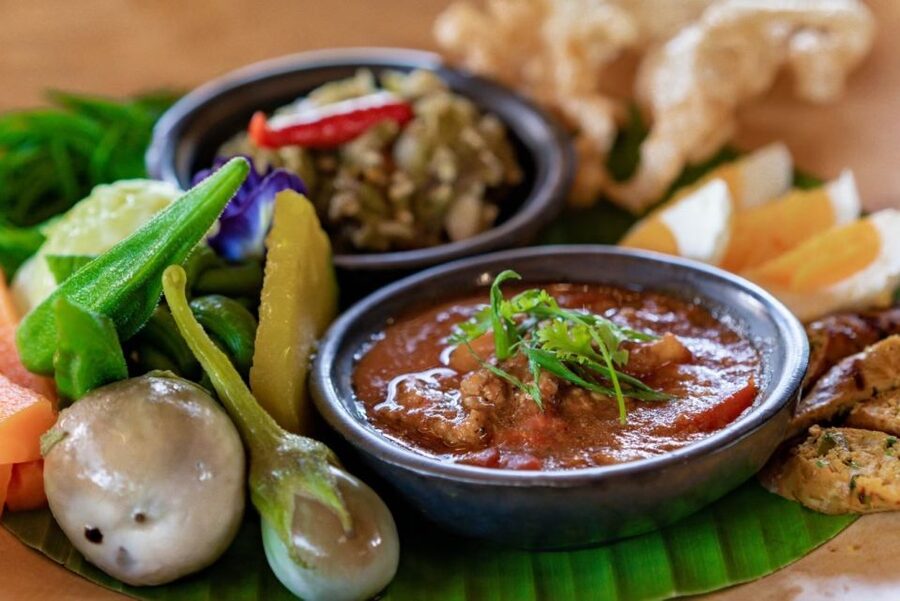
After the market, you tour the organic farm at Grandma’s. The instructor explains Thai herbs and vegetables and helps you pick ingredients for the dishes. You also visit the chicken coop to collect eggs.
This step makes sense for a hands-on class. You see ingredients in their growing form, then use them in the kitchen later. It is a small lesson in how Northern Thai cooking uses fresh produce, herbs, chilies, and simple rural methods.
The farm visit is also where the pace of the day changes. Instead of standing at a counter for six straight hours, you move through the grounds and take part in basic tasks. That makes the class a better fit for you if you enjoy food, gardening, and local routines, not just recipe instruction.
The grounds are described as large, with cooking groups still feeling separate from one another. That matters if you dislike crowded cooking schools. The school can host more than one class, so you should not expect complete solitude, but the reported groups of five and eight suggest a more personal setting than a large demonstration.
Cooking Northern Thai dishes one step at a time
The cooking portion covers the flavors most associated with Northern Thailand. The listed dishes include Northern Thai sausage, Nam Prik Ong or Nam Prik Num, Northern pork belly Hang Lay curry, curry young jackfruit, and a stuffed dough pyramid called Ka Nhom Tian or Kanomjok.
The chili dish gives you a choice. Nam Prik Ong is a spicy pork and tomato dip, while Nam Prik Num is a green chili dip. That choice is useful because the two dishes offer different tastes and textures, and it lets you select according to your preference or dietary needs.
Hang Lay curry is another strong reason to choose this class. It is a Northern Thai pork belly curry rather than the coconut-based curries many people first associate with Thailand. Young jackfruit curry shows a different side of the region’s cooking, with a vegetable ingredient that is often overlooked outside Southeast Asia.
Northern Thai sausage brings another local specialty to the table. The class is not limited to familiar tourist dishes. You get a chance to work with food tied to the region itself.
The description also names grilled egg in banana leaf and Thai coconut pancakes among the dishes taught during the day. The included details describe five main dishes and a separate dessert session, while the fuller course description lists six food preparations. In practical terms, expect a menu built around five Northern Thai dishes, with dessert and additional hands-on work included. If one particular dish matters to you, confirm the exact menu when booking.
Old tools make the class memorable
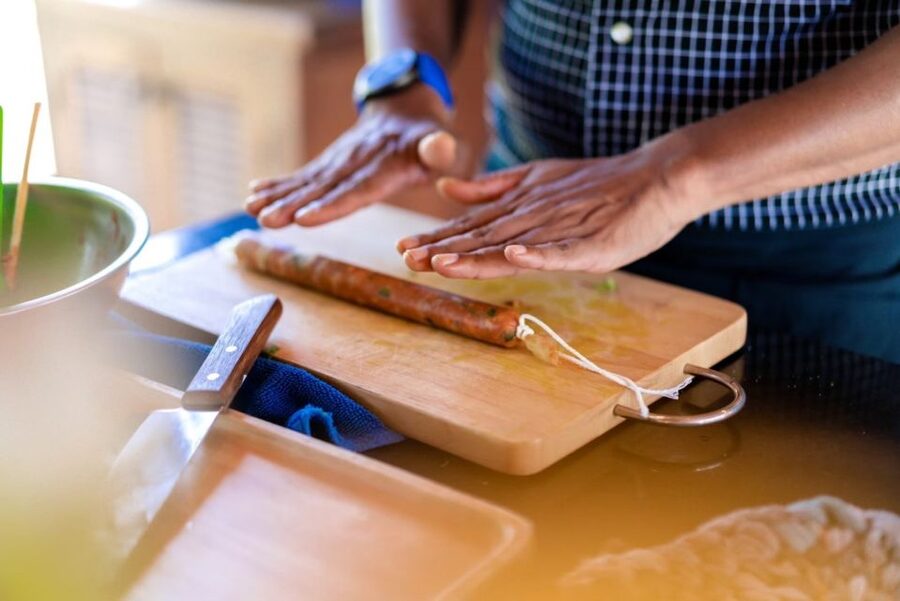
Some of the best parts of this activity are not recipes at all. You learn to light a charcoal grill, wash vegetables, mill flour with a traditional millstone, and grate coconut meat with a hand grater.
These tasks take more time than using an electric appliance, but that is the point. You feel how much work goes into a traditional kitchen before the food reaches the table. Grating coconut by hand and milling flour also explain why texture and freshness matter in Thai desserts.
The charcoal grill adds another useful skill. You learn how to prepare the heat rather than simply placing food on a ready-made cooker. Grilled egg in banana leaf gives that lesson a clear purpose and adds a traditional cooking method to the day.
You should wear comfortable shoes. The class includes the market, farm, kitchen, and outdoor tasks, so this is not a sit-down activity. Sunglasses are also recommended. Leave valuables behind, since the instructions specifically advise against bringing them.
A different kind of day out of Chiang Mai altogether:
- Chiang Mai: Elephant Sanctuary, Waterfall & Bamboo Rafting
★ 4.9 · 9,160 reviews - Chiang Mai: Doi Inthanon National Park Eco-Friendly Tour
★ 4.6 · 6,667 reviews - Chiang Mai: Elephant Sanctuary & Waterfall Group Tour
★ 4.9 · 5,780 reviews - Chiang Mai: Chiang Rai Temples, Karen Tribe and Hot Springs
★ 4.7 · 5,401 reviews
Dessert is a hands-on session, not just a sweet ending
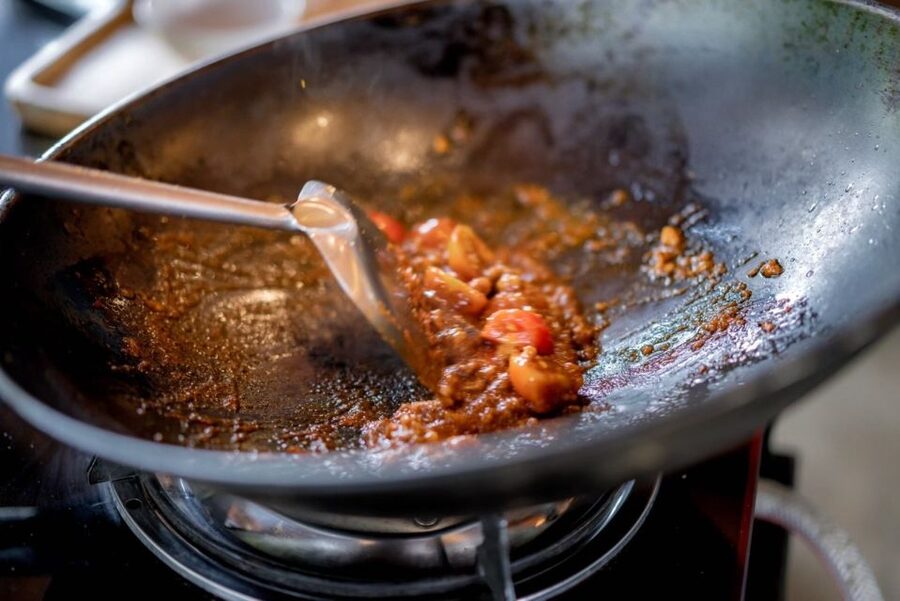
The dessert portion includes Thai coconut pancakes and traditional desserts with refreshments. You get to mill flour, grate coconut, and make the pancakes in the traditional way.
This is a particularly good addition for you if you want to repeat the class at home. Savory Thai food can require ingredients that are hard to find, but the dessert lesson also teaches basic methods and textures. The physical process helps you remember more than a quick tasting would.
The class includes welcome snacks and a refreshing drink on arrival, then a later dessert and refreshment session. Lunch is made up of the dishes you prepare. That means the meal is part of the lesson, not a separate restaurant stop.
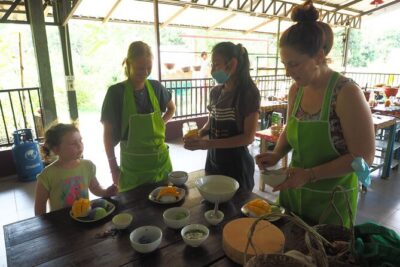
Portions are handled with care. Recent booking details describe each person preparing individual portions and then receiving the food they made. That is a small but important point if you have food allergies, dietary restrictions, or strong preferences. The school also states that it can accommodate special dietary requirements, but you should give those details when booking rather than waiting until the morning of the class.
Lunch gives you a chance to judge your own work
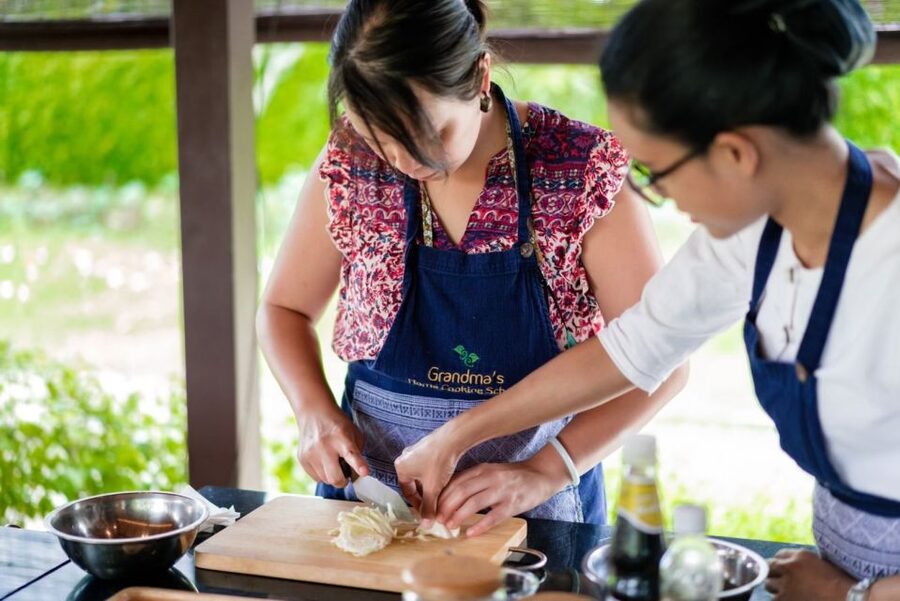
The lunch break is when the separate tasks come together. You sit down to taste the sausage, chili dip, curry, jackfruit dish, dessert, and other preparations included in your class menu.
I like this format because you can compare the ingredients and methods immediately. If a curry is too hot or a dessert has a different texture than expected, the lesson is still fresh. You can ask questions while you remember exactly what you did.
The instructors guide the preparation in English and encourage the group to help one another. That creates a social side to the activity without turning it into a forced performance. The class is cooperative, but you still have a clear role in making your own food.
Recent feedback gives special credit to the instructor called Best, who is described as friendly, funny, helpful, and attentive. That personal care matters in a cooking class. A poor instructor can make even good food confusing, while a patient one can help you through unfamiliar tools and ingredients.
If you cannot finish everything, disposable containers are available for taking leftovers home. That is practical, especially after a full day of cooking and tasting.
What the $48 price covers
At $48 per person, this is not the cheapest way to eat lunch in Chiang Mai. It is a reasonable price for a six-hour activity that includes hotel transfers, a market visit, farm access, instruction, ingredients, lunch, snacks, drinks, dessert, and an electronic recipe book.
The value comes from the amount of time and the number of activities packed into the day. You are paying for more than a recipe lesson. Transportation removes a separate cost, and lunch replaces one meal you would otherwise buy in town.
The recipe book adds value after you return home. It gives you a way to repeat the dishes instead of treating the class as a one-day memory. Still, the final cost is higher than buying street food, and the class takes most of a day. Choose it for the instruction and local setting, not as a budget meal.
Free cancellation is available up to 24 hours before the activity, and you can reserve now and pay later. These terms help if your Chiang Mai schedule is still shifting.
Who will enjoy this Chiang Mai cooking class
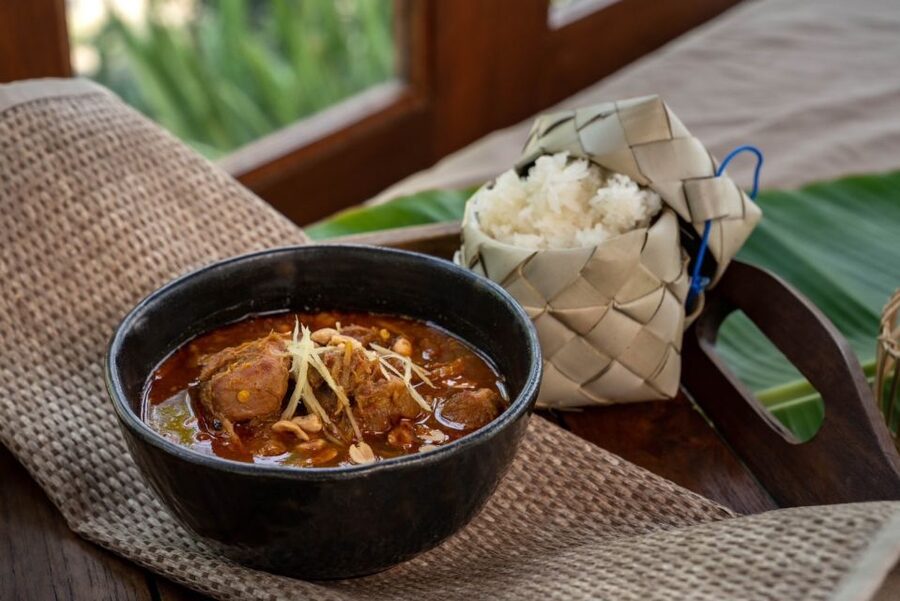
This activity suits you if you want to understand Northern Thai food through ingredients and work. It is a good match for home cooks, couples, families with older children, and anyone who prefers a full cultural activity to a short cooking demonstration.
It also works well for people with dietary requirements because the school accepts special requests. Tell the school in advance so the kitchen can plan accordingly.
Children from 0 to 10 may join as observers. The supplied information does not say that young children take part in every cooking task, so families should expect observation rather than a full independent cooking role for that age group.
The class is wheelchair accessible, which broadens its appeal. Still, the day includes a market, farm tour, outdoor tasks, and several work areas. If you use a wheelchair, confirm that the full route and your particular needs can be supported before booking.
You may want a different activity if you prefer a short lesson, a restaurant meal, or a class centered on well-known dishes such as pad thai and green curry. This course is more rural in feel and more focused on Northern specialties.
Timing, group size, and practical preparation
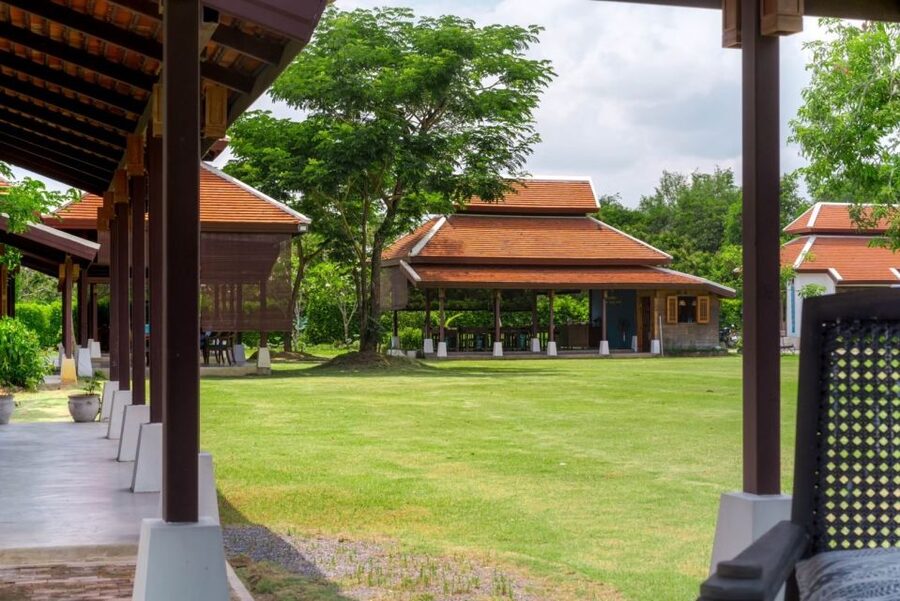
Plan on about six hours from pickup through the return journey. Wear comfortable shoes and sunglasses, and avoid carrying valuables. You will handle food, cooking tools, outdoor equipment, and traditional kitchen devices, so travel light.
The class is taught in English. The reported groups of five and eight suggest good access to the instructor, though the exact number can change. Small groups make it easier to ask about seasoning, cooking time, and substitutions.
Grandma’s grounds can feel spacious while still keeping each class fairly separate. That balance is useful. You get a social activity without the sense of being packed into one large room.
The day starts early enough that you should not plan a late breakfast. Welcome snacks and a drink are provided, followed by the market, farm work, cooking, lunch, and dessert. Since the class includes several food sessions, you will have repeated chances to eat rather than waiting until one final meal.
Should you book Grandma’s Northern Thai cooking class?
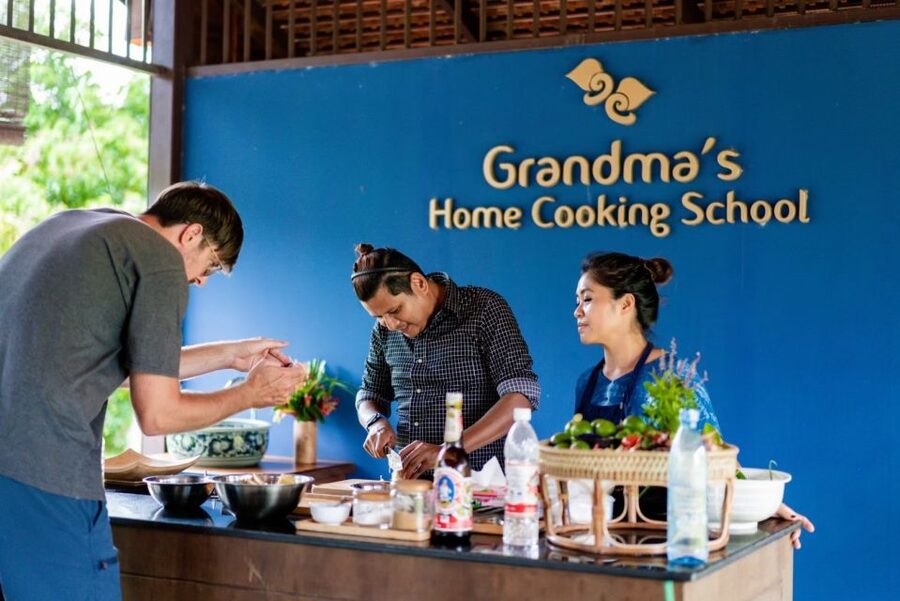
Book this class if you want a hands-on introduction to Northern Thai food and you value the setting as much as the meal. The market, farm, chicken coop, charcoal grill, millstone, and coconut grater give the day a clear sense of place. The small-group reports and the care shown by instructor Best make it especially appealing if you prefer patient guidance.
Think twice if you want a quick activity or a tightly fixed menu. The course description presents slightly different dish counts, with five main dishes, a dessert session, and additional named preparations. Confirm the exact menu if you have your heart set on one recipe.
For most food-minded visitors, the $48 price is fair because it covers transport, food, instruction, lunch, dessert, and recipes across six hours. You leave with more than a full stomach. You leave knowing what Northern Thai ingredients look like, how they are prepared, and how to try the dishes again at home.
FAQ
How long does the cooking class last?
The activity lasts six hours.
What time is hotel pickup?
Pickup is usually between 8:30 and 9:00 in the morning. You should be ready in your hotel lobby at 8:30.
Is hotel transportation included?
Yes. Round-trip transfers to and from your hotel are included.
What language is the class taught in?
The class is taught in English by English-speaking instructors.
Which dishes will I learn to cook?
The listed dishes include Northern Thai sausage, Nam Prik Ong or Nam Prik Num, Hang Lay pork belly curry, young jackfruit curry, and a stuffed dough pyramid called Ka Nhom Tian or Kanomjok. The course description also names grilled egg in banana leaf and Thai coconut pancakes, with traditional desserts served during a separate dessert session.
Does the class include a market visit?
Yes. You visit a local market to learn about the ingredients and seasonings used in Northern Thai cooking.
Will I visit a farm?
Yes. The class includes a tour of an organic farm where you learn about and pick Thai herbs and vegetables. You also visit the chicken coop to collect eggs.
Can the school handle dietary requirements?
Yes. The activity can accommodate special dietary requirements. Provide your needs when booking.
Can children join the activity?
Visitors aged 0 to 10 are welcome to join as observers. The information provided does not state that young children take part in every cooking task.
Is the activity wheelchair accessible?
Yes. The activity is listed as wheelchair accessible.
What should I bring?
Bring comfortable shoes and sunglasses. You are advised not to bring valuables.
Is cancellation allowed?
Yes. You can cancel up to 24 hours in advance for a full refund. You can also reserve now and pay later.
More Hands-On Classes in Chiang Mai
- Thai and Akha Cooking Class in Chiang Mai
★ 5.0 · 4,358 reviews - Chiang Mai: Cooking Class with Market and Pickup
★ 4.9 · 1,365 reviews - Chiang Mai: Cooking Class with Organic Farm at Mama Noi
★ 4.9 · 1,151 reviews - Chiang Mai: Evening Cooking Class and Local Market Visit
★ 4.9 · 648 reviews
Newly reviewed around Chiang Mai
- Workshop Making Herbal ball & herbal inhaler★ 4.3 · 3 reviews
- Chiang Mai Zipline White Water Rafting and Elephant Sanctuary★ 4.0 · 11 reviews
- Walk With Monks Collecting Alms(meeting point maybe change)★ 4.9 · 8 reviews
- Trek to a Jungle Waterfall★ 5.0 · 14 reviews
- Zipline+Sticky waterfall+Long Neck Village Private Tour★ 5.0 · 22 reviews
- Meditation Retreat and Self-Care in Nature★ 5.0 · 4 reviews
- Full Day Yoga, Meditation, and Thai Cultural Immersion in Chiang Mai★ 5.0 · 3 reviews
- Long Neck Village, White & Blue Temple, Black House Day Tour From Chiang Mai★ 4.0 · 14 reviews
Chiang Mai Thai Cooking Classes, compared.
Half-Day Thai Cooking Class at Organic Farm in Chiang Mai
Read our review →
Cooking Class, Market & Thai Herbs Garden Tour
Read our review →
Authentic Cooking Class with Market & Farm Visit
Read our review →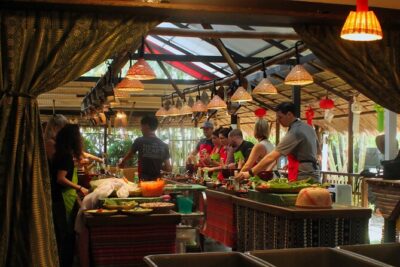
Browse the lists this tour appears in