
Reviewed · CHIANG MAI ELEPHANT SANCTUARY VISITS
Full Day Experience at Ran-Tong Save & Rescue Elephant Centre
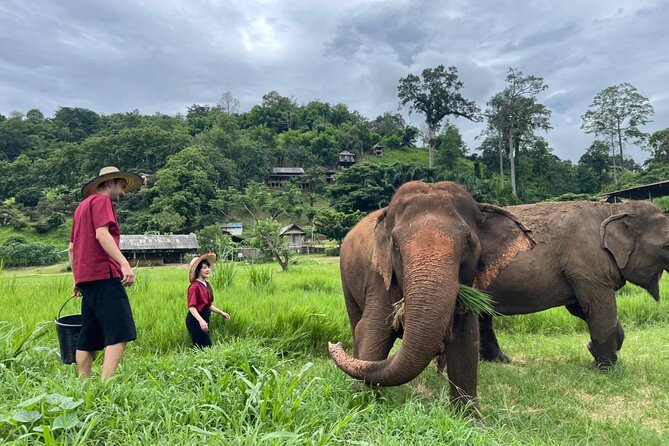
The best part of this day is its quiet approach to elephant care. You spend time making vitamins, feeding the animals, and walking beside them in their natural habitat, rather than watching a show or riding on their backs. The focus is observation, with contact kept respectful and limited.
I like the chance to prepare food for pregnant, injured, and older elephants. I also like the small maximum group of 15, which should make the school lesson and walking time easier to follow. The main drawback is the long day and the roughly one-hour drive each way from Chiang Mai, plus the mud, water, insects, and changing clothes.
Key points to know before you book
- Eight hours from Chiang Mai: Hotel pickup, the drive to Mae Taeng District, the elephant program, lunch, and the return journey all fit into one full day.
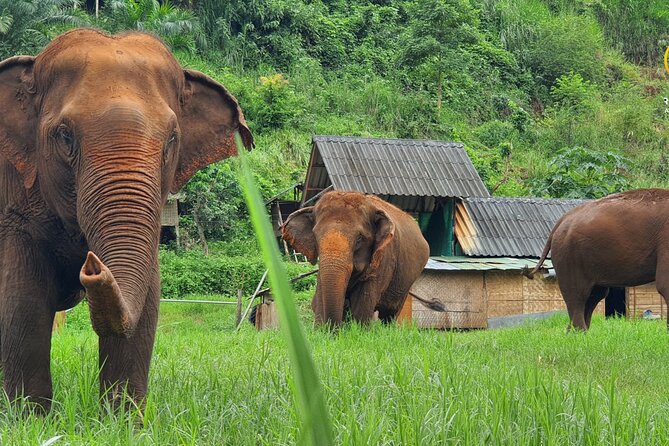
- Hands-off elephant care: You feed, observe, make vitamins, and walk with the elephants without riding them.
- A useful care lesson: The vitamin-making session focuses on elephants who are pregnant, injured, or old.
- Small-group setting: The group is limited to 15 people, a sensible size for a sanctuary visit.
- Practical clothing matters: Bring spare clothes, comfortable shoes, sandals you do not mind getting wet and dirty, soap, shampoo, and insect repellent.
- Feeding without bathing is possible: You can choose to feed the elephants without taking part in bathing, as the centre has accommodated that preference.
A full day built around elephant welfare
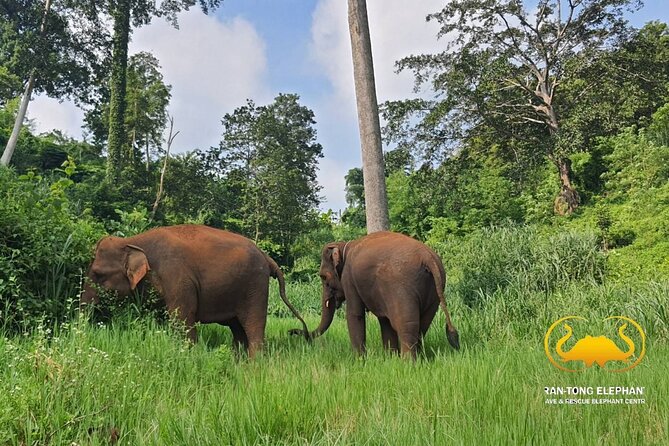
Ran-Tong Save & Rescue Elephant Centre offers a different kind of elephant outing near Chiang Mai. The day is not built around tricks, performances, or riding. Instead, you learn how the centre cares for rescued elephants, prepare vitamins, feed them, and walk near them while they go about their daily routines.
That distinction matters. Elephant tourism in northern Thailand comes in many forms, and the word sanctuary alone does not tell you much. Here, the advertised program keeps the main activities to feeding, observation, learning, and walking. You are not promised a staged show. You are given time to see the animals as living creatures with different needs.
The price is $90.86 per person. That is a sizable amount for a day in Chiang Mai, but it includes hotel pickup, transport, the centre program, lunch, fruit, drinking water, and about eight hours of activities. For you, the value depends on what you want from an elephant visit. If you want a quick photo stop, this is too long and too costly. If you want a full day with education and animal care at the centre of it, the price is easier to justify.
More Elephant Sanctuary Visits near Chiang Mai:
- Chiang Mai: Elephant Sanctuary, Waterfall & Bamboo Rafting
★ 4.9 · 9,160 reviews - Chiang Mai: Elephant Sanctuary & Waterfall Group Tour
★ 4.9 · 5,780 reviews - Chiang Mai: Elephant Sanctuary Feeding Program Half-Day Tour
★ 4.8 · 4,527 reviews
The one-hour ride from Chiang Mai
Pickup is offered from hotels or accommodations in Chiang Mai city. The drive to Ran-Tong in Mae Taeng District takes about one hour, followed by the return trip later in the day.
That transfer is useful because you do not need to arrange your own transport to a rural centre. It also adds a fair amount of sitting time, so remember that this is not an eight-hour visit with eight hours beside elephants. The day includes the road journey in both directions, changing clothes, lessons, lunch, and time at the centre.
The booking pattern also matters. This experience is booked, on average, 42 days ahead, so I would not leave it until the last few days of a Chiang Mai stay. The group limit is 15 people, and popular dates can fill before you arrive.
Starting with Karen-style clothes and elephant school
On arrival, you change into Mahout Style Karen clothes. This is part of the centre’s routine and gives the day a clear break from ordinary sightseeing. You should bring clothes that are easy to change out of and do not mind getting dirty.
The first lesson introduces the centre and the elephants. This is an important start because it gives context before you meet the animals. You learn about the rescue setting and the care work that follows, rather than walking straight into an animal encounter with no explanation.
The clothing change is also a practical warning. This is not a polished, dry, photo-only outing. The supplied advice specifically calls for spare clothing, comfortable shoes, and sandals that can get wet and dirty. Pack mosquito spray or another insect repellent, too. Shampoo and soap are recommended, which suggests that you may want to wash after outdoor activities.
Making vitamins for pregnant, injured, and older elephants
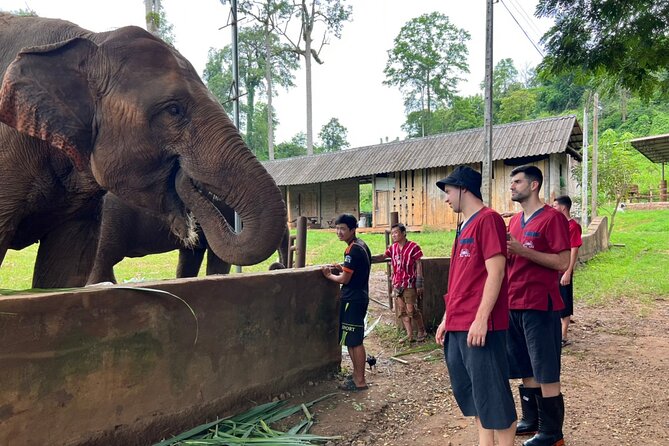
One of the most meaningful parts of the day is preparing vitamins for elephants with added care needs. The program specifically includes pregnant, injured, and old elephants, so the lesson connects directly to the animals you may meet at the centre.
This is more useful than simply handing over a piece of fruit. You get a small look at the daily work behind elephant care, including the fact that different animals may need different support. It also keeps your role simple and appropriate. You are helping prepare food under instruction, not pretending to be a mahout or a veterinary worker.
The activity may include other gentle care tasks. Day details describe feeding, medicine-making, and an elephant massage, but the exact order and amount of hands-on activity can vary. The overall approach remains hands-off, so you should expect guidance about how close to stand and what contact is suitable.
More Full-Day Trips in Chiang Mai:
- Full Day Thai Cooking at Farm (Chiang Mai)
★ 5.0 · 1,127 reviews - Care Pride Elephants: Full-Day Tour Experience
★ 5.0 · 658 reviews - Doi Inthanon National Park Eco-Friendly Full Day Tour
★ 4.5 · 248 reviews - Chiang Mai: Full-Day Kerchor Elephant Eco Park Tour & Trek
★ 4.6 · 224 reviews
Feeding and observing the elephants
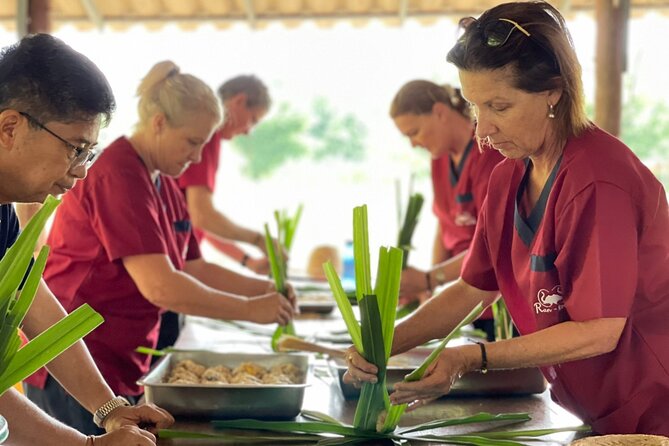
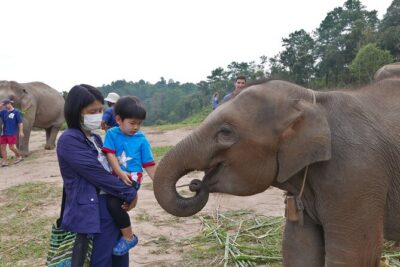
After the lesson, you meet the elephants and observe them. Feeding gives you a closer look at their size, movement, and food habits, but it should not be confused with free contact. The centre presents this as respectful interaction, with the animals’ welfare taking priority.
I like that feeding is not the only focus. A feeding line can become rushed, with everyone concentrating on getting a picture. Observation slows the pace. You can watch how the elephants respond to food, move around one another, and behave when no performance is being staged.
You can also ask to feed without bathing. This is a useful choice for anyone who prefers a more hands-off visit, does not want to get soaked, or feels unsure about bathing activities. The centre has accommodated that preference, so you do not need to assume that every part of the program is compulsory.
Thai lunch, seasonal fruit, and a short reset
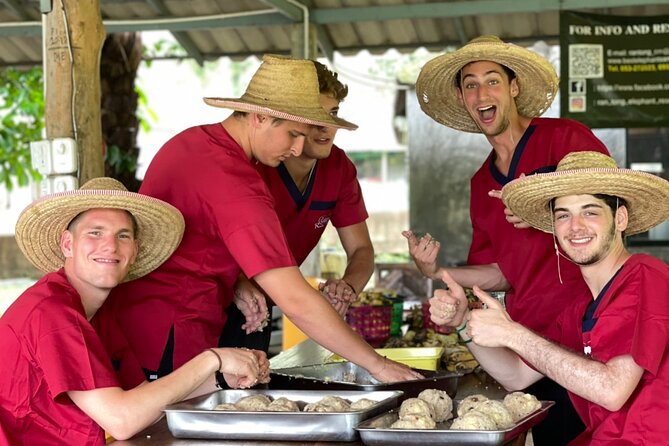
Lunch includes Thai food, seasonal fruits, and drinking water. It breaks up the outdoor schedule and gives you time to dry off, change, and recharge before the walking portion.
A vegan lunch can be accommodated. You should state your dietary needs when booking or before the day begins, rather than waiting until the meal is served. That small bit of planning makes the midday stop much easier.
Do not expect a restaurant-style meal with a long menu. The value here is a practical lunch included in a rural day program. The food also keeps the schedule moving, which matters when the centre still has elephant activities planned for the afternoon.
Walking beside elephants in their natural habitat
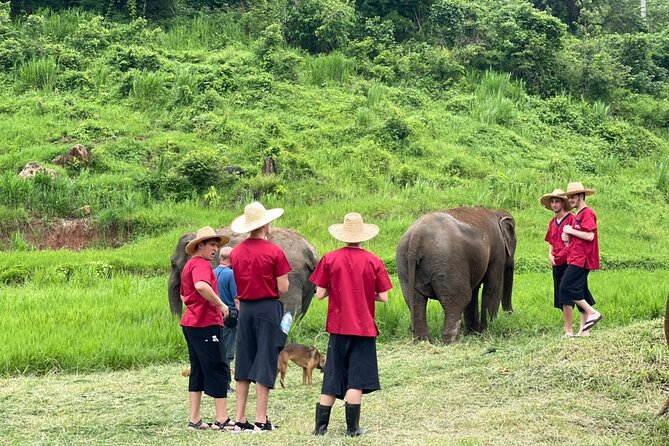
The afternoon walk is the heart of the program. You walk with the elephants and observe them in their natural habitat. The wording is important: you are walking beside them, not riding them.
This format gives you a better chance to watch ordinary behavior. The elephants are not performing tricks, and the program is not built around a stage. You may find the pace slower than a typical attraction, but that is part of the point. The experience asks you to watch, listen, and follow instructions instead of demanding constant action.
Comfortable footwear is essential. The centre specifically advises shoes and sandals that can handle water and dirt. Insect repellent is also worth packing. Bring a camera if you want photographs, but keep your attention on where you are walking and on the animals around you.
The weather can affect how enjoyable this part feels. The provided advice about spare clothes, soap, shampoo, and footwear suggests that wet or muddy conditions are possible. I would pack lightly but bring a complete change of clothes, not just an extra shirt.
Group size, pace, and the feel of the day
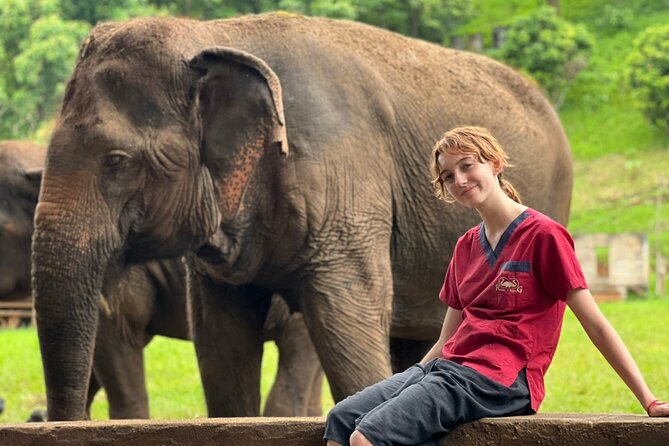
The maximum group size is 15 people. That is not private, but it is small enough to keep the day more personal than a large coach excursion. It should also help during the elephant school lesson, vitamin preparation, and feeding time.
A group of this size can still feel busy around the animals. You will need to share the viewing and feeding space, and the schedule may move at the centre’s pace rather than yours. That is normal for an animal-focused activity. The elephants, not the clock, should come first.
The day suits people who enjoy learning by watching and taking part in simple care tasks. It is a good fit for families, couples, solo visitors, and anyone who wants an ethical alternative to riding. It may be less suitable if you want a short, highly active excursion or a guaranteed bathing session.
Most people can participate, according to the activity information. No special restriction is listed, but you should be comfortable with a full day outdoors, a one-hour drive each way, walking near elephants, and possibly getting wet or dirty.
How the price compares with the experience
At $90.86 per person, this is not the cheapest way to see elephants near Chiang Mai. Still, the fee covers more than entry. You receive city pickup, transport, lessons, elephant care activities, lunch, fruit, water, and a full schedule lasting about eight hours.
The strongest value comes from the time spent learning and observing. If the centre’s welfare approach matters to you, avoiding riding and shows may be worth paying extra for. The vitamin-making session adds purpose, while the walking time gives you more than a brief feeding stop.
The weaker value appears if you measure the day by direct contact. This is not a high-contact animal encounter, and the hands-off approach means you may spend more time watching than touching. That is a positive from an animal-welfare point of view, but it may not match what you expect from the price.
The group limit of 15 helps. You are not paying for a private tour, but the day should be more manageable than a large-scale attraction. Free cancellation up to 24 hours before the start also reduces the risk of booking well ahead. If the minimum number is not met and the centre cancels, you are offered another date or a full refund.
What to pack for Ran-Tong
A little preparation will improve the day. I would bring:
- Spare clothes for the ride home
- Comfortable shoes for walking
- Sandals or footwear you do not mind getting wet and dirty
- Shampoo and soap
- Mosquito spray or insect repellent
- A camera
- Any dietary information, including a vegan request
Do not pack your best clothes. The centre’s own advice makes clear that dirt and water are part of the setting. A small waterproof bag for your phone and camera would also be sensible, although a waterproof bag is not specifically listed as required.
Is Ran-Tong the right elephant day for you?
Book this experience if you want a full day focused on rescued elephants, animal care, and observation without riding. It is especially suitable if you like the idea of preparing vitamins for animals with different needs, walking beside elephants, and learning before you feed.
Think twice if you want a quick outing, a luxury setting, or guaranteed bathing. The drive takes about an hour each way, the day can be wet and dirty, and the hands-off approach limits physical contact.
For my money, the best reason to choose Ran-Tong is its clear structure: learn about the centre, help prepare care items, meet the elephants, eat lunch, and walk with them. Bring practical clothes, book ahead, and treat the day as an animal-welfare visit rather than an amusement ride. If that sounds like your kind of Chiang Mai day, this is a solid choice.
FAQ
How long does the Ran-Tong elephant experience last?
The activity lasts approximately eight hours, including the program at the centre and the travel from Chiang Mai.
Does the tour include hotel pickup?
Yes. Pickup is offered from hotels or accommodations in Chiang Mai city.
How far is Ran-Tong from Chiang Mai?
The drive to Ran-Tong Save & Rescue Elephant Centre in Mae Taeng District takes approximately one hour each way.
Can I ride the elephants?
No riding is included. The program focuses on observing, feeding, learning, and walking beside the elephants.
What activities are included at the centre?
You change into Mahout Style Karen clothes, attend an elephant school lesson, make vitamins, meet and observe the elephants, eat lunch, and walk with them in their natural habitat.
Can I feed the elephants without bathing them?
Yes. Feeding without bathing has been accommodated, so you can choose a more limited form of contact.
Is lunch included?
Yes. Lunch includes Thai food, seasonal fruit, and drinking water.
Can the centre provide a vegan lunch?
Yes. Vegan dietary needs can be accommodated for lunch.
What should I bring?
Bring spare clothes, comfortable shoes, sandals you do not mind getting wet and dirty, shampoo, soap, a camera, and mosquito spray or insect repellent.
How many people can join the activity?
The maximum group size is 15 people.
Can I cancel for a full refund?
Yes, if you cancel at least 24 hours before the experience starts. Cancellations or changes made less than 24 hours before the start time are not refunded or accepted.
Newly reviewed around Chiang Mai
- Workshop Making Herbal ball & herbal inhaler★ 4.3 · 3 reviews
- Chiang Mai Zipline White Water Rafting and Elephant Sanctuary★ 4.0 · 11 reviews
- Walk With Monks Collecting Alms(meeting point maybe change)★ 4.9 · 8 reviews
- Trek to a Jungle Waterfall★ 5.0 · 14 reviews
- Zipline+Sticky waterfall+Long Neck Village Private Tour★ 5.0 · 22 reviews
- Meditation Retreat and Self-Care in Nature★ 5.0 · 4 reviews
- Full Day Yoga, Meditation, and Thai Cultural Immersion in Chiang Mai★ 5.0 · 3 reviews
- Long Neck Village, White & Blue Temple, Black House Day Tour From Chiang Mai★ 4.0 · 14 reviews
Chiang Mai Elephant Sanctuary Visits, compared.
Elephant Sanctuary, Waterfall & Bamboo Rafting
Read our review →

Elephant Sanctuary Feeding Program Half-Day Tour
Read our review →
Elephant Sanctuary, Long Neck & Sticky Waterfall
Read our review →
3-in-1: Doi Inthanon Tour, Elephant Sanctuary, and Trekking Trail
Read our review →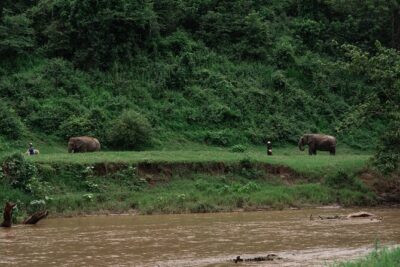
Chiang Mai Elephant Sanctuary, Bamboo Rafting and Waterfall Tour
Read our review →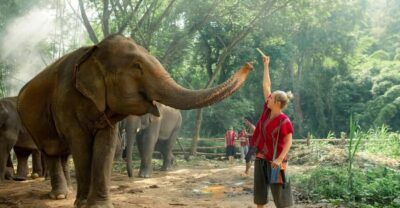
Browse the lists this tour appears in