
Reviewed · CHIANG MAI ELEPHANT SANCTUARY VISITS
Rantong elephant sanctuary Chiangmai
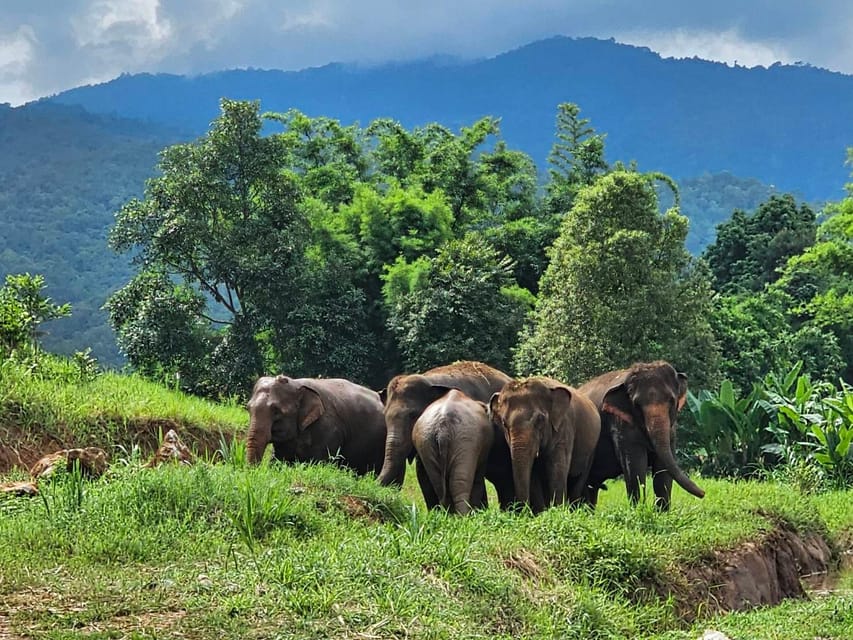
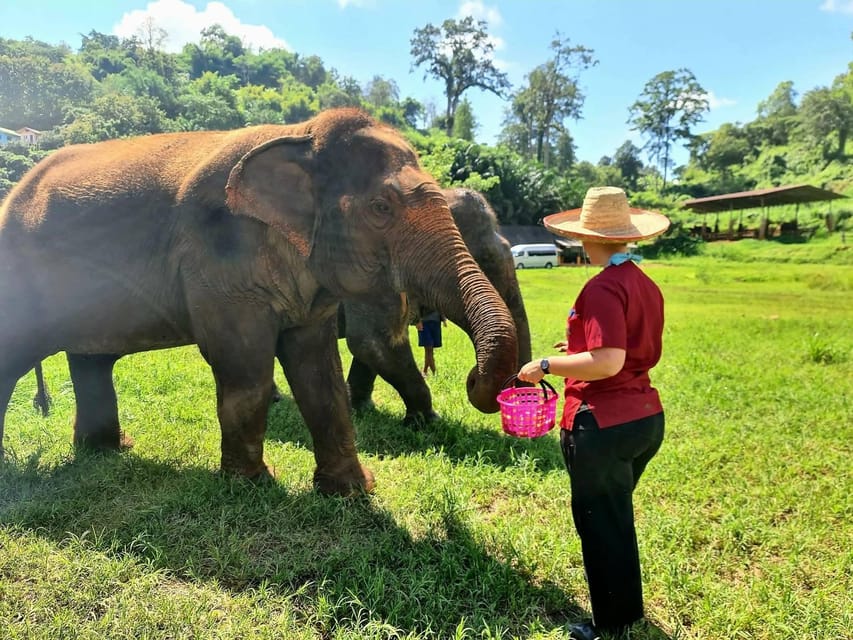
Rantong gives you close contact with rescued elephants without the horseback riding found at many elephant camps. You can walk among the animals, feed them, and help bathe them, while guides explain how to approach these huge but gentle creatures.
I like the simple half-day format and the included transport from Chiang Mai’s Old City. Lunch or dinner, drinking water, changing clothes, and elephant feed are covered too. The main thing to consider is the bathing and close interaction: one recent visitor felt that parts of the tourist experience did not fully match the idea of an ethical sanctuary.
Key points
- Rescued elephants roam freely: The camp’s elephants include animals that were abused, injured, or maltreated, and some may walk freely around the site.
- Hands-on but gentle activities: You feed the elephants, walk near them, and help bathe them rather than ride them.
- A four-hour visit: The half-day schedule gives you meaningful time with the elephants without taking over your whole Chiang Mai day.
- Food and practical extras included: Transport, insurance, drinking water, elephant food, changing clothes, and a meal are part of the price.
- Old City pickup: Free pickup is available from accommodation within 3 kilometers of Chiang Mai’s Old City.
- A useful ethical question: The experience supports elephant rescue, but close contact and bathing may not suit visitors seeking a strictly observation-only model.
Meeting rescued elephants outside Chiang Mai
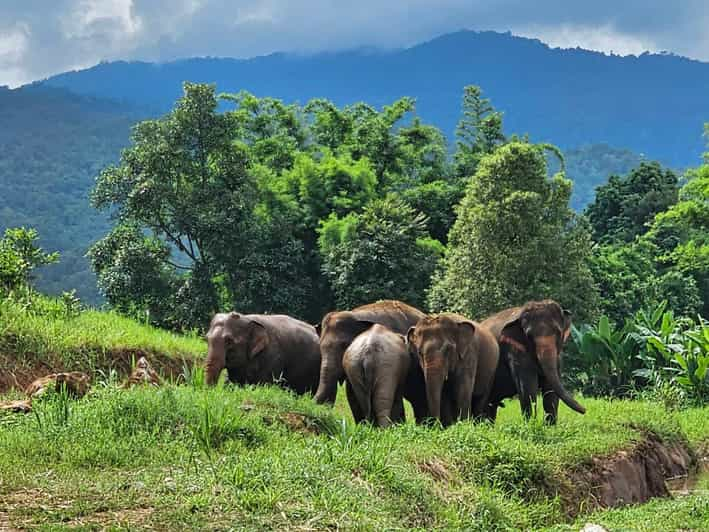
Rantong Elephant Sanctuary is designed around elephants that need care after abuse, injury, or poor treatment. That mission gives the visit more weight than a simple animal encounter. Your fee helps keep the camp operating, and your presence supports food, care, and the daily work of looking after the animals.
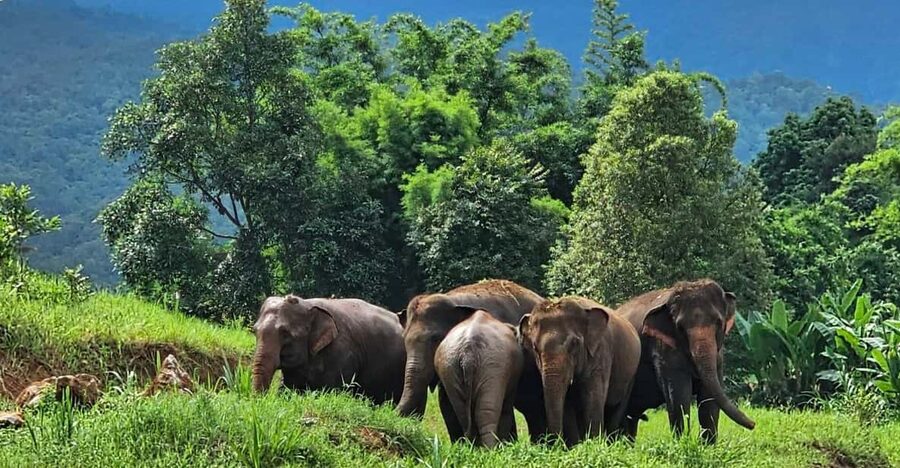
The most memorable part is the scale of the meeting. You are not watching elephants from a distant platform. You can walk among them, offer food, and see their strength and gentleness at close range. The animals may move freely around the area, and that can make the experience feel less staged.
Still, keep your expectations sensible. A sanctuary visit is not a wildlife documentary. The program is built for human interaction, and feeding and bathing are central parts of it. If you prefer a place where elephants are observed only from a distance, this may not be your best fit.
The current rating is 4.4 from 21 ratings, which suggests a generally strong experience with some room for debate about the meaning of ethical elephant tourism. That mixed point of view is useful. The rescue work matters, but you should also think about how much direct contact you are comfortable supporting.
More Elephant Sanctuary Visits near Chiang Mai:
- Chiang Mai: Elephant Sanctuary, Waterfall & Bamboo Rafting
★ 4.9 · 9,160 reviews - Chiang Mai: Elephant Sanctuary & Waterfall Group Tour
★ 4.9 · 5,780 reviews - Chiang Mai: Elephant Sanctuary Feeding Program Half-Day Tour
★ 4.8 · 4,527 reviews
The four-hour route from Chiang Mai’s Old City
The day begins with hotel or accommodation pickup within 3 kilometers of Chiang Mai’s Old City. This is a practical benefit if you are staying inside or close to the old center. You do not need to arrange a separate taxi, and the drive itself offers a look at daily life outside the central streets.
The supplied details do not give an exact pickup time, group size, or drive length, so check the available start times before booking. The visit lasts four hours, making it easier to fit around temple visits, an evening market, or another Chiang Mai activity.
Transport is not only a convenience here. It also lets you see more of Chiang Mai Province on the way to the camp. The ride is part of the day’s local setting, not just a transfer from a hotel to an attraction.
Pickup is listed as free within the 3-kilometer Old City radius. If you are staying farther away, confirm the transport arrangement before paying. This small detail can affect the real cost and ease of the outing.
Feeding elephants and learning their personalities
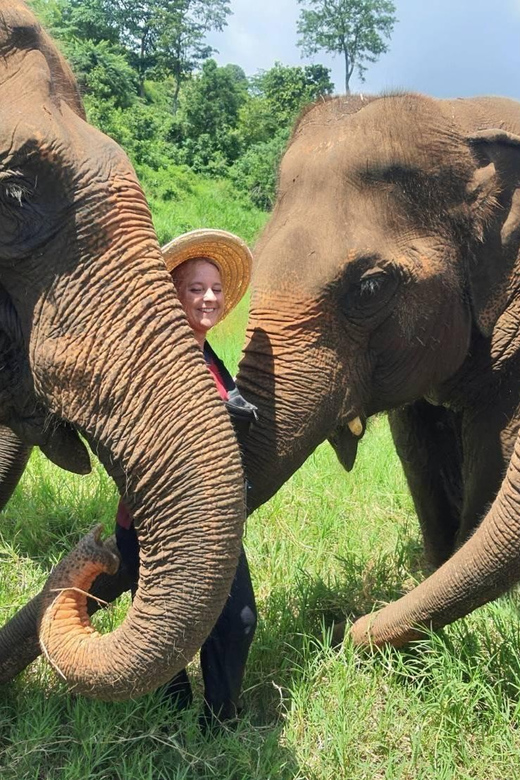
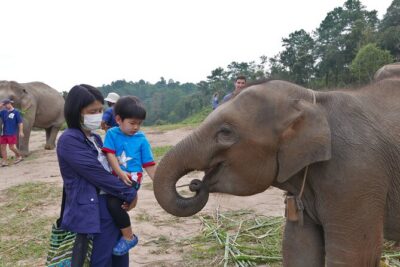
At the camp, food for the elephants is supplied. Feeding gives you an easy first step into the experience. You can begin by watching how the animals respond, then move closer with guidance from the staff.
The program says no special training is required. That matters because elephants are powerful animals, even when they are calm. You need an open mind, steady movements, and attention to the guide’s instructions, but you do not need previous animal-handling experience.
The guides speak English and Chinese and are described as experienced in helping visitors get comfortable around the elephants. No guide names are provided, so you cannot request a particular person in advance. Still, language support in two major visitor languages is useful, especially during feeding and bathing, when clear instructions matter.
Feeding is also a good chance to notice individual behavior. Some elephants may be more eager for food, while others may seem quieter or less interested. The camp’s purpose is not just to place an elephant in front of you for a photograph. It is meant to show the animals as strong, intelligent creatures with different temperaments.
If you are nervous, do not feel pressured to rush forward. Stay beside the guide, follow the instructions, and let the elephant’s behavior set the pace. A close encounter is more rewarding when you are calm and alert.
Walking among elephants instead of riding them
One clear advantage here is the absence of horseback riding. You are not placed on an elephant for a circuit around the camp. That removes one activity many visitors now question and keeps the focus on walking near the animals.
Walking among elephants can feel more personal than sitting above one. You see their bodies at ground level, watch how they move, and get a better sense of their size. You also have to pay attention to where you stand and how you move, which makes the encounter feel less like a passive show.
The camp says the rescued elephants are able to move freely around the site. That is an important detail, though you should understand it in practical terms. Free movement does not mean the animals are wild or that the entire visit is observation only. The program still includes feeding, interaction, and bathing.
The experience may suit families, couples, solo visitors, and first-time elephant watchers who want a guided introduction without riding. It may not suit someone who wants no physical contact with animals or who feels uncomfortable standing close to a large elephant.
A different kind of day out of Chiang Mai altogether:
- Half-Day Thai Cooking Class at Organic Farm in Chiang Mai
★ 5.0 · 19,087 reviews - Chiang Mai: Doi Inthanon National Park Eco-Friendly Tour
★ 4.6 · 6,667 reviews - Chiang Mai: Chiang Rai Temples, Karen Tribe and Hot Springs
★ 4.7 · 5,401 reviews - Chiang Mai: Cooking Class, Market & Thai Herbs Garden Tour
★ 4.9 · 4,824 reviews
Bathing time and the question of ethics
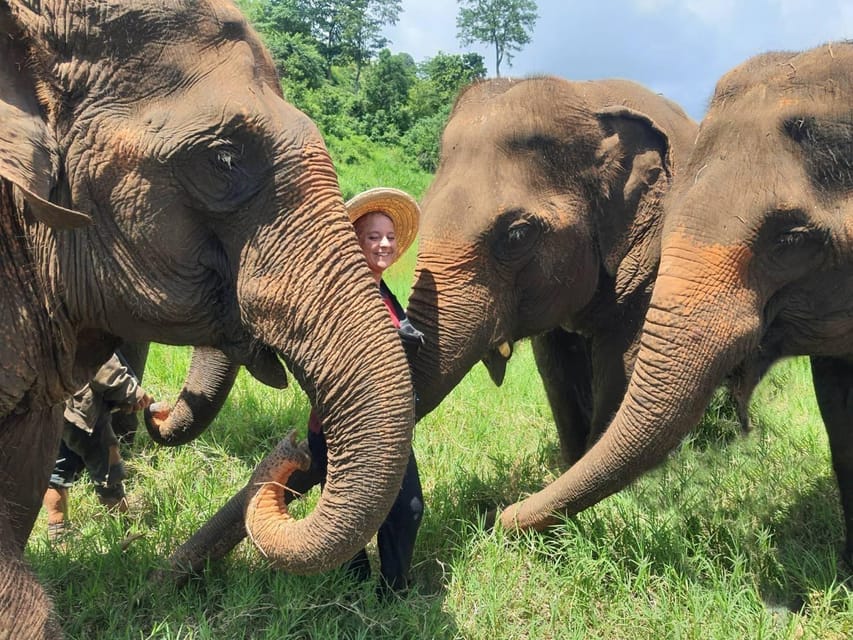
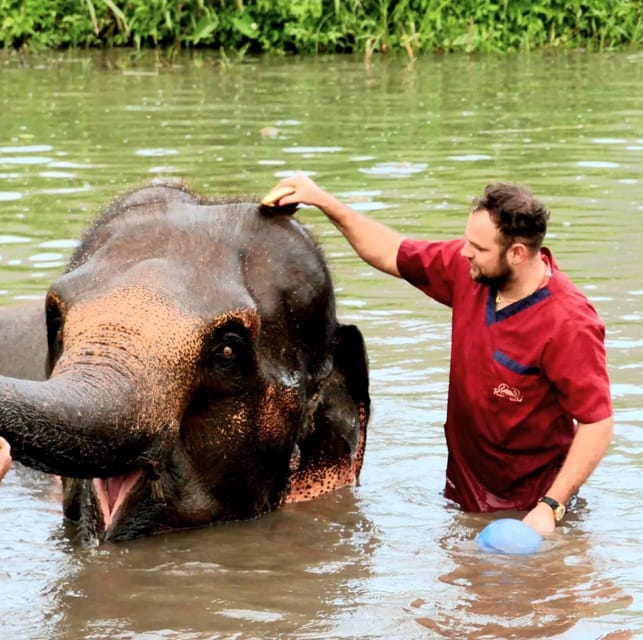
Bathing is one of the most hands-on parts of the program. You can help wash the elephants and spend time close to them in the water. Towels and shower gel are provided, and changing clothes are included, which is a useful touch after a wet activity.
A recent visitor also noted the chance to take a shower afterward and said the towels and washing supplies were helpful. That tells you something practical: bring a change of attitude as well as clothes, because this is not a stay-clean, photo-only visit.
Bathing can be joyful, but it is also the part that deserves the most careful thought. One visitor gave the experience three out of five because of an internal concern about how much should be done for tourist entertainment at a place called an ethical sanctuary. That concern does not erase the camp’s rescue work, but it is worth taking seriously.
The best way to approach the activity is to follow the guide, avoid forcing contact, and respect the animal’s behavior. If an elephant seems uninterested, you should not treat that as a cue to try harder. The experience is strongest when care comes before the perfect photograph.
For visitors who want a strictly hands-off model, look for a program that limits contact to observation. For visitors who accept carefully managed feeding and bathing as part of a rescue camp’s visitor program, Rantong offers a more involved encounter.
Food, water, and changing clothes included
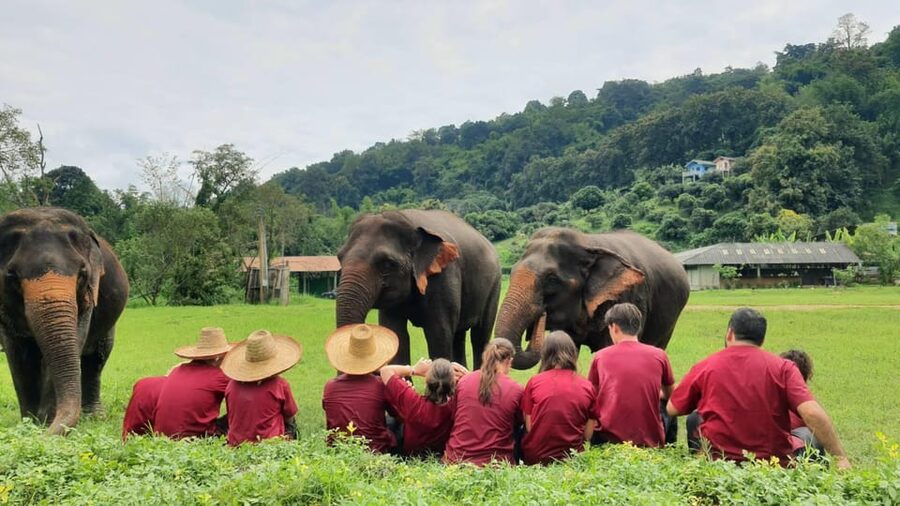
The price is listed at $57 per person. For four hours, that works out to a reasonable package if you value the transport and practical extras. You are not paying only for entry. The fee also includes insurance, elephant food, drinking water, changing clothes, and a meal.
The meal depends on the schedule. A morning half-day program includes lunch, while an afternoon half-day program includes dinner. The details describe traditional Thai food, so this is also a simple way to add a local meal to the outing without arranging another restaurant stop.
Coffee and tea are listed as part of the Chiang Mai visit, though the exact timing and serving details are not given. Do not plan around a particular menu. If you have dietary needs, confirm them before booking because no special meal information is provided.
Bring a comfortable attitude toward getting wet. The camp provides clothes to change into, but the supplied details do not describe footwear, lockers, or personal storage. Keep valuables to a minimum and check with the operator if you need specific arrangements.
Drinking water is included, which is welcome in Chiang Mai’s warm conditions. Insurance is also part of the package, but you should still read the booking terms and any health requirements before departure.
Who will get the most from this visit
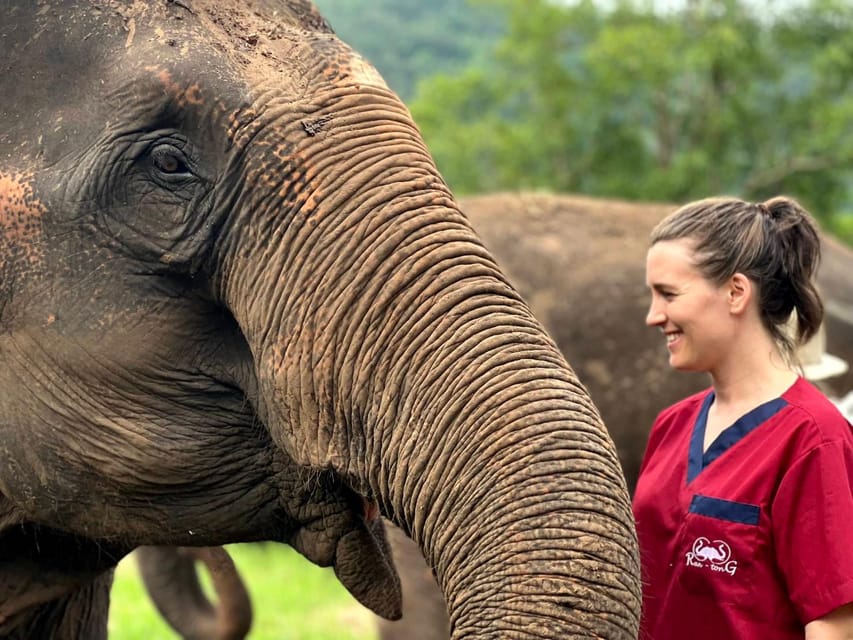
I would choose Rantong if I wanted a half-day elephant experience with plenty of direct activity and little planning after leaving my hotel. The program is especially suitable for you if you want to feed elephants, walk near them, and participate in bathing without riding.
It also works well if your schedule is tight. Four hours leaves much of the day free, and pickup from the Old City reduces the need to organize local transport. The included meal makes the price easier to judge, especially for visitors who would otherwise pay separately for food and a taxi.
Families may appreciate the guided structure, though the supplied information does not specify a minimum age or child policy. Ask before booking if you are traveling with young children. The same applies to visitors with mobility concerns. The program is listed as wheelchair accessible, but no details explain which parts of the bathing or walking activities are accessible.
The visit may be less suitable for you if you want complete solitude, a small private setting, or an observation-only elephant encounter. The group size is not stated, so you should not assume an intimate private experience.
You should also think about your own view of elephant welfare. The camp’s rescue purpose is a strong reason to visit, but the bathing and human interaction raise reasonable questions. You can support the rescue work while still deciding that certain activities are not for you.
Booking details that affect your decision
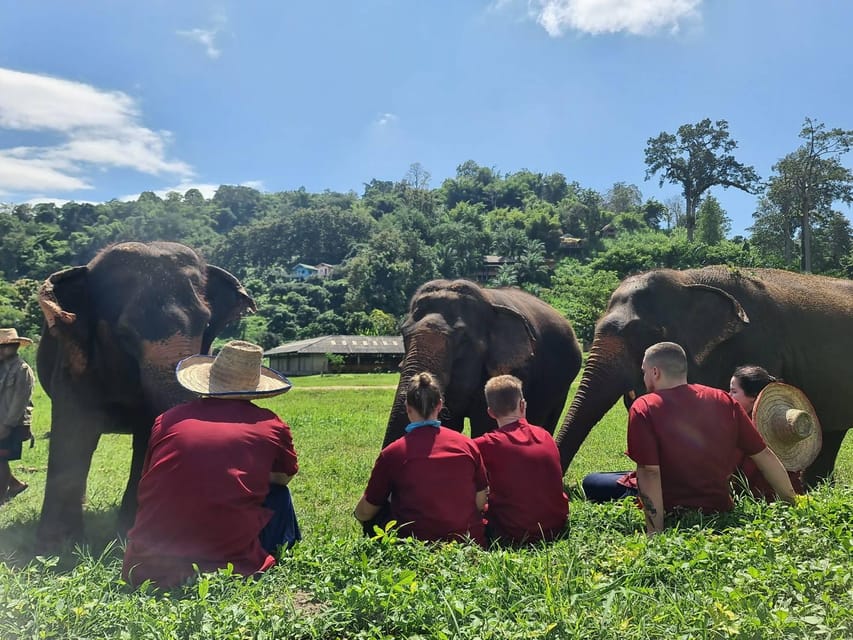
English and Chinese live guides are available. Pickup covers accommodation within 3 kilometers of Chiang Mai’s Old City, and transportation is free within that area. The four-hour duration has several starting times, but you need to check availability for the date you want.
The tour is wheelchair accessible according to the supplied information. Since no further access details are given, contact the operator if you need to know about vehicle boarding, paths, toilets, or access to the bathing area.
You can cancel up to 24 hours before the activity for a full refund. The reserve-now, pay-later option lets you hold a place without paying immediately, which is handy while you are still sorting out your Chiang Mai plans.
The $57 cost is fair when you count the meal, transport, water, elephant food, clothing, and insurance. It is less attractive if you would prefer to watch elephants from a distance or if you do not plan to take part in the bathing activity. In that case, you may be paying for a style of visit that does not match your priorities.
Should you book Rantong Elephant Sanctuary?
Book this experience if you want a practical, active half-day with rescued elephants and you are comfortable feeding them and helping bathe them. The no-riding policy, included pickup, Thai meal, and changing clothes make it easy to fit into a Chiang Mai stay.
Pause before booking if the phrase ethical sanctuary means observation only to you. Rantong offers direct interaction, and one visitor’s ethical concern shows why that distinction matters. Go in with respect, follow the guide closely, and let the elephants’ comfort come first. For the right visitor, this can be a moving and memorable encounter. For others, a less hands-on elephant program will be a better choice.
FAQ
Where is Rantong Elephant Sanctuary?
Rantong Elephant Sanctuary is in Chiang Mai Province, Thailand.
How long does the experience last?
The activity lasts four hours.
How much does the tour cost?
The listed price is $57 per person.
Is hotel pickup included?
Yes. Pickup is included from hotels or accommodation within a 3-kilometer radius of Chiang Mai’s Old City.
What activities can I do with the elephants?
You can feed the elephants, walk among them, interact with them, and help bathe them.
Is horseback riding included?
No. The experience does not include horseback riding.
Is food included?
Yes. A meal is included. The morning half-day program includes lunch, while the afternoon half-day program includes dinner.
Which languages are available?
Live guides are available in English and Chinese.
Can I cancel for a refund?
Yes. You can cancel up to 24 hours in advance for a full refund.
Newly reviewed around Chiang Mai
- Workshop Making Herbal ball & herbal inhaler★ 4.3 · 3 reviews
- Chiang Mai Zipline White Water Rafting and Elephant Sanctuary★ 4.0 · 11 reviews
- Walk With Monks Collecting Alms(meeting point maybe change)★ 4.9 · 8 reviews
- Trek to a Jungle Waterfall★ 5.0 · 14 reviews
- Zipline+Sticky waterfall+Long Neck Village Private Tour★ 5.0 · 22 reviews
- Full Day Yoga, Meditation, and Thai Cultural Immersion in Chiang Mai★ 5.0 · 3 reviews
- Meditation Retreat and Self-Care in Nature★ 5.0 · 4 reviews
- Long Neck Village, White & Blue Temple, Black House Day Tour From Chiang Mai★ 4.0 · 14 reviews
Chiang Mai Elephant Sanctuary Visits, compared.
Elephant Sanctuary, Waterfall & Bamboo Rafting
Read our review →

Elephant Sanctuary Feeding Program Half-Day Tour
Read our review →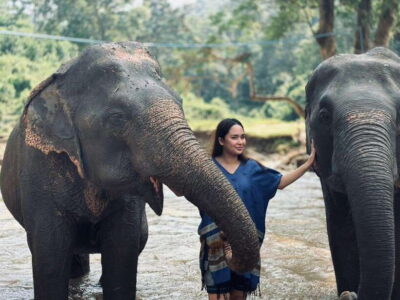
Elephant Sanctuary, Long Neck & Sticky Waterfall
Read our review →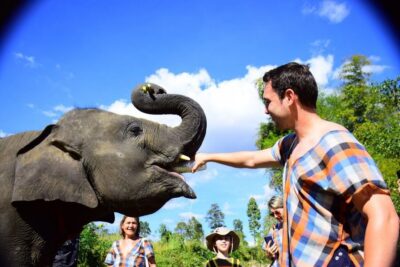
3-in-1: Doi Inthanon Tour, Elephant Sanctuary, and Trekking Trail
Read our review →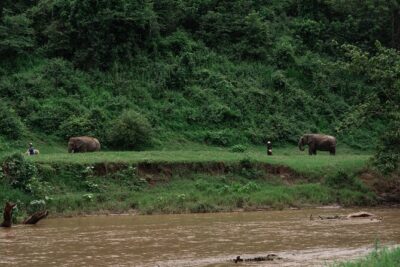
Chiang Mai Elephant Sanctuary, Bamboo Rafting and Waterfall Tour
Read our review →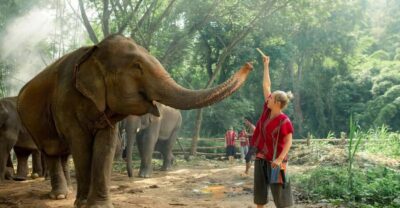
Browse the lists this tour appears in