
Reviewed · CHIANG MAI STREET FOOD TOURS
Chiang Mai: Walking Food Tour
Chiang Mai’s best food lesson may begin with sticky rice grilled in a banana leaf and end with coconut milk, rice balls, and a secret dish. This three-hour walk links five food stops with two temples, giving you a useful first taste of northern Thai cooking without sending you across the province.
I like the way the tour mixes eating with local life, especially the Old Town history shared by guides such as Varisa and Warat. I also like the full meal range, from chicken satay and sai ua to khao soi and butterfly pea ice cream. The one drawback is that the secret dish may not feel very secret to every participant, and the food-heavy schedule may be a lot if you prefer small tastings.
Key points at a glance
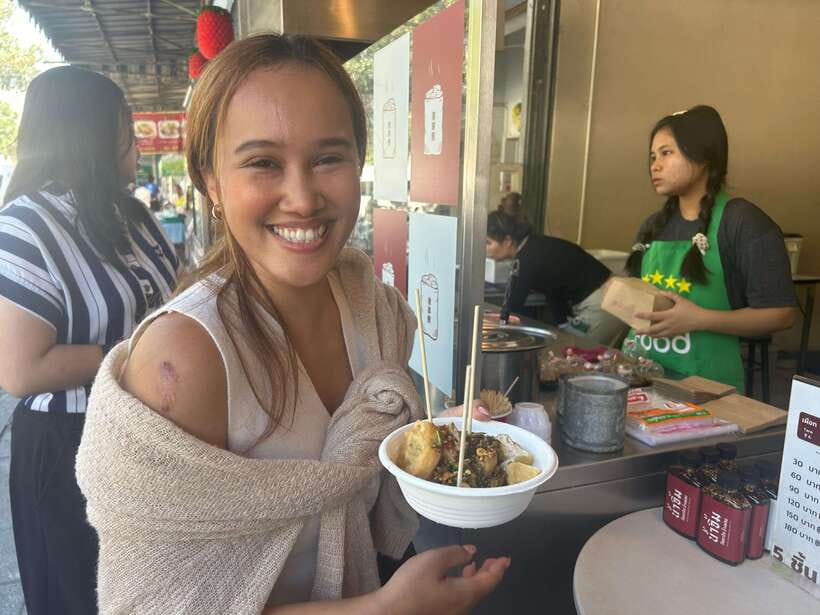
- Five food venues in Chiang Mai’s Old Town: You move between several local stops rather than eating one set meal in one restaurant.
- Northern Thai specialties: Larb kua, sai ua, khao soi, and sticky rice give you a clear introduction to the region’s cooking.
- Two temple visits: The route starts near Three Kings Monument and finishes at Wat Lok Moli.
- A generous three-hour meal: Food includes savory dishes, drinks, ice cream, and sweets, so arrive hungry.
- English-speaking local guidance: Varisa and Warat are among the guides associated with this experience.
- Easy booking terms: The tour costs $53 per person, is wheelchair accessible, and allows cancellation up to 24 hours before departure.
Starting at Three Kings Monument
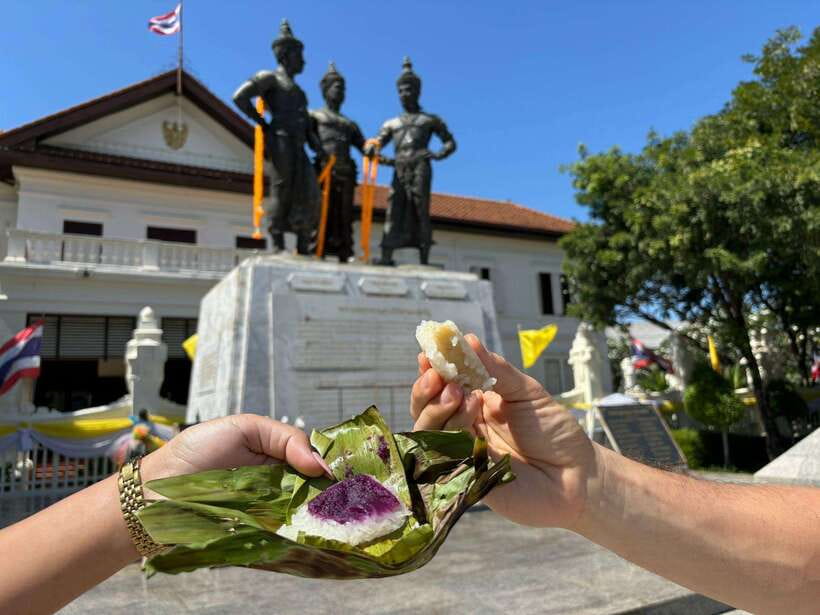
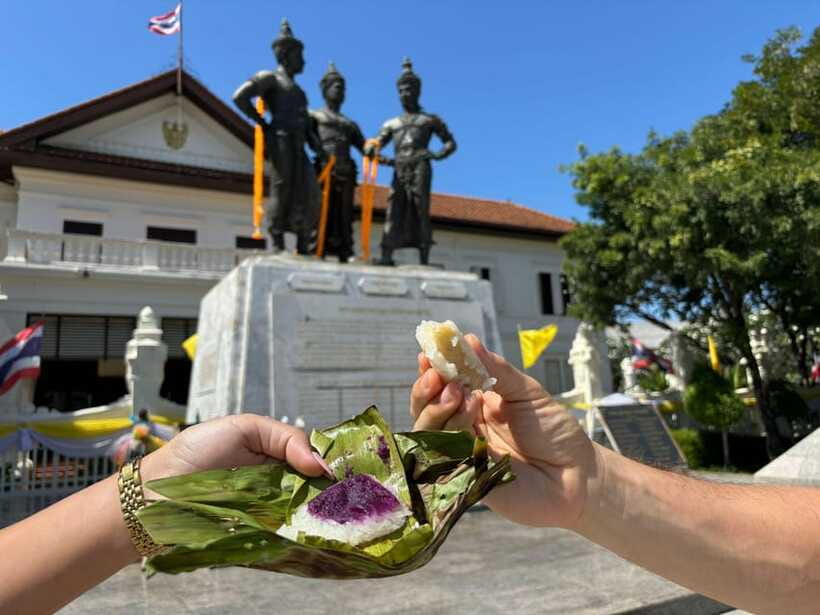
Meet your guide in front of the Three Kings Monument, where an orange umbrella marks the meeting point. This central Old Town start is practical because you can reach it without arranging hotel transport, but you will need to make your own way there. Hotel pickup and drop-off are not included.
The monument also gives the tour a useful sense of place. You are not simply meeting at a restaurant and eating your way through a menu. You begin in one of Chiang Mai’s central historic spaces, then move on foot through the Old Town as the meal unfolds.
The exact starting time depends on availability, so check carefully when booking. Since the experience is described as a morning food tour, plan your breakfast around it rather than eating a full meal first. Water, chilled lemongrass infusion, and Thai iced tea are included, but your appetite is the main piece of equipment.
More Street Food Tours in Chiang Mai:
- Small-Group Chiang Mai Evening Street Food Tour
★ 4.5 · 826 reviews - Chiang Mai: Evening Local Street Food Market Tour
★ 4.8 · 604 reviews - Northern Flavours Chiang Mai Food Tour with 15+ Tastings
★ 5.0 · 513 reviews
A temple, then banana-leaf sticky rice
The first stop takes you into a temple described as a quiet local find. The tour does not treat the temple as a long formal sightseeing visit. Instead, it uses the setting to give the food a cultural frame before breakfast begins.
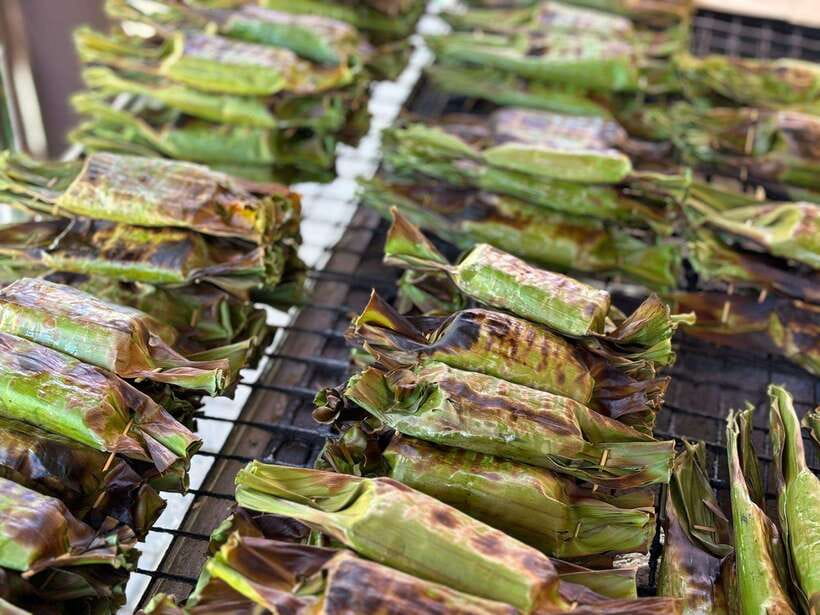
Your first bite is sticky rice grilled in a banana leaf. Sticky rice is a key part of northern Thai eating, and preparing it in a leaf adds a smoky, fragrant touch. This is a simple opening dish, but it helps you notice how much flavor can come from rice, heat, and wrapping alone.
I like this start because it avoids the usual tourist breakfast pattern. You get something tied to local food habits rather than a generic pastry or hotel buffet. It also sets the pace: this is a tasting walk, but the portions and number of dishes add up to a full meal.
Satay and the Bangkok comparison
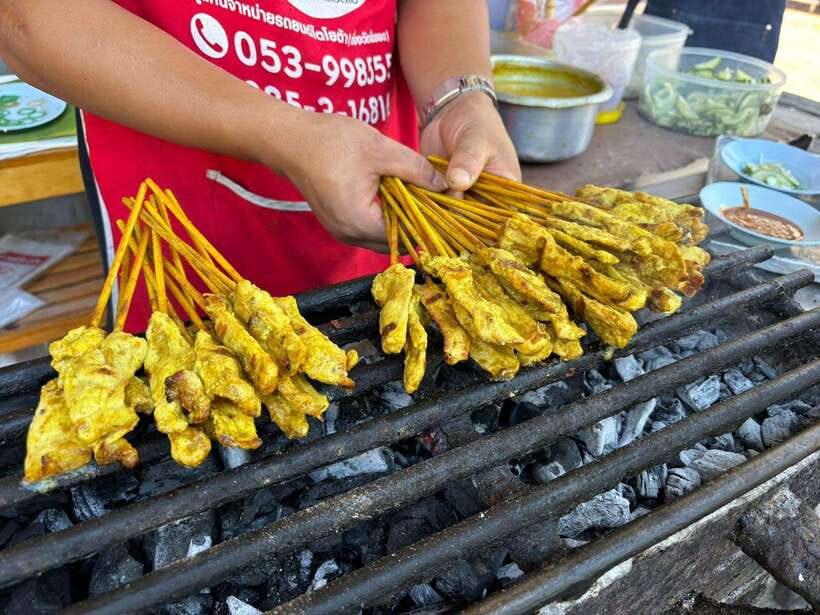
Next comes chicken satay with its creamy peanut sauce. Satay is found across Thailand, so it is not as specifically northern as sai ua or khao soi. Still, it is a useful comparison point, especially since the tour invites you to judge the Chiang Mai version against the style associated with Bangkok.
Expect grilled chicken on skewers with a sauce that brings sweetness, salt, and peanuts together. The value here is not just the skewer itself. Your guide can place a familiar Thai snack beside more regional foods, helping you see how a broad national dish fits into Chiang Mai’s food culture.
This is also one of the points where guide quality matters. The strongest part of the experience is the conversation between stops. Guides including Warat and Varisa have been praised for explaining food, local customs, Chiang Mai life, and the area’s past in a friendly way. Your experience will depend on who leads your group, but the format gives a good guide plenty of room to make the food more meaningful.
Larb kua and the northern Thai flavor profile
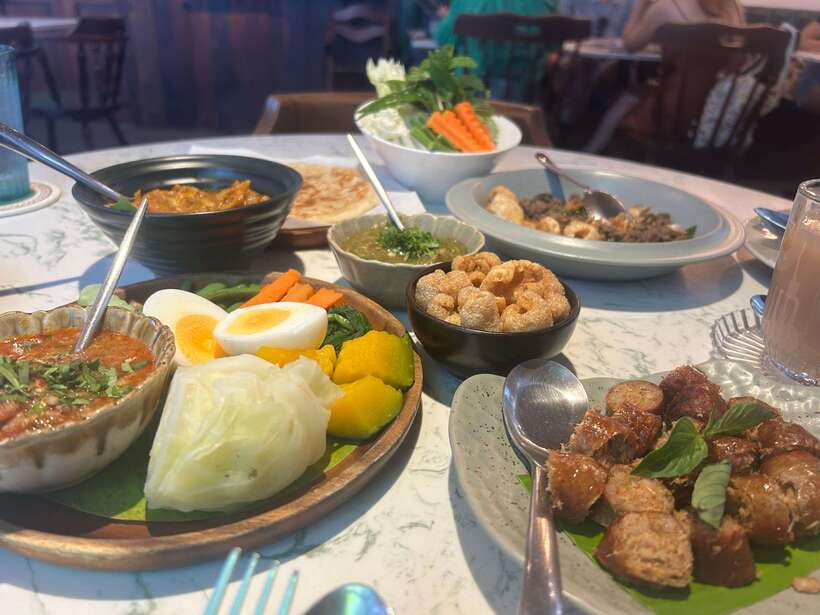
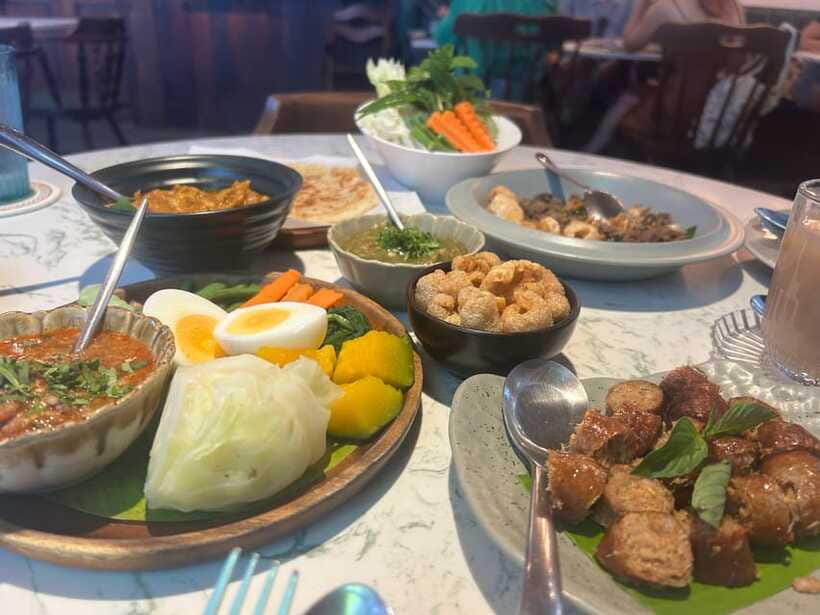
The meal then turns more firmly toward northern Thai cooking with larb kua, also called larb moo in the tour description. This is a spicy minced meat salad with roasted rice powder. Unlike a leafy salad, it is built around seasoned meat, herbs, heat, and the nutty texture of toasted rice.
Northern Thai larb is worth trying because it differs from the versions many people first encounter elsewhere in Thailand. It is bold and savory, with a dry, roasted quality that makes the rice powder more than a garnish. If you normally order mild food, ask your guide how spicy the serving is before taking a large bite.
The menu also includes sai ua, the famous northern Thai sausage. It is strongly seasoned and designed to be eaten with rice or other dishes. For many people, this becomes one of the most memorable tastings because the sausage brings herbs and spice in a compact form.
These two dishes are the heart of the regional food lesson. Larb kua shows how toasted rice and spice shape a dish, while sai ua gives you a northern sausage with a very different character from standard grilled pork or chicken. You may like both, but the flavors are not designed to be shy.
More Food Tours in Chiang Mai:
- The 10 Tastings of Chiang Mai With Locals: Private Street Food Tour
★ 5.0 · 216 reviews - Chiang Mai: Local Food and Markets Guided Walking Tour
★ 4.3 · 175 reviews - Taste of Chiang Mai: Michelin Guide & Street Food Tour
★ 4.9 · 159 reviews - Chiang Mai: Food Tour by Songtheaw Truck with 15+ Tastings
★ 4.9 · 157 reviews
Khao soi, morning glory, and a cold Thai tea
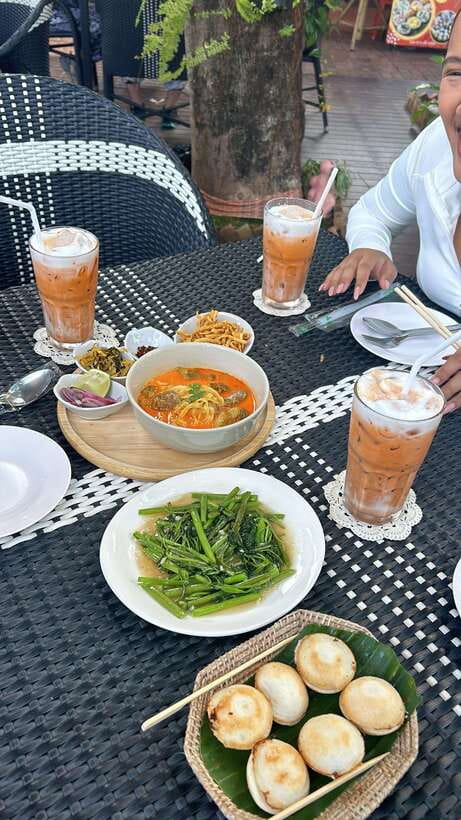
The main event is khao soi, Chiang Mai’s signature noodle dish. You get soft noodles in a creamy coconut curry broth, with the sort of rich, warming flavor that makes it easy to understand why this dish is so closely tied to the city.
Khao soi is often described as one dish, but its appeal comes from contrast. The soft noodles and curry broth are balanced by a firmer noodle texture, and the coconut helps round out the spice. The tour serves it in a memorable setting, though the supplied details do not identify the exact restaurant, so do not book expecting a named venue.
Pak boong, or stir-fried morning glory, comes alongside the noodles. Its green, savory taste gives you a break from the curry and meat. This is a smart part of the menu because the tour includes several powerful flavors, and a vegetable dish keeps the meal from becoming one long run of spice and richness.
A chilled Thai tea provides another useful pause. Thai tea is sweet, creamy, and cold, so it works well with hot curry. Water and chilled lemongrass infusion are also included, which matters on a three-hour walk through the Old Town. Still, you may want to pace yourself, especially if you are not used to sweet drinks with a large meal.
Desserts with color, coconut, and rice
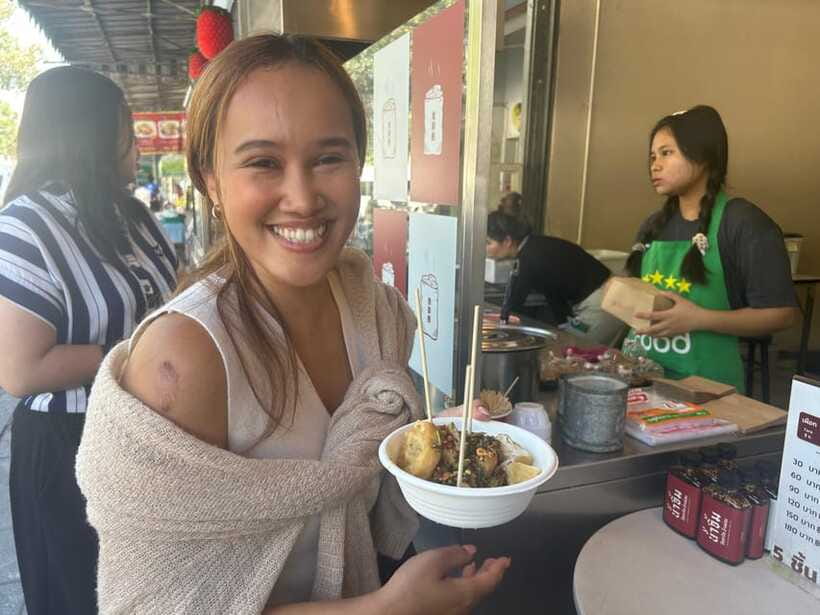
The dessert course has several textures rather than one standard sweet. Butterfly pea flower ice cream gives you a cool vegan option with a striking blue color. The tour pairs it with rice balls in coconut cream, known as bua loi.
Bua loi is soft and chewy, with small rice balls floating in a sweet coconut base. After the sharp heat of larb and sausage, coconut milk brings the meal to a gentle close. The rice balls also return you to a theme running through the tour: rice is not just a side dish in Thailand, but a base for breakfast, savory food, and dessert.
Khanom krok is included as well. These are small coconut-rice pancakes with sweet and savory notes. Their size makes them easy to sample, but do not mistake them for a light snack. By this stage, you may already have eaten sticky rice, noodles, meat, vegetables, and sweets.
The food list is generous for three hours. The line-up includes banana-leaf sticky rice, chicken satay, larb kua, sai ua, pak boong, khao soi, khanom krok, butterfly pea ice cream, bua loi, and a secret dish. Drinks include water, lemongrass infusion, and Thai iced tea. If you prefer a gentle grazing tour, this may feel more like a compact progressive lunch.
Wat Lok Moli closes the walk
The tour finishes at Wat Lok Moli, one of Chiang Mai’s attractive temples. Ending here gives the route a calmer final stop after the food tastings and Old Town walking.
The temple is not presented as a separate long sightseeing tour, so keep your expectations focused. You are getting a food walk with temple context, not a dedicated religious architecture excursion. That balance works well if you want an introduction to Chiang Mai rather than a full morning devoted to monuments.
A temple finish also gives you a moment to let the meal settle. The route begins with a temple setting and ends at another, so the food is placed between cultural stops rather than separated from the city around it.
The secret dish and the value of surprise
The secret dish is revealed only during the tour. That surprise adds a little fun, especially if you enjoy letting someone else make the food choices for you.
I would keep expectations flexible. The tour includes one comment that the food selection was good but the secret item did not feel especially secret. That is not a major flaw, but it is a useful warning: the value lies in the whole sequence of dishes and explanations, not in one dramatic mystery course.
The secret dish also means you cannot fully assess the menu in advance. If you have allergies, dietary restrictions, or strong dislikes, contact the provider before booking. The tour specifically asks you to do this, and it is more important here than on a simple restaurant reservation because the food comes from several stops.
Guides, group feel, and local context
The guide is central to this experience. You are not only being taken to food venues. You are being shown how northern dishes fit into Chiang Mai life, local traditions, and the city’s past.
The available guide names include Varisa and Warat. One small-group outing had only two participants, and the guide adjusted well to that setup. That suggests the format can work for a very small party, though your own group size is not specified and should not be assumed.
The strongest guide style for this tour is conversational and practical. You want someone who can explain why larb kua differs from a more familiar salad, why khao soi matters in Chiang Mai, and how a dish fits into daily life. The feedback attached to the experience places special weight on friendly explanations of the city and its food, so this is not a tour to choose if you want to walk silently from restaurant to restaurant.
The tour is conducted in English. If your main goal is an academic account of Chiang Mai history, this is probably not the right format. If you want food, basic cultural context, and a local person to help you order with confidence, it is a better match.
Is $53 a fair price?
At $53 per person, this is not the cheapest way to eat in Chiang Mai. You could buy individual street food dishes for much less. The price pays for more than ingredients, though. It covers three hours of guided walking, several venues, drinks, desserts, temple stops, and the convenience of having someone choose and explain a broad range of food.
The value is strongest if you are new to Chiang Mai. You get a fast introduction to dishes you might not order on your own, including larb kua, sai ua, and bua loi. You also avoid the uncertainty of walking into an unfamiliar place and trying to decode a menu while hungry.
The value is weaker if you already know northern Thai food well or prefer to plan every meal yourself. In that case, the $53 might buy several independent meals. You are paying for access, structure, and explanation rather than simply for quantity.
The tour also saves time. In three hours, you sample dishes from five venues instead of researching and reaching each place on your own. For a short Chiang Mai stay, that concentrated introduction can be worth the extra cost.
Practical details before you book
The walking portion matters. Wear comfortable shoes and arrive ready to eat while moving between stops. Since pickup is not included, allow time to reach Three Kings Monument and find the orange umbrella.
The activity lasts three hours, and start times vary according to availability. It is listed as wheelchair accessible, but the route involves walking between several venues and temple areas. If you need specific access arrangements, confirm them before booking rather than relying only on the general accessibility label.
Cancellation is flexible up to 24 hours before the start time for a full refund. You can also reserve now and pay later, which helps if your Chiang Mai plans are still changing.
The overall rating is 4.8 from 15 reviews, with repeated praise for friendly guides, clear local explanations, and leaving the table well fed. That pattern fits the design of the tour: its strongest feature is the combination of food and personal guidance, not a single famous restaurant.
Who should book this Chiang Mai food walk?
I would choose this tour for a first visit to Chiang Mai, especially if you want a guided introduction to northern Thai food without spending a full day on a formal cooking class. It suits curious eaters who want to try several dishes and hear about local life along the way.
It is also a good choice for couples, small groups, and solo visitors who prefer company at mealtimes. The English guide and planned route make the first food day less intimidating.
I would think twice if you have a very restricted diet, dislike spicy food, or want a light breakfast. Contact the provider about dietary needs before booking, and ask about spice levels during the walk. You should also skip it if your main interest is temple architecture rather than food.
Should you book it?
Book this walking food tour if you want a full northern Thai meal with context, not just a list of restaurant stops. The combination of sai ua, larb kua, khao soi, desserts, drinks, and temple visits gives you a well-shaped introduction to Chiang Mai in three hours.
At $53, it is a convenience-and-guidance purchase, not a bargain meal. For first-time visitors who want to taste widely and learn from a local guide such as Varisa or Warat, that added structure makes the price reasonable. If you already know the city’s food scene or prefer cheap, self-directed eating, save the money and explore on your own.
FAQ
Where does the Chiang Mai food tour meet?
Meet your guide in front of the Three Kings Monument. Look for an orange umbrella.
How long does the walking food tour last?
The tour lasts three hours. Starting times vary, so check availability when booking.
What language is the tour conducted in?
The live tour guide speaks English.
Is hotel pickup included?
No. You need to make your own way to the Three Kings Monument, and hotel pickup and drop-off are not included.
What food is included?
The tour includes banana-leaf sticky rice, chicken satay with peanut sauce, larb kua, sai ua, stir-fried pak boong, khao soi, khanom krok, butterfly pea ice cream with rice balls in coconut cream, and a secret dish.
Are drinks included?
Yes. Water, chilled lemongrass infusion, and Thai iced tea are included.
Can I cancel the booking?
Yes. You can cancel up to 24 hours in advance for a full refund. The tour also offers reserve now and pay later booking.
More Walking Tours in Chiang Mai
- Chiang Mai: 3 Hour Old City and Temples Guided Walking Tour
★ 4.6 · 1,568 reviews - Chiang Mai: Historic Temples and City Guided Walking Tour
★ 4.7 · 650 reviews - Chiang Mai: Temple And City Walking Tour Part I
★ 4.7 · 244 reviews - Chiang Mai Untouched Elephant: Nature Walk & Waterfall Trek
★ 4.7 · 77 reviews
Newly reviewed around Chiang Mai
- Workshop Making Herbal ball & herbal inhaler★ 4.3 · 3 reviews
- Chiang Mai Zipline White Water Rafting and Elephant Sanctuary★ 4.0 · 11 reviews
- Walk With Monks Collecting Alms(meeting point maybe change)★ 4.9 · 8 reviews
- Trek to a Jungle Waterfall★ 5.0 · 14 reviews
- Zipline+Sticky waterfall+Long Neck Village Private Tour★ 5.0 · 22 reviews
- Meditation Retreat and Self-Care in Nature★ 5.0 · 4 reviews
- Full Day Yoga, Meditation, and Thai Cultural Immersion in Chiang Mai★ 5.0 · 3 reviews
- Long Neck Village, White & Blue Temple, Black House Day Tour From Chiang Mai★ 4.0 · 14 reviews
Chiang Mai Street Food Tours, compared.
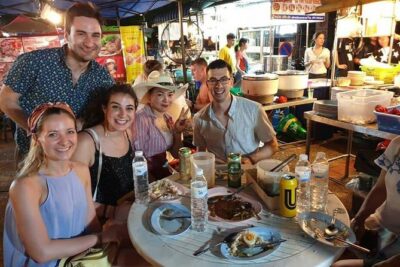
Small-Group Chiang Mai Evening Street Food Tour
Read our review →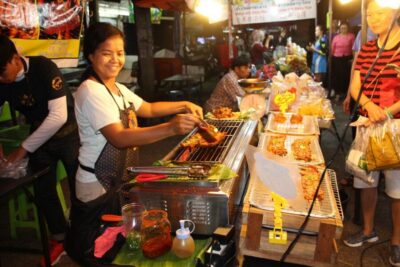
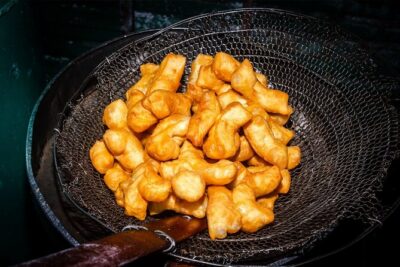
Northern Flavours Chiang Mai Food Tour with 15+ Tastings
Read our review →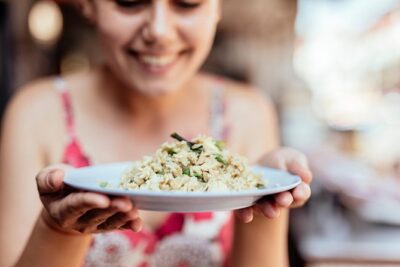
The 10 Tastings of Chiang Mai With Locals: Private Street Food Tour
Read our review →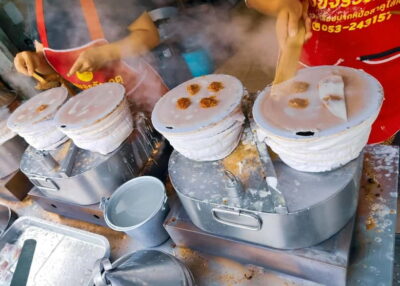
Taste of Chiang Mai: Michelin Guide & Street Food Tour
Read our review →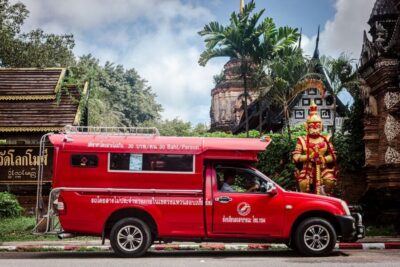
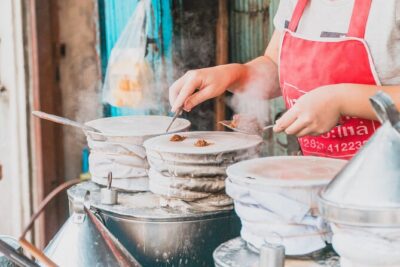
Go where the locals go, Eat what the locals eat! Food Tour with Local Foodies
Read our review →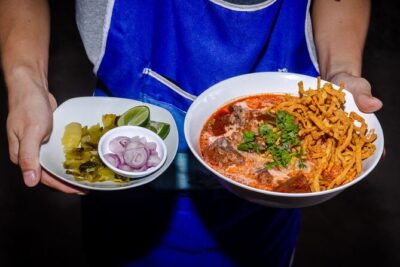
Lanna Kingdom Chiang Mai Food Tour with 15+ Tastings
Read our review →Browse the lists this tour appears in