Reviewed · HALF-DAY
Iconic Half-Day Landmarks & Temples of Chiang Mai
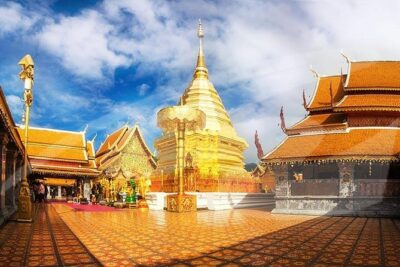
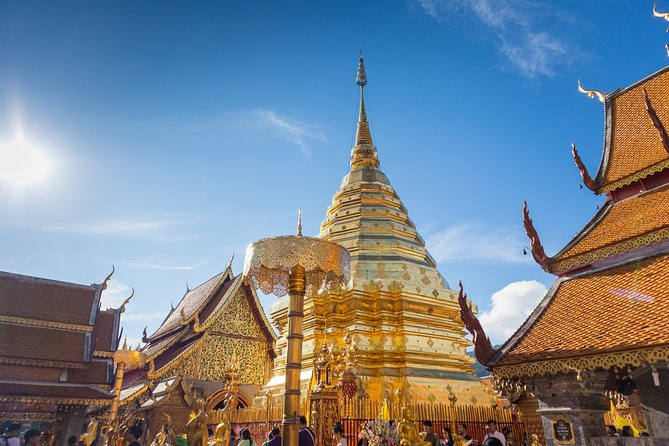
Chiang Mai’s best-known temple sits high on Doi Suthep, reached by a winding mountain road and a 306-step naga staircase. From the top, you get sacred gold decoration, cool mountain air, and, on a clear day, a broad view over the city. Then the tour returns downtown for more temples and a stop at Warorot Market.
I like the small maximum group of 15 and the choice between a shared outing and a private guide. I also like the strong cultural focus: guides such as Tinny, Nu, Mick, Yaya, Krisada, and Jack have been praised for clear English, local history, and Buddhist culture. The main thing to check is the exact temple lineup, since the general description names Wat Phra Singh while the detailed route lists Wat Phan Tao.
Key points to know before booking
- Doi Suthep comes first: Allow about 1 hour 30 minutes for the mountain temple, stairs, shrine, and city views.
- The route mixes major sights and local life: You visit central temples, then spend about 45 minutes at Warorot Market.
- Private and shared options are available: A private tour gives you more control over pace and questions.
- Temple clothing matters: Cover your shoulders and knees, and expect to remove your shoes at some sites.
- Transport is practical: Hotel pickup and return use an air-conditioned vehicle, but only within central Chiang Mai areas without a supplement.
- The price is reasonable for a guided half-day: At $66.20 per person, entrance fees, transport, taxes, and an English-speaking guide are included.
Why Doi Suthep makes this a useful first tour
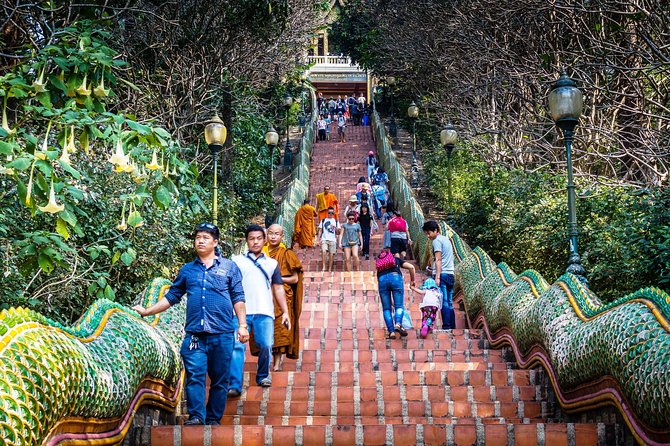
If you have only a short time in Chiang Mai, Doi Suthep gives you the city’s grandest setting right away. The temple is near the summit of its namesake mountain, so the drive itself changes the feel of the day. You leave the city behind, wind upward, and arrive at one of northern Thailand’s most important religious sites.
The final approach is memorable. You climb 306 steps along a staircase shaped as a naga, the dragon-headed serpent seen in Buddhist and Southeast Asian temple art. If stairs are not appealing, the tour information notes that a funicular may be available, though the exact arrangement can vary.
At the top, the centerpiece is a copper-plated chedi topped with a five-tiered gold umbrella. It is believed to hold partial relics of the Buddha. That detail gives the shrine a purpose beyond its fine decoration. You are not simply looking at a pretty monument. This is a place of active devotion.
Give yourself time to notice the smaller details. The gold surfaces, carved naga forms, prayer spaces, and temple buildings reward a slower look. A guide helps explain what you are seeing, which is useful here because a quick walk around the courtyard can otherwise blur the difference between a chedi, an ordination hall, and a shrine.
The views depend on the weather. On a clear day, you can look over Chiang Mai from the mountain. In cloudy or wet conditions, the view may disappear, but the temple remains worth seeing for its religious importance and setting. The tour requires good weather, and poor conditions can lead to a new date or a full refund.
More Half-Day Trips in Chiang Mai:
- Half-Day Thai Cooking Class at Organic Farm in Chiang Mai
★ 5.0 · 19,087 reviews - Chiang Mai: Elephant Sanctuary Feeding Program Half-Day Tour
★ 4.8 · 4,527 reviews - Chiang Mai: HALF-DAY COOKING COURSE at a Thai Cooking Farm
★ 4.9 · 705 reviews
Wat Chedi Luang brings the story back downtown
After descending the mountain, the route continues into Chiang Mai’s historic center. Wat Chedi Luang is a strong second major stop because its scale contrasts with the more polished hilltop temple.
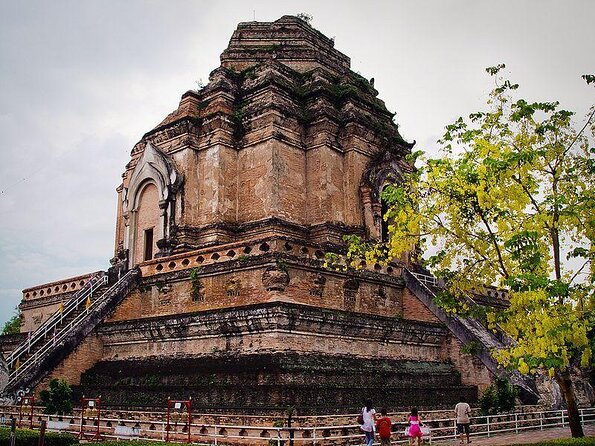
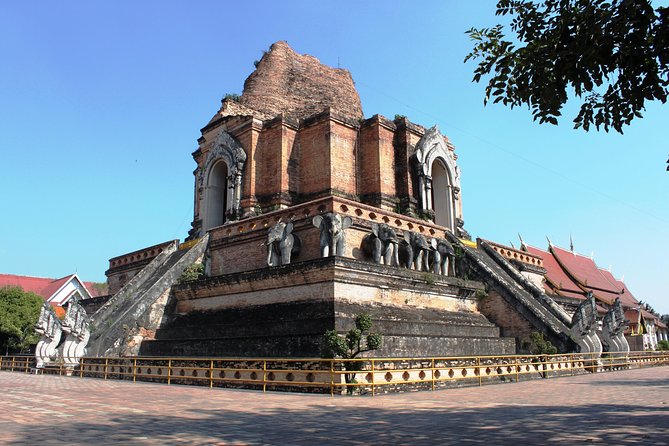
The great chedi rises about 60 meters, or 196 feet, and once housed the Emerald Buddha, Thailand’s most famous sacred image. The structure has suffered damage over time, but its size still gives the complex a powerful presence. You can see why it remains one of the city’s essential stops.
Plan on about an hour here. That is enough time to hear the main story, walk through the grounds, and take in the architecture without turning the stop into a rushed photo call. A guide can also point out how the temple relates to Chiang Mai’s Lanna past and its place in local religious life.
The ground may be uneven in parts, and temple visits often involve walking, standing, and removing shoes. Wear footwear that is easy to take off and put back on. Keep your clothing respectful, since the excursion requires shoulders covered and clothing that falls below the knees.
Wat Phan Tao or Wat Phra Singh?
This is the one point I would clarify before paying. The main description includes Wat Phra Singh, while the detailed stop list includes Wat Phan Tao. Both are worthwhile, but they offer different experiences.
Wat Phan Tao is known for its Lanna-style ordination hall made almost entirely from teakwood. It is one of the few remaining all-wood structures of its kind in Chiang Mai. The building has a warmer, more intimate feel than the huge brick and stone mass of Wat Chedi Luang.
The route describes walking from Wat Chedi Luang to Wat Phan Tao, with about an hour allocated to the stop. That short walk is convenient and keeps the central-city portion compact. It also lets you compare two different forms of Lanna design close together.
Wat Phra Singh, named in the broader tour description, is another major religious site. It is described as a 14th-century temple that houses a sacred Buddha image and once served as the principal religious center of the Lanna Kingdom. Its complex contains several buildings with different levels of artistic and architectural interest.
Since the supplied details do not make clear whether Wat Phra Singh replaces Wat Phan Tao or is included on some departures, ask the operator for the confirmed route. This is not a minor detail if one temple is high on your list. The tour still offers good value either way, but you should know what you are buying.
Warorot Market adds everyday Chiang Mai
The final listed stop is Warorot Market, also called Kad Luang. This is Chiang Mai’s largest market and a useful change of pace after several sacred sites.
The market is a place of trade rather than display. You may pass through food areas and the wet market section, where the city’s daily business is more visible than in a carefully preserved temple courtyard. The tour allows about 45 minutes, enough to look around and get a sense of the market’s scale.
This stop is especially helpful if you want more than monuments. Temples explain Chiang Mai’s spiritual and artistic identity. Warorot shows the practical side of the city, with buying, selling, food, and local movement. You can also use the time to ask your guide about unfamiliar ingredients or customs.
Personal spending is not included, so bring money if you want to buy something. Meals, drinks, shopping, tips, and other personal costs are extra. The tour does not promise a food tasting, though one guide has helped with tasting during a departure, so you can ask what is appropriate before trying anything.
A different kind of day out of Chiang Mai altogether:
- Chiang Mai: Elephant Sanctuary, Waterfall & Bamboo Rafting
★ 4.9 · 9,160 reviews - Chiang Mai: Doi Inthanon National Park Eco-Friendly Tour
★ 4.6 · 6,667 reviews - Chiang Mai: Elephant Sanctuary & Waterfall Group Tour
★ 4.9 · 5,780 reviews - Chiang Mai: Chiang Rai Temples, Karen Tribe and Hot Springs
★ 4.7 · 5,401 reviews
Shared or private: which version fits you?
The shared option is the sensible choice if you want the main sights at a lower cost and do not need to set the pace. The maximum group size is 15, which is more manageable than a large coach outing. Still, a shared tour means you may need to follow the group’s timing at each temple.
The private option makes more sense if you want detailed explanations, need a slower pace, or have a particular interest in Buddhist art, Lanna architecture, or local history. A private guide can spend more time on your questions and may be able to adjust the rhythm of the visit within the fixed route.
The guide is central to the experience. The strongest feedback centers on friendly, clear explanations and a relaxed pace. Tinny has been praised for both temple knowledge and city views. Nu was described as soft-spoken and easy to understand, while Mick helped connect temple visits with local history and market culture. Yaya was a good match for an older couple because she kept the outing at a comfortable pace. Krisada and Jack were also noted for friendly, informative guiding and strong English.
Do not book this expecting a silent sightseeing transfer. The value comes from having someone explain the symbols, history, and customs as you go. If you prefer to explore independently and spend as long as you like at each shrine, a self-guided day may suit you better.
Four hours 15 minutes is enough, but keep the day focused
The tour lasts about 4 hours 15 minutes, usually in a morning or afternoon departure. That is a good length for fitting major temples into a travel day without using up the entire day.
The timing also explains what the tour cannot do. You will see several important sites, but you will not have long, unstructured periods at each one. Doi Suthep takes about 1 hour 30 minutes, Wat Chedi Luang about an hour, Wat Phan Tao about an hour, and Warorot Market about 45 minutes in the listed plan. Driving and transitions fill out the remaining time.
An afternoon departure may be useful if you arrive in Chiang Mai late in the morning or want a slower start. A morning departure can leave your evening free for dinner or an independent walk. The information does not guarantee a particular light or crowd level, so choose based on your wider schedule rather than expecting a specific atmosphere.
The air-conditioned vehicle matters in Chiang Mai’s heat. It gives you a cool break between the mountain and city stops. Bring sunglasses, a hat, and high-SPF sunscreen even on cloudy days. You should also protect cameras and phones from rain or other natural elements, since damage caused by poor protection is your responsibility.
Pickup is convenient, with clear limits
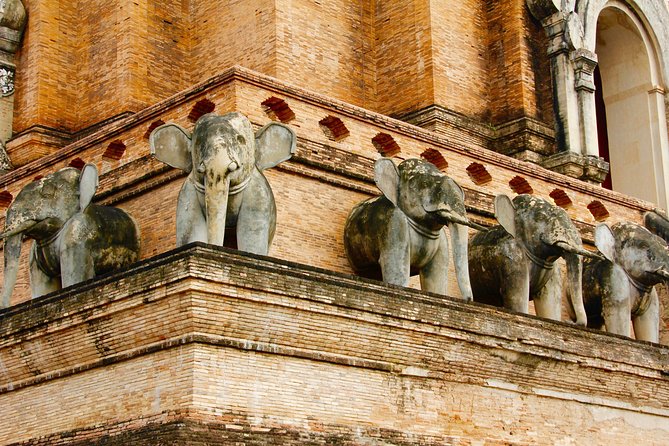
Hotel pickup and return are offered from downtown Chiang Mai hotels and main accommodations. The service does not automatically cover Mae Rim, Hang Dong, Doi Saket, Mae Taeng, Chiang Mai International Airport, or other areas outside the central business district. A supplement may apply.
Private residences, apartment complexes, and other non-registered accommodations may not qualify for direct pickup. In that case, you may be asked to meet at a nearby hotel. Give the operator accurate hotel information, since a last-minute accommodation change may not be accepted.
The exact pickup time may be confirmed at booking, but operational issues can mean confirmation only arrives the day before. Build a little flexibility into your morning or afternoon. A missed pickup caused by an unapproved accommodation change can lead to cancellation charges.
Is $66.20 good value?
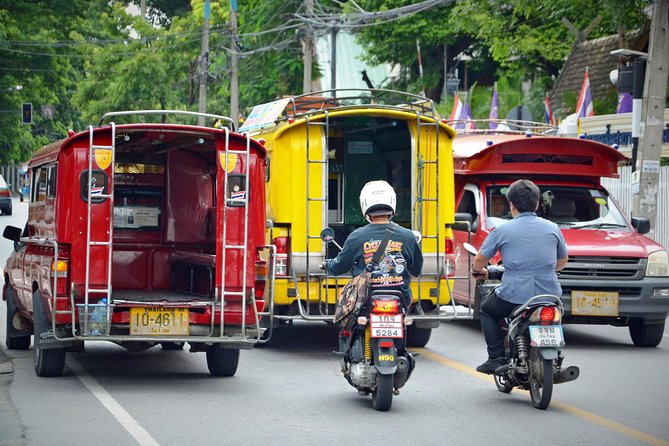
At $66.20 per person, this is not the cheapest way to see Chiang Mai’s temples. You can arrange local transport and visit some sites independently for less. The comparison changes once you count the air-conditioned vehicle, hotel transfers within the central area, professional English-speaking guide, entrance fees, taxes, and the convenience of linking Doi Suthep with central Chiang Mai.
The biggest value is the explanation. Doi Suthep, Wat Chedi Luang, Wat Phan Tao, and Wat Phra Singh can all be visited without a guide, but it is easy to see only gold, wood, brick, and photographs. A well-spoken guide can explain why the buildings matter and help you act respectfully.
The private upgrade should be considered separately. It costs more than the shared option, but the flexibility and one-to-one attention may be worthwhile for couples, families, older visitors, or anyone with strong interest in history and religion. The published price is per person, so check the private supplement before assuming it is the best deal for your group.
A 4.8 rating from 25 ratings, with 96 percent recommending the experience, supports the idea that the main strengths are dependable guiding, good organization, and a useful half-day format. The exact route question is still worth clearing up before booking.
Temple etiquette makes the day smoother
Dress for religious sites from the moment you leave the hotel. Your shoulders should be covered, and clothing should fall below the knees. Avoid obscene or disrespectful prints, and skip very bright clothing if possible, since entrance may be refused for inappropriate dress.
Shoes may need to come off before entering certain buildings. Wear sandals or shoes that are simple to remove, but remember that the ground can be hot or rough. Your guide should tell you where footwear must be left outside.
Keep voices low in active worship areas and follow instructions about photography. The tour is built around sacred places, not just old buildings. A respectful approach will make the day easier for you and for the people who come to pray.
Who should book this Chiang Mai temple tour?
I would choose this tour if you are visiting Chiang Mai for the first time, have limited time, or want an introduction before exploring alone. It combines the city’s most famous mountain temple with central shrines and a market, so you get religious architecture, city views, and daily commerce in one outing.
It also suits older visitors who prefer organized transport and a clear four-hour plan. The private option is useful if walking pace matters or if you want the guide to explain more rather than keep moving.
I would hesitate if you want a flexible photography day, long quiet time at each temple, or a route built around lesser-known sites. The outing is focused on major landmarks, and the schedule is fairly full. I would also confirm the Wat Phra Singh and Wat Phan Tao question before booking.
Free cancellation is available up to 24 hours before the start time. Changes made within 24 hours are not accepted, and poor weather may lead to a new date or full refund.
Should you book it?
Book this half-day tour if you want Chiang Mai’s major temple sights explained by an English-speaking guide, with transport and entrance fees handled for you. Doi Suthep is the highlight, while Wat Chedi Luang and the downtown temple stop give the trip useful depth. Warorot Market keeps the experience connected to everyday city life.
Choose the private version for a slower, more personal outing. Choose shared if you want the main route at a better price. Before confirming, ask which downtown temple is included, wear proper clothing, and make sure your hotel falls inside the pickup zone.
FAQ
How long does the Chiang Mai temple tour last?
The tour lasts approximately 4 hours 15 minutes, including visits to Doi Suthep, central Chiang Mai temples, and Warorot Market.
Is hotel pickup included?
Pickup and return are included for main hotels in downtown Chiang Mai. Areas outside the central business district may require a supplement, and private residences or apartment complexes may require meeting at a nearby hotel.
Is the tour shared or private?
Both options are available. Shared tours use an English-speaking guide and have a maximum group size of 15 people. The private option provides a personal guide.
Which temples are included?
The detailed route lists Wat Phra That Doi Suthep, Wat Chedi Luang, and Wat Phan Tao. The broader description also names Wat Phra Singh, so confirm the exact temple lineup before booking.
Are entrance fees included?
Yes. Entrance fees for the listed visits, transportation by air-conditioned vehicle, an English-speaking guide, taxes, and service charges are included.
What should I wear to the temples?
Wear clothing that covers your shoulders and falls below the knees. Disrespectful prints and brightly colored clothing may lead to refused entrance. You may also need to remove your shoes at certain sites.
Can I cancel for a full refund?
You can cancel at least 24 hours before the start time for a full refund. Cancellations or changes made less than 24 hours before departure are not accepted, and poor weather may result in a different date or a full refund.
Newly reviewed around Chiang Mai
- Workshop Making Herbal ball & herbal inhaler★ 4.3 · 3 reviews
- Chiang Mai Zipline White Water Rafting and Elephant Sanctuary★ 4.0 · 11 reviews
- Walk With Monks Collecting Alms(meeting point maybe change)★ 4.9 · 8 reviews
- Zipline+Sticky waterfall+Long Neck Village Private Tour★ 5.0 · 22 reviews
- Trek to a Jungle Waterfall★ 5.0 · 14 reviews
- Meditation Retreat and Self-Care in Nature★ 5.0 · 4 reviews
- Full Day Yoga, Meditation, and Thai Cultural Immersion in Chiang Mai★ 5.0 · 3 reviews
- Long Neck Village, White & Blue Temple, Black House Day Tour From Chiang Mai★ 4.0 · 14 reviews
Half-Day, compared.
Half-Day Thai Cooking Class at Organic Farm in Chiang Mai
Read our review →
Elephant Sanctuary Feeding Program Half-Day Tour
Read our review →
Sticky Waterfall Half-Day Tour & Hotel Transfers
Read our review →