
Reviewed · CHIANG MAI TEMPLE TOURS
Historic Temples and City Guided Walking Tour in Chiang Mai
Chiang Mai’s old city packs centuries of northern Thai culture into a walkable square of lanes and temples. This three-hour temple walk takes you from the city’s oldest wat to its most imposing ruined chedi, with Lanna architecture, royal stories, and local legends along the way.
I like the small group limit of 10 people, which should make it easier to hear the guide and ask questions. I also like the route itself: Wat Chiang Man, Wat Phra Singh, Wat Phan Tao, and Wat Chedi Luang give you a useful first look at Chiang Mai without wasting time on long transfers. The main caution is that two temple entrance fees are extra, and three hours on foot can feel warm and tiring.
Key points to know before you book
- The route covers four major temples: You begin at Wat Chiang Man and finish at Wat Chedi Luang, with the Three Kings Monument linking the sights.
- Small groups keep the walk personal: The maximum group size is 10 people, and guides including TwoTwo, Jen, Pang, and Tin are praised for clear explanations and good humor.
- The architecture changes from stop to stop: See an elephant-supported chedi, classic Lanna design, a teak temple, and a huge ruined brick chedi.
- Two admission fees are separate: Wat Phra Singh and Wat Chedi Luang require entrance tickets that are not included in the $16 tour price.
- Sunday may add a cultural touch: One Sunday walk included women performing traditional dances at the main temple.
- The tour is a useful first-day orientation: You finish near the center of the old city, with a better sense of Chiang Mai’s layout and religious landmarks.
Why this short Chiang Mai walk works well
At $16, this is an inexpensive way to put Chiang Mai’s old city into context. You are not paying for transport, a large attraction package, or a full day of sightseeing. You are paying for a guide to connect several important places and explain what you are looking at.
That matters in Chiang Mai. A temple can look beautiful at first glance, but the details are easy to miss without help. The elephant figures beneath a chedi, the purpose of a royal statue, the difference between a teak hall and a brick monument, and the meaning of a standing Buddha all become more memorable when someone explains them on the spot.
The route also has a sensible shape. It begins at Wat Chiang Man in the northeastern part of the walled old city and gradually moves west toward the Three Kings Monument, Wat Phra Singh, Wat Phan Tao, and Wat Chedi Luang. You finish at a major sight rather than being dropped back at the starting point.
The strongest part of the experience is the human guide. TwoTwo is praised for answering many questions, keeping the explanations clear, and adding humor. Jen is noted for her English and positive manner, while Pang and Tin are praised for their presentation of local history. Guide assignments can change, so you should not assume a particular person will lead your departure, but the recorded guide feedback points to a friendly, interactive style.
More Temple Tours in Chiang Mai:
- Chiang Mai: Doi Suthep and Wat Umong Enchanting Evening Tour
★ 4.6 · 1,811 reviews - Chiang Mai: 3 Hour Old City and Temples Guided Walking Tour
★ 4.6 · 1,568 reviews - Chiang Mai: Doi Suthep, Wat Umong, and Pha Lat Sunrise Tour
★ 4.7 · 1,425 reviews
Wat Chiang Man and the elephant-supported chedi
Your first stop is Wat Chiang Man, Chiang Mai’s oldest temple. The opening sight is its elephant-surrounded chedi, where 15 stone elephants appear to carry the structure above them.
This is a good place to begin because it immediately shows you that northern Thai temple design is more than decoration. The elephants create a visual base for the chedi and give the structure a sense of movement and support. Your guide can help you notice the arrangement instead of treating it as just another ornate building.
You have about 30 minutes here. That is enough time for an introduction, a look at the major structures, and questions, but not enough for a slow study of every corner. If you like to linger with your camera or sit quietly in temple grounds, you may want to return on your own later.
Admission is free at this stop. As with all temple visits, dress and behavior matter. Keep your clothing respectful, speak quietly, and follow signs about where to enter. The tour information does not specify a dress code, so it is wise to arrive prepared for an active religious site rather than a casual street attraction.
Three Kings Monument and the city’s civic center
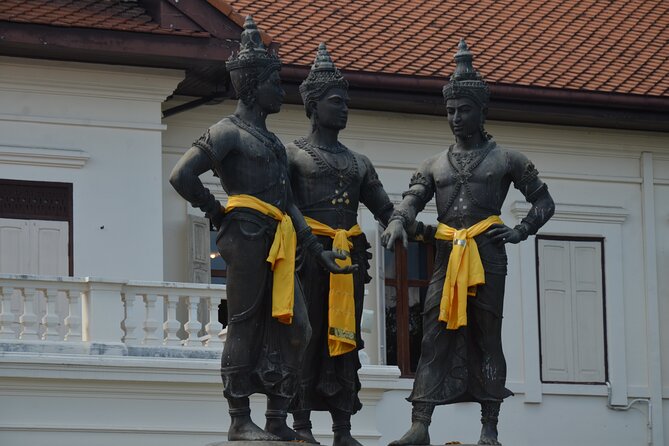
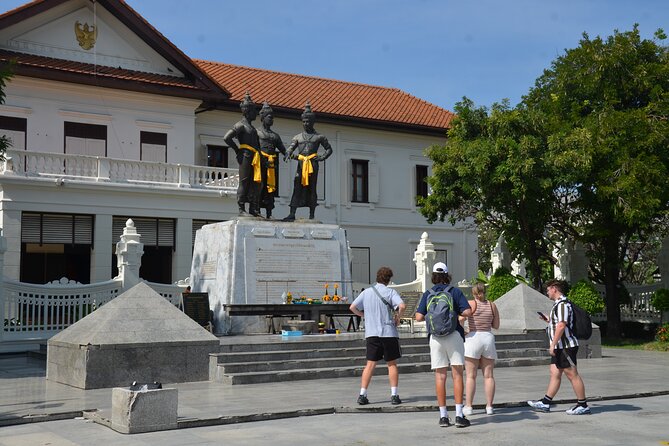
The short visit to Three Kings Monument shifts the focus from temple architecture to Chiang Mai’s public history. The monument sits in a large open square in the heart of the walled old city, making it a useful point for understanding how the old center is organized.
You have around 15 minutes here. That sounds brief, but it suits the stop. The value is not a long visit inside a museum. It is the guide’s explanation of the statue, its cultural meaning, and the role this central space plays in Chiang Mai.
This is also where a good guide can make a short stop worthwhile. The information describes the monument as a place connected with the city’s founding story and cultural identity. TwoTwo’s ability to answer questions and check that people understand should be useful here, particularly if you are new to northern Thailand and do not yet know the difference between local legend, civic history, and religious tradition.
The open square gives you a breathing space between temples. It also helps you see the old city as a planned center rather than a string of unrelated sights.
Wat Phra Singh and classic Lanna style
Wat Phra Singh receives the longest visit after Wat Chedi Luang, with about 50 minutes allotted. It is described as one of the finest examples of classic Lanna temple architecture in northern Thailand, and it is one of the most important visual stops on the route.
Lanna style is the architectural language of northern Thailand, and Wat Phra Singh gives you a strong example of it. Look for the layered roof lines, detailed decorative work, and the overall balance of the temple buildings. Your guide’s explanation should help you connect those features with Chiang Mai’s regional identity.
This is a place where the tour’s historical focus pays off. Without context, ornate temple buildings can blend together after a few visits. A guide can point out why Wat Phra Singh is treated as a special example, explain the role of the complex, and put its design beside the simpler or more unusual structures you see later.
The admission fee is not included in the tour price. That is the first extra cost to remember. The supplied details do not state the amount, so check the current fee when booking or at the entrance. Because you spend nearly an hour here, the additional ticket is easier to justify than a fee for a very quick photo stop.
Sunday may offer an extra cultural moment. One walk included women performing traditional dances at the main temple. This is not guaranteed, but Sunday departures may give you a chance to see activity that is not part of the standard route.
More Heritage Days in Chiang Mai:
- Chiang Mai: Historic Temples and City Guided Walking Tour
★ 4.7 · 650 reviews - Chiang Mai: Historic Old City Bike Tour – Morning or Night
★ 4.7 · 263 reviews - Chiang Mai: Historic Old City Bike Tour – Morning or Night
★ 5.0 · 202 reviews - Chiang Mai: Private Historic Old City Bike Tour – Night
★ 4.7 · 143 reviews
Wat Phan Tao, a royal palace turned teak temple

Wat Phan Tao is a smaller and more distinctive stop. Built in the 14th century, it began as a palace before being converted into a monastery. The building is especially notable because it is made almost entirely of teak wood.
You have about 15 minutes here, so expect a focused explanation rather than a long rest. The main hall includes a large teak throne once used by Chiang Mai’s rulers. That detail gives the building a direct link to the city’s royal past and makes it easier to understand why this modest-looking temple deserves a place on the route.
The change in material is the point. After seeing the decorative masonry and large temple grounds at Wat Phra Singh, you encounter a wooden structure with a different warmth and character. Teak also gives the hall a more intimate feel, even if your visit is short.
Wat Phan Tao is a useful reminder that a temple is not always defined by size. The story of a royal building becoming a monastery is more interesting than simply ticking off another wat. Your guide can also explain the purpose of the ordination hall and help you identify features that might otherwise pass unnoticed.
Admission is free here. The short stop may frustrate anyone who wants detailed photographs, but it keeps the full route moving and leaves room for the much larger final temple.
Wat Chedi Luang and the ruined heart of the route
The tour ends at Wat Chedi Luang, where you spend about 50 minutes. This is the largest and most dramatic stop on the walk, with an impressive ruined chedi and a majestic standing Buddha in the main prayer hall.
The damaged chedi gives the site a different mood from Wat Phra Singh or Wat Phan Tao. Instead of seeing a fully finished structure, you see the scale and force of an older monument that has not survived intact. The remaining brickwork makes the monument feel substantial and easy to understand as a piece of the old city, even before the guide explains its story.
The standing Buddha offers a second focus inside the prayer hall. A good guide will help you look beyond the size of the statue and notice its place within the hall and the wider religious setting. The route ends here for a reason: it leaves you with the most visually powerful site rather than a minor temple after the main event.
Wat Chedi Luang also has a separate entrance fee, not included in the $16 price. You should budget for both paid temples when comparing the total cost. The amount is not provided in the tour details and may change.
Since the walk finishes here, you can continue exploring the old city afterward at your own pace. The tour does not include a return transfer, but the end point is inside the old city and near public transportation. That makes the finish practical if you plan to eat, visit another attraction, or return to your accommodation.
What the guide adds to the temples
The tour’s value depends heavily on the guide’s ability to make connections. The strongest guide feedback points to clear explanations, good English, humor, and patience with questions. TwoTwo is specifically described as checking that people understood, which is a small but important habit on a history walk.
You should feel free to ask questions as you go. The route covers architecture, city origins, royal buildings, Buddhist practice, and local legends. Those subjects can raise basic questions, especially if this is your first visit to Thailand or your first close look at Lanna culture.
The guides named in the information are TwoTwo, Jen, Pang, and Tin. You may be assigned one of them or another guide from Beyond Experience. The small group cap of 10 should make it easier to hear the explanation and avoid the anonymous feel of a large coach group.
The Sunday dancing is another example of why timing can shape the experience. It is an occasional bonus, not a scheduled feature, but a weekend walk may place you near local cultural activity at the right moment.
Timing, walking comfort, and practical value
Three hours is long enough to cover the major highlights without turning the morning or afternoon into a full-day commitment. It is also short enough to fit before lunch, after arrival, or alongside another Chiang Mai activity.
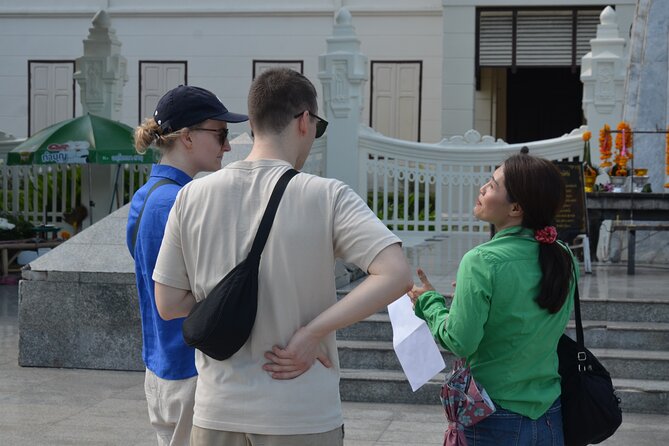
You should expect to walk between the stops. The route remains within the old city, but temple grounds can involve standing, uneven surfaces, and time in warm weather. The information says most people can participate, but it does not give a distance, pace, or amount of shade. Wear comfortable shoes and carry water. One bottled water is included, which is helpful but not a substitute for planning your own hydration.
The tour requires good weather. If poor weather cancels it, you are offered another date or a full refund. A minimum number of participants is also required, and a cancellation for that reason brings the same choice of a different date or a refund.
The mobile ticket makes the booking easy to carry, and confirmation is provided at booking. The meeting point is Wat Chiang Man at 171 Ratchapakhinai Road. The finish is Wat Chedi Luang Varavihara at 103 Prapokklao Road.
The cancellation terms are simple: cancel at least 24 hours before the start time for a full refund. Cancellations or changes made inside that window are not accepted for a refund.
Who should book this temple walk
I would choose this tour if you are visiting Chiang Mai for the first time and want a clear introduction to the old city. It is especially useful if you prefer explanations to solo wandering, or if several temples are on your list but you are unsure how to arrange them.
It also suits people who enjoy asking questions. The guide style appears interactive rather than purely scripted, and the small group should support conversation.
The tour is less suitable if you dislike walking, need a leisurely pace at each temple, or want a private experience. The 15-minute stop at Three Kings Monument and Wat Phan Tao will feel quick if you are a serious photographer. The two entrance fees also mean the total cost is higher than the advertised $16, though it remains a low-cost introduction.
The route has no food stop, shopping stop, or transport between sights. That is a strength if you want temples and city history without distractions. It is a limitation if you want a broader food or market experience.
Should you book the $16 Chiang Mai temple tour?
Book it if you want four major temples, a central monument, and a well explained first look at Chiang Mai in three hours. The route is compact, the group is limited to 10, bottled water is included, and the ending at Wat Chedi Luang leaves you near more old-city sights.
The best reason to choose it is the guide-led context. Wat Chiang Man’s stone elephants, Wat Phra Singh’s Lanna design, Wat Phan Tao’s royal teak hall, and Wat Chedi Luang’s ruined chedi make a strong sequence when someone explains how they differ.
Skip it if you already know these temples well or prefer to set your own pace. Otherwise, the modest price makes this a sensible first-day activity, especially if you book for a Sunday and hope to catch traditional dancing along the way. Remember to add the two temple entrance fees and plan for a warm, active walk.
FAQ
How long does the Chiang Mai temple walking tour last?
The tour lasts approximately three hours.
Where does the tour begin?
It begins at Wat Chiang Man, 171 Ratchapakhinai Road, in Chiang Mai’s old city.
Where does the tour finish?
The tour finishes at Wat Chedi Luang Varavihara, 103 Prapokklao Road. There is no return transfer included.
Which places are visited?
The route visits Wat Chiang Man, Three Kings Monument, Wat Phra Singh, Wat Phan Tao, and Wat Chedi Luang.
Are temple entrance fees included?
No. Entrance fees for Wat Phra Singh and Wat Chedi Luang are not included. Wat Chiang Man, Three Kings Monument, and Wat Phan Tao list free admission.
Is bottled water included?
Yes. One bottled water is included.
How many people can join the tour?
The group has a maximum of 10 participants.
Can I cancel for a full refund?
Yes, if you cancel at least 24 hours before the experience start time. Cancellations or changes made less than 24 hours before the start time are not refunded or accepted.
More Walking Tours in Chiang Mai
- Chiang Mai: Temple And City Walking Tour Part I
★ 4.7 · 244 reviews - Chiang Mai: Local Food and Markets Guided Walking Tour
★ 4.3 · 175 reviews - Chiang Mai Untouched Elephant: Nature Walk & Waterfall Trek
★ 4.7 · 77 reviews - Chiang Mai: Historical and Culture Exploration Walking Tour
★ 4.6 · 40 reviews
Newly reviewed around Chiang Mai
- Workshop Making Herbal ball & herbal inhaler★ 4.3 · 3 reviews
- Chiang Mai Zipline White Water Rafting and Elephant Sanctuary★ 4.0 · 11 reviews
- Walk With Monks Collecting Alms(meeting point maybe change)★ 4.9 · 8 reviews
- Trek to a Jungle Waterfall★ 5.0 · 14 reviews
- Zipline+Sticky waterfall+Long Neck Village Private Tour★ 5.0 · 22 reviews
- Meditation Retreat and Self-Care in Nature★ 5.0 · 4 reviews
- Full Day Yoga, Meditation, and Thai Cultural Immersion in Chiang Mai★ 5.0 · 3 reviews
- Long Neck Village, White & Blue Temple, Black House Day Tour From Chiang Mai★ 4.0 · 14 reviews
Chiang Mai Temple Tours, compared.
Doi Suthep and Wat Umong Enchanting Evening Tour
Read our review →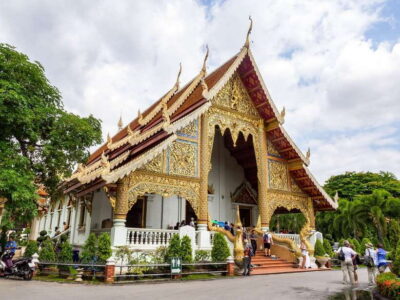
3 Hour Old City and Temples Guided Walking Tour
Read our review →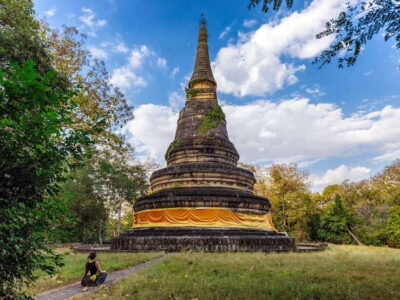
Doi Suthep, Wat Umong, and Pha Lat Sunrise Tour
Read our review →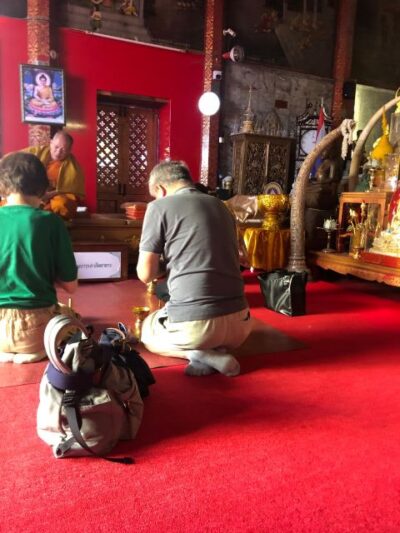
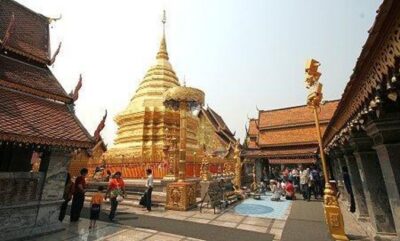
Wat Phra That Doi Suthep spiritual Sunrise Tour with an Ex-monk
Read our review →
4-Hour Doi Suthep & Hmong Hill Tribe Village from Chiang Mai
Read our review →
Spiritual Sunrise Wat Doi Suthep, Pha Lat, Alms & Meditation
Read our review →Browse the lists this tour appears in