

Reviewed · CHIANG MAI ELEPHANT SANCTUARY VISITS
Chiang Mai: Elephant Sanctuary Feeding Program Half-Day Tour
The best part of this Chiang Mai outing is the chance to meet elephants at their own pace. At Pon Elephant Thailand, you feed them bananas, sugarcane, and Napier grass, then follow them through the forest and perhaps join them in the river. No riding is allowed, and river bathing is not forced.
I like the clear focus on elephant welfare and the hands-on food preparation, especially the vitamin balls made for older elephants. I also like the half-day format, which gives you a full morning with the animals without taking your entire day. The main drawback is the long drive south of Chiang Mai, plus some walking on uneven paths and the chance of getting very wet.
Key points to know before you book
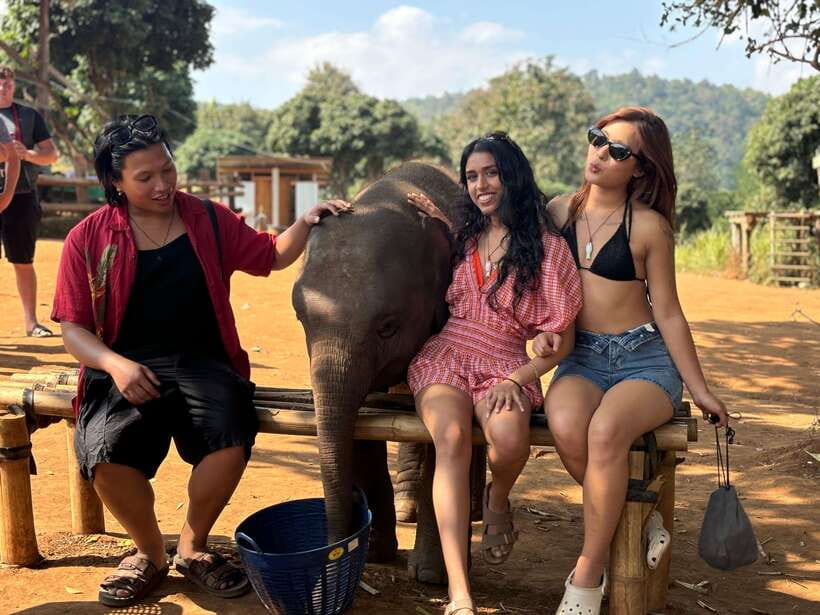
- Four activity areas keep the half-day moving: You may feed elephants, prepare herbal food, walk with them, and visit the river.
- The elephants choose the river activity: Bathing and swimming can change at short notice if the animals are not interested.
- Guides make a real difference: Pat, Toto, Tuto, Jackie, King Kong, Pan, and others are praised for clear explanations, humor, and patient care.
- The setting feels rural and spacious: The sanctuary lies among forest, hills, and farms south of Mae Wang, with elephants given room to roam.
- Bring clothes you can sacrifice to the river: A towel and change of clothes are not included, and the final water session can leave you soaked.
- The price is unusually low for a hands-on outing: At $27 per person, it offers strong value, though hotel pickup may depend on the option you choose.
The long road south from Chiang Mai
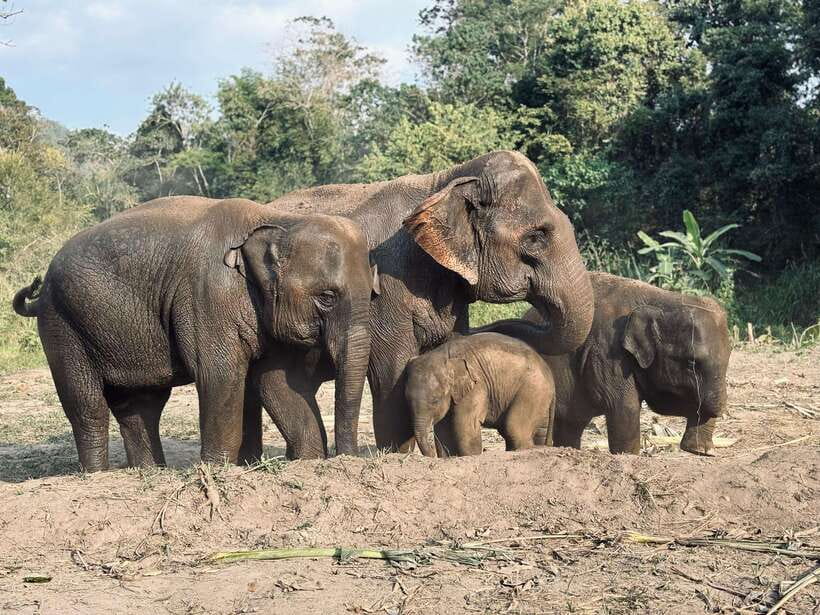
Pon Elephant Thailand is in Chiang Mai Province, south of Mae Wang. From Chiang Mai, the drive takes about 1.5 hours according to the tour information, although some bookings describe the journey as closer to an hour depending on the pickup point and traffic.
That transfer is a real part of the experience. You pass hills, forest, and local farms rather than simply being dropped at an attraction near the city. The setting helps explain why this is not a quick animal show. You are heading into a rural community where elephant care, local families, and the forest are tied together.
If you book hotel pickup, wait in the lobby five to ten minutes before the arranged time. Drivers wait no longer than five minutes after pickup, so do not treat the start time as a loose suggestion. Transport has been highly praised for being clean, comfortable, and spacious, but one practical complaint is worth noting: the approximate travel time is not always made clear in advance.
A private meeting point may apply if you choose the no-transfer option. One visitor paid 800 baht without transport, which shows how inexpensive the sanctuary visit can be when you arrange your own way there. You should confirm the exact meeting point and timing when booking, since these can vary by option.
More Elephant Sanctuary Visits near Chiang Mai:
- Chiang Mai: Elephant Sanctuary, Waterfall & Bamboo Rafting
★ 4.9 · 9,160 reviews - Chiang Mai: Elephant Sanctuary & Waterfall Group Tour
★ 4.9 · 5,780 reviews - Chiang Mai: Elephant Sanctuary, Long Neck & Sticky Waterfall
★ 4.9 · 2,262 reviews
Meeting the elephants and learning the ground rules
On arrival, you meet the sanctuary team and receive a briefing about the elephants, their habits, their behavior, and the way people should act around them. This first talk matters. Elephants are calm-looking animals, but they are large, powerful, and still unpredictable. The safety instructions are not decoration.
Guides have different styles. Pat is praised for clear explanations and a good sense of humor. Toto and Tuto are singled out for making elephant facts easy to follow, while Jackie is noted for strong English and lively presentation. King Kong, Pan, Saki, Mr. Hod, and other guides also appear in the operation, so your guide may depend on the day and group.
The setup may feel less like one formal tour and more like a series of activity stations. At each area, a local host or elephant carer explains what is happening. That arrangement can work well because the people handling each part of the visit are focused on their own task. It may also mean you do not have one guide beside you every minute.
The sanctuary describes its work as an effort to support local hill-tribe communities and protect the community forest. You hear about Asian elephants, their working past, their diets, and the generations-long relationships between local families and the animals. The most useful part is the attention to individual elephants. Guides explain personalities and dietary needs rather than treating the animals as identical photo props.
Preparing food for elephants
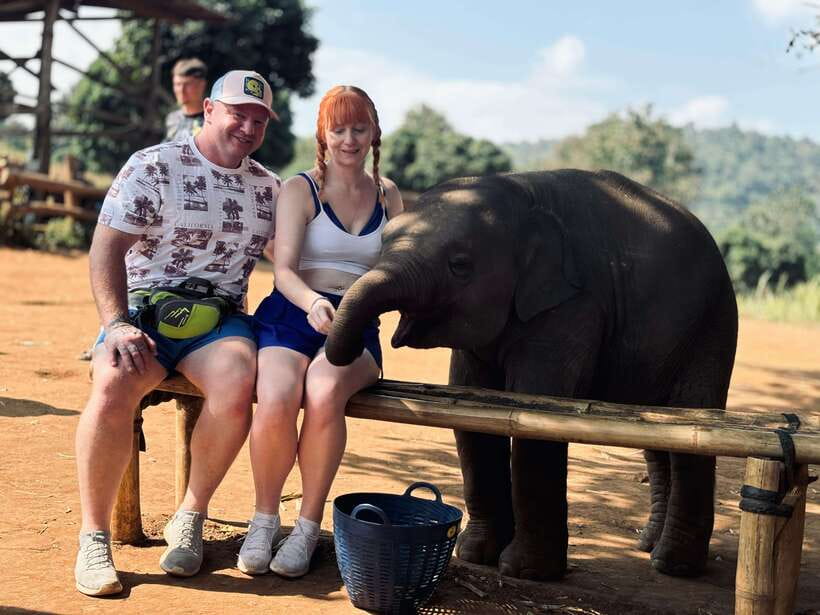
One of the more interesting activities is preparing herbal treats. You may help make vitamin balls for an older elephant, using food designed to support its health. This is a small task, but it gives you a better sense of the daily care required by an aging animal.
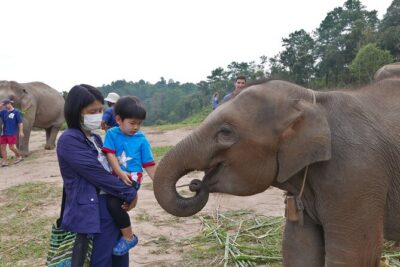
The feeding itself uses fruit and other food supplied by the sanctuary. Bananas, sugarcane, and Napier grass are listed among the treats. You may also feed the elephants fruit by hand while a carer shows you where to stand and how to offer it safely.
This is the moment when you get properly close. An elephant’s trunk can feel surprisingly nimble as it reaches for food, and the animals may have very different temperaments. Listen to the carer, keep your movements calm, and avoid trying to turn the interaction into a wrestling match for a photograph.
The activity is especially good for families because the food preparation gives children something practical to do. Guides are described as patient with children, and one family with a six-month-old baby received extra help from the staff. Still, young children need close supervision around animals of this size.
Walking through the forest with the elephants
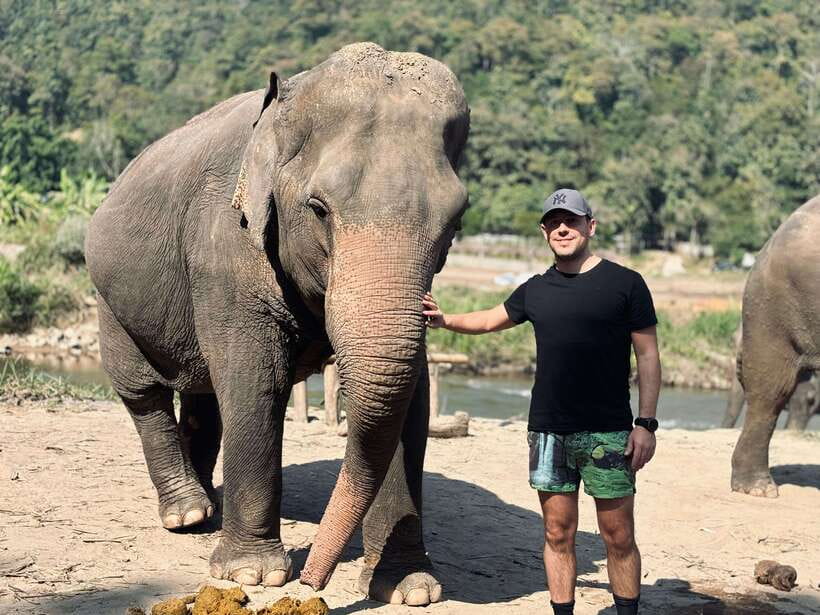
After the briefing and feeding, you take a nature walk with the rangers. The route connects the activity areas and brings you into the forest setting where the elephants spend time. You are not simply standing in a pen while an elephant is brought out for pictures.
Several people describe the elephants as roaming freely without chains, with a large area available to them. The sanctuary is said to have more than 60 acres, although you should understand that this does not mean you will walk across all of it during a half-day visit. The important point is that the animals have space to move away from people.
Some light walking is required between the four areas. One path includes a wobbly bridge that can feel exciting if you dislike heights or unstable footing, though it is described as safe. Another visitor found the walking tiring, so do not arrive expecting a completely sedentary activity.
Wear comfortable clothes that can get dirty. Closed, practical footwear is sensible, though the provided information does not specify a required type. Biodegradable sunscreen and insect repellent are useful in a forest setting. Bring cash, a charged phone, and a camera, but keep your attention on the elephants rather than viewing the whole visit through a screen.
More Half-Day Trips in Chiang Mai:
- Half-Day Thai Cooking Class at Organic Farm in Chiang Mai
★ 5.0 · 19,087 reviews - Chiang Mai: HALF-DAY COOKING COURSE at a Thai Cooking Farm
★ 4.9 · 705 reviews - Half-Day Elephant Experience at Rantong
★ 5.0 · 625 reviews - Chiang Mai: Elephant Dream Project Sanctuary – Half-Day
★ 4.9 · 552 reviews
The river session, if the elephants want it
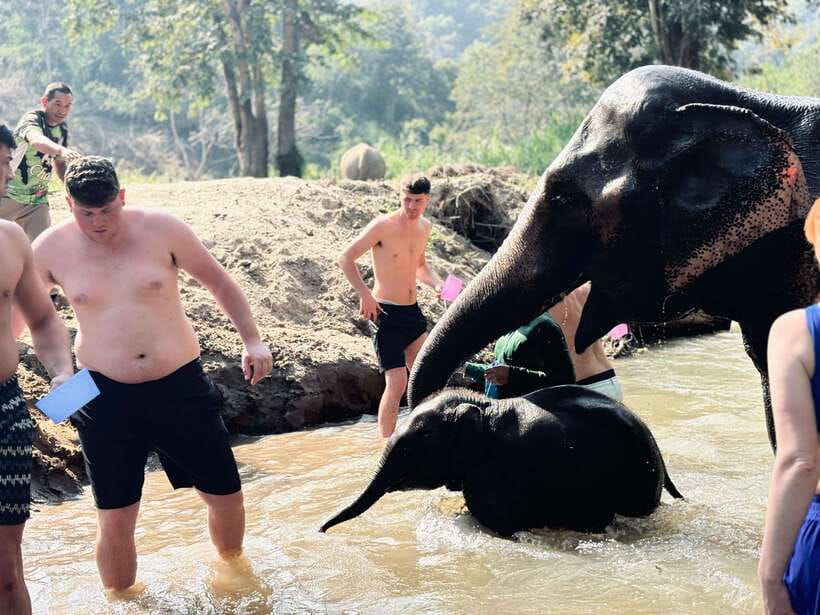
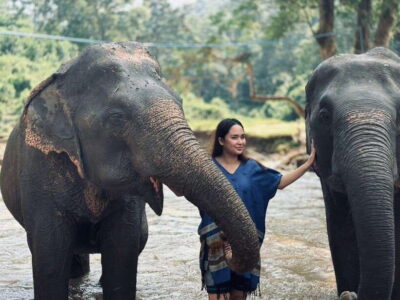
The final part may involve taking the elephants to the river, helping wash them, and splashing in the water. This is often the most playful section of the morning. You could end up in a water fight with the group, and you should expect to get soaked.
The key ethical point is that the elephants decide if they bathe. The staff do not force them into the river or make them perform a routine on demand. If an elephant does not want to enter the water, the schedule can change. Bad weather and other unexpected conditions can also alter the plan.
That uncertainty is a strength from an animal-welfare point of view, but it is also a practical limitation. Do not book this experience solely because you want a guaranteed bathing photograph. You may feed and observe the elephants without a river session, and the quality of the visit should not depend on one activity.
Bring beachwear, a complete change of clothes, and a towel. The towel is not included. A waterproof bag for your phone would be useful, although one is not listed as supplied. Biodegradable products are requested, so use biodegradable sunscreen and insect repellent rather than ordinary formulas that may wash into the water.
What the $27 price really buys you
At $27 per person, this is strong value if you want direct contact with elephants and do not need a luxury setup. The fee includes an English or Thai-speaking guide, insurance, drinking water, and fruit for the elephants. Hotel pickup and drop-off are included only when you select that option, so check the price difference before assuming transport is covered.
The value comes from the amount packed into roughly five hours. You receive a briefing, a forest walk, multiple feeding opportunities, food preparation, and possibly a river visit. The experience is not just a short photo stop.
There are tradeoffs. The long drive eats into the day, and the operation can be busy enough that several small groups join some walks or stations. The station-style format may feel less personal than a private guide. On the other hand, the groups can be small in some departures, with one party describing a group of about seven people.
The published duration is described as five hours, while the detailed timing also gives 330 minutes, or five and a half hours. Allow extra time around the stated schedule, especially if you have a flight or another fixed booking. One person with a 3 p.m. flight was helped by the team and taken onward to the airport, but you should not count on every transfer running to that exact pattern.
How ethical is the elephant contact?
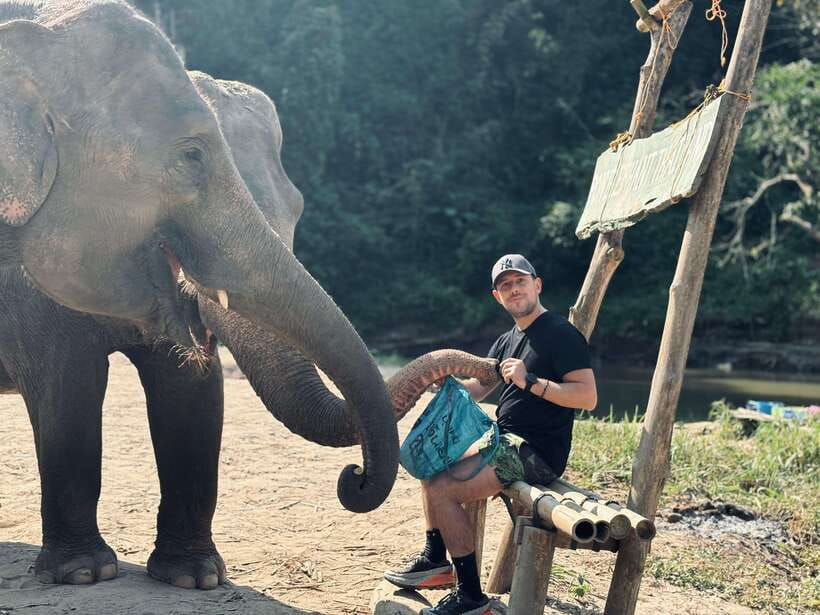
No elephant experience can be judged by a label alone. You should look at what the animals are asked to do. Here, the stated rules are important: no riding, no forced bathing, and no activities unless the elephants choose to take part.
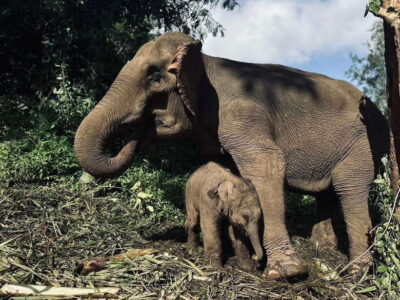
The available details point toward a more careful model. The elephants are described as moving freely, the staff discuss them as individuals, and the sanctuary cares for animals of different ages, including a rescued bull and an older elephant needing special food. One family group includes a mother and three daughters.
You still get very close, feed the elephants, touch them in some situations, and may wash them in the river. That contact will not suit everyone who prefers observation from a distance. I would choose this outing over a riding camp, but I would still follow the rules closely and accept that the elephants are not there to perform.
The sanctuary also links elephant care to local livelihoods and forest protection. That gives your visit a community angle, though a half-day excursion cannot show every part of the operation. The strongest sign of respect is simple: the staff allow activities to change when the animals are not interested.
Who should choose this half-day visit?
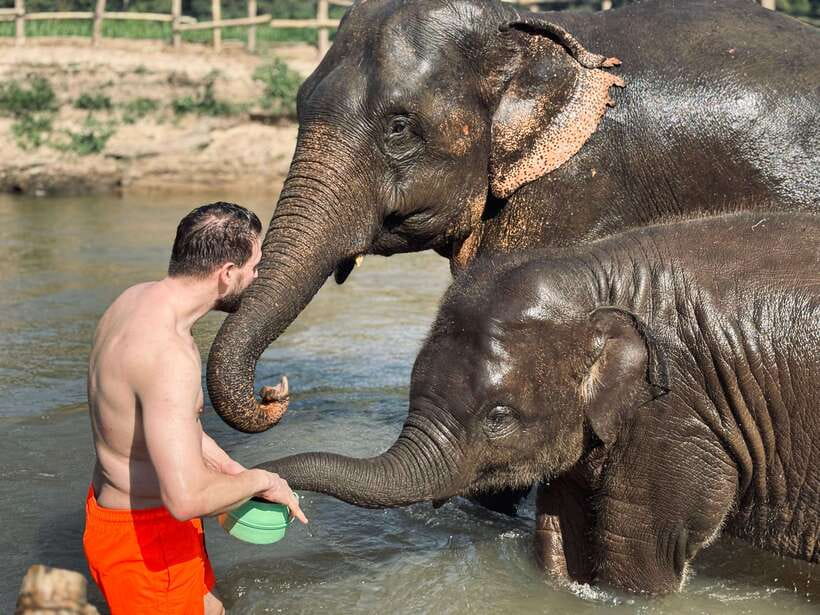
This is a good fit if you want close contact, clear explanations, and a rural setting without committing to a full-day trip. It suits families, couples, first-time elephant visitors, and people with limited time in Chiang Mai.
It is also useful for visitors who want a hands-on activity but do not want elephant riding. The chance to prepare food, feed several elephants, and walk beside them gives you more variety than a single viewing platform.
Think twice if you have back problems, recent surgery, epilepsy, animal or insect allergies, limited fitness, or difficulty walking. The tour is not suitable for wheelchair users, people with mobility impairments, or visually impaired visitors according to the supplied safety information.
You should also reconsider it if you dislike wet clothes, uneven paths, insects, or a long vehicle ride. The visit is peaceful in spirit, but it is not a polished resort outing. Mud, splashes, forest paths, and changing plans are part of the deal.
What to bring and what to leave behind
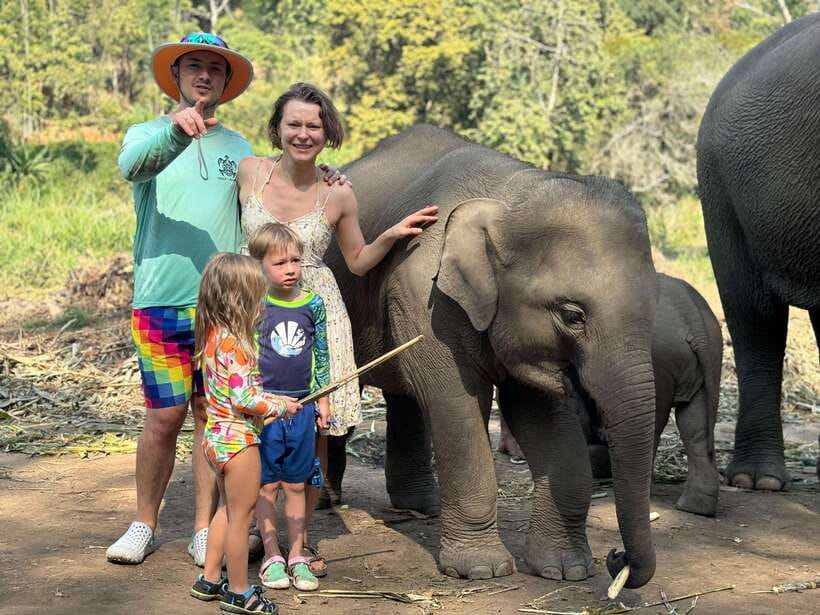
Pack a change of clothes, beachwear, a towel, comfortable clothing, and shoes suited to walking. Add biodegradable sunscreen, biodegradable insect repellent, cash, your passport or an accepted copy, and a fully charged smartphone.
A camera is welcome, but make sure you can protect it near the river. Do not bring weapons, sharp objects, alcohol, drugs, fireworks, explosives, fishing gear, or anything used to make a fire. Riding the elephants is forbidden, as are party-style bachelor and bachelorette groups.
Free cancellation is available up to 24 hours before the activity for a full refund, and you can reserve now and pay later. Opening hours and the route can change because of weather or other events, so leave breathing room in your Chiang Mai schedule.
Should you book Pon Elephant Thailand?
I would book this tour if your priority is ethical, close-up elephant contact at a modest price. The feeding, herbal food preparation, forest walk, and possible river session offer plenty for a half-day, and the staff appear strongly focused on animal care and guest safety.
I would not book it for a guaranteed bath, a private luxury experience, or a completely effortless outing. The drive is long, the paths require some walking, and the elephants set the timetable.
Choose the optional pickup if you value simplicity. Choose the no-transfer option if you are comfortable confirming the meeting point and arranging your own transport. Either way, bring clothes that can get dirty, keep your schedule flexible, and treat the river as a bonus rather than a promise.
FAQ
How long does the Chiang Mai elephant sanctuary tour last?
The activity is advertised as a half-day tour lasting five hours. The detailed duration is also listed as 330 minutes, or five and a half hours, so you should allow some flexibility around the schedule.
Where is Pon Elephant Thailand located?
Pon Elephant Thailand is in Chiang Mai Province, south of Mae Wang. The drive from Chiang Mai takes about 1.5 hours through hills, forest, and local farms, although the exact time depends on the pickup point and conditions.
Is hotel pickup included?
Hotel pickup and drop-off are included only if you select the option that offers them. The meeting point may differ by booking choice, so check the exact arrangement before departure.
Can I bathe and swim with the elephants?
You may have the chance to help wash the elephants and splash with them in the river. The elephants choose if they want to bathe, so the river activity can change or be skipped.
Are elephant rides part of the experience?
No. Riding the elephants is not allowed. The activities focus on feeding, observing, walking with, and possibly washing the elephants.
What should I bring?
Bring a change of clothes, a towel, beachwear, comfortable clothing, biodegradable sunscreen, biodegradable insect repellent, cash, a camera, a charged smartphone, and a passport or accepted copy. Wear clothes that can get dirty.
Can I cancel the booking?
You can cancel up to 24 hours in advance for a full refund. Reserve now and pay later is also available, subject to the booking option.
Newly reviewed around Chiang Mai
- Workshop Making Herbal ball & herbal inhaler★ 4.3 · 3 reviews
- Chiang Mai Zipline White Water Rafting and Elephant Sanctuary★ 4.0 · 11 reviews
- Walk With Monks Collecting Alms(meeting point maybe change)★ 4.9 · 8 reviews
- Trek to a Jungle Waterfall★ 5.0 · 14 reviews
- Zipline+Sticky waterfall+Long Neck Village Private Tour★ 5.0 · 22 reviews
- Meditation Retreat and Self-Care in Nature★ 5.0 · 4 reviews
- Full Day Yoga, Meditation, and Thai Cultural Immersion in Chiang Mai★ 5.0 · 3 reviews
- Long Neck Village, White & Blue Temple, Black House Day Tour From Chiang Mai★ 4.0 · 14 reviews
Chiang Mai Elephant Sanctuary Visits, compared.
Elephant Sanctuary, Waterfall & Bamboo Rafting
Read our review →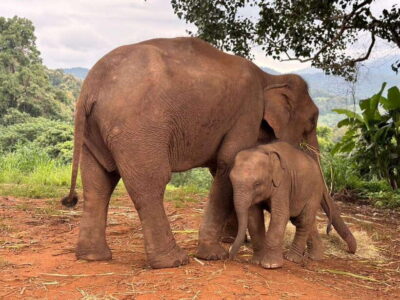
Elephant Sanctuary, Long Neck & Sticky Waterfall
Read our review →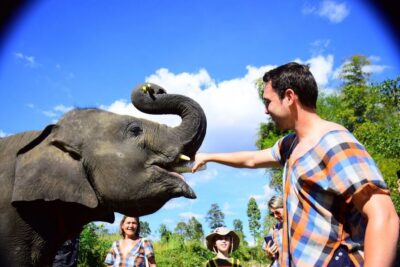
3-in-1: Doi Inthanon Tour, Elephant Sanctuary, and Trekking Trail
Read our review →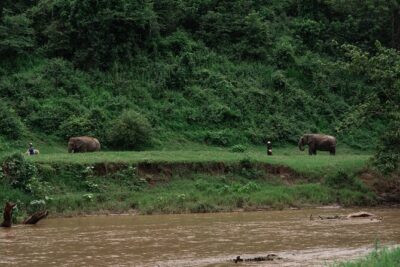
Chiang Mai Elephant Sanctuary, Bamboo Rafting and Waterfall Tour
Read our review →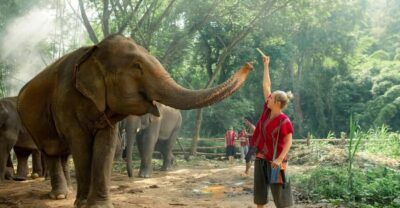

Browse the lists this tour appears in