
Reviewed · CHIANG MAI ELEPHANT SANCTUARY VISITS
Chiang Mai Untouched Elephant: Nature Walk & Waterfall Trek
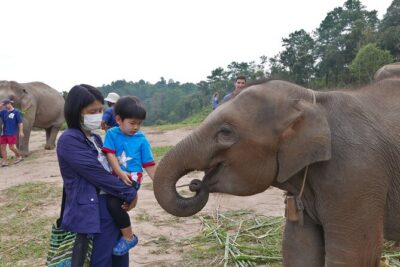
The best part of this Chiang Mai outing is its quiet, hands-on contact with rescued elephants. You help prepare their food, feed them by hand, walk beside them without saddles or hooks, and join them at the river for mud and bathing. It feels closer to daily elephant care than to a staged animal show.
I like the home-cooked Thai meal and the chance to spend time in a hill-tribe village, where the day follows the elephants instead of a tight performance schedule. The drawback is the journey: the sanctuary can involve a long ride from Chiang Mai, sometimes in an open-air truck, and the total day may run well beyond the advertised five hours.
Key points at a glance
- Feed and walk rescued elephants: The animals are not chained or forced to perform, and the planned activities can change according to their mood and needs.
- Ride through the mountains: Pickup begins in Chiang Mai, followed by a transfer in a 12-seater van or open truck and, in some cases, a roofed 4×4 truck to reach the sanctuary.
- Eat with a local family: A complimentary Thai meal made with local ingredients is part of the experience. Tell the operator about dietary restrictions ahead of time.
- Take a waterfall break: Mae Wang Waterfall brings about an hour of free time and walking, though it may not feel secluded on busy days.
- Pack for water and mud: Bring a swimsuit, towel, spare clothes, sunscreen, insect repellent, sunglasses, and a hat.
- Choose flexibility over polish: This suits you if you want a natural village day, not a tightly choreographed tour with constant commentary.
Meeting elephants on their own terms
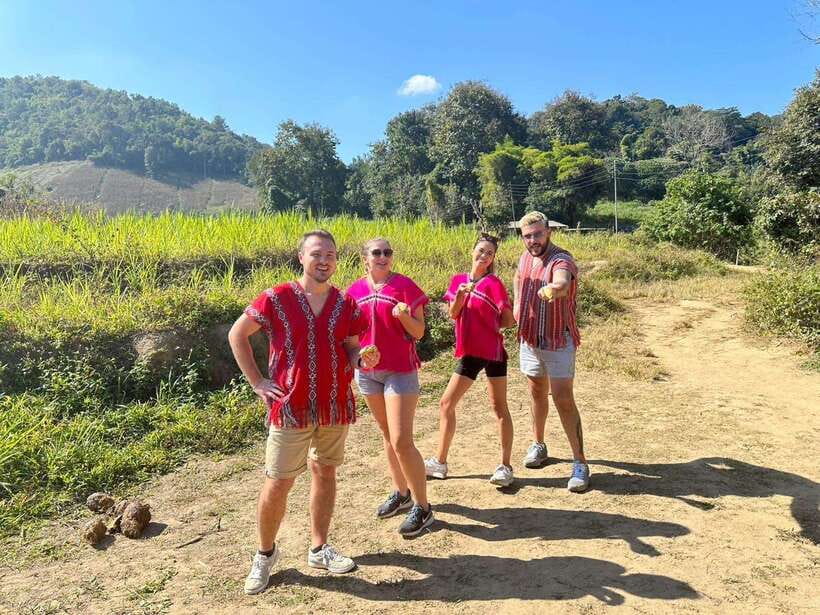
This experience is built around a simple idea: you spend part of the day doing the work of an elephant caretaker, or mahout. That means preparing food, feeding the elephants, walking with them, and helping at the river. The animals are rescued, and the park says it uses no chains or hooks.
The most important detail is that the elephants are not forced to perform. There is no riding, no show, and no promise that every planned activity will happen exactly as written. If an elephant wants to walk, eat, rest, or ignore the group, the schedule adjusts.
That uncertainty is a good thing for animal welfare, but it also shapes your expectations. You are not buying a polished sequence of guaranteed photo moments. You are paying for time near animals whose needs come first. For me, that makes the feeding and walking more meaningful, even if the day feels less controlled.
You will meet the mahout families who care for the elephants and hear how the animals have lived alongside them for generations. The setting is presented as a working village rather than a display area, so the experience has more connection to local life than a standard elephant park visit.
Still, keep your eyes open. One recent account found the elephant visit more crowded than expected, despite the promise of an untouched setting. The operator describes the experience as non-commercialized and free of a set schedule, but the number of people at the sanctuary can affect how private the visit feels.
More Elephant Sanctuary Visits near Chiang Mai:
- Chiang Mai: Elephant Sanctuary, Waterfall & Bamboo Rafting
★ 4.9 · 9,160 reviews - Chiang Mai: Elephant Sanctuary & Waterfall Group Tour
★ 4.9 · 5,780 reviews - Chiang Mai: Elephant Sanctuary Feeding Program Half-Day Tour
★ 4.8 · 4,527 reviews
The journey from Chiang Mai to the village
Pickup is available from hotels in and around Chiang Mai Old Town, with a free transfer within roughly five kilometers of the Old City. You should wait in the hotel lobby about 10 minutes before your pickup time. Accommodation farther away may involve an extra charge.
Transport is part of the adventure, and also one of the main drawbacks. The group may begin in a 12-seater air-conditioned van or an open-air pickup truck. Near the sanctuary, you may change to a roofed 4×4 truck for the mountain roads.
The drive can take about two hours each way, according to one account, although the advertised activity length is five hours. Another person found the full outing lasted about seven hours and missed a later booking. Do not schedule this on a tight timetable. I would leave the rest of the day open.
The open-air truck offers mountain views and fresh air, but it is not the most comfortable ride for everyone. The road journey was especially hard for older passengers, and one person found an older minibus uncomfortable. If you have back, mobility, or motion concerns, ask the operator what vehicle is planned for your pickup.
The transport details matter because the price includes hotel pickup and drop-off, English-language guidance, and the transfers to a fairly remote setting. You are not simply paying for a short elephant encounter. You are also paying for the long trip into the hills and the local arrangements once you arrive.
Preparing food and meeting the mahout families
At the village, the morning begins with an introduction to the elephants and their caretakers. You then help prepare food using traditional methods before feeding the animals by hand.
This is a better test of the experience than the brochure language. Feeding lets you slow down and watch each elephant’s behavior. You may notice different eating habits and personalities, but the central point is practical care rather than a quick photograph.
The local families are part of what gives the outing its character. You are invited to spend time in a traditional hill-tribe village and see how the mahouts combine family life with elephant care. The pace may feel informal. There may be periods when you help with small tasks, sit and talk, or simply wait while the animals rest.
That can be refreshing if you enjoy unhurried days. It can also feel vague if you expect a professional guide to explain every stage and keep the group moving. The activity specifically warns that it is not designed for people seeking a traditional tour with a fixed program.
The English-speaking guide is there to help the day run smoothly, but the supplied information identifies only one guide by name in the feedback: Jimmy. One person found the whole day and Jimmy especially good. Do not assume that Jimmy will lead every departure, but his name is useful when confirming your booking.
Walking through the jungle without saddles
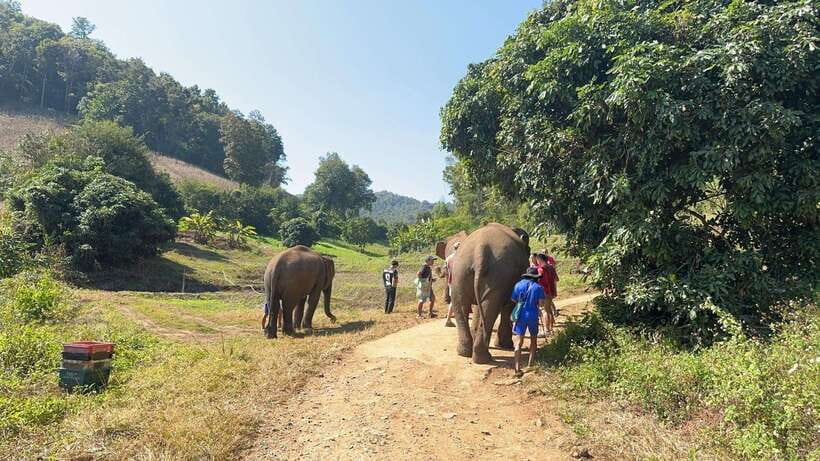
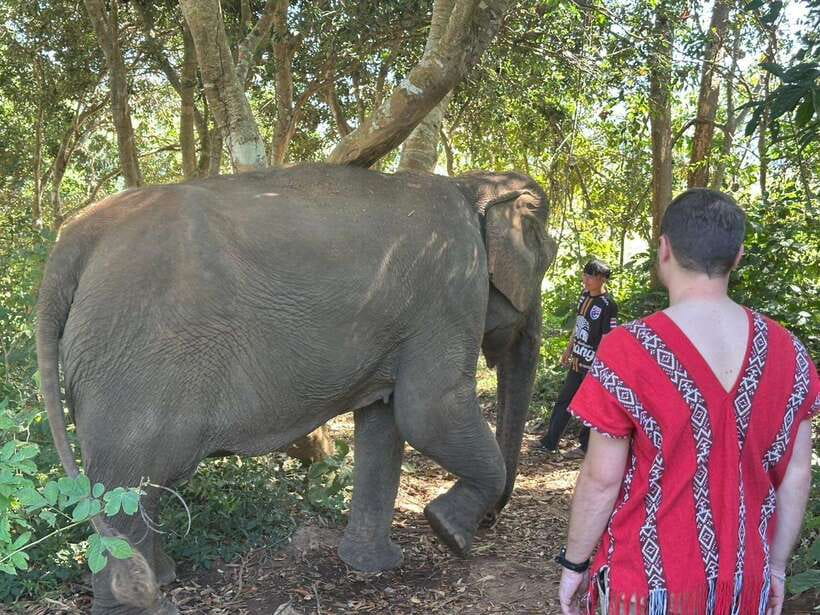
After feeding, you walk with the elephants through the surrounding jungle. The key difference is what you do not do: there are no saddles, rides, hooks, or forced tricks.
Walking beside an elephant gives you a clearer sense of its size and pace than sitting on its back. You are watching the animal choose where to move and what to investigate, while the mahouts remain close to guide and care for it.
The walking section also requires a moderate level of fitness. Expect outdoor paths, uneven ground, heat, and time on your feet. The exact route can depend on the conditions and on the elephants themselves. Wear sturdy footwear that you do not mind getting dirty.
This is not a wildlife sighting where you keep a great distance, but you still need to follow the guide’s instructions. An elephant is powerful even when calm. Let the mahouts decide how close you should stand and when you should step aside.
The absence of forced contact is one of the strongest reasons to choose this outing. You are not promised constant touching. Instead, you are given a chance to participate in care while respecting the animals’ choices.
More Jungle Treks and Hikes around Chiang Mai:
- 3-in-1: Doi Inthanon Tour, Elephant Sanctuary, and Trekking Trail
★ 5.0 · 1,087 reviews - Chiang Mai: Doi Inthanon Trip with Pha Dok Siew Guided Trek
★ 4.6 · 910 reviews - Chiang Mai: Doi Inthanon Park with Kew Mae Pan Hike Day Trip
★ 4.7 · 841 reviews - Chiang Mai: Doi Inthanon Park and Pha Dok Siew Trail Trek
★ 4.6 · 752 reviews
Mud, river time, and the Mae Wang Waterfall
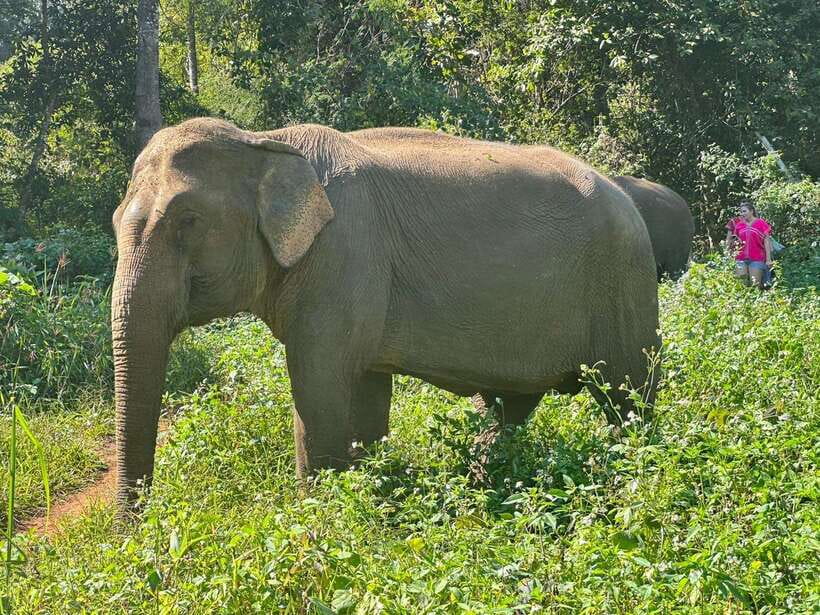
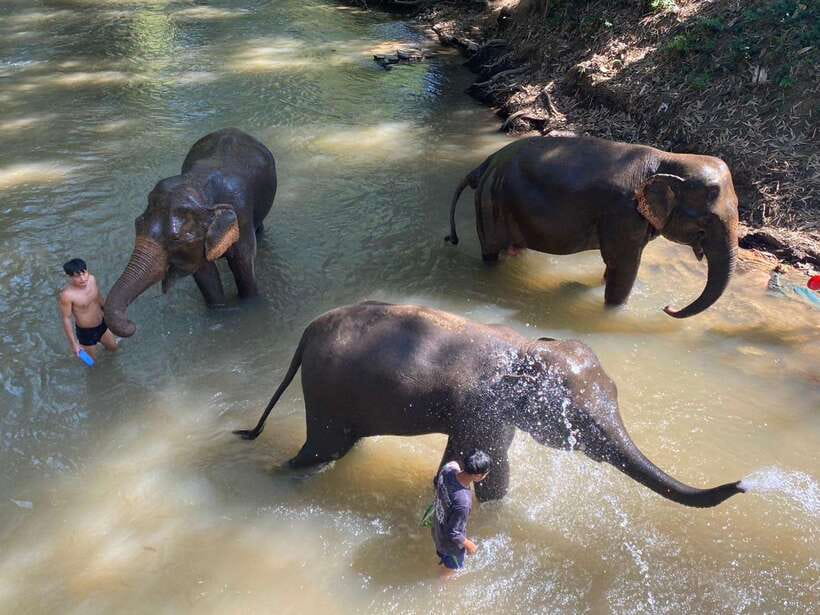
The elephant portion later moves toward a river for mud and bathing. You may splash, scrub, and help wash the elephants, provided they choose to take part.
This is likely to be the messiest and most memorable section. It is also the reason you should pack more than the official essentials. Bring a swimsuit, towel, and a complete change of clothes, even though these items are not included in the standard bring list. Water shoes may also be useful, though they are not specifically required by the operator.
After the sanctuary visit and lunch, the schedule includes about an hour at Mae Wang Waterfall. You have free time to walk and enjoy the water rather than another tightly guided activity.
The waterfall gives the day a second outdoor focus, but do not expect guaranteed solitude. One person found the waterfall crowded, so the word untouched should not be taken literally. Conditions and visitor numbers can change.
The waterfall stop is still useful. It breaks up the elephant visit, gives you time to cool down, and adds a natural attraction to the outing. Just treat it as a flexible stop, not as a private wilderness retreat.
A home-cooked lunch in the village

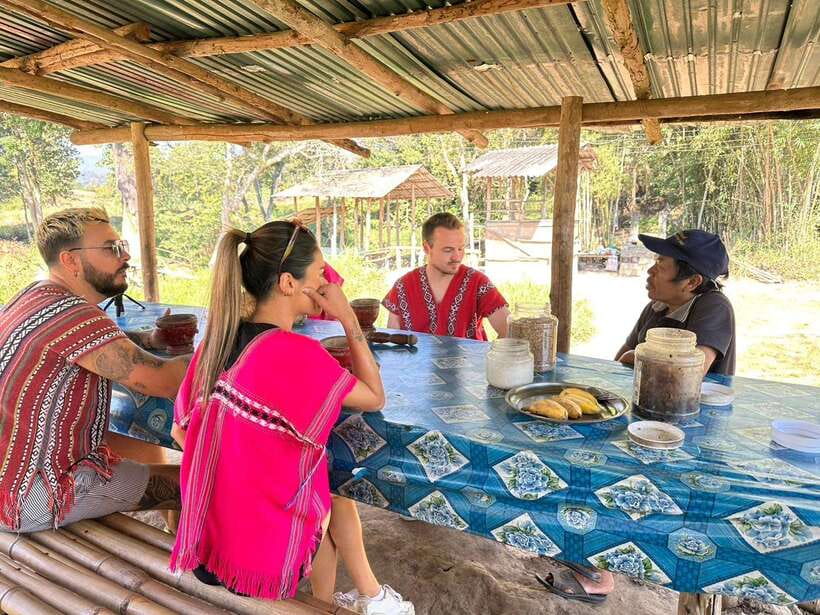
Lunch is included and prepared locally. The meal uses fresh ingredients and is served after the morning elephant activities, when you will likely be ready for something substantial.
The food earned especially warm praise, with one person calling it delicious and another highlighting the good cooking and accommodating staff. One account did note cold chips, so the meal may not match restaurant service in every detail. That is a minor point, but it captures the overall tradeoff: local and generous rather than polished and standardized.
Tell the operator about dietary restrictions in advance. The supplied information does not promise a specific menu, so you should not wait until lunchtime to explain what you cannot eat.
The meal matters beyond simple convenience. It gives you time with the local host family and supports the village element of the experience. You are not being rushed from one photo stop to the next. Lunch helps you understand the day as a visit to a community, not just an animal encounter.
How much the $51 price gets you
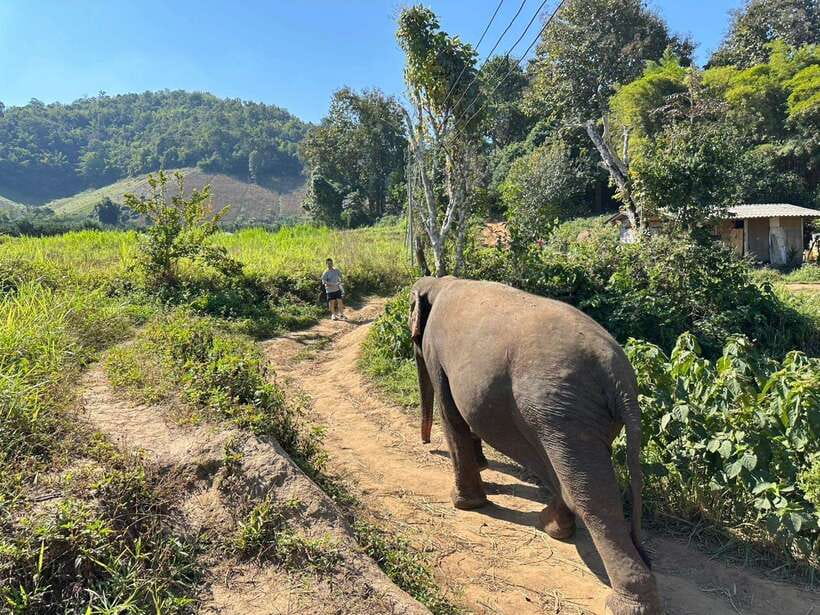
At $51 per person, the price is reasonable if you value the whole package: hotel pickup and return in Chiang Mai, transfers into the hills, an English-speaking guide, elephant care activities, lunch, drinking water, and the waterfall stop.
The value is strongest for you if you would otherwise need to arrange a private ride and separate visits to an elephant facility and waterfall. The included transport removes a major planning job, especially if you are staying near the Old City.
The price is less attractive if you want a short, highly polished attraction close to town. A large share of the day can be spent on the road, and the comfort of the transport may be basic. You are also paying for a flexible experience where the elephants set the pace, not for a fixed list of guaranteed activities.
I would judge this by your priorities. If ethical contact, local food, and a rural setting matter most, $51 is good value. If comfort, privacy, and precise timing matter more, the long transfer and possible crowds may make it feel less worthwhile.
What to bring and how to prepare
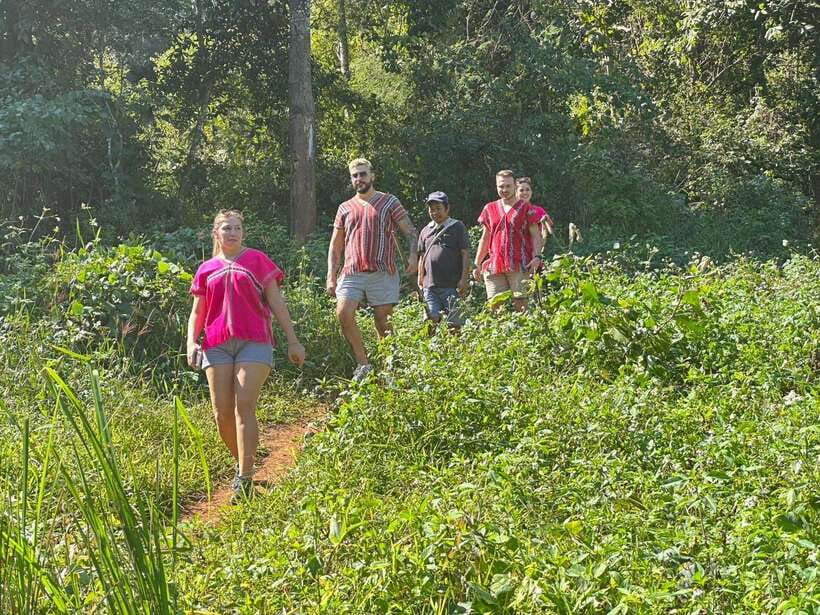
The official advice includes sunglasses, a sun hat, sunscreen, and insect repellent. I would add the following:
- A swimsuit or clothes that can get wet
- A towel
- A complete change of clothes
- Shoes suitable for walking on outdoor paths
- A waterproof bag for phones and small belongings
You should also plan for heat, mud, and changing conditions. Do not bring anything you would hate to stain. Drinking water is included, but keep your personal items light because vehicle changes can make luggage awkward.
The activity is not suitable for anyone expecting a fully controlled schedule. It also calls for moderate fitness, with walking and outdoor sections. Ask ahead about the transport if you are older or uncomfortable in open trucks.
Free cancellation is available up to 24 hours before the activity, and you can reserve now and pay later. Those policies help if your Chiang Mai schedule is still changing, but they do not solve the day’s main timing issue: allow extra room before making another booking.
Who will enjoy this most
I would recommend this to you if you care about animal welfare and want to see elephant care without riding or performances. It also fits people who like local meals, rural communities, flexible schedules, and a little discomfort in exchange for a less polished experience.
Families may enjoy the feeding and bathing, but the moderate walking, mud, heat, and long transfers can be tiring for young children. Older visitors should think carefully about the open-air truck and mountain road. The experience received an overall rating of 4.7 from 77 bookings, but individual comfort varied.
Photographers should bring protection for cameras and phones. The elephants, river, and village setting offer strong subjects, but the schedule may not leave you much control over lighting or positioning. Ask before stepping close, and follow the mahout’s instructions.
You should choose another outing if your main goal is a short drive, a private encounter, or a guaranteed bathing session. You may also be disappointed if you expect every hour to include an explanation from a polished professional guide.
Should you book the Chiang Mai elephant and waterfall day?
Book it if you want a respectful, practical introduction to mahout life and are willing to accept a long ride, basic transport, changing plans, and possible crowds. The strongest parts are the elephant care, the absence of riding and forced performances, the local meal, and the personal connection with the caretakers.
Before paying, confirm your pickup location, likely vehicle, expected return time, and whether Jimmy is guiding your departure. Pack a towel and spare clothes, and do not place another appointment immediately afterward.
I would choose this for an animal-focused day with genuine village contact, not for a luxury excursion. The elephants remain the reason to go, and the best moments come when the schedule gets out of the way and you simply watch them behave like elephants.
FAQ
How long does the activity last?
The advertised duration is five hours, but the full day may take longer because of the drive to and from the sanctuary. One account reported a seven-hour experience, so keep your evening schedule open.
Where is pickup available?
Pickup is available from hotels in and around Chiang Mai Old Town. Transfers are free for accommodation within a five-kilometer radius of the Old City, while locations outside that area may require a surcharge.
What kind of transport is used?
You may travel in a 12-seater air-conditioned van or an open-air pickup truck. The final approach to the sanctuary may involve changing to a roofed 4×4 truck.
Is elephant riding included?
No. Elephant riding is not included, and the elephants are not forced to perform activities.
Are the elephants chained or handled with hooks?
The park states that the rescued elephants are not kept in chains and that no hooks are used.
Will every planned elephant activity happen?
Not necessarily. The activities depend on what the elephants want to do that day, so feeding, walking, mud, and bathing should be treated as flexible parts of the program.
Is lunch included?
Yes. A complimentary local meal is included, along with drinking water. Tell the operator about dietary restrictions in advance.
What should I wear or bring?
Bring sunglasses, a sun hat, sunscreen, and insect repellent. You should also bring a swimsuit, towel, and change of clothes for the river and bathing activities.
Is the activity physically demanding?
The experience requires a moderate level of fitness because it includes outdoor walking and trekking. The vehicle journey may also be uncomfortable for people who have difficulty with long rides or open trucks.
Can I cancel or pay later?
You can cancel up to 24 hours in advance for a full refund. The reserve-now, pay-later option lets you hold a place without paying at the time of booking.
More Walking Tours in Chiang Mai
- Chiang Mai: 3 Hour Old City and Temples Guided Walking Tour
★ 4.6 · 1,568 reviews - Chiang Mai: Historic Temples and City Guided Walking Tour
★ 4.7 · 650 reviews - Chiang Mai: Temple And City Walking Tour Part I
★ 4.7 · 244 reviews - Chiang Mai: Local Food and Markets Guided Walking Tour
★ 4.3 · 175 reviews
Newly reviewed around Chiang Mai
- Workshop Making Herbal ball & herbal inhaler★ 4.3 · 3 reviews
- Chiang Mai Zipline White Water Rafting and Elephant Sanctuary★ 4.0 · 11 reviews
- Walk With Monks Collecting Alms(meeting point maybe change)★ 4.9 · 8 reviews
- Trek to a Jungle Waterfall★ 5.0 · 14 reviews
- Zipline+Sticky waterfall+Long Neck Village Private Tour★ 5.0 · 22 reviews
- Meditation Retreat and Self-Care in Nature★ 5.0 · 4 reviews
- Full Day Yoga, Meditation, and Thai Cultural Immersion in Chiang Mai★ 5.0 · 3 reviews
- Long Neck Village, White & Blue Temple, Black House Day Tour From Chiang Mai★ 4.0 · 14 reviews
Chiang Mai Elephant Sanctuary Visits, compared.
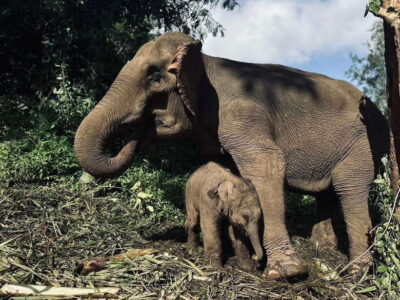
Elephant Sanctuary, Waterfall & Bamboo Rafting
Read our review →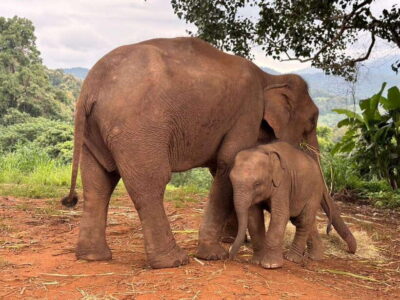
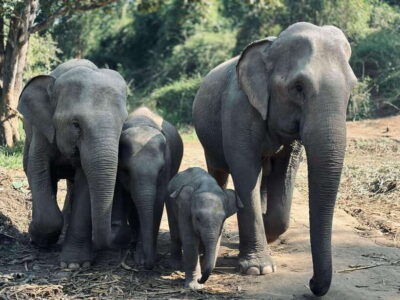
Elephant Sanctuary Feeding Program Half-Day Tour
Read our review →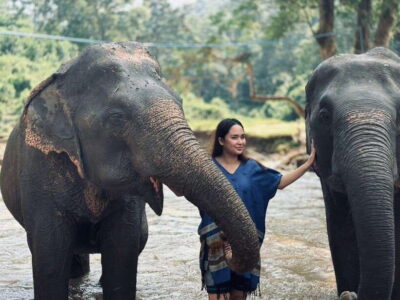
Elephant Sanctuary, Long Neck & Sticky Waterfall
Read our review →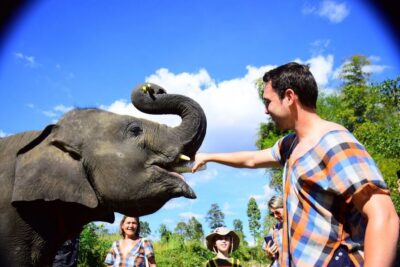
3-in-1: Doi Inthanon Tour, Elephant Sanctuary, and Trekking Trail
Read our review →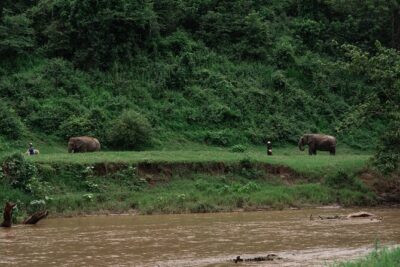
Chiang Mai Elephant Sanctuary, Bamboo Rafting and Waterfall Tour
Read our review →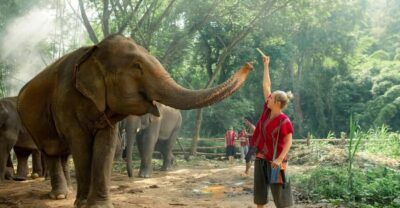
Browse the lists this tour appears in