
Reviewed · CHIANG MAI ELEPHANT SANCTUARY VISITS
Half-day with CHIANGMAI ELEPHANT CARE program (12pm-6pm.)
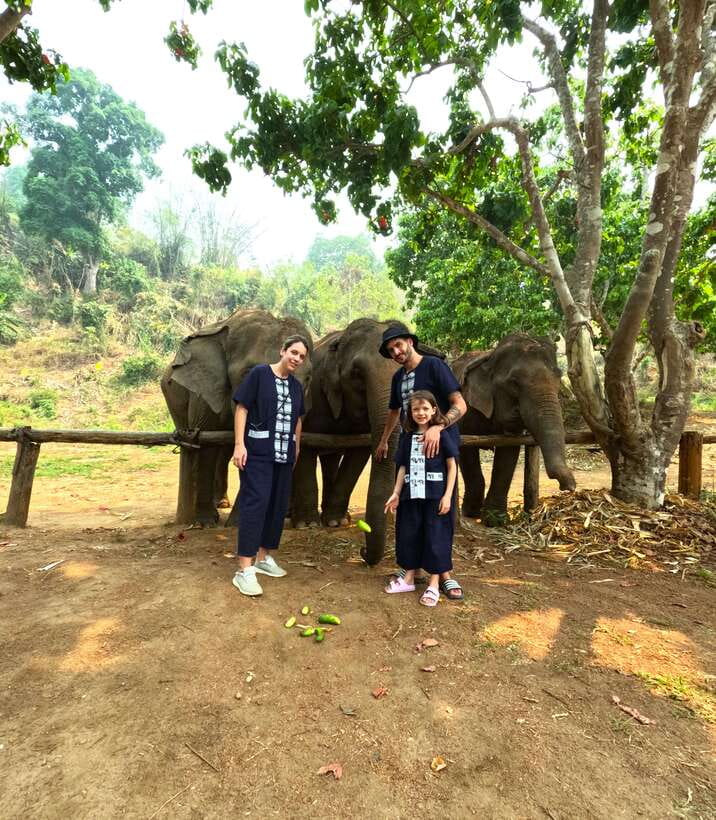
The best part of this Chiang Mai outing is the relaxed contact with elephants. You feed them bananas, prepare herbal medicine balls, walk beside them, and may brush them in the river, but the program says the animals set the pace. No forced bathing or posing is the key point.
I like the small-scale feel and the useful teaching. Guides such as Tong Cruise and Ford bring humor and clear explanations, while the family-run setting keeps the visit personal. The main drawback is the drive: allow about 75 to 80 minutes each way, so six hours includes a fair amount of van time.
Key points to know
- Elephants are not made to perform: Bathing and close contact depend on the animals’ behavior and comfort.
- The afternoon includes lunch: You change into a provided uniform, then eat a home-cooked vegetarian meal with fruit and drinking water.
- You make herbal medicine balls: This gives you a practical look at how elephant care goes beyond feeding.
- The group can be small: Pickup may combine guests from two or three hotels, but the sanctuary manages visitor numbers carefully.
- The trip reaches Mae Taeng: The countryside setting and long van ride are part of the experience.
- The price is $54 per person: That covers transport, guide, food, uniform, entrance, elephant food, and day-tour insurance.
A six-hour afternoon built around animal choice
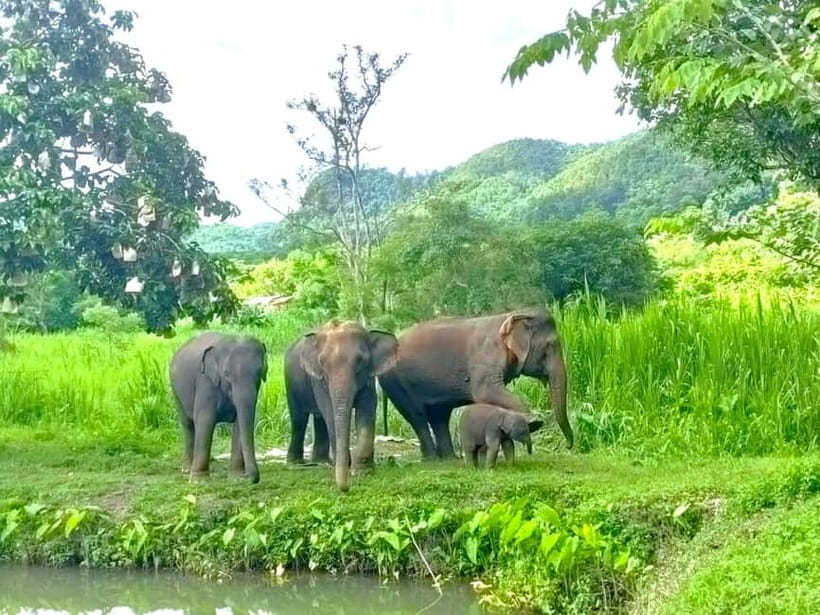
CHIANGMAI ELEPHANT CARE offers a half-day visit from noon until about 6 p.m. It is designed for people who want close contact with elephants without a show, ride, or set of tricks.
The word close matters here. You can feed the elephants, touch and pat them, observe them at short range, and walk with them. But the stated rule is that activities happen only when the elephants are happy to take part. One recent visit ended without river bathing because rain had changed the conditions and the elephants did not want to bathe. That is exactly the sort of flexibility I want to see in an elephant program.
This is not a hands-off wildlife viewing trip. You will have direct contact. Some people will welcome that chance, especially families and first-time elephant visitors. Others may prefer a sanctuary where visitors watch from farther away. Know what you are booking: this experience allows feeding, touching, walking, and possible bathing, while trying to let the animals decide how much interaction happens.
More Elephant Sanctuary Visits near Chiang Mai:
- Chiang Mai: Elephant Sanctuary, Waterfall & Bamboo Rafting
★ 4.9 · 9,160 reviews - Chiang Mai: Elephant Sanctuary & Waterfall Group Tour
★ 4.9 · 5,780 reviews - Chiang Mai: Elephant Sanctuary Feeding Program Half-Day Tour
★ 4.8 · 4,527 reviews
The noon hotel pickup and drive to Mae Taeng
Pickup runs from about 12 to 12:30 p.m. at your hotel lobby. The van may collect people from two or three hotels, so do not expect to leave the city at exactly noon. Give the operator a hotel name or address that can be found on Google Maps. That simple detail matters in Chiang Mai, where similar hotel names and side streets can cause delays.
The drive to the Mae Taeng area takes about 75 to 80 minutes. The schedule gives roughly 1 hour and 15 minutes in one place and 80 minutes in another, so I would plan for the longer figure. You spend close to two and a half hours in the van during the whole outing.
That is the main tradeoff. The sanctuary is outside the city, and the journey takes time that could otherwise be spent in Chiang Mai. On the other hand, the rural setting helps explain why this is not a quick urban animal encounter. You are heading to a dedicated care site rather than fitting elephants into a city sightseeing loop.
Transport is included, and the excursion returns you to the original pickup area around or before 6 p.m. If you have an evening flight, cooking class, or fixed dinner reservation, leave extra room after the stated return time.
Changing clothes and sitting down to lunch
When you arrive, you change into the uniform provided for the activities. This is practical rather than decorative. Elephant feeding and river work can be messy, and having a change of clothes supplied means you do not need to risk your main sightseeing outfit.
Lunch follows, lasting about 30 minutes. The meal is home-cooked and vegetarian, with fruit and drinking water included. The food is part of the value here, not an afterthought. You arrive after a long drive, and eating before the main activity gives the afternoon a calmer start.
Do not expect a restaurant meal or a large menu. The information supplied describes a home-cooked lunch, not a choice of dishes. If you have strict dietary needs or personal requirements, ask before booking because personal needs are not included as part of the package.
After lunch, you receive an introduction and a briefing on what to do and what not to do around the elephants. Pay attention to this section. The rules are not just formalities. An elephant is powerful, easily startled, and not a photo prop. The briefing helps you understand where to stand, how to offer food, and when to give an animal space.
Feeding elephants at close range
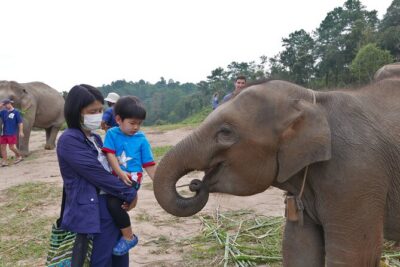
The first hands-on part of the afternoon centers on feeding. You use food supplied by the program, and you can get close enough to touch and pat the elephants.
This is often the moment when the size of an elephant becomes real. A banana may be small in your hand, but the trunk reaching for it is precise and strong. The guide can explain how to offer food safely and help you read the animal’s body language. The value is not just the photograph. You begin to see the elephant as an animal with preferences and habits, rather than as a backdrop.
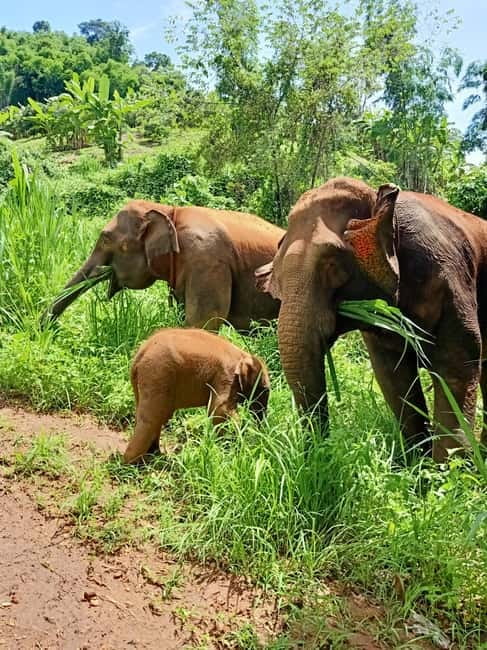
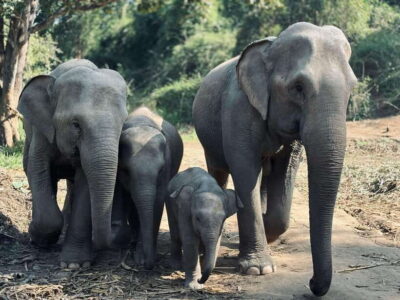
The program includes two adult females and a young male, according to the details provided by the operator and recent visits. That small number helps keep the encounter manageable. It also gives you a chance to notice differences in age, behavior, and energy instead of seeing a long line of animals moving through the same routine.
You may touch and pat the elephants, but interaction is not guaranteed every second. Let the animal move away. Do not crowd it for a better picture. The strongest part of this experience is the calm atmosphere, and that depends on visitors not turning every moment into a race for contact.
More Half-Day Trips in Chiang Mai:
- Half-Day Thai Cooking Class at Organic Farm in Chiang Mai
★ 5.0 · 19,087 reviews - Chiang Mai: HALF-DAY COOKING COURSE at a Thai Cooking Farm
★ 4.9 · 705 reviews - Half-Day Elephant Experience at Rantong
★ 5.0 · 625 reviews - Chiang Mai: Elephant Dream Project Sanctuary – Half-Day
★ 4.9 · 552 reviews
Making herbal medicine balls for elephant health
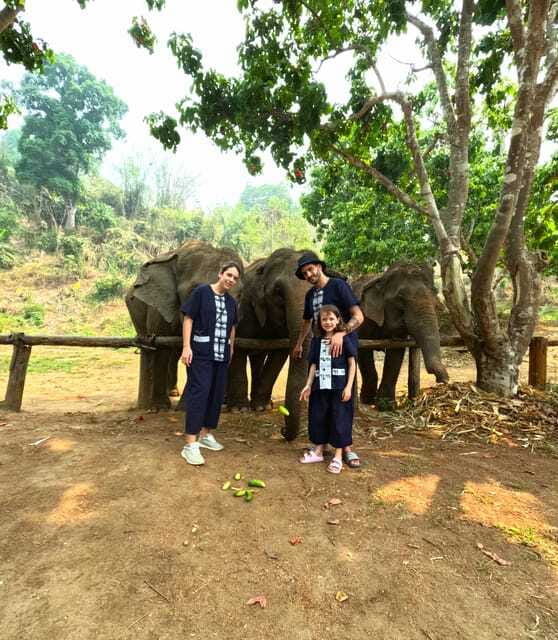
The herbal medicine activity adds something useful to the usual feed-and-photo format. You help prepare supplement balls intended to support the elephants’ digestion and general health, then feed them to the animals.
This step gives you a simple look at the daily care work behind a sanctuary. Feeding is pleasant, but preparing a supplement shows that elephant care also involves routine, observation, and attention to diet. Guides explain why the medicine is used and how it fits into the animals’ care.
I especially like this part for families. Children can take part in a clear, supervised task, while adults get a better sense of the work involved in caring for rescued elephants. It is also a good moment to ask questions about diet, digestion, rescue backgrounds, and the daily relationship between each elephant and its mahout.
The available information says some elephants were rescued from shows or jungle work. That context helps explain why the program focuses on health and calm interaction. It also gives the guide a natural opening to discuss the changing role of elephants in Thailand and the people who care for them.
Walking, watching, and learning without a performance
The main elephant session lasts about two hours. It combines feeding, herbal medicine, observation, walking, and conversation rather than presenting a fixed animal show.
You may walk with the elephants around the grounds and stop for photographs. The scenery around Mae Taeng is described as attractive, but the real appeal is the unhurried pace. There is no need to move from one performance to the next. You watch the elephants walk, eat, investigate, and respond to their mahouts.
Guides explain facts about elephant behavior, diet, history in Thailand, and the Karen people. Tong Cruise has been singled out for creating a funny, relaxed atmosphere while still teaching serious material. Ford is also praised for his enthusiasm and clear explanations. Guide quality matters on an outing like this because the animal contact alone can be over quickly. A good guide turns short encounters into a better understanding of how elephants live and why their care is complicated.
The small-group format helps here. Even if your van includes people from several hotels, the sanctuary keeps visitor numbers controlled. One person described having the program almost to themselves, which allowed plenty of questions. That level of attention may not happen every day, but a smaller group generally gives you more room to listen and observe.
River bathing depends on the elephants
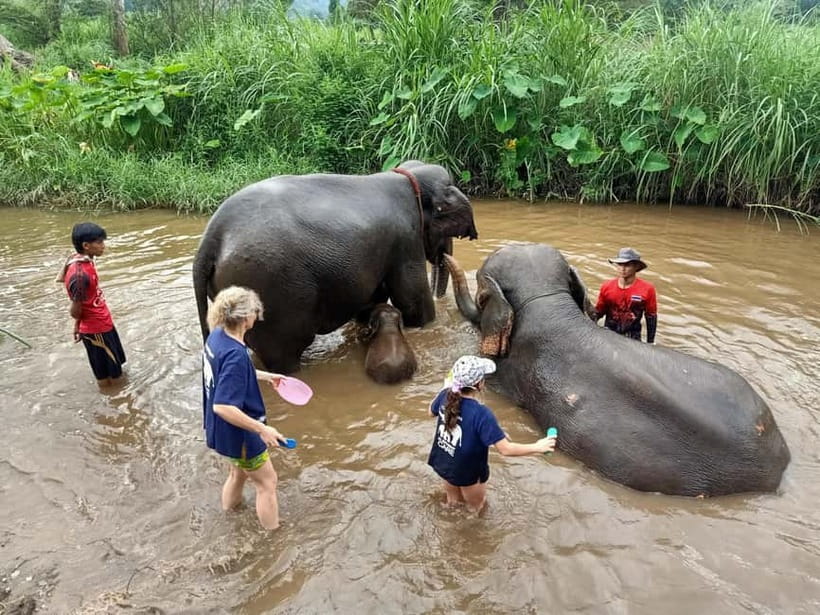
The advertised highlight is bathing and brushing an elephant in the river. If the elephants want to enter the water, you can take part and help brush them. It is a memorable, wet, hands-on activity, but it should not be treated as a guaranteed performance.
The clearest sign of the program’s stated approach came when rain had fallen and an elephant did not want to bathe. The group skipped the activity. That may disappoint someone who booked mainly for river photographs, but it is also a positive sign that the program does not force the animal to satisfy the schedule.
Bring clothes that can get wet, even though a change of clothes and showers are provided. The river activity may not happen, and conditions can affect the plan, but you should still prepare for it. Wear something easy to change out of and keep valuables protected.
The bathing section also deserves a realistic note. Bathing an elephant can feel wonderfully personal, yet it is still human-directed contact. The program’s welfare claim rests on giving the animal a choice to participate. You should help maintain that standard by stopping when the elephant moves away or shows discomfort.
Showers, changing rooms, and the trip back
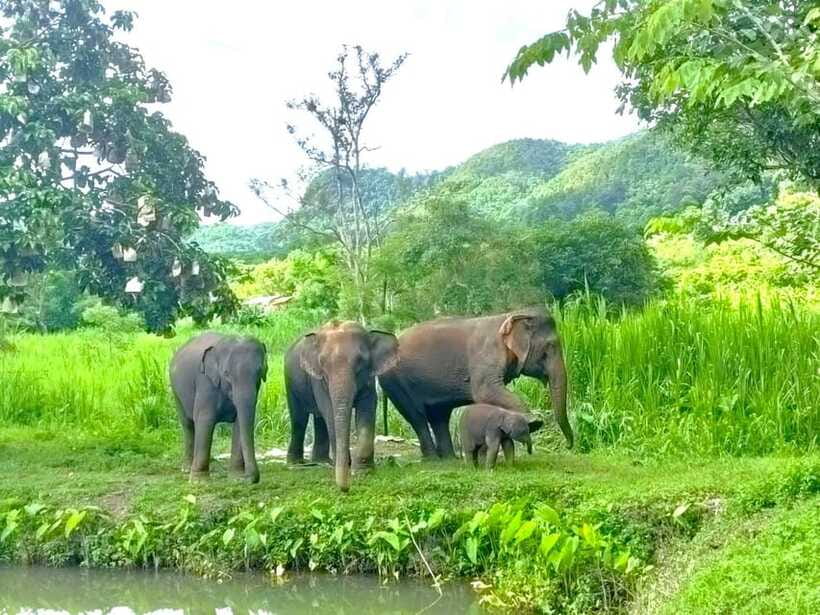
After the elephant activities, you have about 30 minutes to shower, change, and take a refreshment break. Facilities include showers and changing rooms, which makes a big difference after river work or a hot afternoon outside.
The farewell is brief. You say goodbye to the elephants and mahouts, then return to the van for the drive back to Chiang Mai. Arrival is expected around or before 6 p.m., though traffic and the number of hotel drop-offs can affect the exact time.
The schedule feels full but not frantic. Lunch takes about half an hour, the main elephant activity runs for roughly two hours, and the remaining time is split between driving, changing, briefing, and refreshments. You are not getting six solid hours beside elephants, but the plan gives the animal encounter enough space to feel more than a quick photo stop.
What the $54 price really covers
At $54 per person, the price is fair for a six-hour outing that includes hotel pickup and return, entrance, an English-speaking guide, elephant food, a uniform, lunch, fruit, drinking water, and day-tour insurance.
The biggest value comes from the transport and the guide. A private journey to a rural sanctuary could cost much more once you add fuel, navigation, entrance fees, food, and an interpreter. Here, those elements are bundled into one afternoon.
You are also paying for a smaller operation with controlled visitor numbers and direct animal activities. If your only goal is to see an elephant from a distance, this may be more than you need. If you want instruction, feeding, medicine preparation, and the possibility of bathing, the price makes more sense.
There are limits. Personal expenses are not included, and the bathing activity cannot be promised because it depends on the elephant. The long drive also reduces the amount of time spent at the care center. Still, the package is strong for families, first-time visitors, and anyone who wants an organized experience outside the city.
Who should choose this elephant program
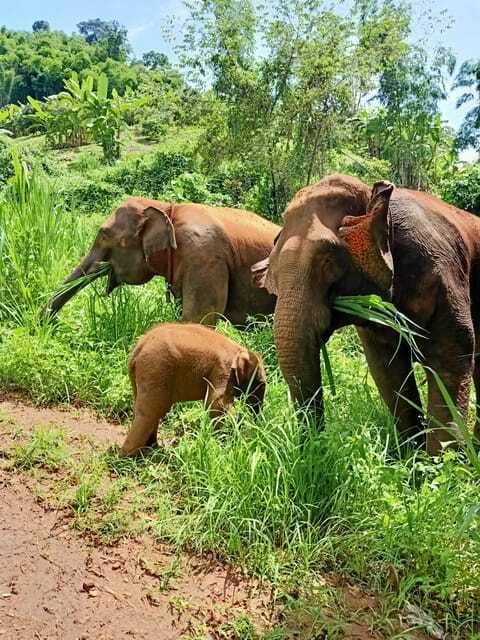
I would choose this tour if you want meaningful contact but do not want a show, riding, or forced animal routine. It suits people who enjoy asking questions and learning how elephant care works, not just taking a close-up photograph.
Families should find the structure manageable. Lunch, a uniform, a supervised feeding session, medicine preparation, walking, and showers give children several different activities. Keep in mind that the group must follow the guide’s rules and allow the animals to move freely.
It also suits visitors who want a half-day rather than a full-day commitment. The noon start leaves the morning free for Chiang Mai markets, temples, or a slow breakfast. The return near 6 p.m. still gives you the evening, though I would avoid booking anything with a strict start time.
You may want another option if you dislike long van rides, need guaranteed river bathing, or prefer to observe elephants without touching or feeding them. This is a direct-contact program, even though it places limits on that contact.
Should you book it?
Book this Chiang Mai Elephant Care afternoon if the animal-led approach matters more to you than a guaranteed checklist. The strongest details are the calm pace, small-group feel, useful teaching, and willingness to skip bathing when an elephant does not want it.
At $54, the package offers good value for a full afternoon outside Chiang Mai, especially with transport, lunch, a guide, uniforms, elephant food, and showers included. Go in ready to listen, keep your hands gentle, and accept that the elephants may change the plan. If you can do that, this is a thoughtful and enjoyable way to meet them.
FAQ
What time does the Chiang Mai Elephant Care program run?
The program lasts six hours, with hotel pickup from about 12 to 12:30 p.m. You are expected back in Chiang Mai around or before 6 p.m.
Is hotel pickup included?
Yes. Pickup and return are included from your hotel lobby. Provide a hotel name or address that can be found on Google Maps.
How long is the drive from Chiang Mai?
The drive to the Mae Taeng area takes about 75 to 80 minutes each way. The van may collect people from two or three hotels.
Is lunch included?
Yes. The program includes a home-cooked vegetarian lunch, fruit, and drinking water.
Can I bathe the elephants in the river?
River bathing and brushing are included as a planned activity, but participation depends on the elephants. The program does not force them to bathe, and the activity may be skipped if they do not want to take part.
What is included in the $54 price?
The price includes entrance, an English-speaking guide, elephant food, an activity uniform, day-tour insurance, lunch, fruit, drinking water, hotel transport, and return transport.
Can I cancel the booking?
You can cancel up to 24 hours in advance for a full refund. The reserve-now-and-pay-later option lets you hold a place without paying immediately.
Newly reviewed around Chiang Mai
- Workshop Making Herbal ball & herbal inhaler★ 4.3 · 3 reviews
- Chiang Mai Zipline White Water Rafting and Elephant Sanctuary★ 4.0 · 11 reviews
- Walk With Monks Collecting Alms(meeting point maybe change)★ 4.9 · 8 reviews
- Trek to a Jungle Waterfall★ 5.0 · 14 reviews
- Zipline+Sticky waterfall+Long Neck Village Private Tour★ 5.0 · 22 reviews
- Meditation Retreat and Self-Care in Nature★ 5.0 · 4 reviews
- Full Day Yoga, Meditation, and Thai Cultural Immersion in Chiang Mai★ 5.0 · 3 reviews
- Long Neck Village, White & Blue Temple, Black House Day Tour From Chiang Mai★ 4.0 · 14 reviews
Chiang Mai Elephant Sanctuary Visits, compared.
Elephant Sanctuary, Waterfall & Bamboo Rafting
Read our review →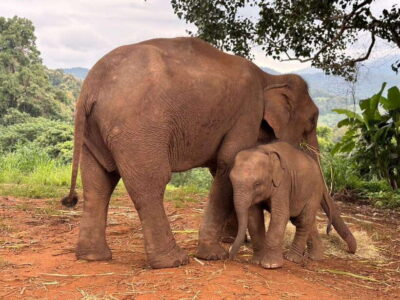
Elephant Sanctuary Feeding Program Half-Day Tour
Read our review →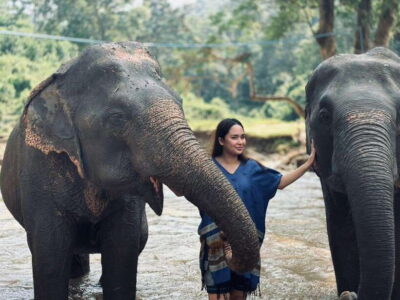
Elephant Sanctuary, Long Neck & Sticky Waterfall
Read our review →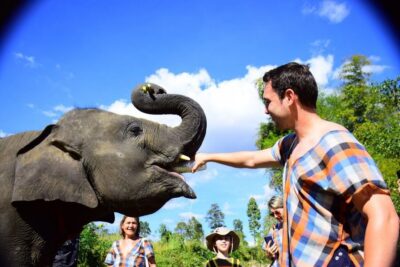
3-in-1: Doi Inthanon Tour, Elephant Sanctuary, and Trekking Trail
Read our review →
Chiang Mai Elephant Sanctuary, Bamboo Rafting and Waterfall Tour
Read our review →
Browse the lists this tour appears in